Royal Gramma & Dottyback Care Guide | Characteristics, Tank Mates & Tank Setup for Small Saltwater Fish
Complete guide to caring for royal grammas, oriole dottybacks, and dottyback species. Learn about the varieties of these small, vibrantly colored saltwater fish, tank mate compatibility, and proper tank setup.
Key Takeaways
Complete guide to caring for royal grammas, oriole dottybacks, and dottyback species. Learn about the varieties of these small, vibrantly colored saltwater fish, tank mate compatibility, and proper tank setup.
Related Species
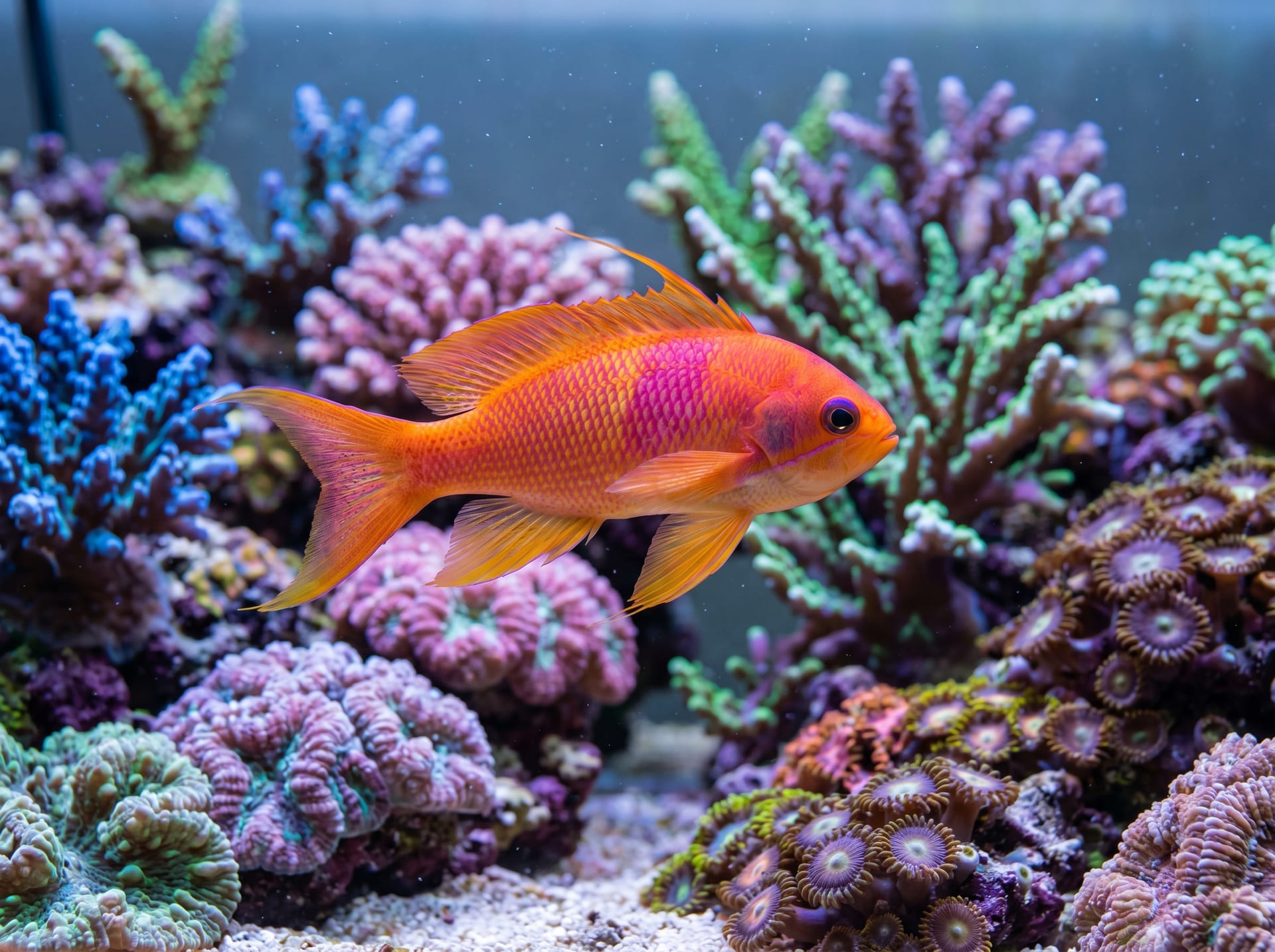
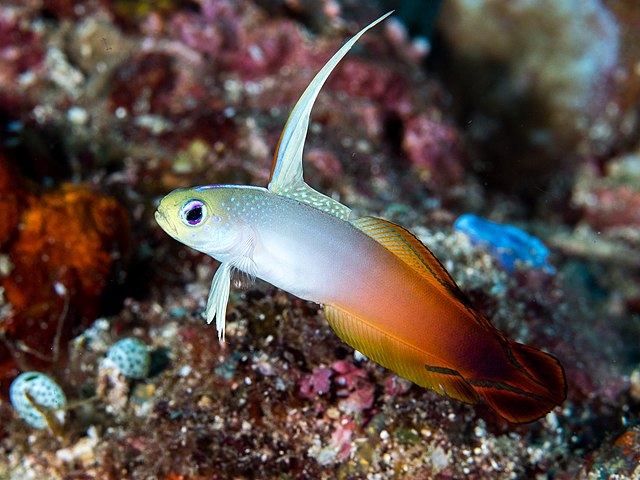
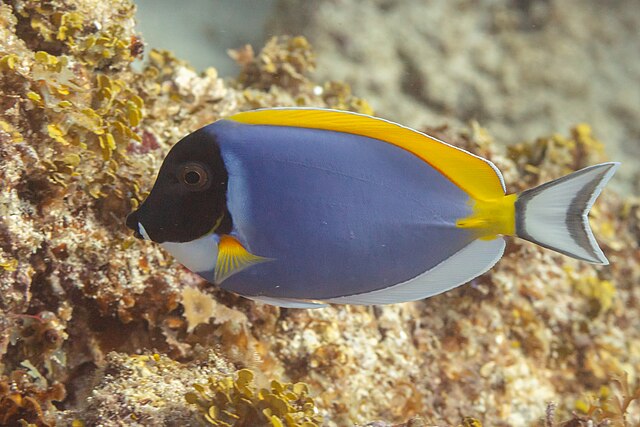
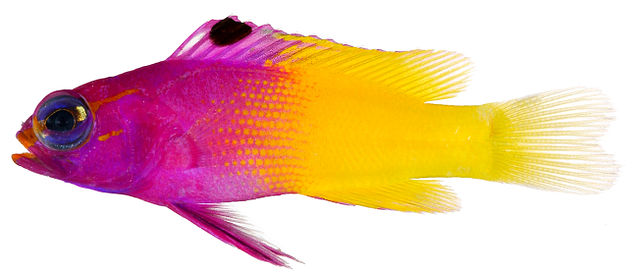
Royal grammas and dottyback species are a popular group of small fish with vibrant coloration that brighten any saltwater aquarium. While their small size allows them to thrive in compact tanks, many species have strong territorial instincts, so careful consideration is needed when choosing tank mates. This article covers the characteristics, care requirements, and tank mate compatibility of these species.
Differences Between Royal Grammas and Dottybacks
Royal Gramma (Gramma loreto)
Native to the Caribbean, this striking species is characterized by a vibrant purple front half and yellow rear half. Belonging to the family Grammatidae, royal grammas have a peaceful temperament and are relatively good tank mates. They typically reach about 8 cm in length. They inhabit rock crevices and overhangs, and are known for their unique behavior of swimming upside-down along the ceiling.
Summary of Characteristics
- Size: 6-8 cm
- Temperament: Peaceful (territorial toward conspecifics)
- Tank Mates: Relatively compatible
- Coral Compatibility: Excellent (suitable for reef tanks)
- Care Difficulty: Low to Moderate
Dottybacks (Family Pseudochromidae)
Dottybacks belong to the family Pseudochromidae and comprise over 100 species with diverse colors and sizes available in the aquarium trade.
Oriole Dottyback (Pseudochromis fridmani × P. sankeyi hybrid and others)
A small species with beautiful purple to lavender coloration. Also known as the Fridmani dottyback, captive-bred (CB) specimens are increasingly available. They display moderate territorial behavior.
Fridmani Dottyback (Pseudochromis fridmani)
A stunning species with vibrant purple coloration throughout its body, reaching about 6 cm in length. Highly territorial, especially toward conspecifics or similarly colored fish. Captive-bred individuals are relatively easy to obtain and have good feeding response.
Springer's Dottyback (Pseudochromis springeri)
A small species (approximately 5 cm) with a sleek black body adorned with blue lines. Aggressive temperament—bold enough to confront fish larger than itself. Fiercely defends crevices in live rock as its territory.
Bicolor Dottyback (Pseudochromis paccagnellae)
A beautiful two-toned species with purple and yellow coloring that resembles the royal gramma, though they are entirely different fish from a different family (an example of convergent evolution). Reaches 6-8 cm in length. Among dottybacks, it has a relatively peaceful temperament.
Tank and Equipment Requirements
Since royal grammas and dottybacks are small species, they can be kept in relatively compact tanks.
| Item | Guideline |
|---|---|
| Tank Size | 45 cm or larger (single fish or small tanks acceptable) |
| Filtration | External filter + protein skimmer |
| Lighting | Marine LED lighting (reef-compatible lighting if corals are present) |
| Specific Gravity | 1.023-1.026 |
| Water Temperature | 24-27°C |
| pH | 8.1-8.3 |
Essential Layout: Providing Hiding Spaces
Always provide rock caves, overhangs, and crevices in live rock. These fish use hiding spaces as their territories; without adequate shelter, they become stressed, their coloration deteriorates, and conflicts with other fish increase.
Tank Mate Compatibility Considerations
Intraspecific and Interspecific Territorial Conflicts
- Keep two of the same species separately (especially dottybacks): similarly colored individuals will fight fiercely. If you must keep multiple specimens, use a large tank with abundant hiding spaces and introduce an established male-female pair.
- Avoid mixing similarly colored species: Similar-looking species like royal grammas and bicolor dottybacks may mistake each other for conspecifics and attack.
Compatible Tank Mates
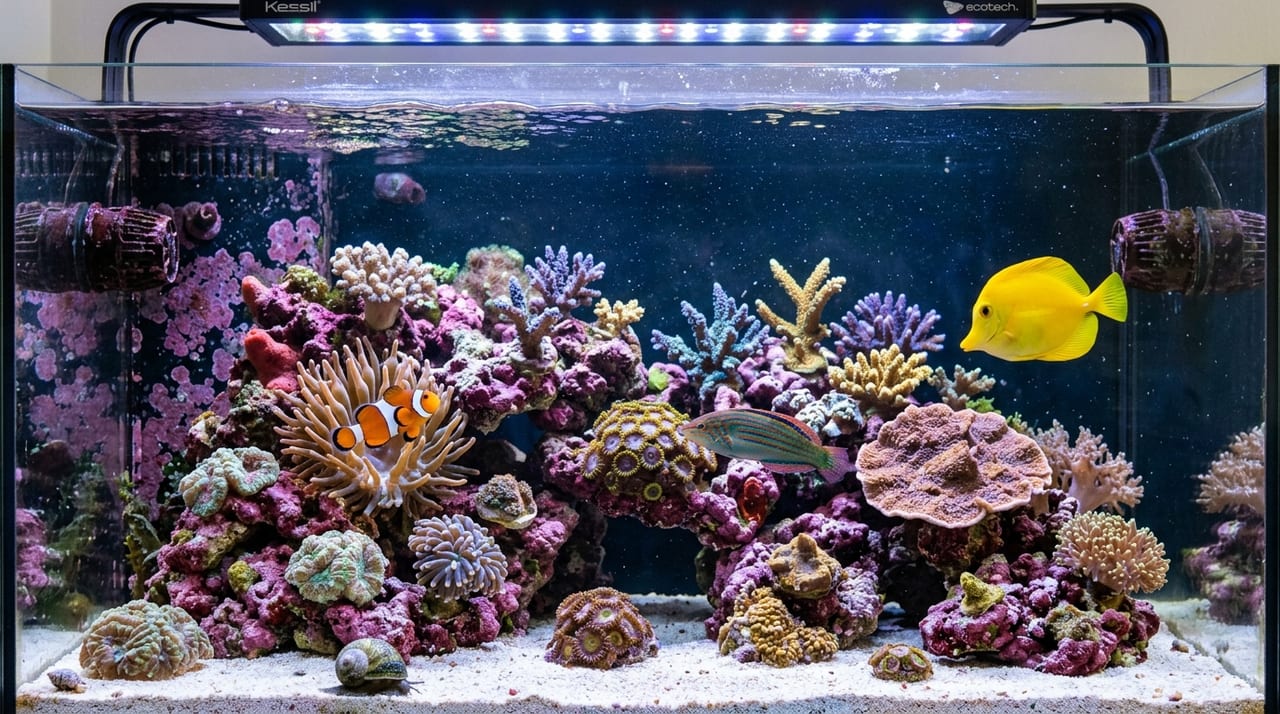
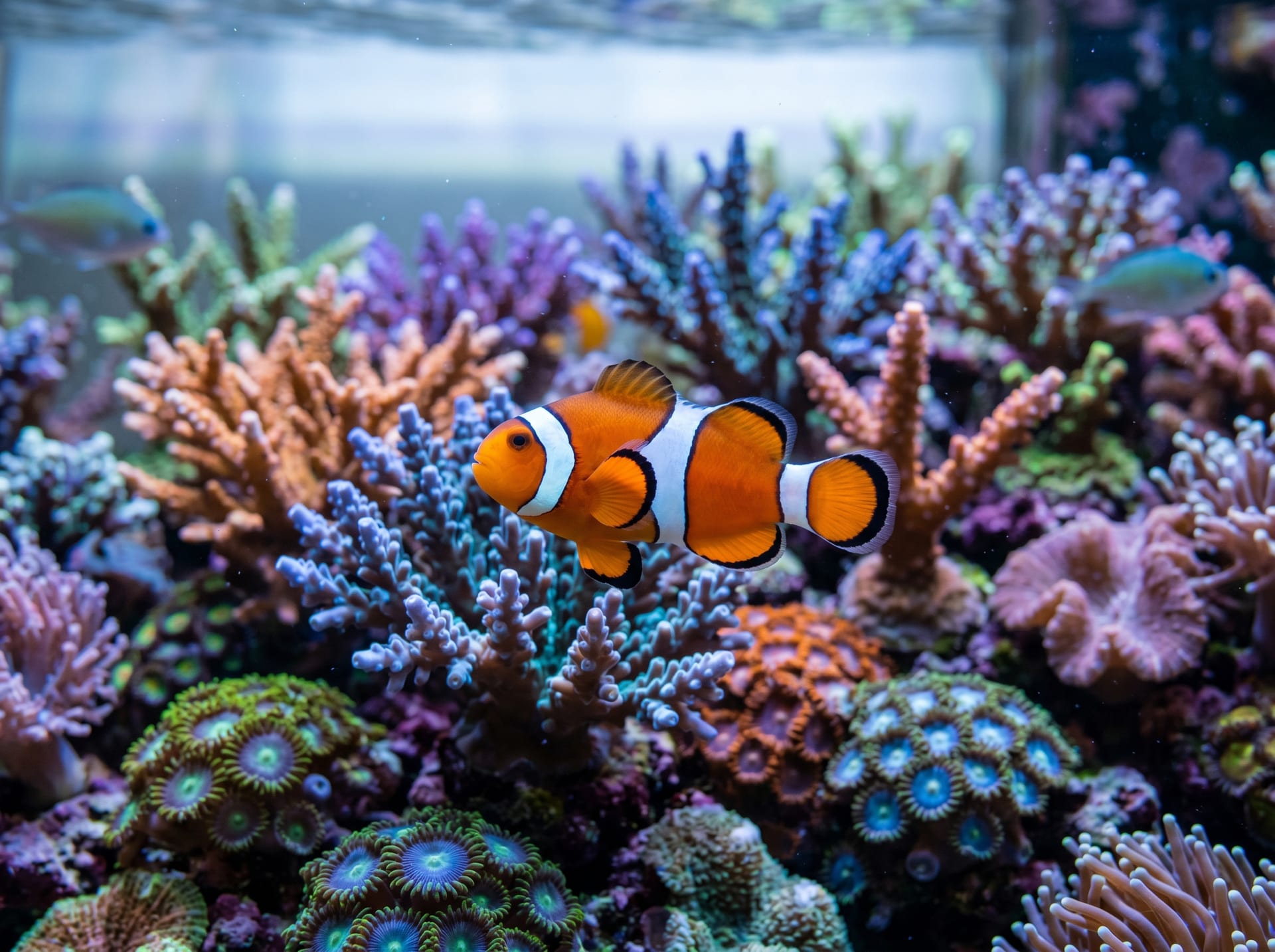
- Clownfish and fairy basslets: No issues due to different habitat zones.
- Gobies (sleeper gobies, pipefish-type): Peaceful with minimal territorial overlap.
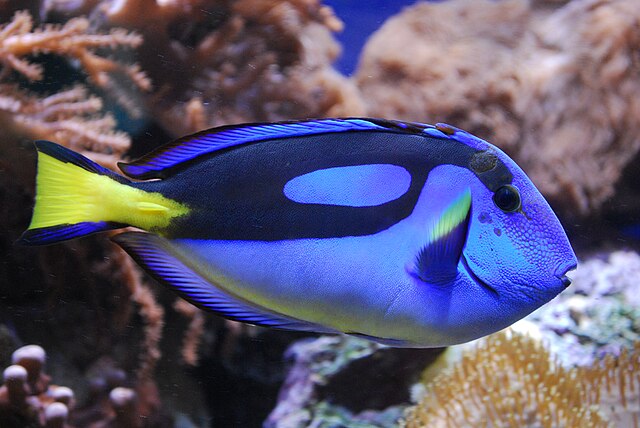
- Tangs (yellow tang, powder blue tang, etc.): Different swimming zones minimize interaction.
- Small angelfish (coral beauty, etc.): Generally compatible, though conflicts may occur in smaller tanks.
Incompatible Combinations
- Gobies that compete for caves (coral gobies, flagfin gobies): May fight over the same shelters.
- Small shrimp (juvenile cleaner shrimp): Risk of being preyed upon by dottybacks.
Feeding Guidelines
Carnivorous to omnivorous, they readily adapt to artificial foods in captivity.
Recommended Foods
- Small pellets: Serve as the primary diet. Premium pellets with freeze-dried components have excellent palatability.
- Frozen brine shrimp: Highly palatable, excellent for stimulating appetite and maintaining condition before and after spawning.
- Frozen copepods: Ideal for small species. Disperses in water, making it easy to feed multiple fish.
- Live food (small amphipods, etc.): Use temporarily immediately after introduction if they won't eat artificial foods.
Feed twice daily, limiting portions to what they consume within 5 minutes.
Health Management and Important Notes
Managing Ich (White Spot Disease)
Ich (Cryptocaryon irritans) is common in saltwater fish and easily triggered by temperature fluctuations or transport stress. Perform careful acclimation during introduction, and quarantine in a separate tank for about 2 weeks before moving to the main tank if possible.
Preventing Jumping
Dottybacks are particularly prone to jumping; ensure all gaps in the tank cover are sealed.
Tips for Selecting Healthy Specimens
- Check for white spots, scratches, or torn fins on the body
- Ensure they are actively swimming (avoid lethargic individuals that remain at the bottom)
- Ideally confirm good feeding response at the shop
Conclusion
Royal grammas and dottybacks are a fascinating group of saltwater fish that offer vibrant colors even in compact tanks. With attention to their territorial nature and careful selection of compatible tank mates, many species are relatively easy to care for, making them popular with beginners and intermediate aquarists. Captive-bred specimens are readily available, feed readily, and are well-suited to long-term care. Source them directly from local breeders and enjoy their brilliant colors to the fullest.