Hatchetfish Care Guide | Essential Lid for Flying Fish, Slightly Acidic Water, and the Beauty of Schooling | ブリちょく
Tropical Fish| ✍️ BreederDirect Editorial
Hatchetfish Care Guide | Essential Lid for Flying Fish, Slightly Acidic Water, and the Beauty of Schooling
A complete care guide for the hatchetfish, a surface-dwelling tropical fish native to South America. This guide covers the importance of a lid to prevent jumping, slightly acidic and soft water conditions, choosing floating foods, selecting compatible tank mates, and even breeding challenges. Your complete guide to these unique flying fish.
Key Takeaways
A complete care guide for the hatchetfish, a surface-dwelling tropical fish native to South America. This guide covers the importance of a lid to prevent jumping, slightly acidic and soft water conditions, choosing floating foods, selecting compatible tank mates, and even breeding challenges. Your complete guide to these unique flying fish.
What is a Hatchetfish?
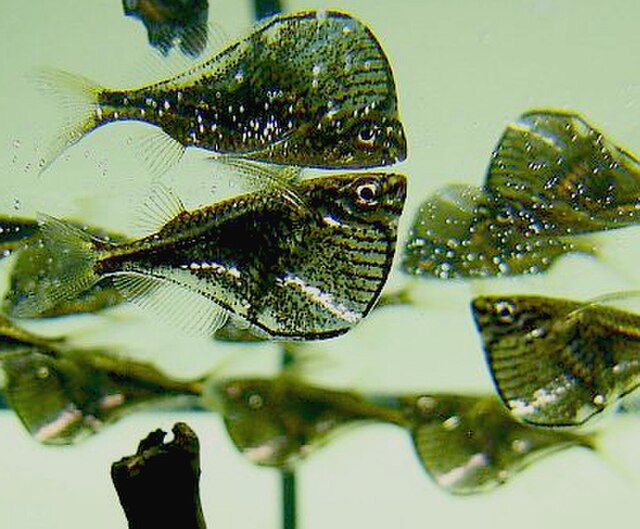
Hatchetfish are small surface-dwelling fish native to South America's Amazon River system. True to their name, they are characterized by a chest shaped like a "hatchet," and using their well-developed pectoral muscles, they can jump across the water's surface and actually fly short distances.
✍️
BreederDirect Editorial
The BreederDirect editorial team specializes in care information for animals, covering veterinary care and breeding to deliver beginner-friendly guides.
Find Tropical Fish on BreederDirect
Buy directly from verified breeders
Browse Related Listings
Find Tropical Fish listings related to this article on BreederDirect. Buy directly from verified breeders.
Related Tools
Related Articles
Browse by Category
🪸Coral
🐠Marine Fish
🐟Tropical Fish
🐡Goldfish
🐟Medaka
🦎Reptiles
Share
The main species include the following:
Species
Scientific Name
Size
Difficulty
Marble Hatchetfish
Carnegiella strigata
3–4 cm
Intermediate
Silver Hatchetfish
Gasteropelecus sternicla
5–6 cm
Intermediate
Common Hatchetfish
Gasteropelecus levis
5–6 cm
Intermediate
Dwarf Hatchetfish
Carnegiella myersi
2–3 cm
Intermediate to Advanced
The most popular is the Marble Hatchetfish, which features beautiful black stripes on a brown body and, due to its small size, allows for enjoyable schooling even in smaller tanks.
Basic Tank Setup
Tank Size and Essential Requirements: Lid is Most Important
The most essential requirement for keeping hatchetfish is installing a lid. Strong stimuli—sudden light, shadows, or approaching fish—can cause them to jump out of the tank, resulting in frequent fatal accidents.
The lid should fit snugly against the water's surface or have walls that extend above it. Glass lids are ideal, but compact clip-on lighting systems can work if they cover the entire water surface with proper design.
Recommended Tank Size: 30–60 cm standard tanks
- A 60 cm tank is ideal for schooling groups of six or more fish
- Smaller Marble Hatchetfish can work in 30 cm cube tanks
Water Parameters
Parameter
Target
Temperature
24–28°C
pH
5.5–7.0 (slightly acidic)
Hardness (GH)
2–10 dGH (soft water)
Being Amazon River natives, they prefer slightly acidic and soft water. Raising them in blackwater—acidic water created with peat moss or mopani wood—improves coloration and promotes breeding.
Water Flow and Surface Environment
Hatchetfish are surface specialists. Since they only swim in the upper water column near the surface, adjust water flow so it doesn't hit the surface too strongly. Angle the filter outlet slightly below the surface so the surface has only gentle ripples.
Floating plants like water sprite or frogbit provide shelter and encourage calm behavior.
Feeding
Hatchetfish are surface feeders that eat only at the water's surface. They ignore sinking food, making floating foods essential.
Recommended Foods
- Flake foods (Tetramin, Guppy Food, etc.)
- Small floating pellets
- Frozen bloodworms (eaten while floating)
- Live fruit flies (Drosophila)
- Live infusoria and daphnia
In particular, fruit flies (Drosophila) trigger hatchetfish's natural instinct to eat insects and are extremely palatable. If breeding is your goal, consider culturing fruit flies.
Feed once or twice daily, offering only what they can consume in 2–3 minutes.
Tank Mates
Hatchetfish have peaceful temperaments and don't attack other fish. However, since they occupy only the surface, they pair well with fish that swim in different water layers.
Compatible Tank Mates
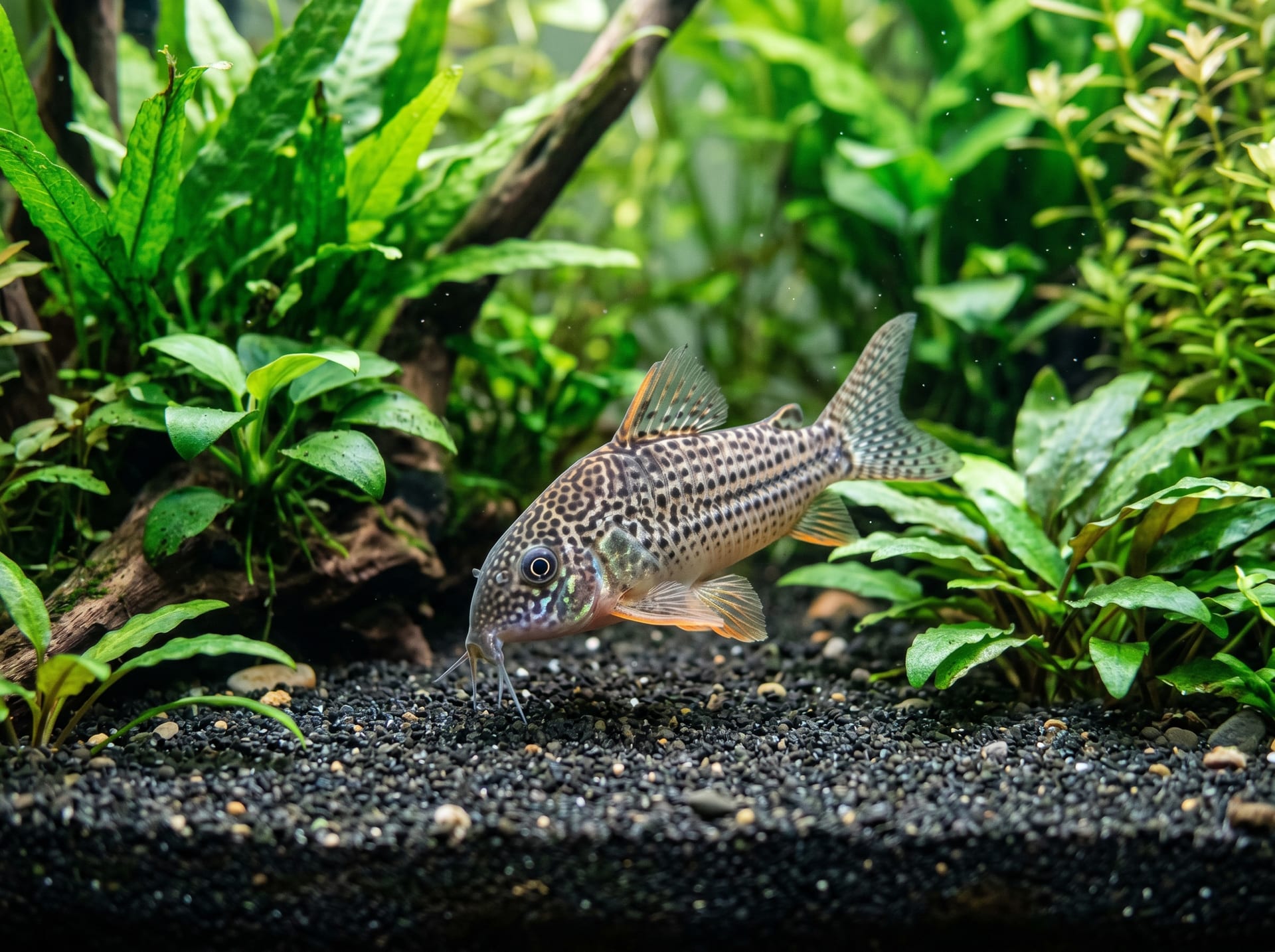
- Corydoras (bottom-dwellers) → completely separate spaces
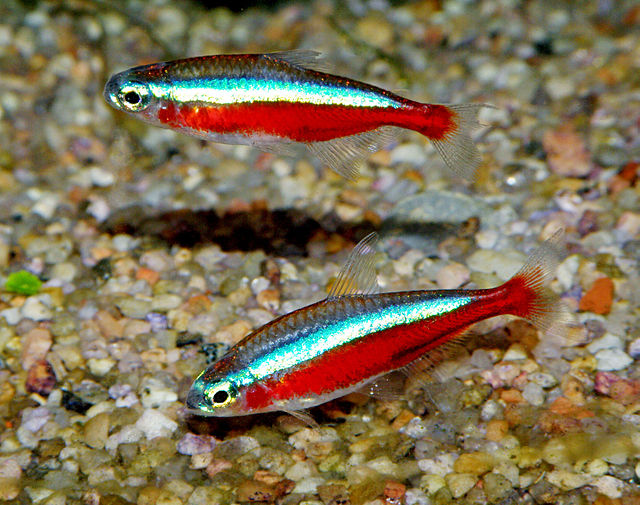
- Mid to bottom-dwelling characins (Neon Tetras, Cardinal Tetras, etc.)
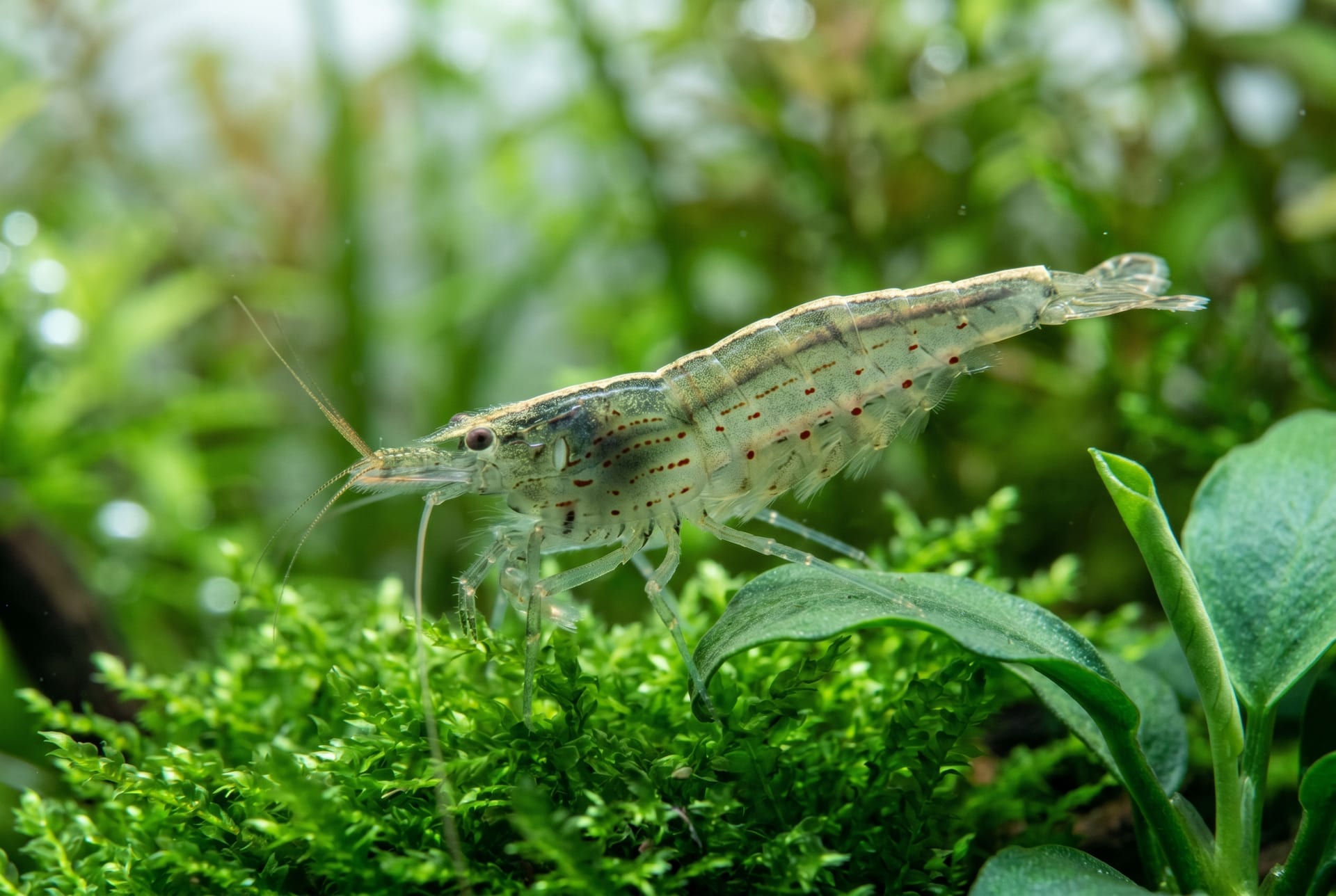
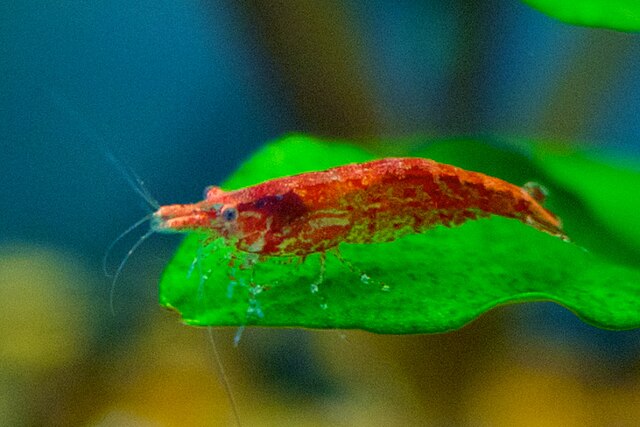
- Shrimp (Amano Shrimp, Cherry Shrimp)
- Plecos (bottom-dwellers)
Tank Mates to Avoid
- Large and predatory fish (Goldfish, large Cichlids)
- Bettas (may compete for surface territory)
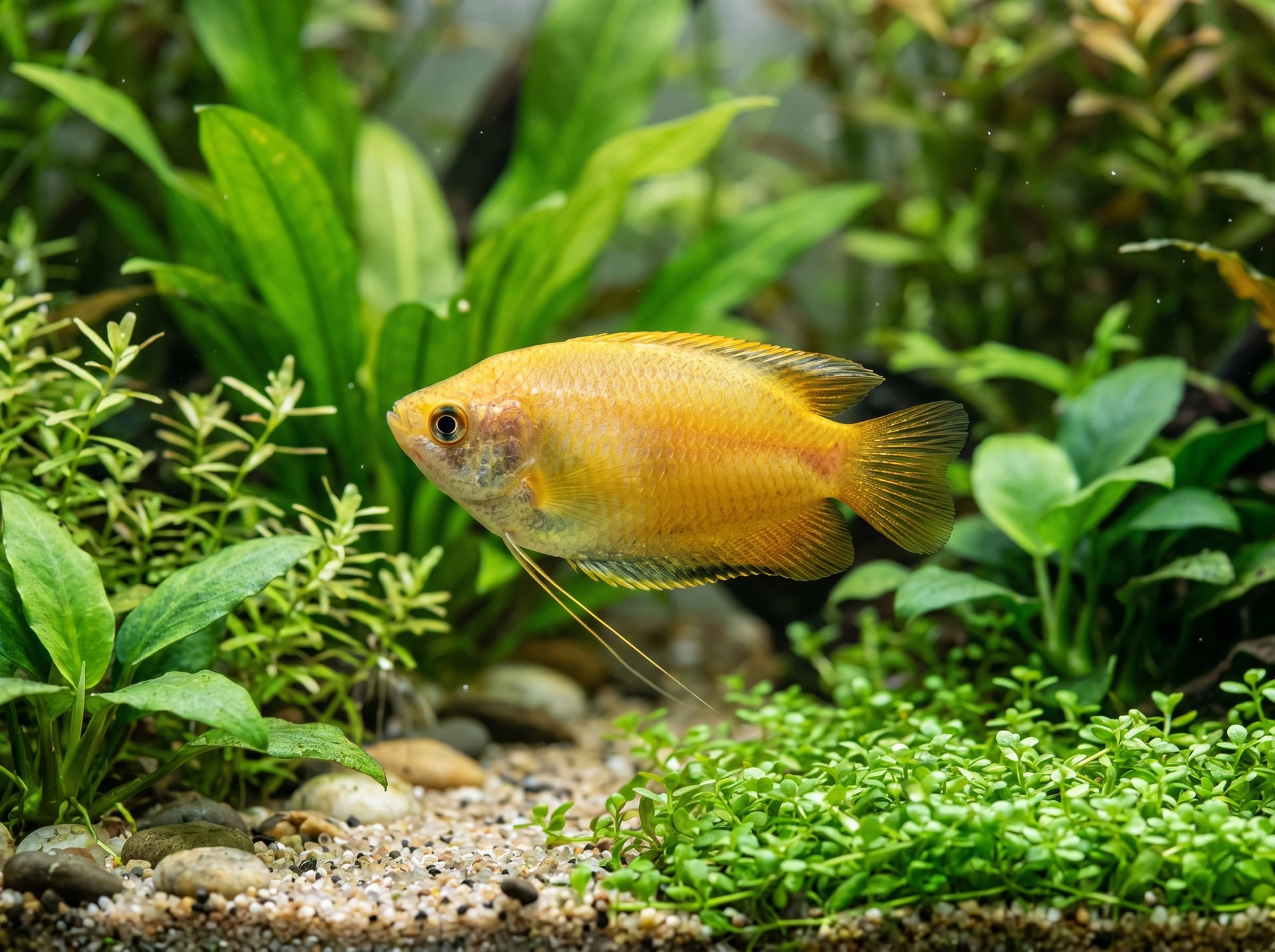
- Golden Honey Dwarf Gouramis (tend to monopolize the surface)
Breeding
Breeding hatchetfish is challenging, but achievable with proper conditions.
Breeding Conditions
1. Raise temperature to 27–28°C (induces spawning)
2. Slightly acidic, soft water environment (pH 5.5–6.5, GH 2–5)
3. Abundant floating plants (spawning sites)
4. Increase live food feeding (improves breeding condition)
Spawning occurs on the roots and leaves of floating plants near the surface. Eggs hatch in 24–36 hours, but newly hatched fry are extremely tiny and must be started on infusoria.
Tips for Longevity
School them in groups (six or more for stability; fewer causes stress)
Ensure the lid is completely sealed (preventing jumping accidents is key to longevity)
Avoid sudden water parameter changes (do partial water changes weekly)
Avoid sudden stimuli (abrupt lighting changes, tapping the tank, etc.)
With proper lids and slightly acidic conditions, hatchetfish are relatively easy to keep and reward you with stunning schooling displays and the occasional leap across the water's surface—a truly captivating sight.