Goldfish Japanese-Style Layout Guide | How to Create a Water Landscape Incorporating Japanese Gardens and Wabi-Sabi
An explanation of methods for creating Japanese-style layouts that bring out the aesthetic of Japanese gardens in goldfish tanks and ponds. Practical guidance from selecting stones, plants, and driftwood to expressing wabi-sabi.
Key Takeaways
An explanation of methods for creating Japanese-style layouts that bring out the aesthetic of Japanese gardens in goldfish tanks and ponds. Practical guidance from selecting stones, plants, and driftwood to expressing wabi-sabi.
Related Species
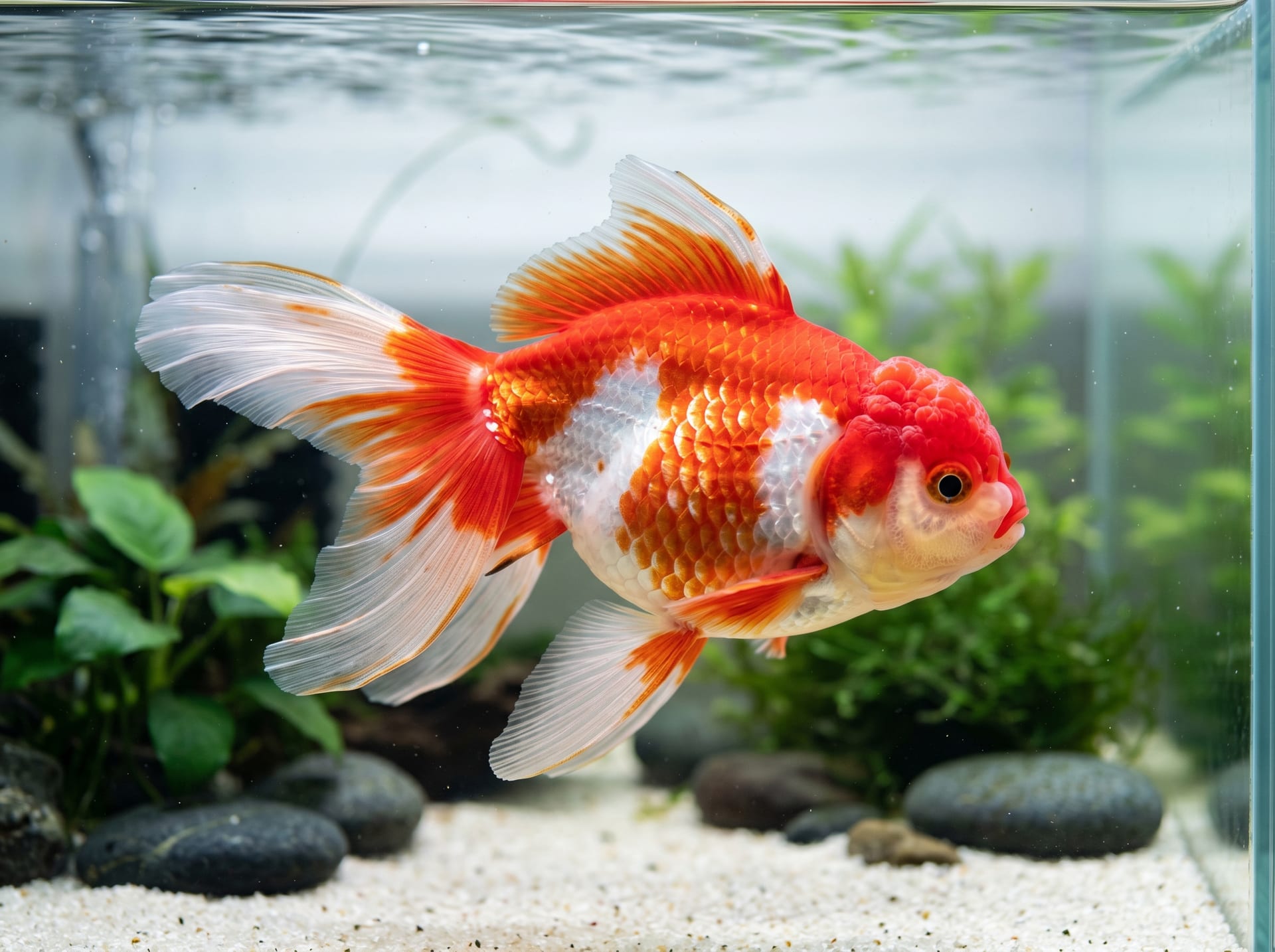
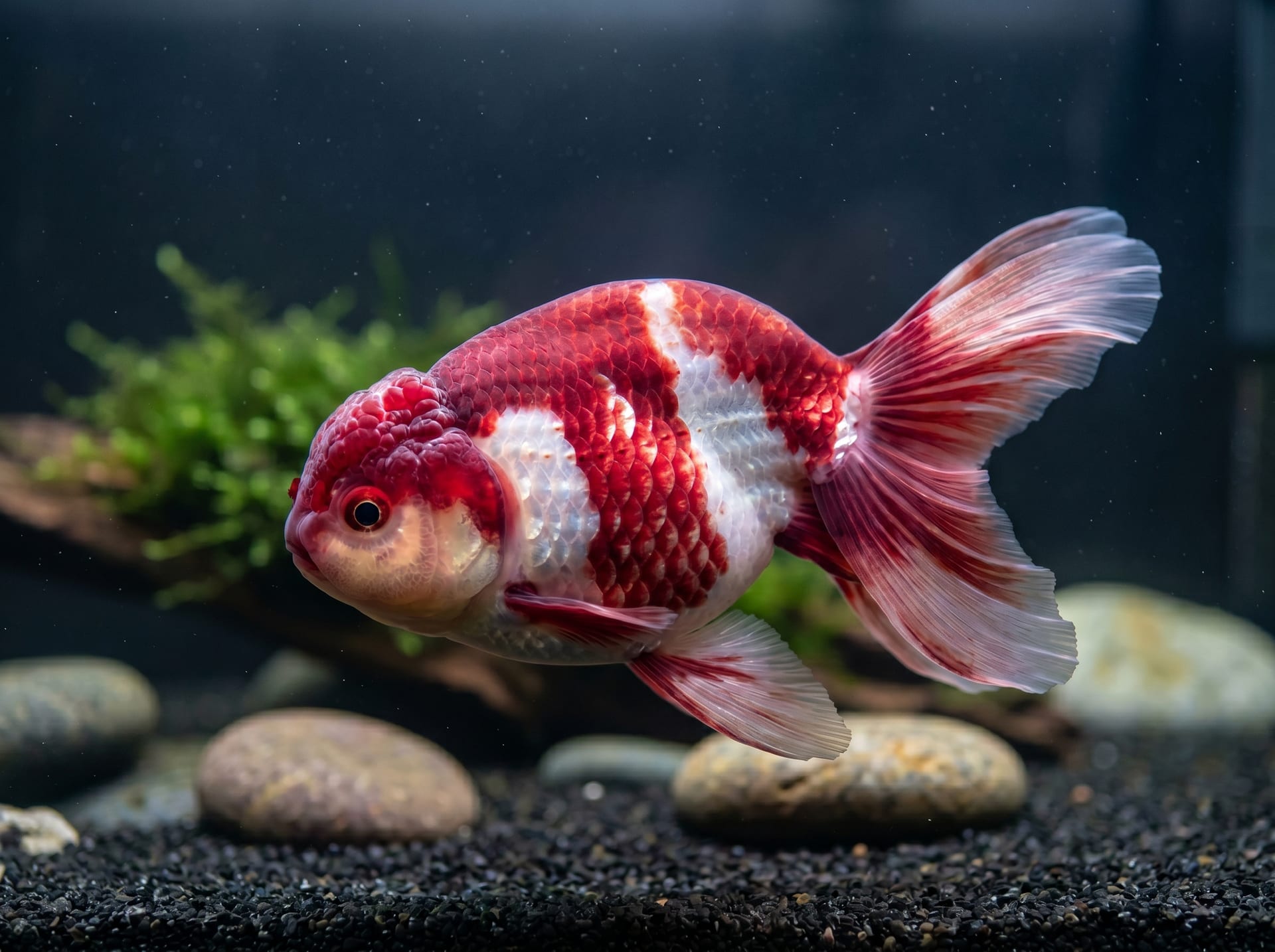
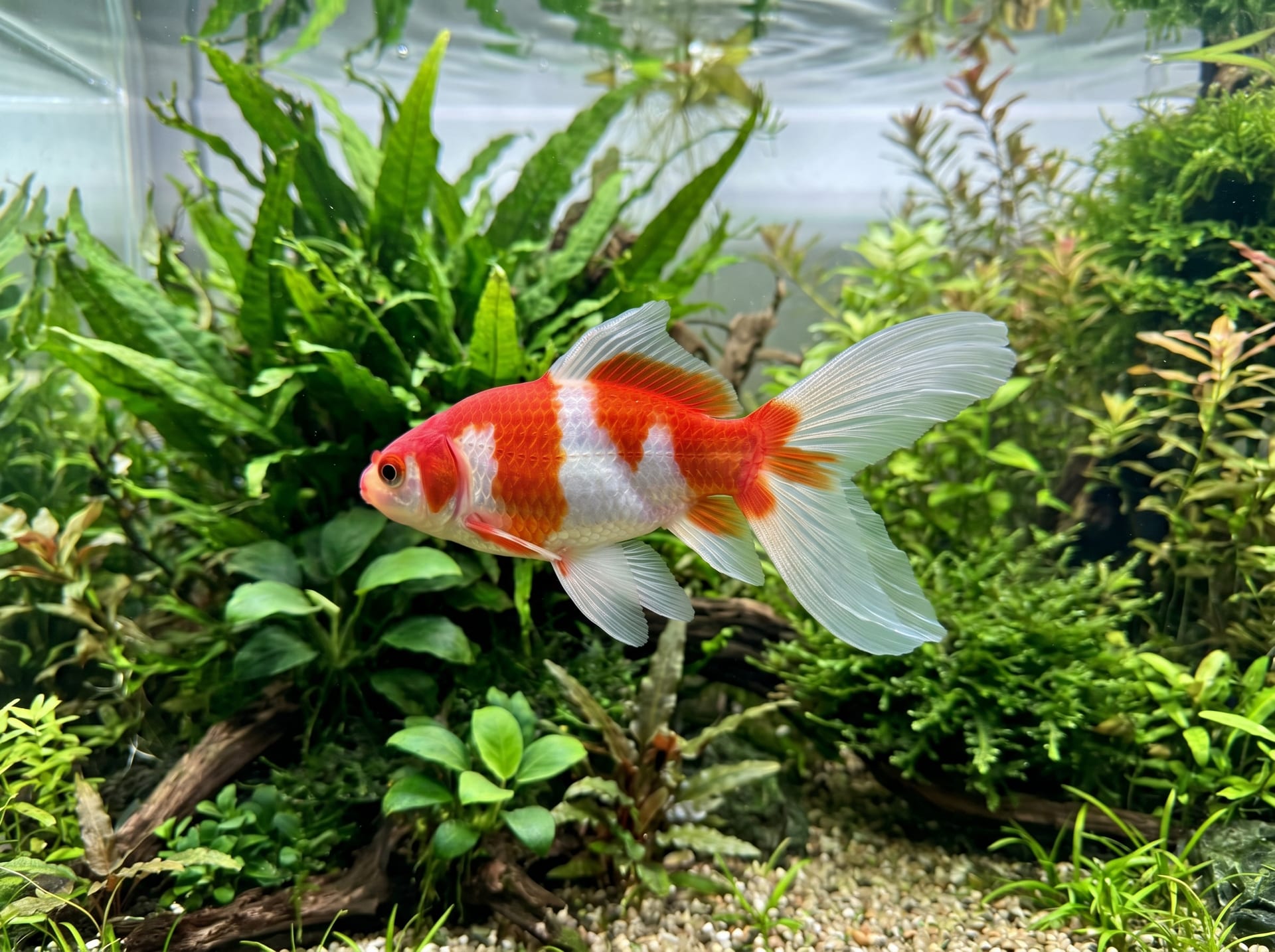
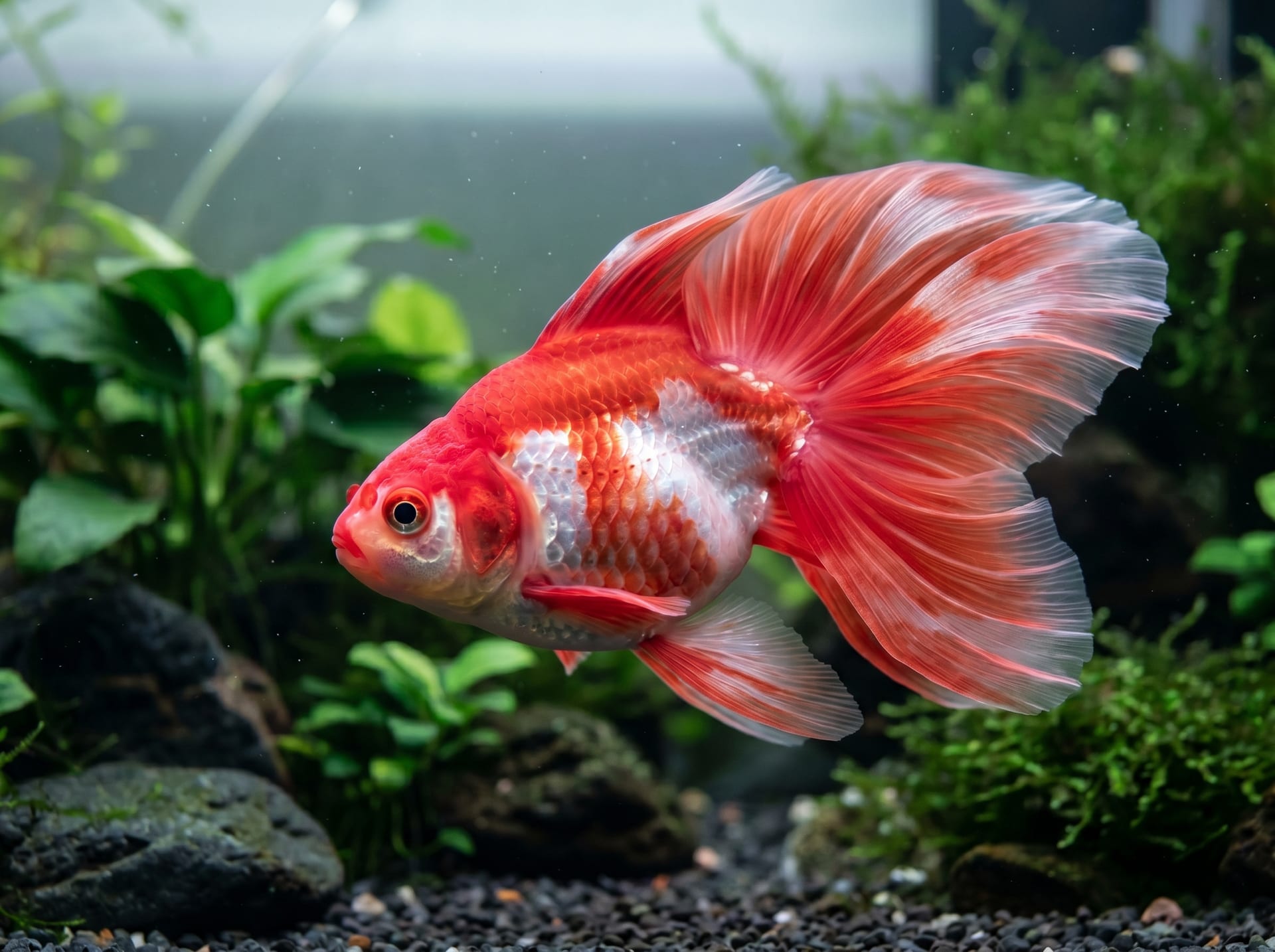
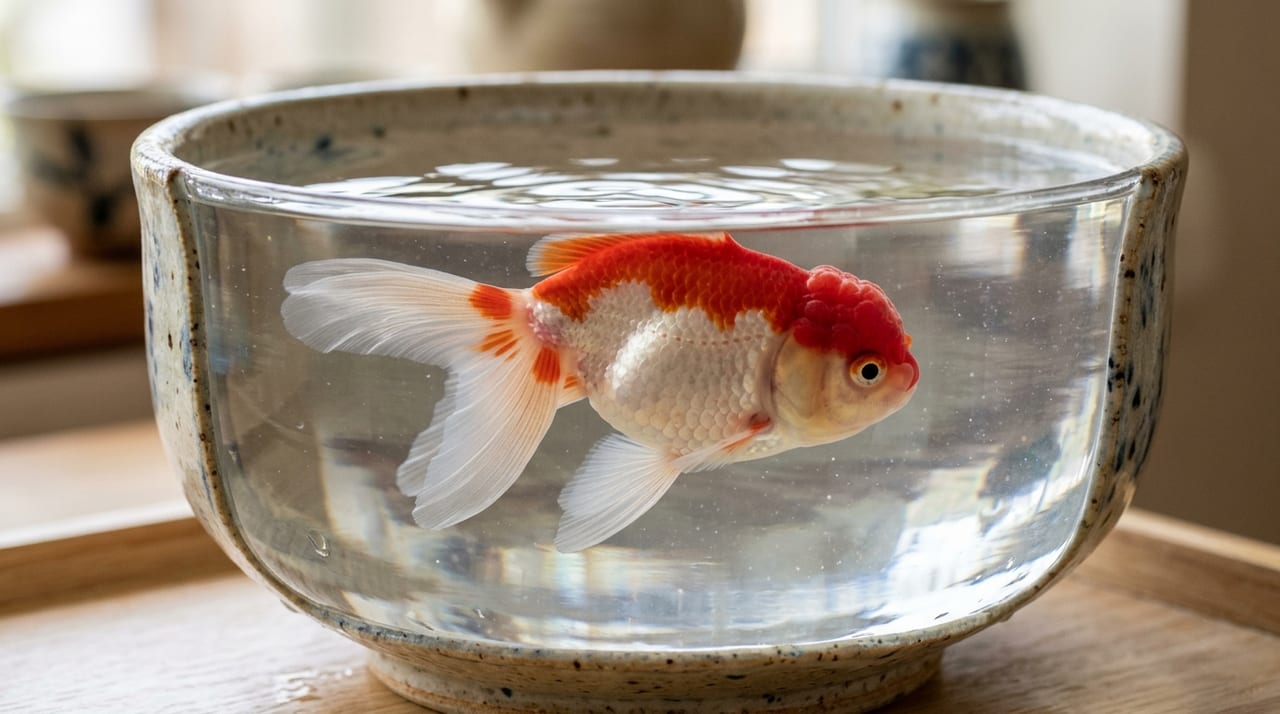
Goldfish are creatures deeply connected to Japanese culture. Since the Edo period, goldfish vendors have walked through streets, and goldfish scooping at summer festivals remains a summer tradition even today. When raising such goldfish, why not enjoy them in a Japanese-style layout that incorporates Japanese aesthetic sensibilities—"wabi-sabi," "ma" (negative space), and "the beauty of subtraction." This article explains practical methods for bringing the essence of Japanese gardens into aquariums and garden ponds.
Layout Principles Learned from Japanese Gardens
The Philosophy of "Mitate" (Conceptual Representation)
One of the fundamental philosophies underlying Japanese gardens is "mitate" (conceptual representation). This is a method of expression that condenses the vast natural world into a small space by envisioning stones as mountains, moss as grasslands, and ponds as seas. In goldfish aquariums too, this mitate approach is the shortest path to achieving beautiful Japanese-style layouts.
- Large lava stone → mountain, rocky shore
- White sand on the substrate → beach, dry landscape gravel
- Aquatic plants (Anacharis, water sprite) → reeds at water's edge, grass clusters
- Driftwood → decaying ancient trees, fallen trees
When you select materials with mitate thinking, a meaningful composition emerges. The key is not simply "arranging cool-looking stones," but holding an intention of "what you want to express." For those who wish to first establish how to select aquatic plants themselves, reading Goldfish Tank Water Plant Layout and Compatibility Guide together will make it easier to construct your composition.
The Importance of "Ma" (Negative Space)
In Japanese aesthetics, "ma" refers to the beauty of emptiness and negative space. While Western-style layouts fill space with materials, Japanese-style layouts intentionally create areas where nothing is placed.
To incorporate "ma" into your aquarium layout, keep the following in mind.
- Arrange materials in two-thirds or less of the tank space, leaving the rest open
- Symmetrical left-right layouts easily appear "too arranged." Create intentional asymmetry
- Leave the foreground substrate wide and empty (functioning as negative space)
- Keep the background from being too dark, allowing the water's clarity to shine
The Principle of "Subtraction"
"Subtraction rather than addition" is the aesthetic principle of Japanese design. When planning a layout, instead of simply including all the materials that first come to mind, carefully select only what is truly necessary.
The process of narrowing down materials while asking yourself "Would the message be lost without this?" enhances the refinement of a Japanese-style layout. The less information (fewer materials), the greater the presence of each individual element. If you wish to learn layout design more systematically as a whole, you can check various approaches beyond Japanese-style at Goldfish Tank Layout and Decoration Complete Guide.
Choosing Your Materials
Choosing Stones
Stone is the most important material for creating the framework of a Japanese-style layout.
Recommended Stone Types
- Azure Dragon Stone: Characterized by a bluish sharp silhouette. Suited for expressing mountains and rocky shores
- Black Dragon Stone: Black, subdued texture. Most suited to a wabi-sabi atmosphere
- Lava Stone (Volcanic Rock): Porous surface with a reddish tint. Also advantageous for bacterial colonization
- Petrified Wood: Fossilized material of wood turned to stone. Often has forms that evoke natural flow
Tips for Placing Stones
- Use stones from the same family (mixing different types loses cohesion)
- Combine stones of varying sizes: large, medium, and small ("tri-pinnacle" arrangement is most Japanese)
- Align the orientation of stones (be mindful of the direction they "face")
- Placing stones at an angle looks more natural (standing them vertically tends to look artificial)
Choosing Substrate
White Sand: Evokes dry-landscape garden gravel, creating the strongest effect of cleanliness and Japanese aesthetic. The contrast with the red and black coloring of goldfish is striking. However, dirt becomes visible easily, so frequent substrate cleaning is necessary.
Black Sand / Black Soil: Highly effective at enhancing the goldfish's coloration, creating a sophisticated Japanese atmosphere. Also practical as dirt is less visible.
Ohiso Sand: Medium-grain gray gravel. A natural texture reminiscent of Japanese river beds. The standard substrate with the best compatibility for goldfish keeping.
Caution: Substrate that is too fine will be uprooted by goldfish, easily collapsing your layout, so select sand with larger particles or fix the sand boundary with stones.
Choosing Aquatic Plants and Vegetation
Selecting aquatic plants that suit Japanese-style layouts allows you to create more realistic water-side scenery.
Submerged Plants (Compatible with Goldfish)
- Water Sprite: Fine, dark green narrow leaves that sway gently in the current. Grows even with low light
- Anacharis: Vibrant green. Strong enough to regenerate quickly even when eaten by goldfish
- Echinodorus Species: Medium-sized leaves that create a substantial Japanese aesthetic
Emergent and Semi-aquatic Plants (For Outdoor Use)
- Water Lily: When floated on a garden pond, it becomes a Japanese garden scene itself. Perfect if flowers bloom
- Japanese Iris / Rabbit-ear Iris: Traditional Japanese flowers blooming at water's edge
- Water Poppy (Yellow Water Flower): Yellow flowers harmonize with a wabi-sabi atmosphere
Caution: Goldfish may eat or uproot aquatic plants. Single-tail varieties like Japanese goldfish in particular have vigorous appetites, so either select hardy plants that can be eaten without consequence, or plant them in pots fixed with stones.
Using Driftwood
Driftwood is a material that adds "time" and "narrative" to your layout.
- Prone Driftwood (spreading horizontally): Suited for expressing flow along the substrate
- Upright Driftwood (tall and narrow): Evokes decaying ancient trees and fallen trees
- Root-form Driftwood (root-like): Expresses tree roots spreading into the water
Limit driftwood to one or two pieces. Overusing it creates an impression of "dense forest," losing the "ma" (negative space) of Japanese gardens.
Japanese-Style Layouts for Outdoor Ponds
An outdoor garden pond is the stage where Japanese-style layouts can be most fully realized. If you wish to go one step further and incorporate the natural water circulation unique to garden ponds, the natural filtration concepts introduced in Goldfish Earthen Pond and Natural Keeping Complete Guide pair well with Japanese water-landscape creation.
Stone Arrangement Basics
For garden pond stone arrangements, "looking natural" is crucial.
- Arrange medium and small stones irregularly around a central large stone (avoid symmetry)
- Partially burying stones in soil or water creates a sense of "having always been there"
- Allowing moss to grow between stones adds history and refinement
Landscaping Around the Pond
Planting low-growing Japanese-style plants around the pond quickly brings the entire setting into harmony.
- Moss: Moss spread around stones creates the most Japanese atmosphere. Moss care requires adequate moisture
- Bamboo grass / Bamboo: Creates privacy screening and charm simultaneously
- Low shrubs (Azalea, Satsuki, Nandina, etc.): Beautiful harmony with the pond when flowers bloom
Enjoying the Underwater View
For outdoor ponds, viewing goldfish from above ("uwami") is the standard. When water is clear enough to see the pond bottom, the movement of goldfish and the contrast with the bottom stones and sand create a beautiful scene.
- Lay large-grain gravel or stones on the pond bottom
- Add variation to underwater stone arrangements (create height differences and depressions)
- Keep water lilies to about one-third of the pond surface, ensuring open water surface areas
Lighting and Water-Landscape Presentation
For indoor aquariums, lighting choice greatly influences the impression of your layout.
White / Neutral White: Goldfish coloration appears sharp and clear. Photographs well Warm White (Incandescent): Soft, warm light. Suits a Japanese atmosphere reminiscent of an evening veranda Spotlighting: Directing light to specific stones or plants creates a theatrical effect
Japanese-style layouts blend most naturally with warm white or warm-toned lighting, and the red and orange coloring of goldfish becomes even more striking.
Incorporating Seasonality
The beauty of Japanese gardens lies in seasonal change. Try incorporating seasonal elements into your goldfish tank as well.
- Spring: Green new shoots of aquatic plants, water lily new leaves spreading across the water surface
- Summer: Water lily flowers, the shimmer of light filtering through the water
- Autumn: Add red stones and brown driftwood reminiscent of autumn foliage
- Winter: Simplify materials, creating a "snowy landscape" composition of white sand and stones only
Gradually adjusting your layout with the seasons makes daily observation more enjoyable.
Goldfish Varieties and Layout Compatibility
Here are goldfish varieties that particularly stand out in Japanese-style layouts.
Sarasa Goldfish: Red and white checkered patterns stand out against white sand and blue stone, creating the most distinctly "goldfish-like" Japanese aesthetic.
Edo Nishiki: Calico coloring in black, red, and white creates an impression as bold as ink wash painting.
Tosa Goldfish: The elegant undulation of their distinctive inverted tail fin in water creates a striking presence within a simple Japanese-style layout.
Ranchu (Sarasa): The dignified head with developed wen and their leisurely swimming harmonize with a wabi-sabi aesthetic.
Finding Japanese Goldfish on BreederDirect
To achieve a more refined Japanese-style layout, careful selection of beautiful goldfish is essential. On BreederDirect, breeders who are particular about coloration, body shape, and scale quality sell directly, and you can consult with breeders before purchase about specific needs like "I'm looking for a sarasa-patterned individual suited to a Japanese-style tank." Please find at BreederDirect a water landscape infused with Japanese aesthetic sensibility and the perfect goldfish to be its star.