Complete Guide to Goldfish Tank Layout & Decoration | Japanese & Modern Styles
Learn about layout materials suitable for goldfish, Japanese and modern styles, and tips for choosing aquatic plants.
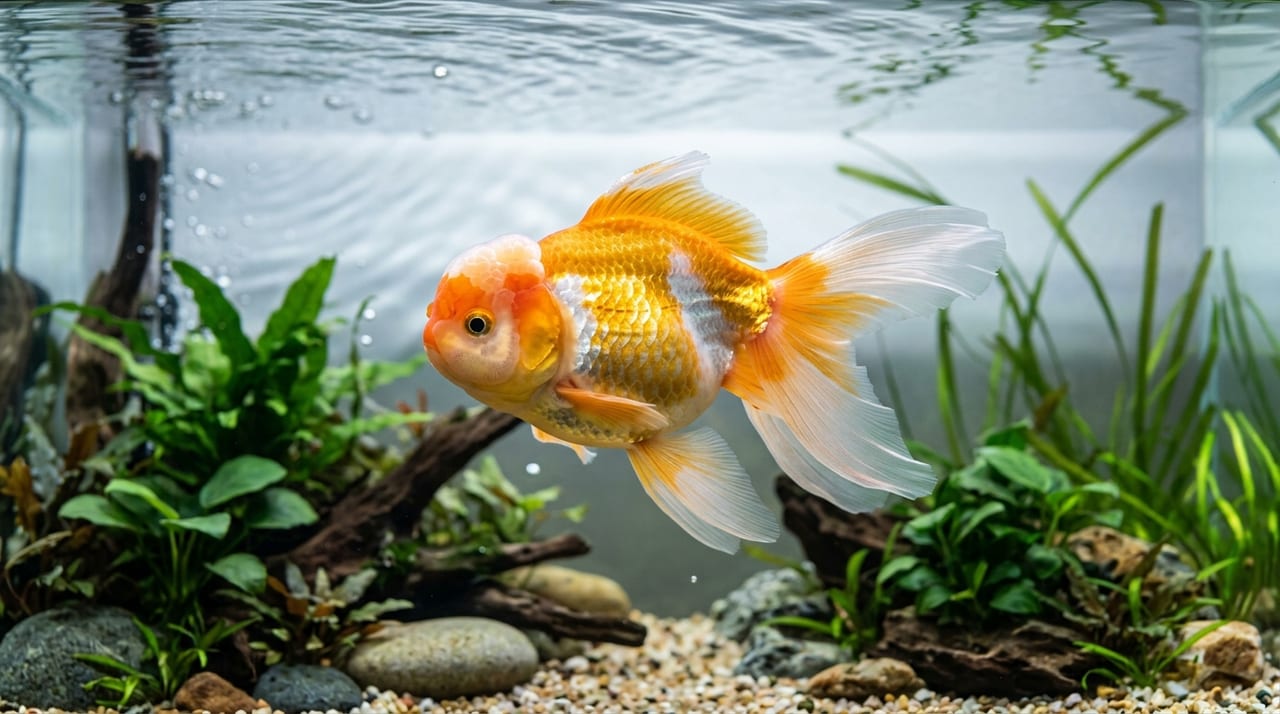
Key Takeaways
Learn about layout materials suitable for goldfish, Japanese and modern styles, and tips for choosing aquatic plants.
Related Species
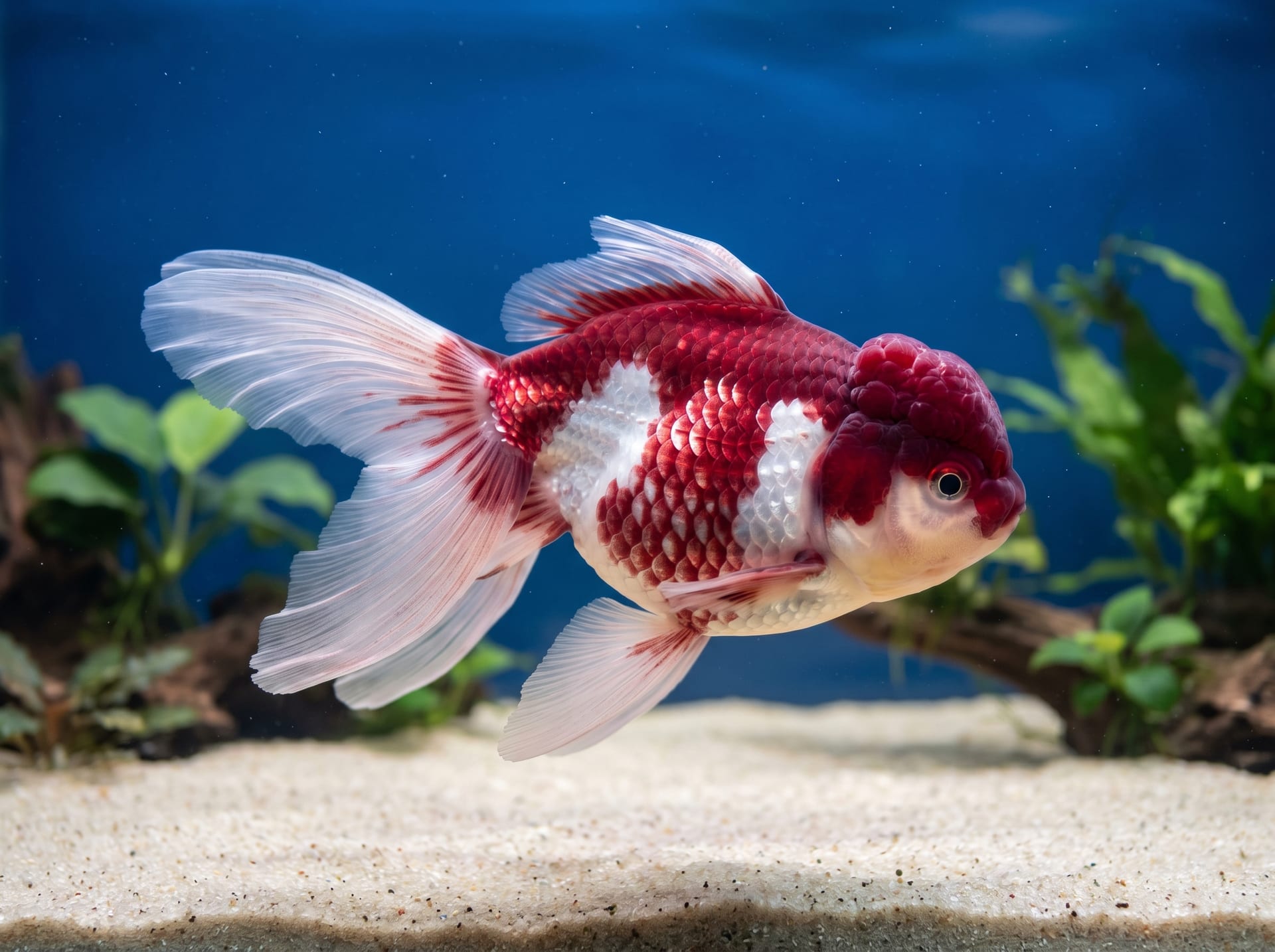
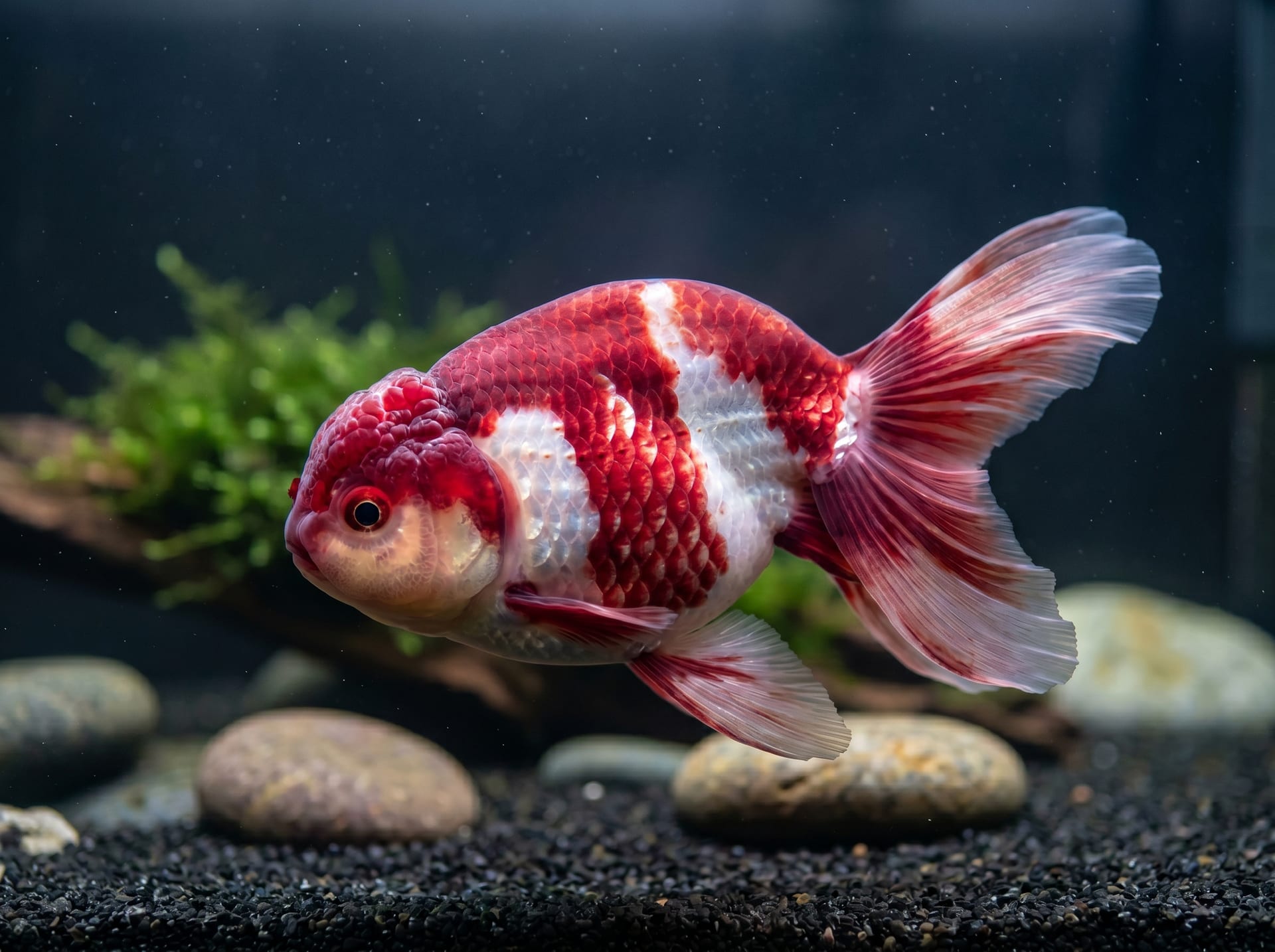
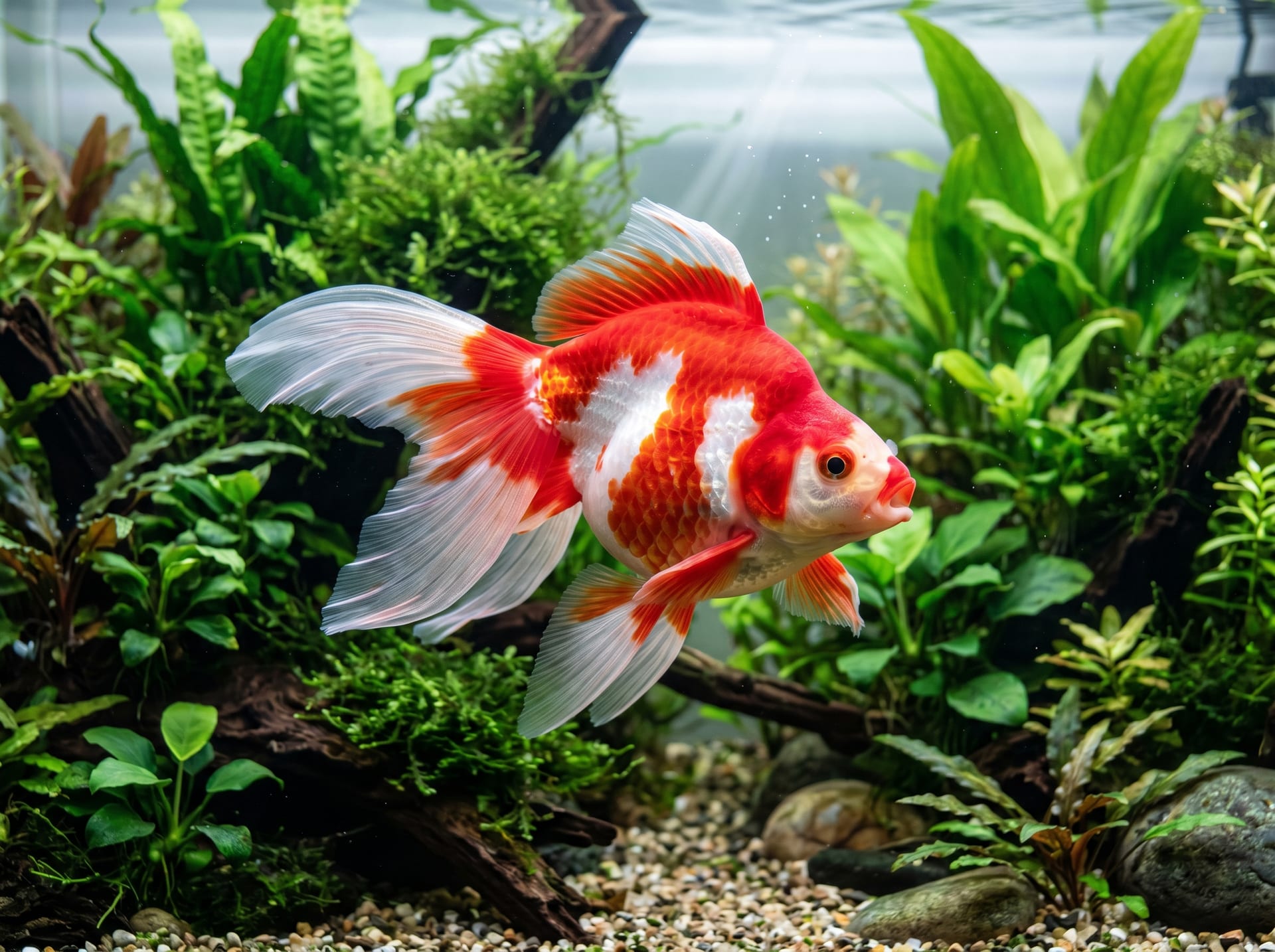
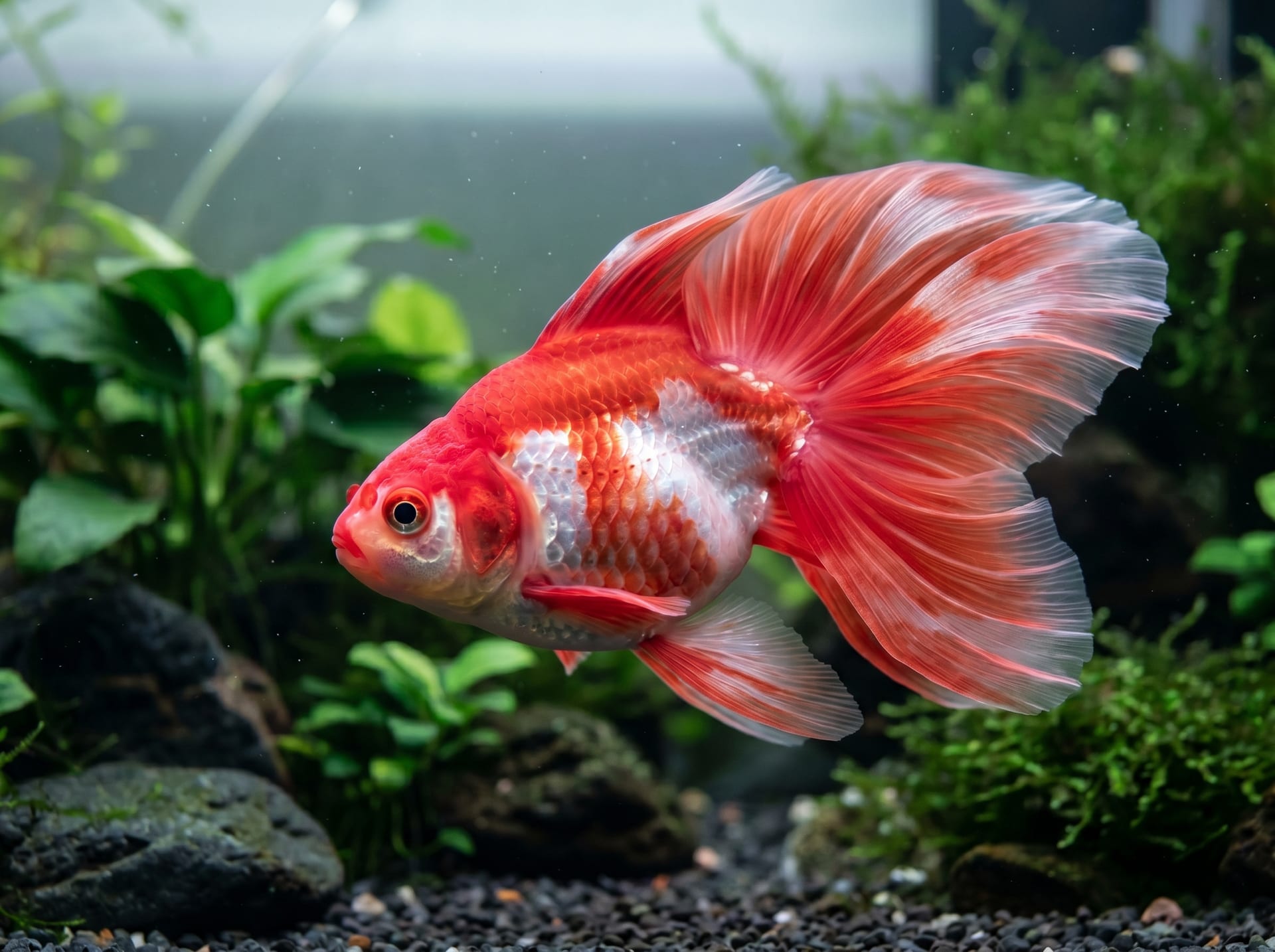
A goldfish tank is more than just a breeding container—it's a beautiful aquarium to enjoy as interior decoration. However, because goldfish have the habit of eating aquatic plants and overturning gravel, tank layouts require different considerations than tropical fish setups. This article explains how to create beautiful and practical goldfish tank layouts, from traditional Japanese to modern styles, taking into account goldfish behavior.
Basic Principles for Goldfish Tank Layouts
When planning a goldfish tank layout, you first need to understand goldfish-specific behaviors.
- Eating aquatic plants: Goldfish have a strong herbivorous tendency and will almost certainly eat soft aquatic plants. When choosing plants for your layout, select them with the expectation that they will be eaten.
- Digging in gravel: They have a habit of searching for food by taking mouthfuls of substrate and spitting it out. Avoid light sand or gravel that is too small.
- Swimming space is essential: Goldfish grow surprisingly large. Don't use layout materials that excessively narrow their swimming space.
- Many varieties dislike strong currents: Ryukin and ranchu and other round-bodied varieties struggle with strong water flow. Using layout materials to disperse the current is an effective technique.
- Risk of injury: Long-finned varieties can injure themselves on sharp stones or objects. Choose smooth, rounded materials.
Keep these points in mind as you aim to create a layout that balances visual beauty with your goldfish's comfort.
Creating a Japanese-Style Layout
Japanese-style layouts are the most compatible with goldfish. Japan's traditional aesthetic perfectly harmonizes with the elegance of goldfish.
- Substrate: Ōiso sand (medium grain) is the standard choice. Its natural color beautifully showcases the goldfish's coloring. Mixing in five-color gravel adds vibrancy.
- Rock arrangements: Use rounded stones such as volcanic rock or slate. Arranging them in odd numbers (3 or 5) aligns with Japanese aesthetic principles.
- Driftwood: Place 1-2 pieces of pre-treated driftwood. Choose pieces with minimal branches so goldfish won't get caught.
- Aquatic plants: Attach Anubias nana to driftwood or rocks. Its firm leaves make it resistant to goldfish nibbling.
- Japanese-style ornaments: Place miniature ceramic bridges or lanterns. Ensure the materials won't affect water quality.
- Background: Japanese washi-style or ink painting-inspired backgrounds enhance the ambiance.
The key to Japanese-style layouts is valuing "empty space." Rather than crowding the tank with materials, leaving open swimming space for goldfish makes the fish themselves the focal point. Varieties like tancho and solid-colored goldfish with sleek body shapes pair especially well with Japanese-style layouts that embrace negative space.
Modern Style Layouts
Sleek and sophisticated modern style is perfect for those who want a goldfish tank that fits contemporary interior design.
- Substrate: White decorative sand or crystal sand creates a clean aesthetic. Black soil can also produce a chic atmosphere.
- Rock arrangements: Use white marble-like stones or black basalt to create a monochrome look. Unify the composition with stones in the same color family.
- Artificial plants: High-quality silk artificial plants eliminate the worry of being eaten and maintain their beauty consistently.
- LED lighting: RGB dimmable LEDs let you change light color by time of day. Blue lighting in the evening creates a magical effect.
- Glass ornaments: Transparent glass ornaments shine beautifully underwater. However, choose pieces without sharp edges.
- Minimalist design: Modern style is based on using as few materials as possible, ideally just 1-2 types of elements.
The tank's design itself is important in modern style. Frameless or all-glass tanks and cube tanks create an even more stylish impression.
Choosing Aquatic Plants Suitable for Goldfish
When adding plants to a goldfish tank, there are two approaches: choosing plants that are "difficult to eat" and choosing plants that are "easy to replenish if eaten."
- Anubias nana: A top candidate with firm leaves that resist goldfish nibbling. Attach it to driftwood or rocks.
- Microsorum: A fern-type plant with firm leaves. Goldfish don't favor it much, so it tends to remain intact.
- Willow moss: Creates a natural look when attached to stones or driftwood. While goldfish nibble at it, it grows quickly.
- Hornwort: Easily eaten by goldfish, but grows so quickly that replacement is easy. Can also be used floating.
- Cabomba: Beautiful in appearance but a goldfish favorite. Treat it as a consumable to be regularly replenished, assuming it will be eaten.
- Artificial plants as an option: High-quality artificial plants are the best choice if you want to avoid herbivory completely. Recent products are quite realistic.
Aquatic plants also serve as hiding places for goldfish, so even if you include artificial plants, having at least some live plants is effective for reducing stress. Approach it with the mindset that if plants get eaten, you simply replace them.
Selecting Layout Materials and Important Considerations
The materials you put in your tank must be safe as well as attractive. Avoid materials that are dangerous to goldfish.
- Choosing rocks: Limestone-based rocks that raise pH are fine in small amounts, but large quantities will alter water quality. Rocks that bubble when vinegar is applied are limestone-based.
- Processing driftwood: Always tannin-leach the wood before use. Insufficient leaching will tint the water brown.
- Substrate grain size: 2-5mm is ideal for goldfish to hold in their mouth. Larger sizes trap food, while smaller sizes risk accidental ingestion.
- Painted decorations: Paint may leach into the water. Use aquarium-specific products.
- Metal items: Rust and release harmful substances underwater. Never use them.
- Shells and coral: Raise pH. Goldfish prefer neutral to slightly alkaline water, so small amounts are fine, but avoid excessive use.
When purchasing materials, choose products specifically marked "for aquarium use" from an aquarium specialty shop. This is the safest option. Items from dollar stores and general retailers have unclear effects on water quality and carry risk.
Layout Tips for Easy Maintenance
Even beautiful layouts won't last long if maintenance is difficult. Prioritize layouts that are easy to clean.
- Use thin substrate layers: Thick layers accumulate debris. 1-2cm is easiest to maintain.
- Easy-to-remove placement: Arrange rocks and driftwood so they're easy to remove. Use adhesive minimally, if at all.
- Avoid dead zones: Poor water circulation accumulates debris. Ensure waste doesn't build up behind layout materials.
- Algae prevention: Keep the tank out of direct sunlight. Limit lighting to 8-10 hours daily.
- Maintain water change access: Keep space around the tank for water changes. Position it for easy use of a siphon gravel cleaner.
You can keep your layout clean by periodically resetting it (removing and rearranging everything). Making a habit of resetting every 3-6 months will keep your tank always looking beautiful.
Finding Eye-Catching Goldfish on BreederDirect
On BreederDirect, you can purchase various goldfish varieties directly from breeders. Matching fish varieties to your layout style is another part of the fun. Try consulting with breeders to find your ideal combination—ranchu or tosa-kin for Japanese-style layouts, or sarasa ryukin and oranda for modern styles.