Goldfish Food & Feeding Guide | Types and Quantity Guidelines
Explains the types of food suitable for goldfish (floating, sinking, and live food) and the correct feeding amount and frequency. Also covers seasonal feeding adjustments, methods to prevent digestive issues, and foods that enhance color.
Key Takeaways
Explains the types of food suitable for goldfish (floating, sinking, and live food) and the correct feeding amount and frequency. Also covers seasonal feeding adjustments, methods to prevent digestive issues, and foods that enhance color.
In goldfish care, feeding is one of the most important daily tasks alongside water quality management. Choosing the right food and managing quantities properly is the key to keeping healthy goldfish for a long time. Conversely, many goldfish become ill or die due to poor water conditions caused by feeding mistakes. This guide covers practical information on food types, quantities, frequency, and breed-specific considerations.
✍️
BreederDirect Editorial
The BreederDirect editorial team specializes in care information for animals, covering veterinary care and breeding to deliver beginner-friendly guides.
Find Goldfish on BreederDirect
Buy directly from verified breeders
Browse Related Listings
Find Goldfish listings related to this article on BreederDirect. Buy directly from verified breeders.
There are various types of goldfish food available on the market, and it's important to choose the right one based on your purpose and tank setup.
Flake type: Floats easily on the water surface and is easy to digest. Ideal for beginners and allows you to observe the goldfish feeding. However, be careful not to overfeed as it can dirty the water easily
Pellet type: Available in both floating and sinking varieties. Floating pellets make it easy to check for uneaten food and are easier to manage. Sinking pellets are effective for breeds prone to swim bladder disease (ryukin, pingpong pearl, etc.)
Gel food: Does not dirty the water much and is excellent for digestive absorption. Somewhat expensive, but a good choice if prioritizing health
Live food (bloodworms, daphnia, brine shrimp): Very palatable and effective for nutritional supplementation before breeding season and for raising fry. Frozen types are easy to manage
Dried food: Bloodworms or daphnia that have been dried. Easier to manage than live food and can be used as an occasional treat
The ideal combination is using pellets or flakes as the main food to maintain nutritional balance, supplemented with live or dried food several times a week. If you want to maintain beautiful body color, also refer to Goldfish Color-Enhancing Diet Guide.
Daily Feeding Amount and Frequency Basics
Overfeeding is the biggest cause of poor water quality. Uneaten food sinks to the bottom, rots, and creates a vicious cycle of rapidly rising ammonia levels. Use the following guidelines as your standard.
Amount per feeding: Enough to be completely eaten within 5 minutes. While theoretically 1–3% of body weight, practically speaking, visual observation of whether food is completely consumed is the most reliable method
Frequency: 2 times daily (morning and evening) is standard. Giving one feeding in the morning and one in the evening is ideal as it allows the digestive system to rest
Post-feeding check: If there is uneaten food 5–10 minutes later, reduce the amount at the next feeding. Developing the habit of removing leftover food with a net or siphon will stabilize water quality
Adjusting Feeding Amount by Water Temperature
Goldfish are cold-blooded animals, so as water temperature drops, the activity of digestive enzymes declines and digestive capacity decreases significantly. Adjusting feeding according to the season is essential.
25–28°C: Optimal temperature with highest digestive activity. Feed standard amount twice daily
20–24°C: Standard breeding temperature. No issues with twice-daily feeding
15–19°C: Digestion slows, so reduce amount to about half and feed 1–2 times daily
10–14°C: Feed once daily in small amounts only. Choose gel food or fine flakes that are easy to digest
10°C or below: Feeding can be largely stopped. Goldfish's metabolism becomes extremely slow and they can easily survive several weeks without food. Forcing food on them risks digestive issues or swim bladder disease
If you maintain consistent indoor temperatures around 25°C year-round using a heater, feeding management can remain the same regardless of season. For summer heat management, also see Summer Heat Care Guide.
Foods to Avoid and Storage Precautions
It's also important to know what foods are harmful to goldfish.
Human food (bread, rice, noodles, etc.): Salt, oils, and additives are harmful to goldfish and can damage the digestive system
Vegetables with pesticide residue: Some vegetables can be given in small amounts if thoroughly washed, but pesticides can be fatal
Old food: Once opened, food oxidizes and deteriorates from air and moisture exposure. Keep the lid tightly closed, store in a cool dark place, and use within about 3 months of opening
Spoiled live food: Even frozen live food deteriorates with long-term storage. Never re-freeze after thawing
Feeding Tips by Goldfish Variety
Goldfish come in many breeds with different body shapes, and digestive tract shapes also vary. The appropriate food types and feeding methods differ by breed, making it important to understand each individual's characteristics.
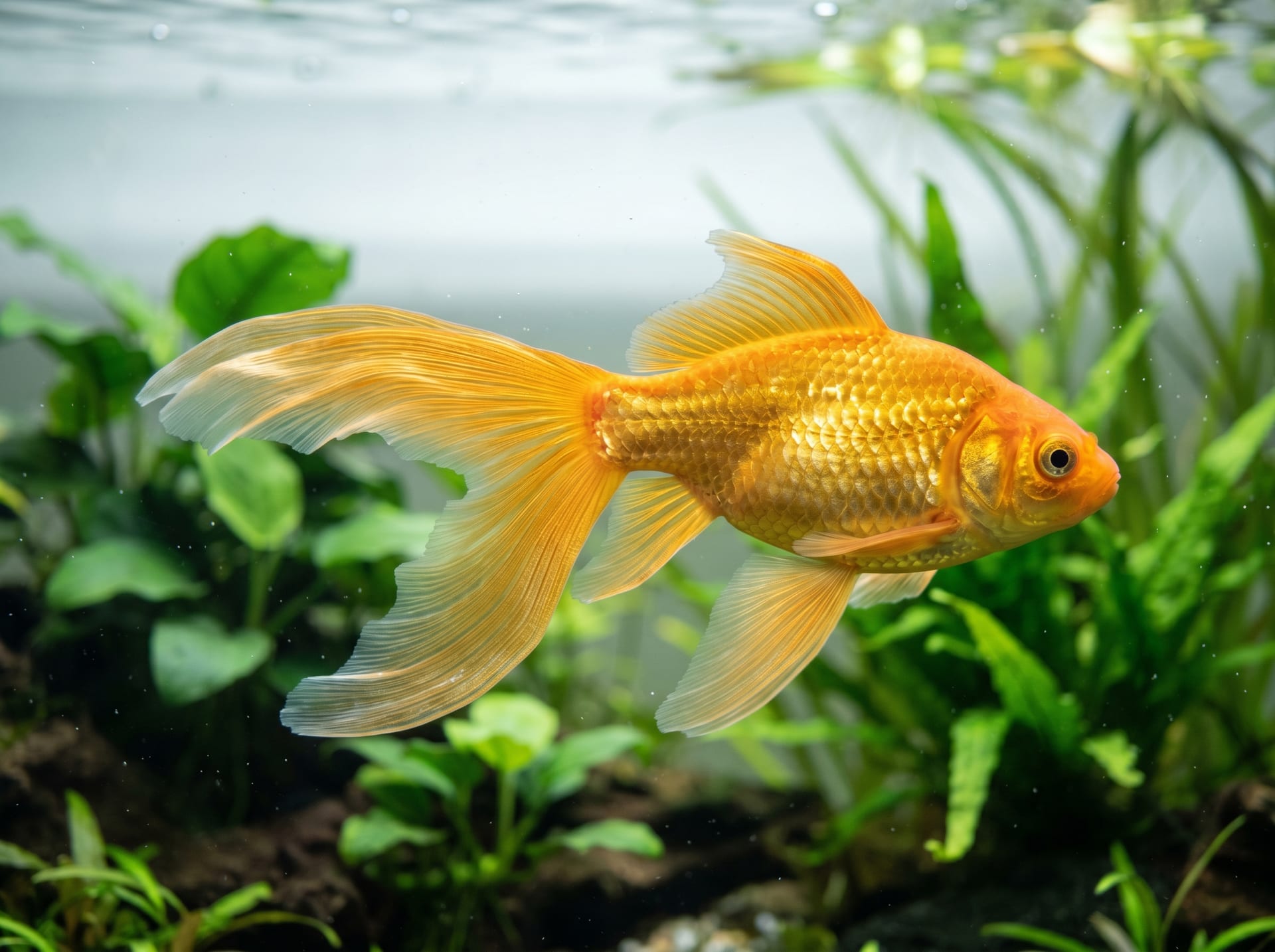
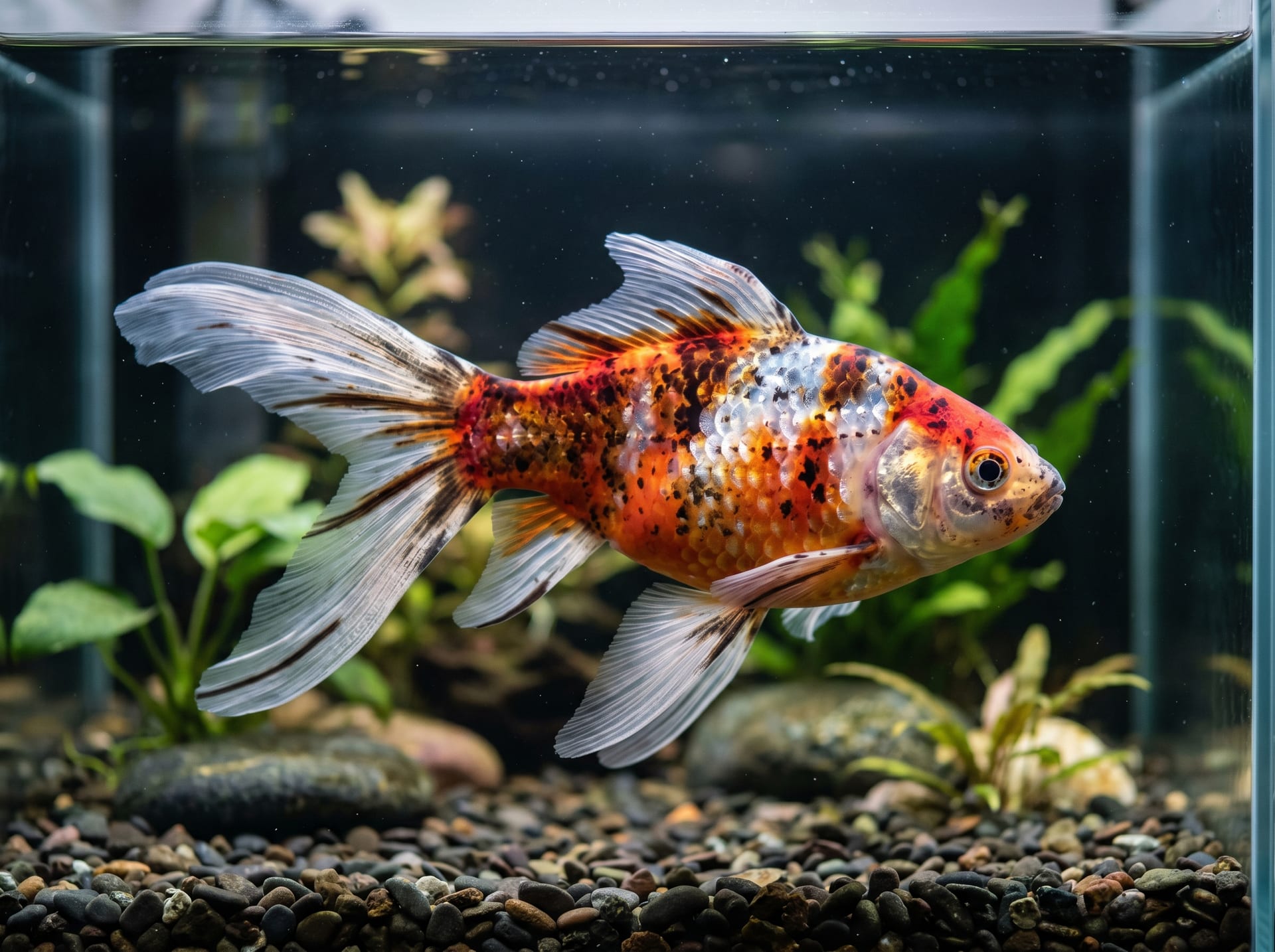
Wakin, comet, and sarasa comet: Elongated body shape with straight digestive tracts. Active movement results in high metabolism and they digest standard amounts without issue
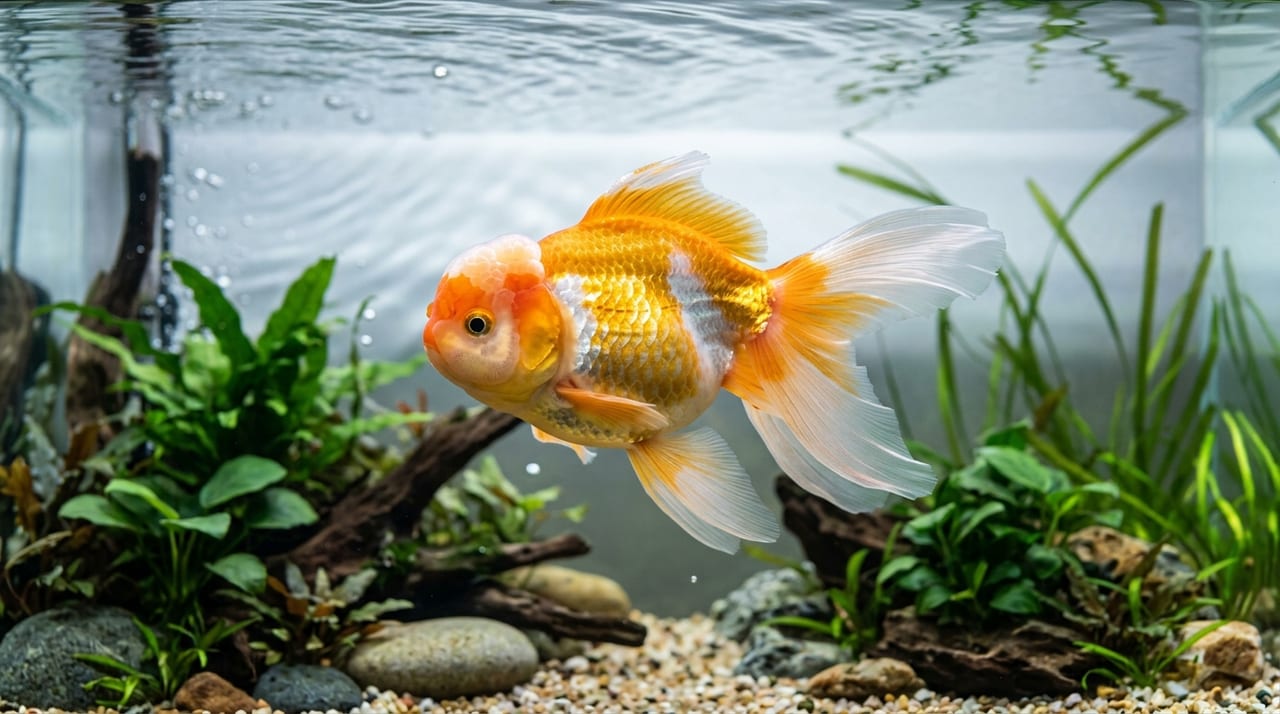
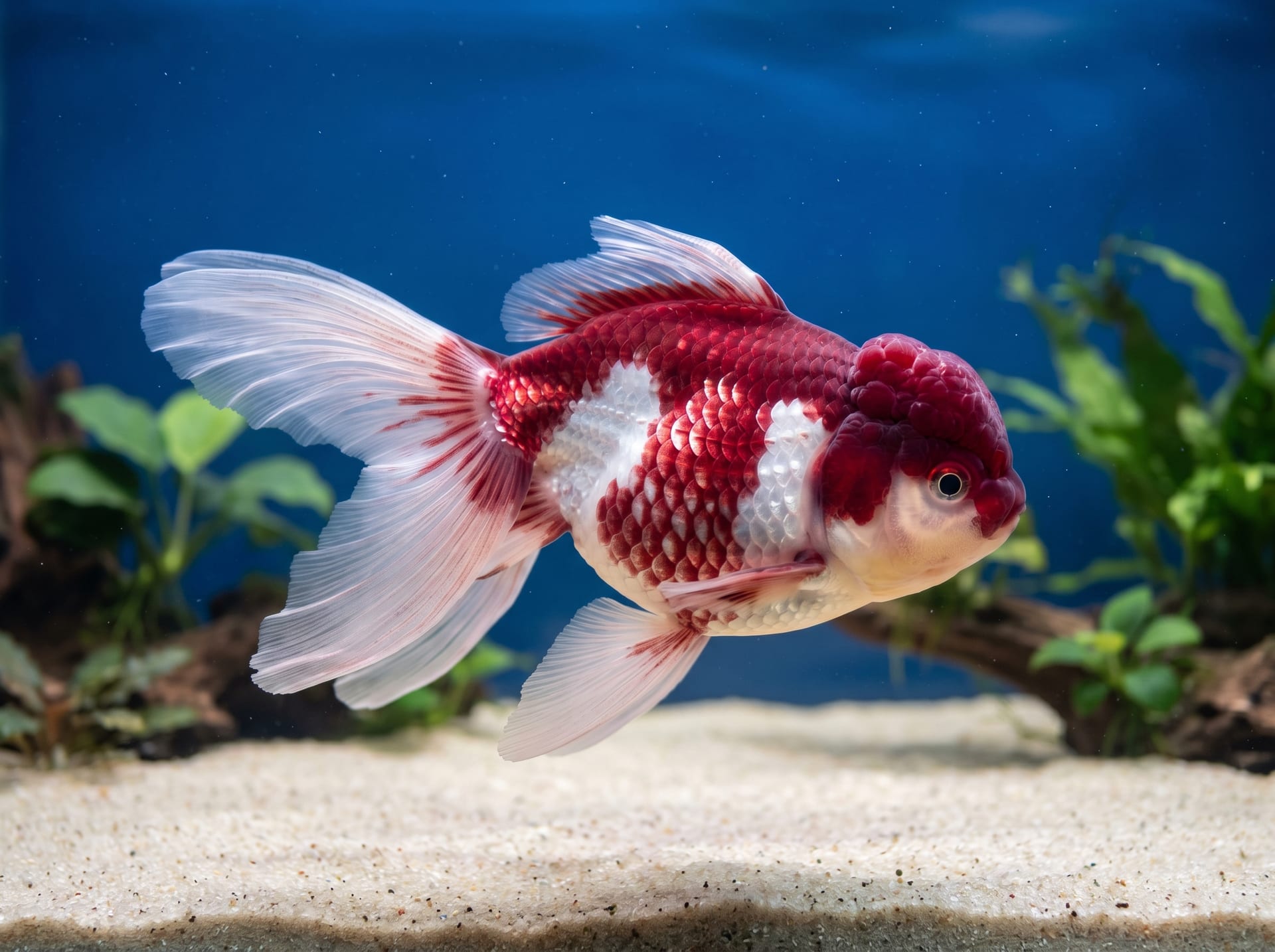
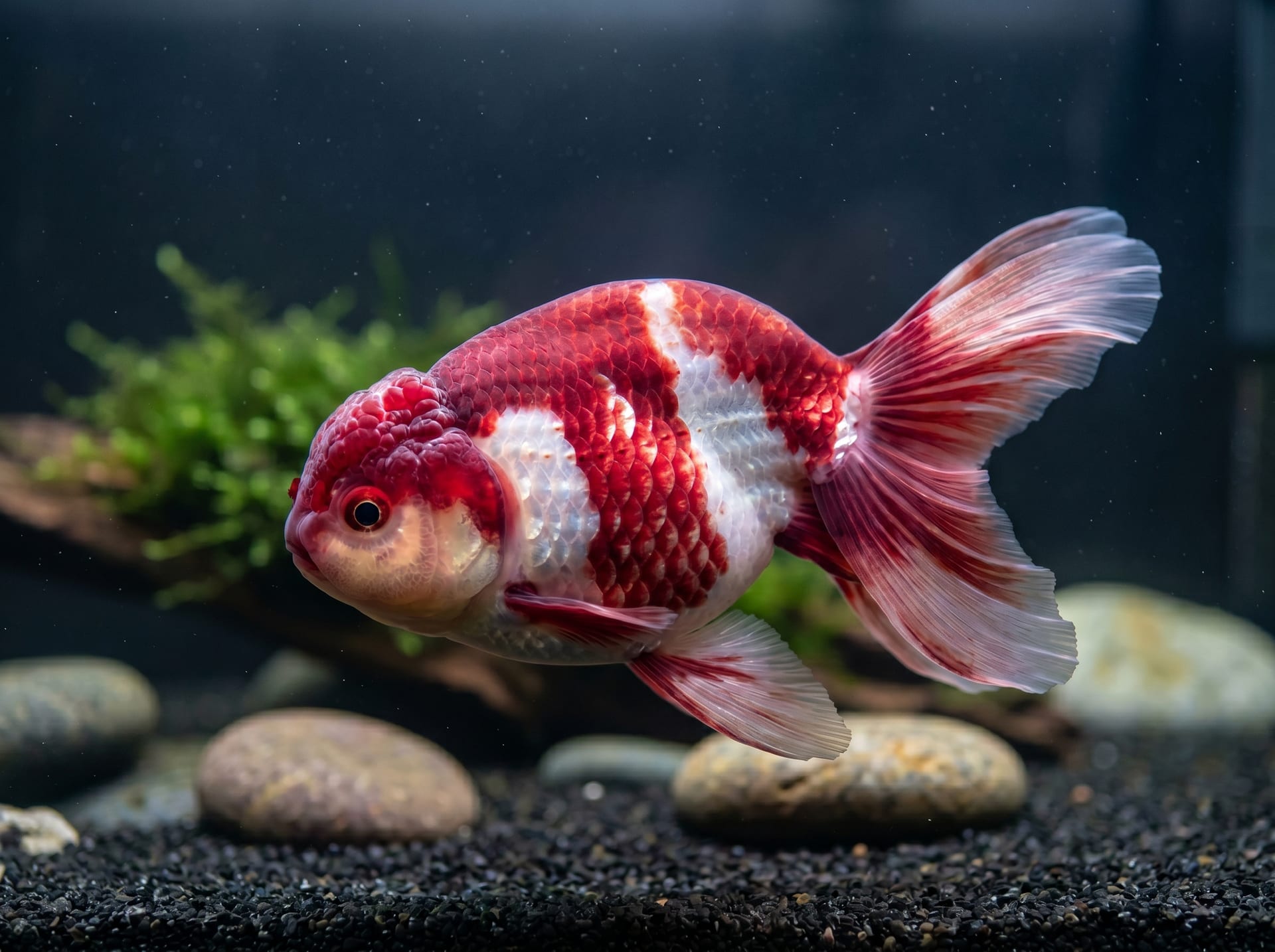
Ryukin, pingpong pearl, and oranda: Round body shape makes the digestive tract more prone to compression and swim bladder disease is common. Floating pellets are easily swallowed with air, so sinking pellets are recommended. Feeding small amounts gradually rather than large amounts at once is safer
Ranchu: Ideally fed at water temperatures around 25°C to promote digestion. Be especially cautious with feeding in winter without a heater. Choose easily digestible specialty food
Telescope goldfish: Protruding eyes limit their field of vision, making it difficult to find sinking food. Use floating food and feed while confirming they eat the amount at the water surface
When purchasing goldfish directly from breeders, checking the types of food currently in use beforehand can minimize stress from environmental changes. Especially for young fish and fry, which are sensitive to water quality and food changes, it's safe to use the same food for 1–2 weeks while gradually switching. On Br-choku's goldfish category, you can directly consult with breeders about care environments and food details while finding your ideal fish. Bring home a healthy individual and enjoy long-term care.