Goldfish Digestive Health Guide | Feeding Methods to Support Digestion and Prevention of Swim Bladder Disorder and Constipation
A comprehensive guide focusing on goldfish digestive systems. Detailed explanations of choosing easily digestible food, feeding frequency/quantity/methods, practical techniques to prevent swim bladder disorder and constipation, and body-type-specific precautions.
Key Takeaways
A comprehensive guide focusing on goldfish digestive systems. Detailed explanations of choosing easily digestible food, feeding frequency/quantity/methods, practical techniques to prevent swim bladder disorder and constipation, and body-type-specific precautions.
Goldfish Digestive System and Health Relationship
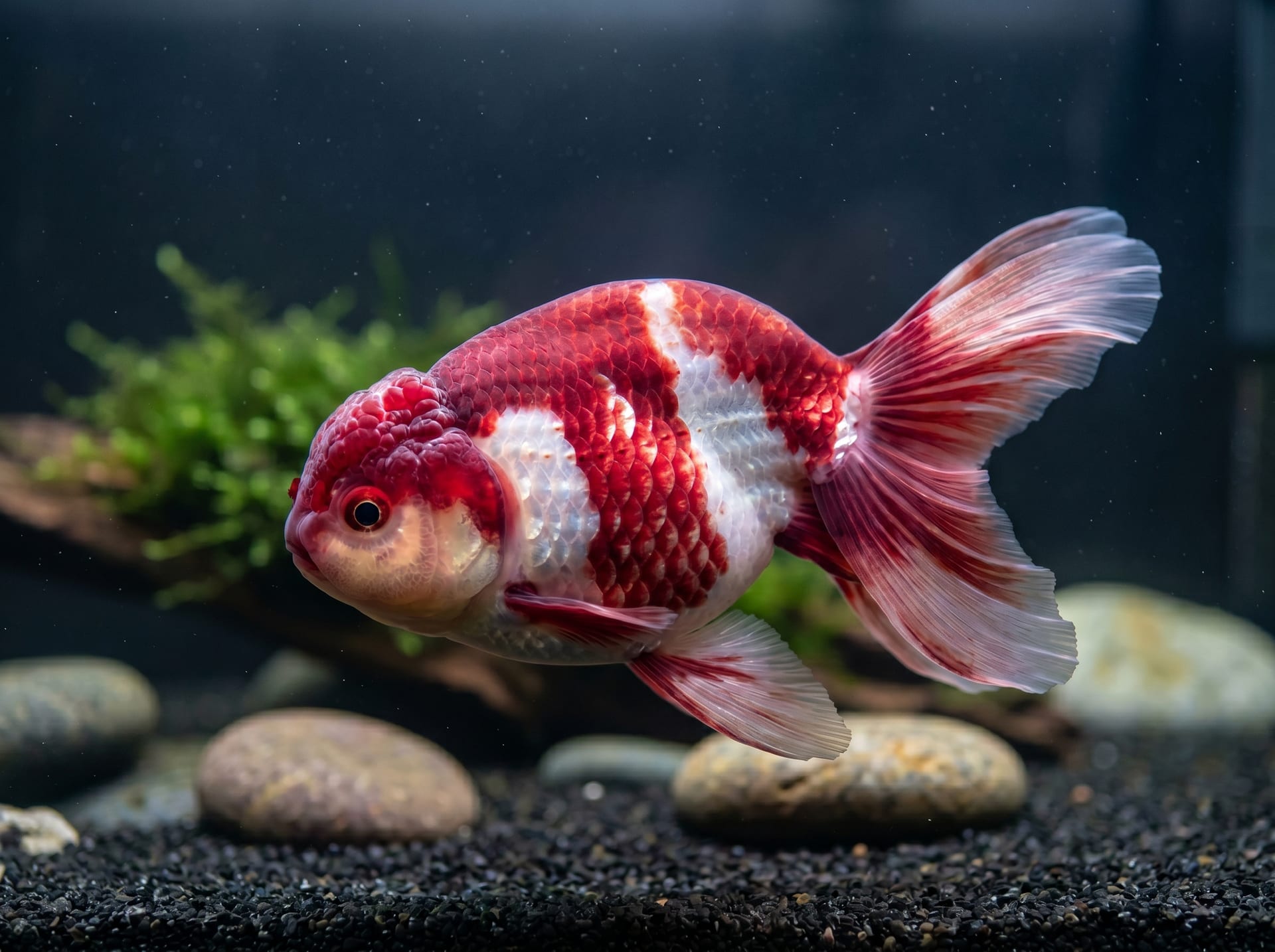
In goldfish health management, the condition of the digestive system is extremely important. Especially for round-bodied goldfish (such as Ryukin, Ranchu, and Ping Pong Pearl), their short and compressed body shape puts pressure on the digestive organs, making digestive problems more likely to occur.
Goldfish are "stomachless fish" without a stomach. Food travels from mouth → esophagus → intestine, and since the intestines are short relative to their body length, overeating causes the digestive system to fall behind and problems occur.
Choosing Easily Digestible Food
Choosing by Body Type
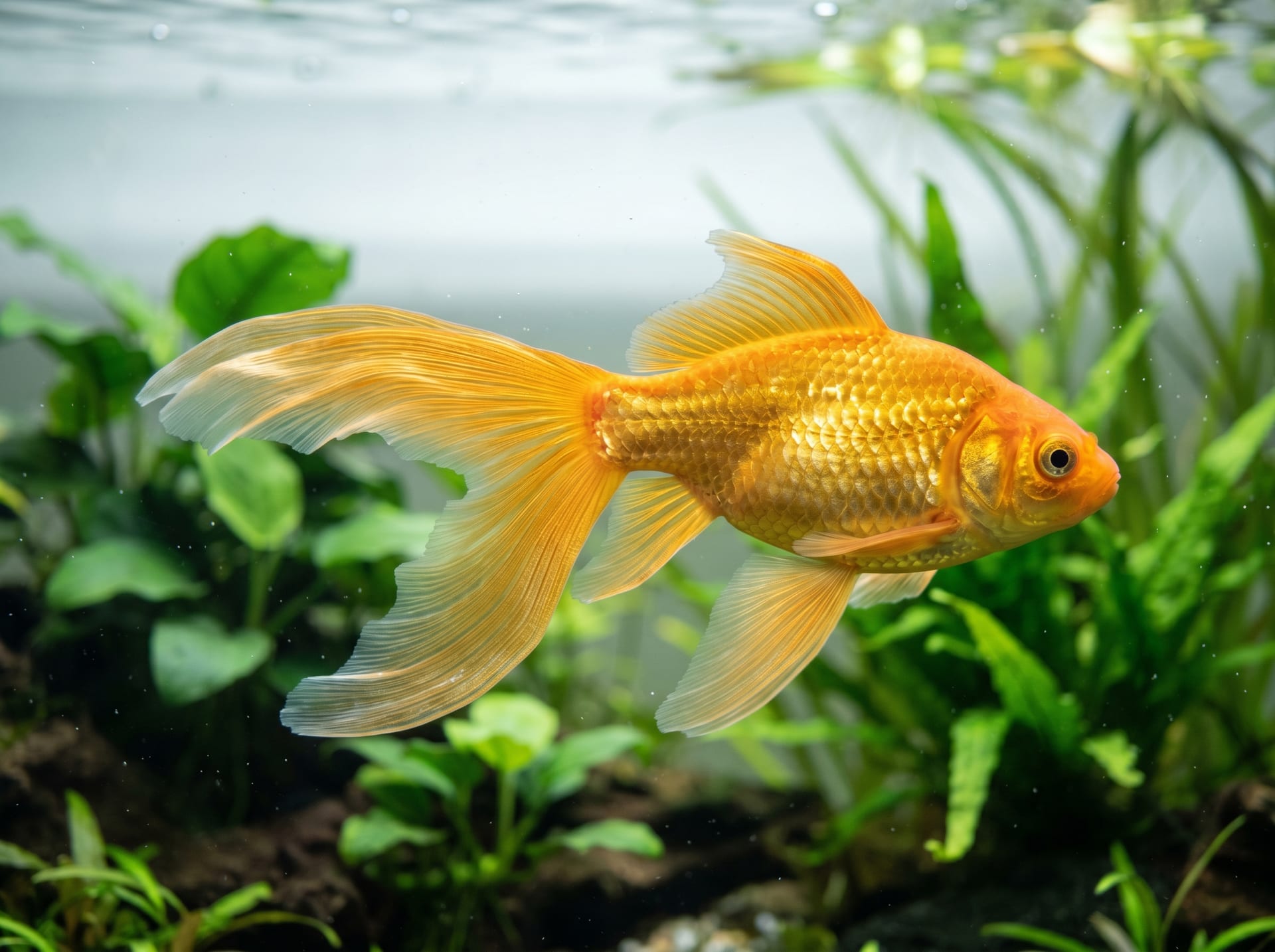
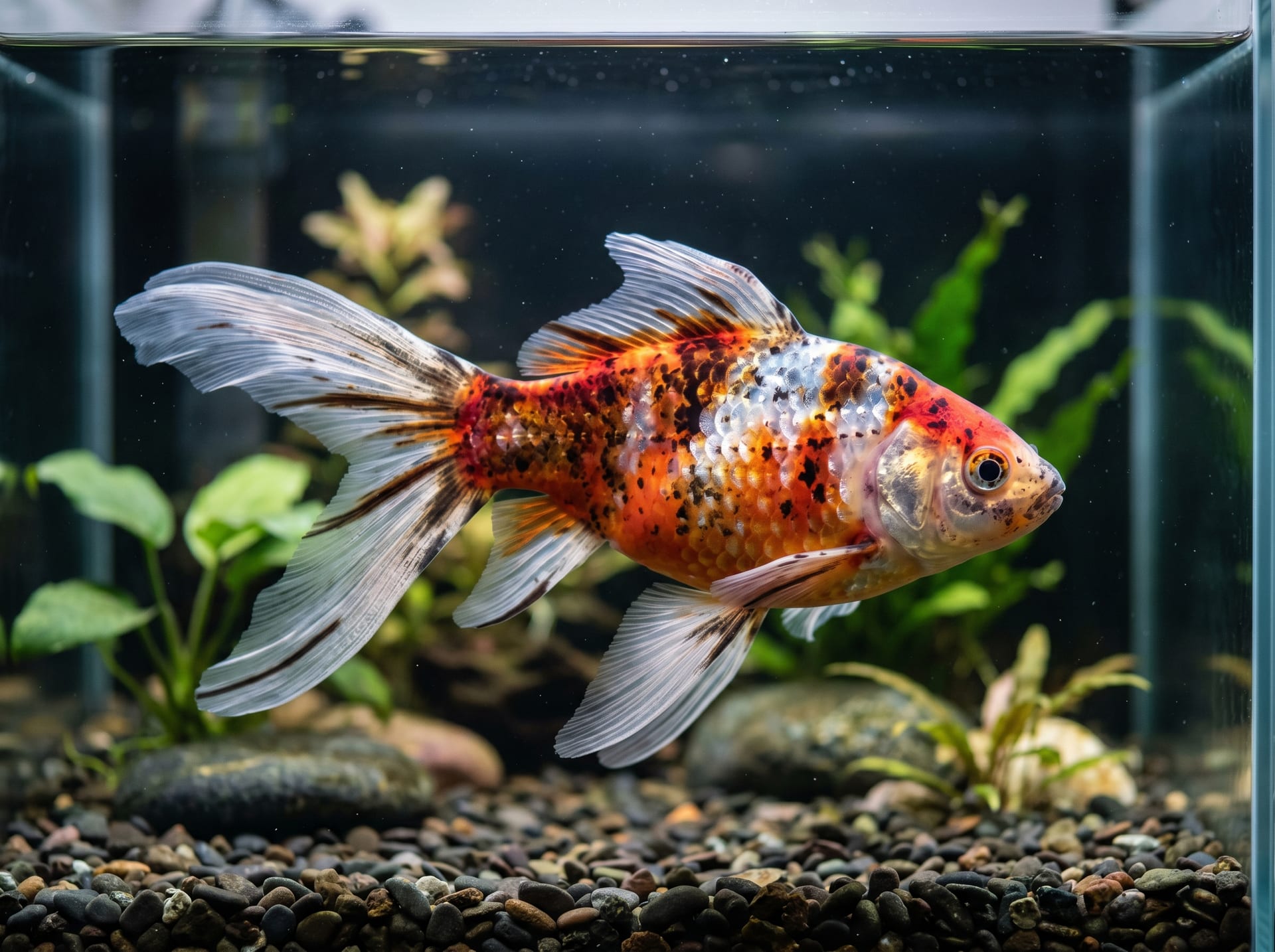
Slim-bodied goldfish (such as Wakin, Comet, and Akuubunkingyo):
Little digestive organ compression from body shape; can handle relatively any feed
Both dried feed and live food are fine
No problem with floating artificial feed
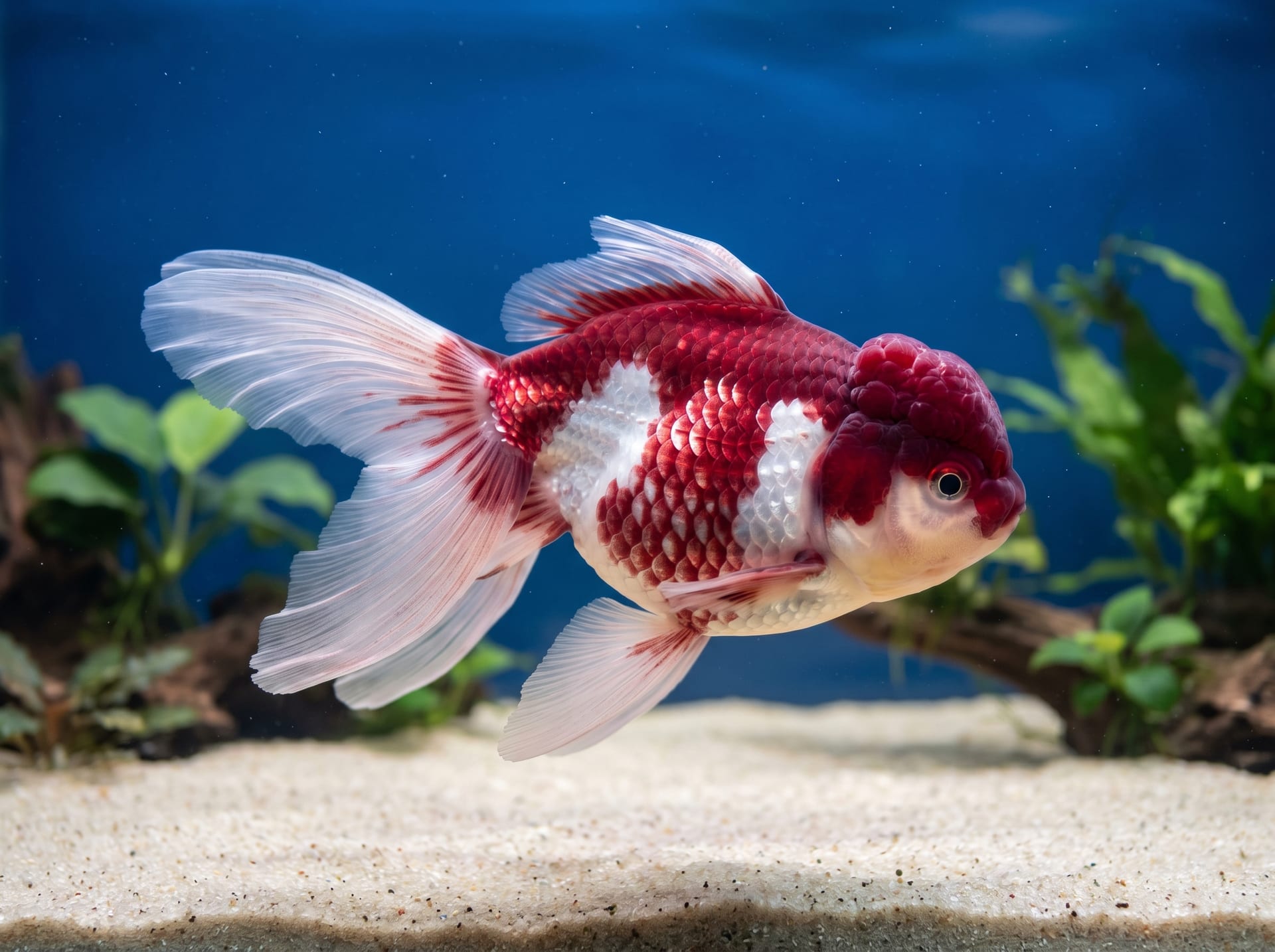
Round-bodied goldfish (such as Ryukin, Demekin, and Ranchu):
Digestive organs are compressed, so be careful of digestive disorders
Use sinking feed as priority (risk of swim bladder disorder decreases since they don't inhale air in water)
Feed containing dietary fiber is also effective (such as kelp-containing feed)
Feed Type Characteristics
Feed Type
Digestive Impact
Recommended for Round-bodied
Sinking artificial feed
Easy to digest
✍️
BreederDirect Editorial
The BreederDirect editorial team specializes in care information for animals, covering veterinary care and breeding to deliver beginner-friendly guides.
Find Goldfish on BreederDirect
Buy directly from verified breeders
Browse Related Listings
Find Goldfish listings related to this article on BreederDirect. Buy directly from verified breeders.
Green feed (such as Spirogyra and floating plants)
High fiber aids digestion
◎
Difference Between Floating and Sinking Feed
When eating floating feed, goldfish may inhale air together. If this air accumulates in the digestive tract, it creates buoyancy imbalance and increases the risk of swim bladder disorder. For round-bodied goldfish especially, it is important to choose sinking feed.
Basic Feeding Principles
Appropriate Feeding Amount
The basic rule for goldfish feeding amount is "amount that can be eaten in 3-5 minutes," but considering digestive health, we set it more precisely:
2-3% of body weight per day is the guideline (at water temperature 20-25°C).
Water Temperature
Feeding Amount Guideline
10°C or below
Nearly fast (digestive activity drops drastically)
10-15°C
1-2 times per week, small amount
15-20°C
Once per day, small amount
20-25°C
1-2 times per day, standard amount
25-30°C
2-3 times per day in small portions
30°C or above
Reduce to once per day or less (risk of reduced digestion and water quality deterioration)
Feeding Frequency and Intervals
To prevent overeating, "dividing into multiple small portions" is effective. Splitting into 2-3 feedings per day puts less strain on the digestive system than giving a large amount once daily.
However, since overfeeding also causes water quality deterioration from leftover food, the key is to increase frequency without changing total amount.
Things to Check Before Feeding
Are the goldfish swimming actively seeking food? (checking appetite)
Has enough time passed since the last feeding? (minimum 3-4 hours)
Is the water temperature appropriate? (don't feed below 10°C)
Is the fecal matter in normal condition? (transparent or white feces are signs of indigestion)
Prevention of Swim Bladder Disorder
Swim bladder disorder (swim bladder dysfunction) is a representative digestive-related disease in goldfish. The fish becomes upside down or cannot sink while floating at the surface, and once it occurs, treatment is difficult.
Situations Prone to Swim Bladder Disorder
After feeding large amounts of floating feed
Sudden water temperature changes (sudden changes of 5°C or more)
Intestinal gas accumulation from indigestion
Genetic predisposition (more common in round-bodied types)
Feeding Techniques to Prevent Swim Bladder Disorder
1. Soak feed in water before feeding (soaking method)
Soaking dried feed in water for about 30-60 seconds before feeding prevents excessive expansion in water and reduces air bubble intake.
2. Establish 1-2 fasting days per week
This gives the digestive system a rest and creates an opportunity for intestinal gas to be expelled. It is particularly effective for round-bodied goldfish.
3. Don't cause sudden water temperature changes
Use water at the same temperature during water changes and avoid sudden cold water shock.
4. Incorporate feed with high fiber content
Feeding floating plants (such as Water Sprite and Frogbit), Spirogyra, and green algae provides natural fiber supplementation. It is effective in promoting digestive system movement.
Prevention and Treatment of Constipation
Goldfish constipation is almost always caused by feed. If they are active but not defecating, or are producing white feces, it is a sign of indigestion or constipation.
Signs of Constipation
Feces become white or transparent
Feces float in water for a long time (normal feces sink quickly)
Belly appears slightly swollen
Movement becomes sluggish
Treatment Methods
1. Fasting (1-3 days)
The most basic approach. It relieves strain on the intestines and promotes natural recovery.
2. Salt bath (0.3-0.5% saltwater)
It adjusts blood osmotic pressure to promote the expulsion of excess water and waste. Aim for about one week.
3. Feeding bloodworms
Easily digestible animal protein promotes intestinal movement. Give in small amounts divided into several feedings.
4. Raise water temperature slightly
Raising to around 22-24°C can improve digestion and may improve intestinal movement.
Feeding Tips by Body Type
Ranchu, Dutch Lionhead, and Ping Pong Pearl
This group requires special attention to the digestive system:
Use sinking pellets or tablets as the main food
Divide daily amount into 3 or more portions
Establish one fasting day per week
Feed green feed (such as Water Sprite and roots of Water Sprite) 2-3 times per week
Wakin, Comet, and Akuubunkingyo
Digestive problems are relatively few, but follow these:
Feeding amount should be within 3% of body weight per day
Greatly reduce amount when water temperature is 15°C or below
Remove leftover food immediately to prevent water quality deterioration
Summary
Goldfish digestive health depends on three pillars: "what feed," "how much," and "how to feed." For round-bodied goldfish especially, choosing sinking feed, not overfeeding, and establishing fasting days each week are very effective in preventing swim bladder disorder and constipation. By observing your goldfish's fecal matter daily, you can understand their digestive health status and lead to early problem detection.