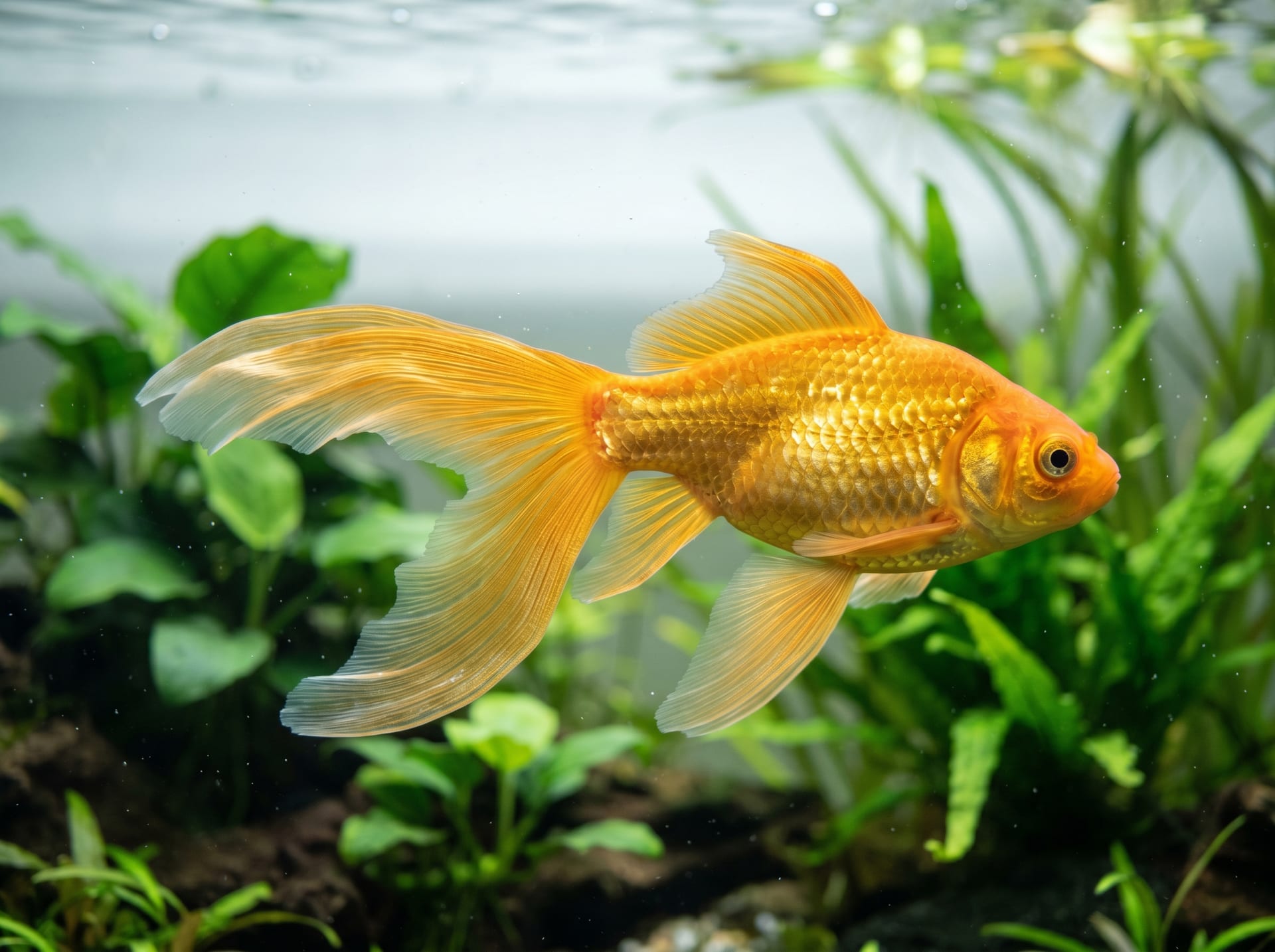
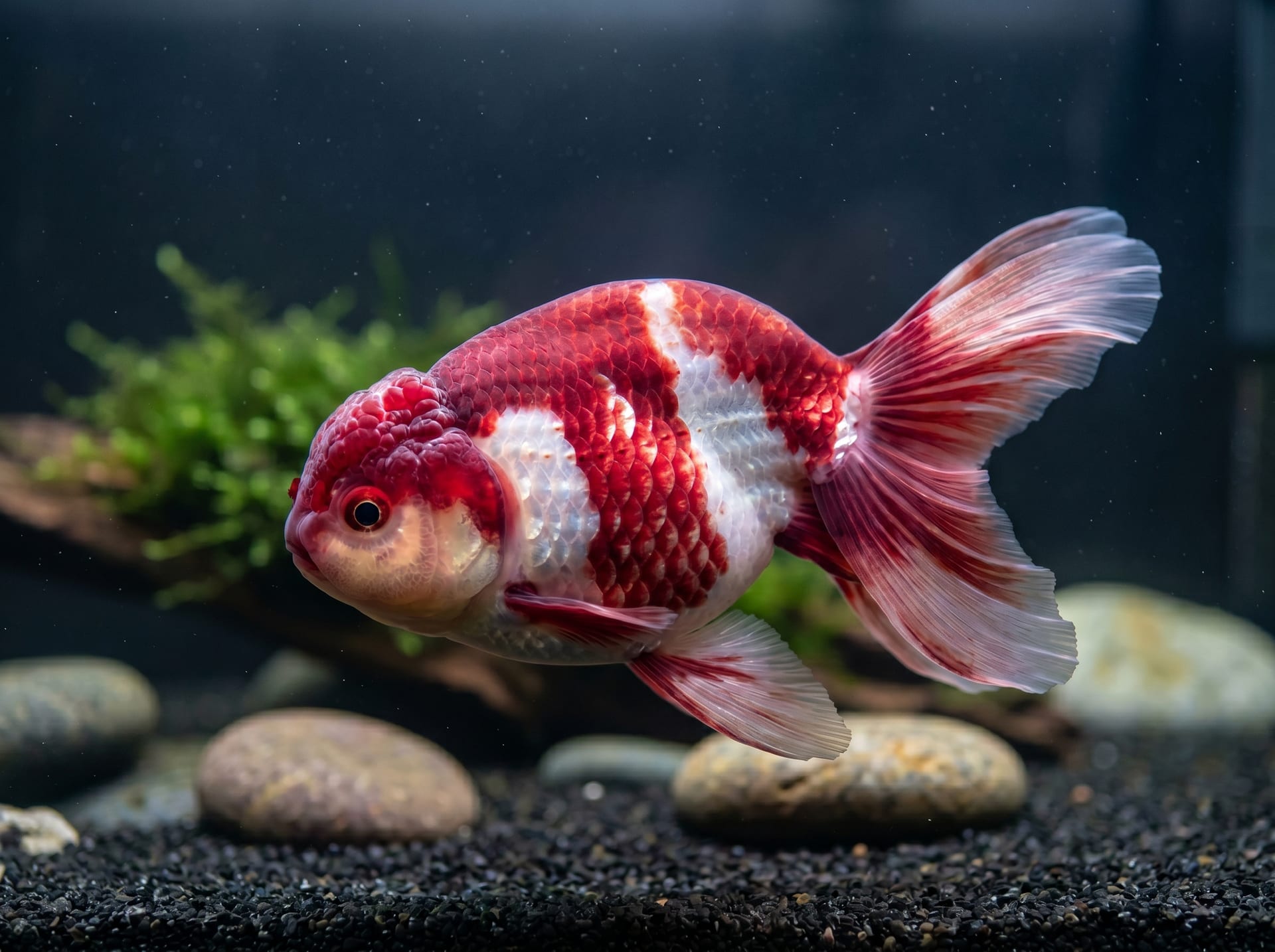
Preventing Body Shape Deformation in Goldfish Through Diet Management | Obesity, Swim Bladder Disease, and Feeding Amounts During Growth
This guide explains diet management to prevent body shape deformation (obesity and swim bladder disease) in goldfish. It covers appropriate feeding amounts by growth stage, feed selection, fasting timing, and the problems with overfeeding that cause swim bladder disease.
Key Takeaways
This guide explains diet management to prevent body shape deformation (obesity and swim bladder disease) in goldfish. It covers appropriate feeding amounts by growth stage, feed selection, fasting timing, and the problems with overfeeding that cause swim bladder disease.
Related Species
What Is Body Shape Deformation in Goldfish
One of the common problems in goldfish care is body shape deformation—when a fish develops a body shape that deviates from the breed standard. Typical symptoms include obesity, swim bladder disease (where the fish floats and cannot sink), and spinal curvature.
Most of these morphological abnormalities are caused directly or indirectly by improper diet management. Many cases can be prevented through appropriate feeding and proper rearing conditions, making daily diet management crucial to long-term goldfish health.
Body changes also serve as an indicator of health status. Developing a habit of observing your goldfish's body shape and swimming behavior at each feeding can help you detect signs of deformation early. Once body shape deformation occurs, it is difficult to fully restore the fish to its original condition, making prevention before deformation occurs far more important.
Causes of Obesity in Goldfish
Goldfish swim almost constantly searching for food and have a very weak sense of satiation. Therefore, they will eat endlessly if the owner continues to provide food.
Signs of obesity include:
- The abdomen widens laterally and becomes noticeably broad when viewed from above
- The belly protrudes rounded after feeding
- Movements become sluggish and the fish spends more time stationary near the bottom
- Buoyancy control becomes difficult and the fish tilts at angles (a precursor to swim bladder disease)
Obesity leads to the following consequences:
- Accumulation of visceral fat
- Compression of the swim bladder
- Immune suppression
- Reproductive disorders
Overfeeding is not the only cause of obesity. In many cases, multiple family members each feed the goldfish, making it impossible to track the total daily amount. Sharing feeding times within the family and recording who feeds what and how much helps prevent unintended overeating. Additionally, in tanks or ponds that are too small for adequate swimming space, insufficient exercise means consumed energy is not fully expended and accumulates as fat. Reviewing the rearing space, not just feed amount, is also part of obesity prevention.
Swim Bladder Disease and Feeding Methods
Swim bladder disease is a condition where dysfunction of the swim bladder prevents the fish from maintaining normal posture. Multiple cases show that feeding methods can be a contributing factor.
Dried pellets absorb water and expand in the stomach, potentially compressing the swim bladder. Switching to soft artificial feed or frozen bloodworms can improve the condition. Gulping air while eating floating feed can also cause the problem, which can be prevented by switching to sinking feed. Soaking dried pellets in water before feeding softens them and helps prevent rapid expansion in the stomach. Feeding small amounts divided into multiple times rather than a large amount at once also helps reduce digestive stress. If symptoms do not improve or worsen, consider consulting a specialty aquatics store or experienced goldfish keeper.
Appropriate Feeding Amounts by Growth Stage
Since nutritional needs and digestive capacity differ by growth stage, adjusting feeding frequency and amount according to age and body length is the foundation of maintaining a healthy body shape. The following are merely guidelines; fine-tune based on individual appetite and fecal appearance.
| Growth Stage | Feeding Frequency | Feeding Guidelines |
|---|---|---|
| Juvenile (1–4 cm) | 3–5 times per day | Feed finely divided high-protein feed for growth |
| Young fish (5–12 cm) | 2 times per day | Amount that can be consumed in 3–5 minutes per feeding |
| Adult (13 cm or larger) | 1–2 times per day | Adjust feeding frequency based on water temperature |
| Water Temperature | Feeding |
|---|---|
| 25–28°C | 2 times/day at 1–2% of body weight |
| 18–24°C | 1–2 times/day at 0.5–1% of body weight |
| 10–17°C | Once daily or every other day, small amounts only |
| 10°C or below | No feeding necessary |
When feeding, use the standard of an amount that can be consumed within a few minutes, and be careful that uneaten food does not settle on the bottom and foul the water. Since appetite changes daily with water temperature and health status, rather than mechanically feeding the same amount each time, adjusting the portion based on daily observations helps prevent body shape deformation.
Using Fasting Days
Establishing 1–2 fasting days per week resets the digestive tract and is effective for obesity and swim bladder disease prevention. Particularly after autumn when water temperature drops and digestive capacity declines, increasing fasting frequency is recommended. Short-term fasting of 3–7 days is harmless to healthy goldfish and beneficial as a rest period for the digestive organs.
When keeping multiple goldfish in the same tank, staggering fasting days for each individual is difficult, so conducting a tank-wide fasting day on the same day makes management easier. During fasting, instead of feeding, closely observe water quality and swimming behavior, using the time to check for any changes in condition—an observation habit that also supports daily body shape management.
Feed Types: Characteristics and Selection
Understanding the characteristics of different feed types and selecting them according to your goldfish's body shape and condition also helps prevent body shape deformation. Rather than relying on a single feed type, combining different feeds according to circumstances is also an option.
| Feed Type | Characteristics | Notes |
|---|---|---|
| Sinking pellets | Easy to digest and prevent air gulping, excellent for swim bladder disease prevention | Especially recommended for round-bodied breeds like ranchus and telescope eyes |
| Floating pellets | Easy to observe at the water surface, but carries risk of air gulping | Suitable for streamlined breeds like comets and fantails |
| Frozen bloodworms | Good digestibility and high palatability as a live feed substitute | Effective as a supplementary food 2–3 times per week |
When using multiple feed types simultaneously, remember to adjust the amount of each so the overall feeding quantity does not become excessive.
Summary
The fundamentals of diet management to prevent goldfish body shape deformation are: "do not overfeed," "adjust feeding amounts for water temperature," "utilize sinking feed," and "conduct regular fasting days." Swim bladder disease in particular is difficult to cure once it occurs, making preventive management extremely important. Understanding the body shape characteristics of each breed and controlling diet with a long-term perspective is the secret to keeping goldfish beautiful and long-lived. Accumulating daily observation and records leads to early detection and prevention of body shape deformation.