Goldfish Color-Enhancement Feed Guide | Beautiful Methods to Develop Red, White, and Black Body Colors
Explanation of feed and diet methods to enhance goldfish body color. Introduction to the effects of spirulina and astaxanthin, and the mechanisms of color enhancement.
Key Takeaways
Explanation of feed and diet methods to enhance goldfish body color. Introduction to the effects of spirulina and astaxanthin, and the mechanisms of color enhancement.
Related Species
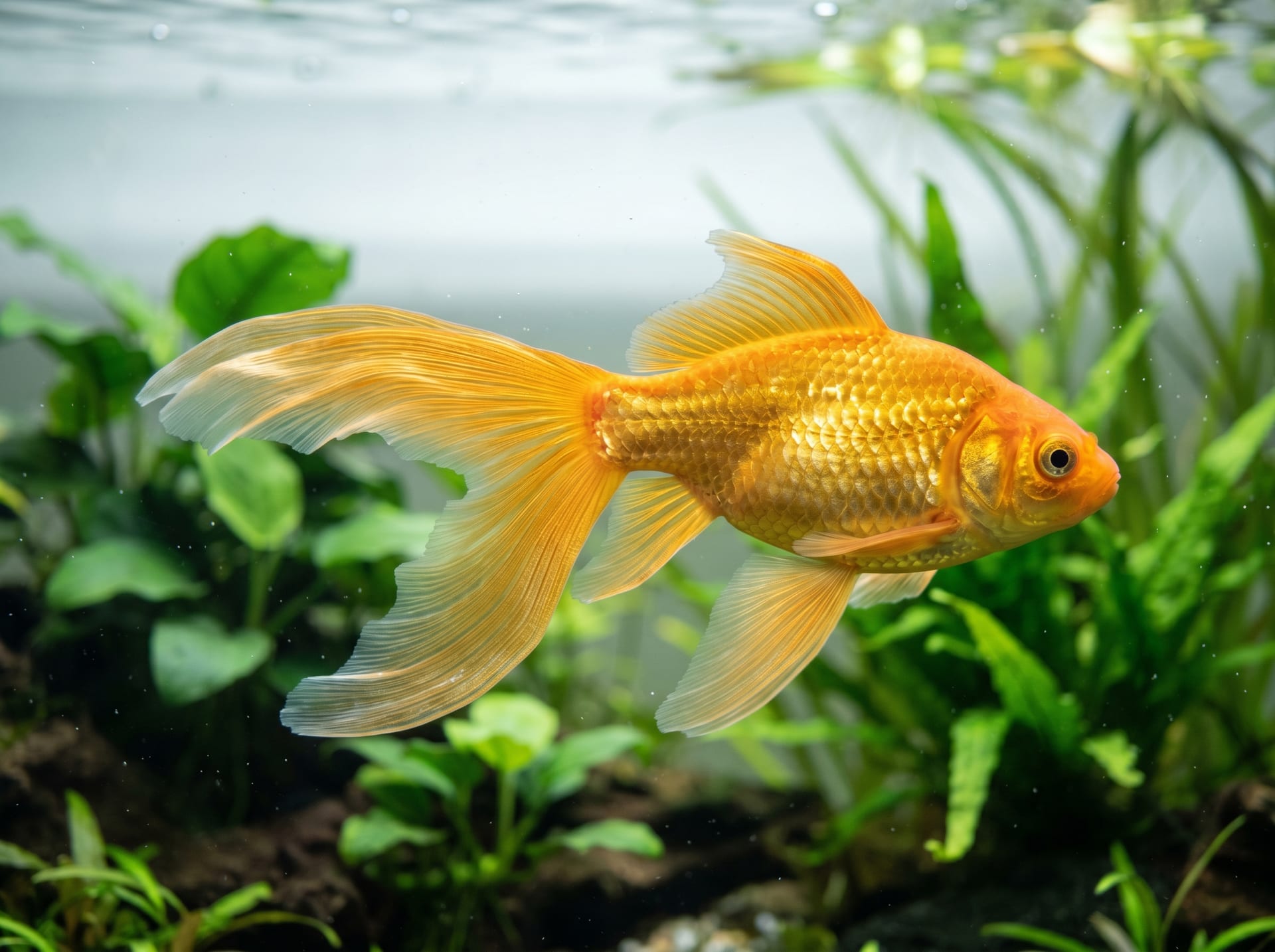
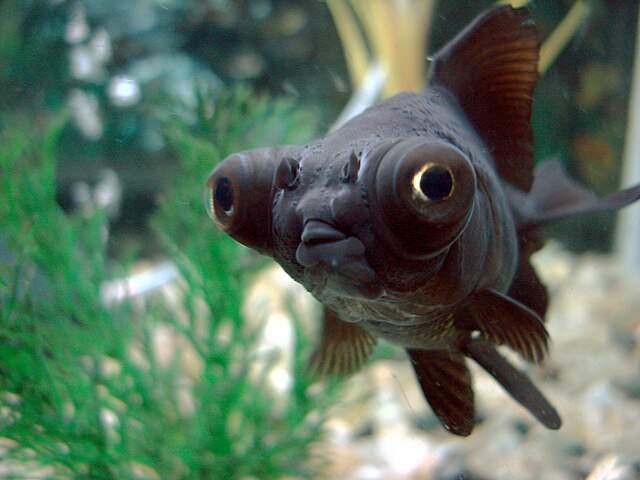
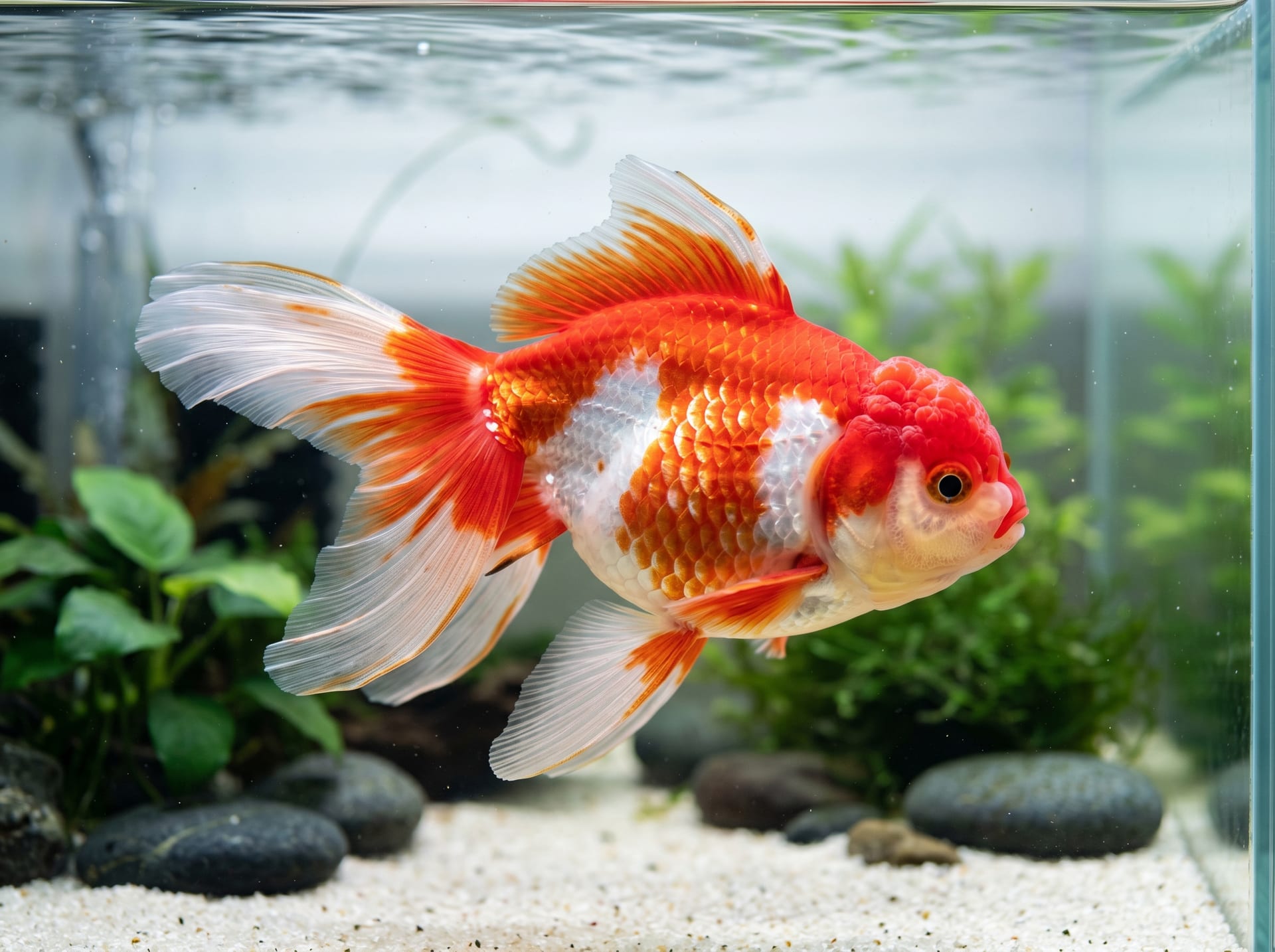
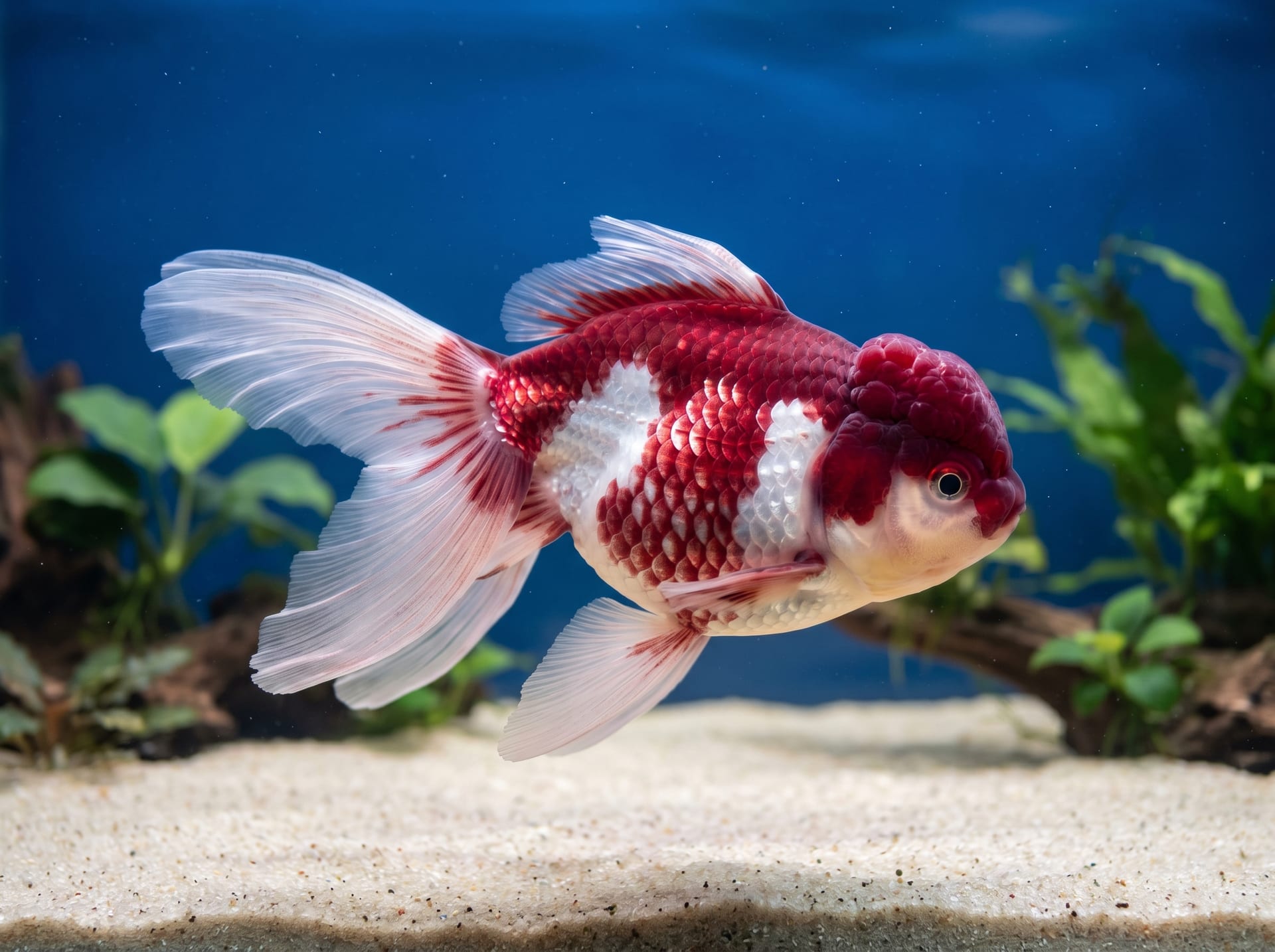
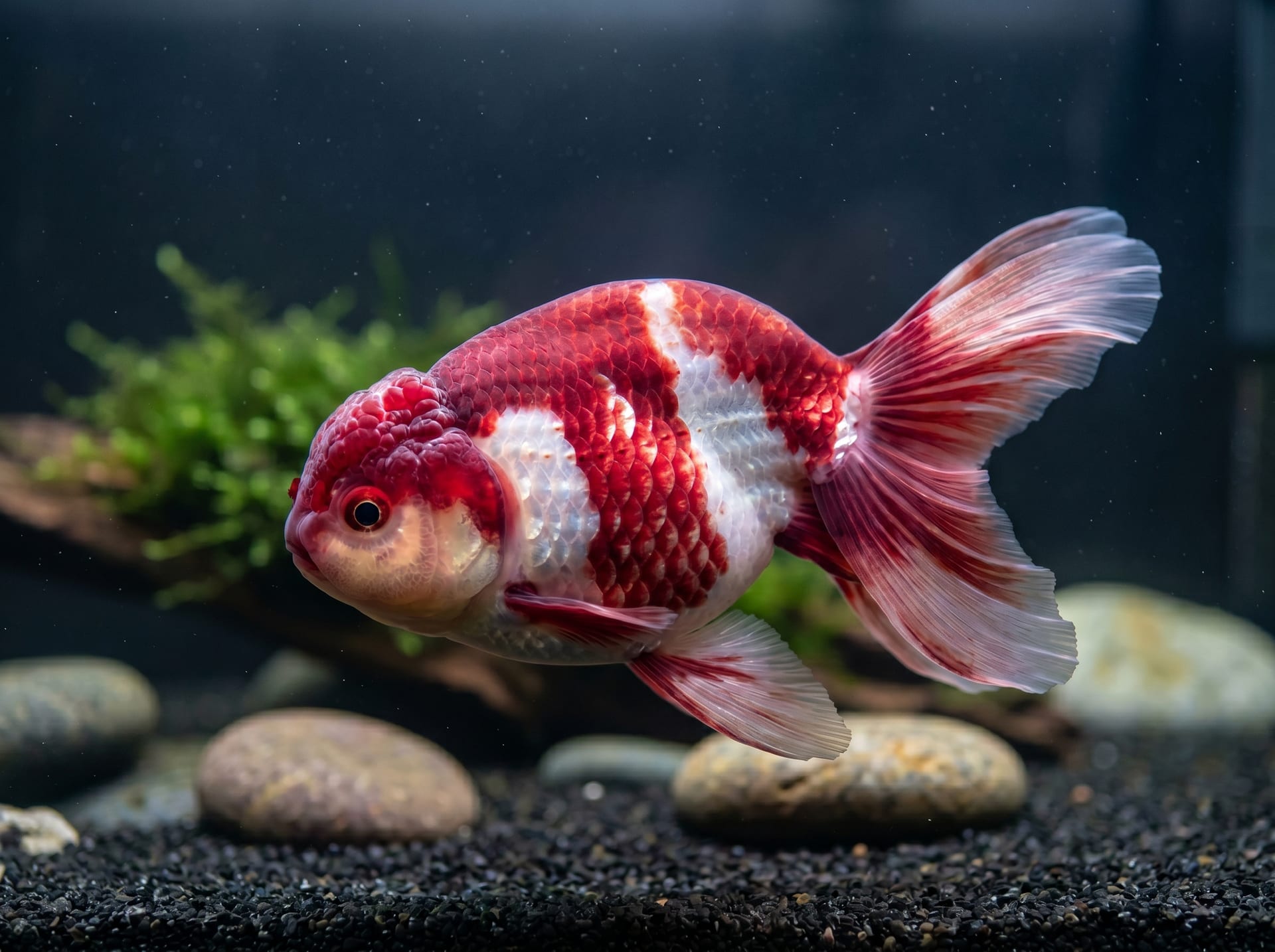

When you start keeping goldfish, have you ever noticed that "the color has become lighter than when purchased" or thought "I want a more vibrant color"? While goldfish body color is partly determined by genetic traits, it changes significantly based on daily feed and rearing environment. With the right knowledge and commitment to color enhancement, you can not only bring out the inherent beauty to the maximum but also cultivate even more vivid coloration. This article systematically explains the mechanisms of body color, feed selection by color, and environmental management.
Mechanisms That Determine Goldfish Body Color
Goldfish coloration is determined by special cells called "chromatophores" distributed in the skin. Multiple body colors are created through the combination of mainly three types of chromatophores.
- Red chromatophores (erythrophores): Cells that store carotenoid pigments and are responsible for red, orange, and yellow coloration. Carotenoids cannot be synthesized by goldfish themselves, so they must be obtained from feed.
- Black chromatophores (melanophores): Contain melanin pigment and are responsible for black and brown coloration. They are easily affected by light, temperature, and stress, and their intensity changes with environmental variations.
- Iridophores (iridescent chromatophores): Contain guanine crystals and produce a silvery-white metallic sheen and luster. These cells are involved in the white portions of ranchu and the silver scales of ryukin.
In other words, to "deepen red," you need carotenoid supplementation; to "make black more vivid," you need to create an environment that promotes melanin synthesis; and to "keep white beautiful," you need management to prevent unwanted pigmentation.
How to Choose Feed to Enhance Red and Orange Colors
The most important factor in enhancing red coloration is the continuous intake of carotenoid pigments. Most commercially available color-enhancement feeds contain these, but make it a habit to check ingredient labels.
Particularly Effective Components and Food Materials
- Astaxanthin: A natural pigment derived from crustaceans such as shrimp and crabs, with particularly powerful effects on red coloration among carotenoids. It is the most widely used ingredient in goldfish color-enhancement feeds, and many commercial products are labeled as "containing astaxanthin."
- Spirulina: A freshwater cyanobacterium rich in β-carotene and phycocyanin. In addition to promoting red and orange coloration, it has intestinal conditioning properties, making it beneficial for maintaining goldfish health.
- Frozen bloodworms (midge larvae): Rich in natural carotenoids and a highly palatable live food substitute. Combined with artificial feed 2-3 times per week, it achieves both color enhancement and appetite stimulation.
- Shrimp shells (dried and crushed): Effective as an astaxanthin supplement source. When dried, finely crushed, and mixed into artificial feed, it becomes easy to use.
Tips on Feeding
The basic principle for color-enhancement feed is "small amounts fed consistently every day." Feeding large quantities at once won't be fully absorbed and only worsens water quality. As a guideline, feed twice daily in amounts the goldfish can consume within 3-5 minutes.
Management Methods to Keep White and Silver Colors Beautiful
White portions are extremely important as accents in goldfish body color, but neglecting management can result in yellowing or a cloudy appearance from unwanted pigmentation.
Main Causes of White Color Degradation
- Organic matter and humic acids in water: Water with insufficient filtration or decomposed feed dissolved in it tends to develop a yellowish tint, affecting white scales.
- Green water (pea soup water): While water with a heavy bloom of phytoplankton can sometimes aid color enhancement, it makes white portions appear greenish, so it's safer to avoid it if white is your priority.
- Overfeeding color-enhancement feed: Excessive astaxanthin intake can result in orange coloration entering the white portions. To maintain beautiful contrast between white and red, be careful not to overfeed color-enhancement feed.
Practical Care Methods
- Remove organic matter through frequent water changes (1-2 times per week, approximately 1/3 of the tank)
- Change activated carbon filters regularly to maintain water clarity
- For individuals where you want to emphasize white, use regular feed as the main diet and use color-enhancement feed only as a supplement
Creating an Environment to Make Black Colors Vivid
Black chromatophores (melanophores) respond sensitively to light, temperature, and stress. To make black portions stand out, it's important to create an environment where chromatophores are easily activated.
Tank and Background Color
Tank and substrate color directly affect body color. Using black or dark green tanks activates an "adaptive response" where goldfish darken their body color to match their surroundings, intensifying black coloration. Conversely, white or bright tanks tend to result in lighter coloration, making tank selection particularly important for black varieties such as black moors and edo-nishiki.
Sunlight and Lighting
Moderate sunlight promotes melanin synthesis. For outdoor rearing, gentle morning sunlight is ideal, and since intense midday sun in summer excessively raises water temperature, provide shade in the afternoon. For indoor rearing, full-spectrum aquarium lighting can be used as a substitute, running for 8-10 hours per day.
Water Temperature Management
- 25–28°C: Metabolism becomes active and chromatophore activity increases. This is the most suitable temperature range for color enhancement.
- 20°C or below: Metabolism decreases and colors tend to fade.
- 30°C or above: Heat stress can disrupt body coloration. Water temperature management during summer is essential.
Color-Enhancement Tips by Breed
Since goldfish body color characteristics differ by breed, it's important to take an optimal approach for each breed.
| Breed | Main Body Color | Focus Points |
|---|---|---|
| Wakin, Comet | Red, White | Astaxanthin supplementation and prevention of white discoloration |
| Ranchu | Red, White | Balance between sunlight and water quality management |
| Black Moor | Black | Black tank, low light, low stress |
| Oranda, Lion-head | Red, White, Calico | Proper dosing of color-enhancement feed |
| Edo-nishiki | Red, Black, White (tricolor) | Comprehensive approach to each chromatophore |
Tricolor (calico) varieties require simultaneous management of red, black, and white, demanding the most delicate color-enhancement techniques. The key to preserving tricolor development is limiting color-enhancement feed to small amounts and prioritizing water stability.
BreederDirect's Safe and Reliable System
No matter how much correct color-enhancement knowledge you have, results are limited if the individual goldfish lacks good coloration potential. With BreederDirect, you can purchase goldfish directly from specialized breeders expert in color enhancement, allowing you to select individuals with high genetic quality.
Breeders often provide detailed information not only about the individual's current body color at the time of listing but also about "what feed they use" and "tips for color management after purchase," allowing beginners to start keeping goldfish with confidence. Additionally, since it's a direct-sales format with no intermediaries, it minimizes the risk of color fading from transport stress and environmental changes—a major advantage.
While goldfish color enhancement doesn't happen overnight, results will definitely come with consistent proper feed and environmental management. Find your ideal individual at BreederDirect and enjoy the rewarding experience of refining their beautiful coloration.