Ctenopoma (Bush Fish) Care Guide | African Labyrinth Fish Species, Predatory Nature & Tank Mates
A species-by-species care guide for Ctenopoma (bush fish), a labyrinth fish from the Congo River. This comprehensive guide covers their strong predatory nature, incompatible tank mate combinations, tank layouts, carnivorous diet, and breeding attempts—explaining the unique appeal of African labyrinth fish species that differ from bettas and gouramis, along with important care considerations.
Key Takeaways
A species-by-species care guide for Ctenopoma (bush fish), a labyrinth fish from the Congo River. This comprehensive guide covers their strong predatory nature, incompatible tank mate combinations, tank layouts, carnivorous diet, and breeding attempts—explaining the unique appeal of African labyrinth fish species that differ from bettas and gouramis, along with important care considerations.
About Ctenopoma
Ctenopoma (Ctenopoma) is a genus of labyrinth fish native to Africa (Congo River basin and West Africa). They are also known as "bush fish" or "African bush fish."
✍️
BreederDirect Editorial
The BreederDirect editorial team specializes in care information for animals, covering veterinary care and breeding to deliver beginner-friendly guides.
Find Tropical Fish on BreederDirect
Buy directly from verified breeders
Browse Related Listings
Find Tropical Fish listings related to this article on BreederDirect. Buy directly from verified breeders.
They belong to the same family (Anabantidae) as bettas and gouramis, and possess auxiliary breathing organs (labyrinth organs) that allow them to breathe air directly from the water's surface. This adaptation gives them the resilience to survive in environments with low dissolved oxygen.
Representative species:
Species
Scientific Name
Size
Characteristics
Spotted Climbing Perch
Ctenopoma acutirostre
15-20cm
Large species with leopard-spot pattern, most popular
Dwarf Ctenopoma
Microctenopoma nanum
5-7cm
Small species, relatively peaceful
Ocellated Climbing Perch
Ctenopoma kingsleyae
10-15cm
Medium-sized species with beautiful markings
Care Basics: Understanding Their Predatory Nature
The most important aspect of keeping Ctenopoma is understanding their predatory nature. Most species will eat any fish or shrimp small enough to fit in their mouths.
The Spotted Climbing Perch (15-20cm) will readily consume fish 5cm or smaller. The basic rule is to select tank mates that are at least half the fish's own body length or larger.
Tank Size
Species
Minimum Recommended Tank
Spotted (Large species)
120cm tank or larger
Dwarf (Small species)
60cm tank
Large species require bigger tanks as they grow. Start juveniles in a 60cm tank and plan to upgrade to 90-120cm as they mature.
Water Parameters
Parameter
Target
Temperature
23-28°C
pH
6.0-7.5 (slightly acidic to neutral)
Hardness
Soft to moderately hard water
Despite being African natives, Congo River species prefer relatively neutral water. They adapt well to various water conditions and can be kept successfully in typical Japanese tap water (approximately neutral pH).
Tank Layout
Ctenopoma strongly prefer hiding places. Provide abundant cave-like refuges made from aquatic plants, driftwood, and rocks.
Layout Tips
Place large aquatic plants like Amazon sword plants in the background
Create multiple "caves" and "crevices" using driftwood
Place plants near the surface (such as microsorum) for bubble nest building
Moderate to dim lighting is preferable; excessive brightness will cause them to hide and rarely emerge.
Feeding
Ctenopoma are carnivorous. In the wild, they feed on insects, small fish, and crustaceans.
Recommended Foods
Frozen bloodworms (most preferred)
Frozen brine shrimp
Live small fish (goldfish fry, medaka, etc.)
Carnivore pellets (sinking pellets for large carnivorous fish)
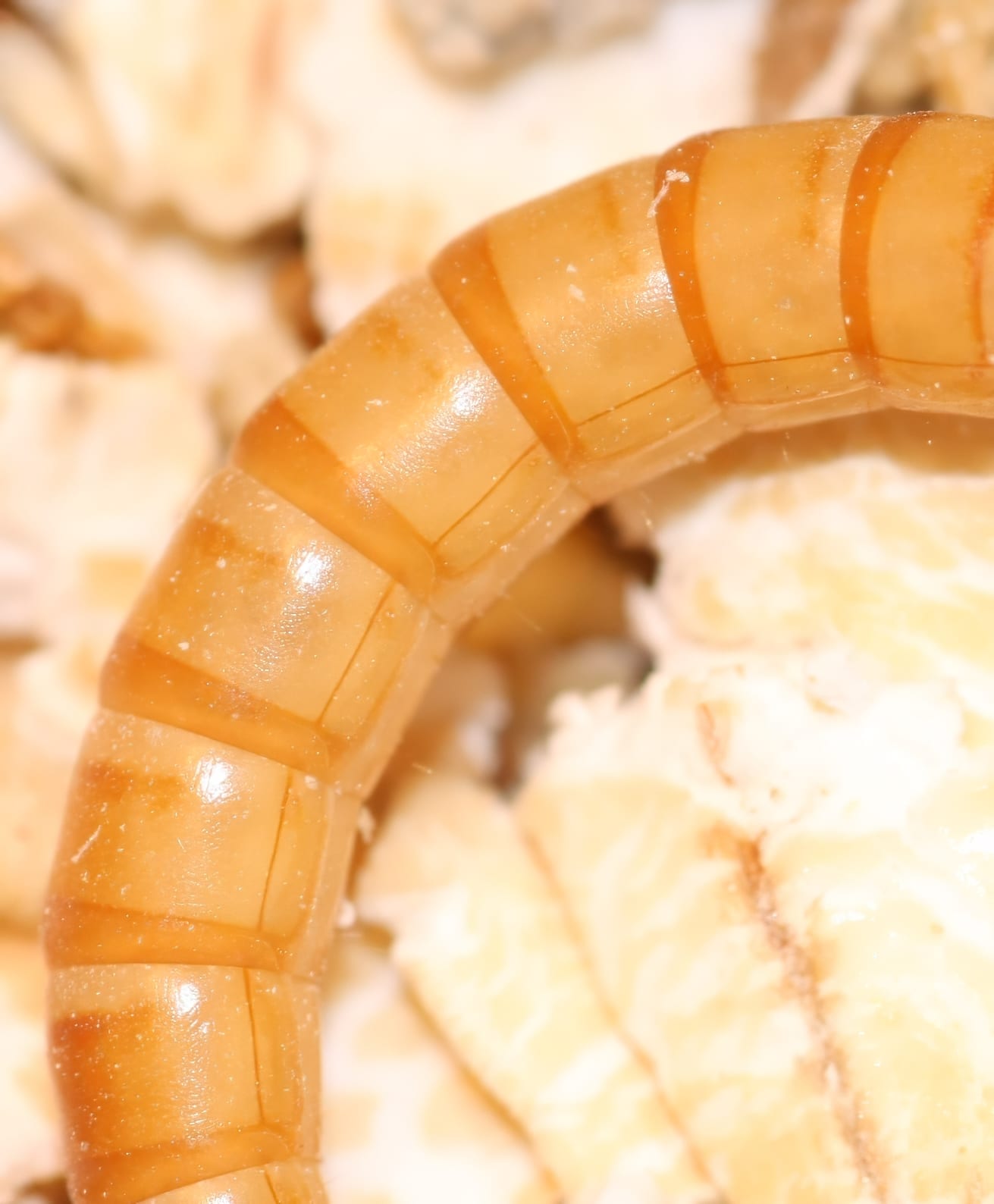
Live crickets and mealworms
Transition to artificial food is possible but takes time. Gradual acclimation starting with frozen bloodworms or freeze-dried small fish is effective.
Feed once or twice daily, and always remove uneaten food to prevent water quality deterioration.
Tank Mate Compatibility
Ctenopoma compatibility depends on body size and aggression level.
Compatible Fish for Large Species (Spotted, etc.)
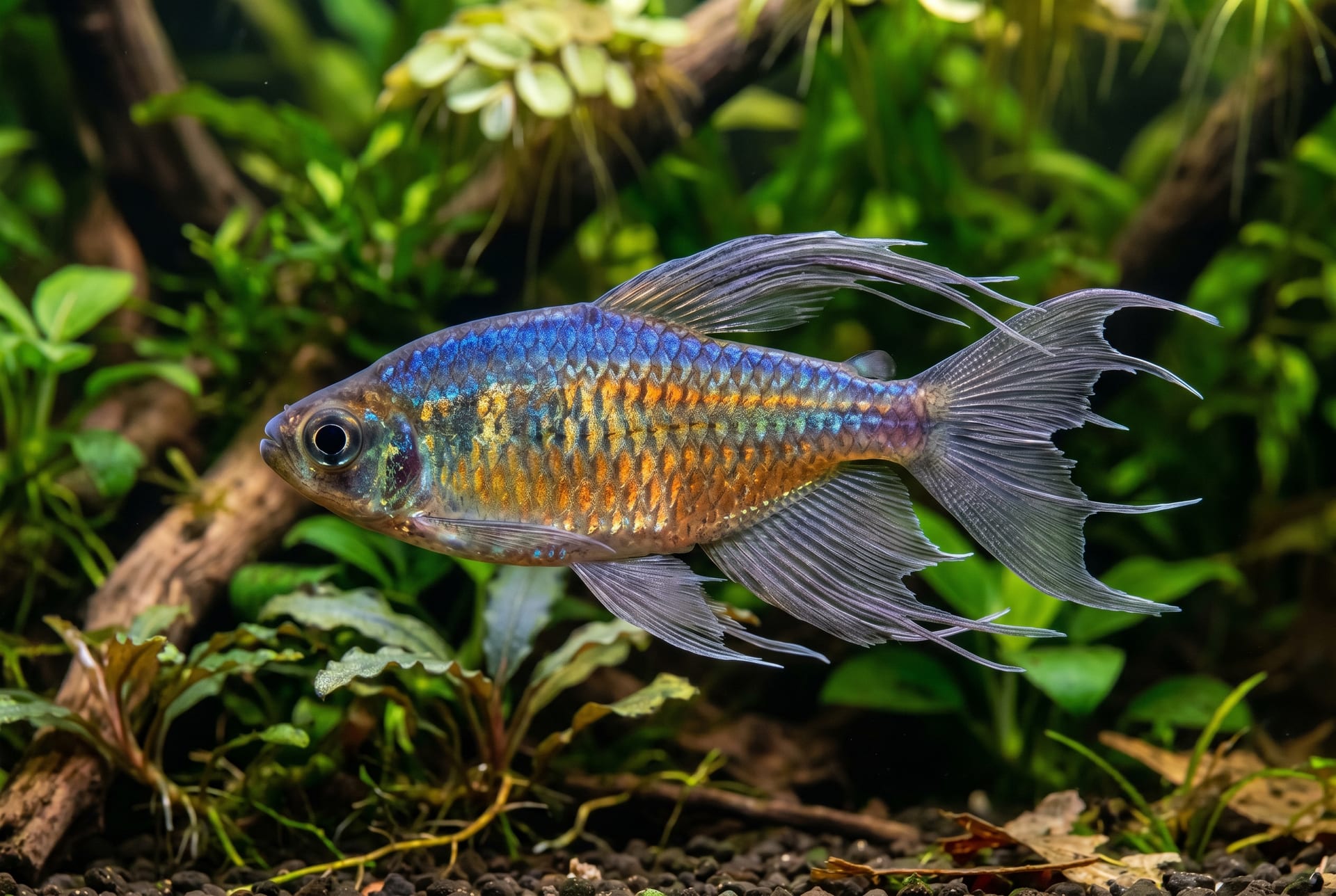
Large tetras of similar size (Blue Congo tetras, etc.)
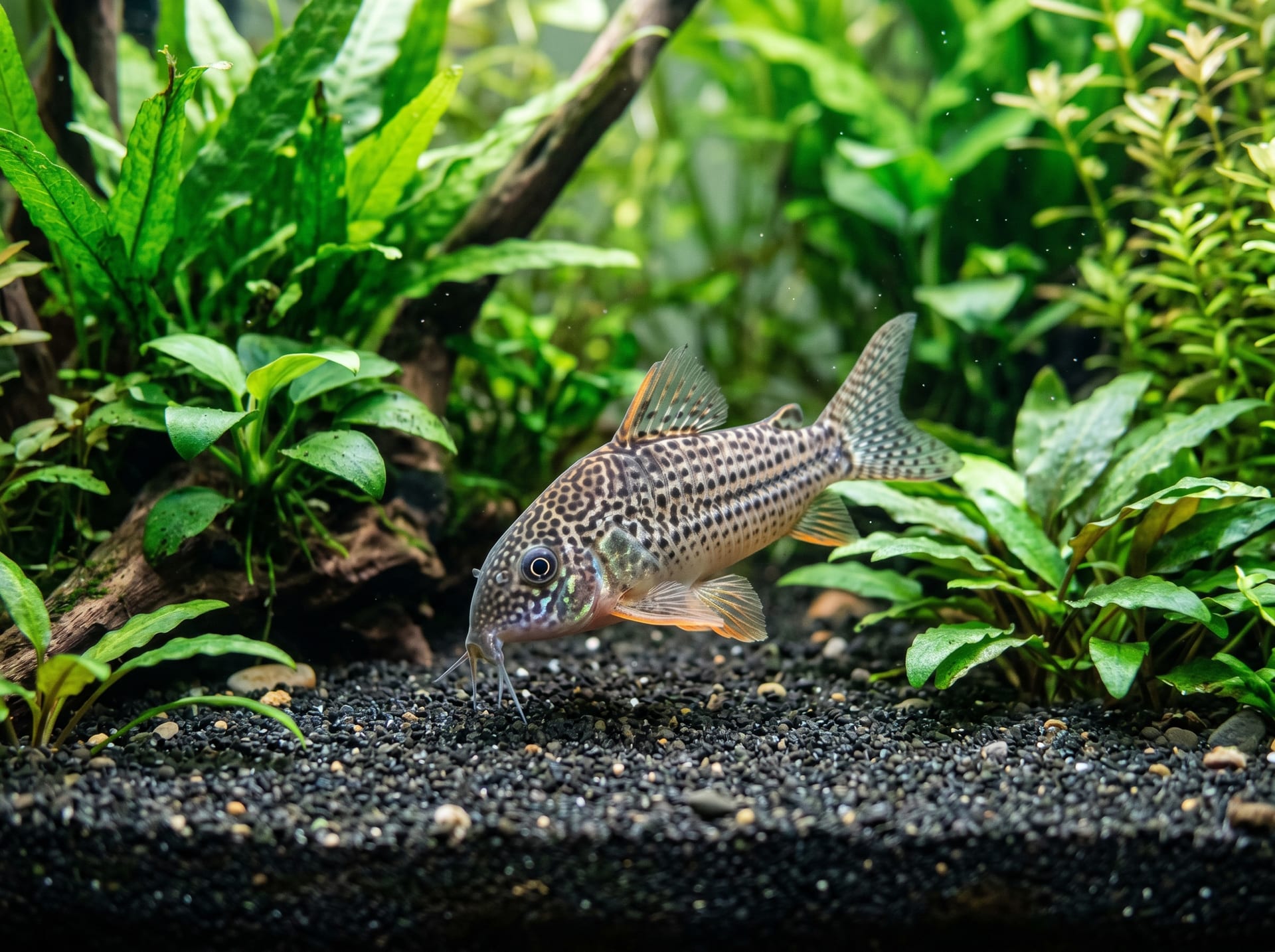
Large corydoras species (Sterba's corydoras, etc.)
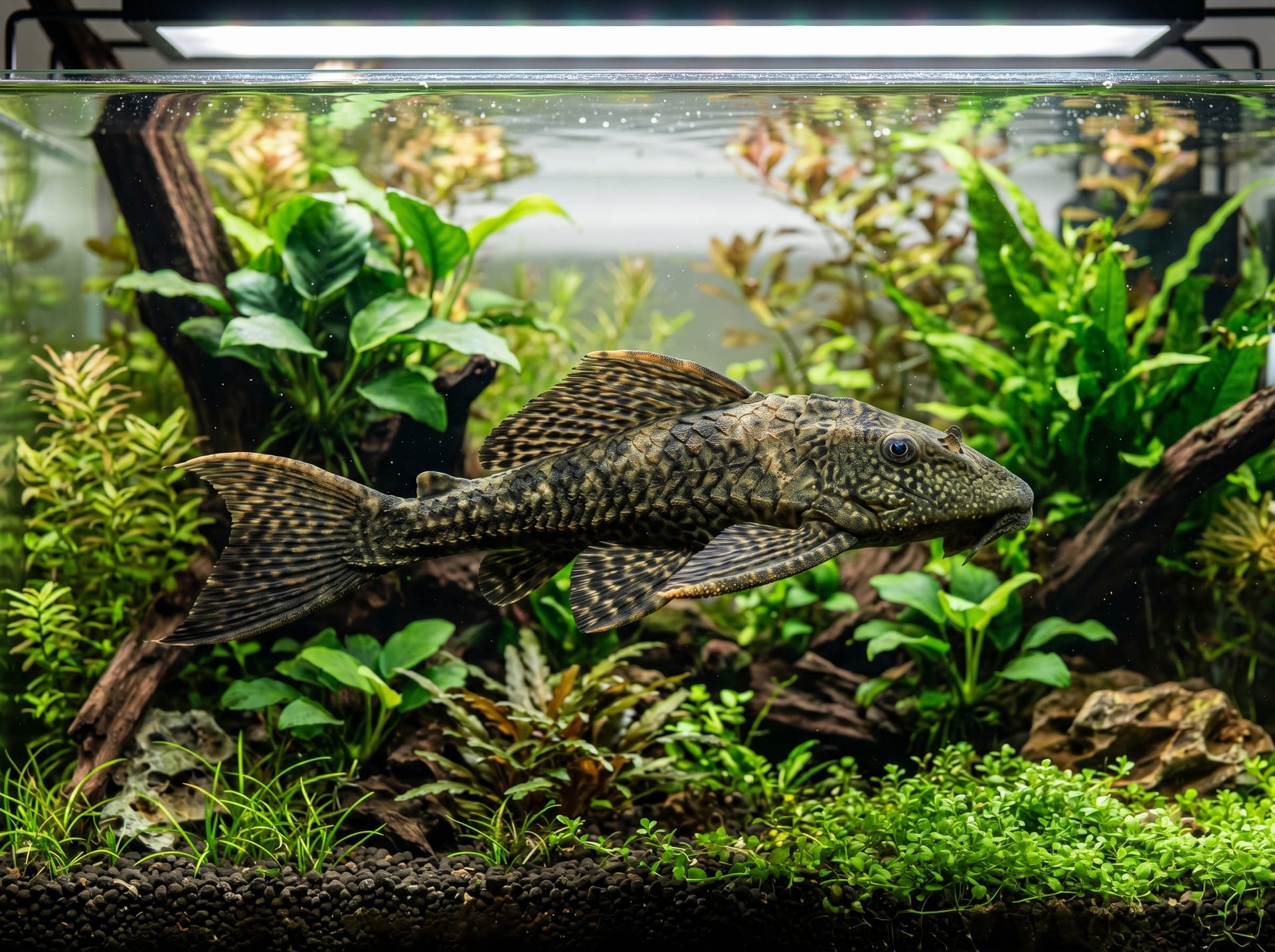
Medium to large plecos
Tanganyikan cichlids (similar body length)
Compatible Fish for Small Species (Dwarf Ctenopoma)
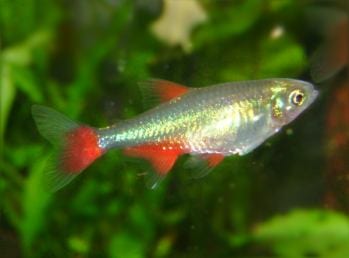
Medium tetras (Congo tetras, larger bloodfin tetras)
Medium corydoras
African butterfly fish
Absolutely Incompatible
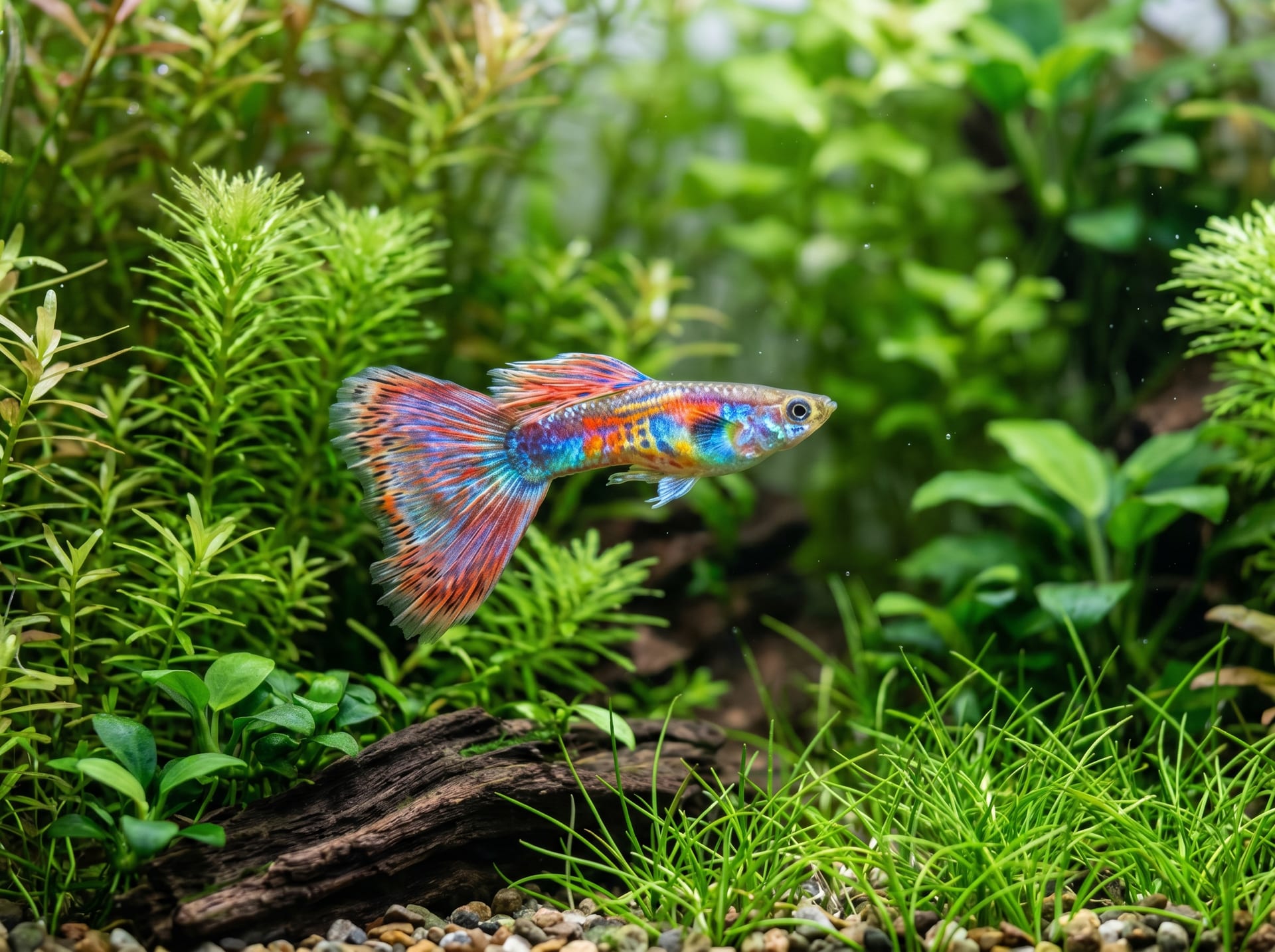
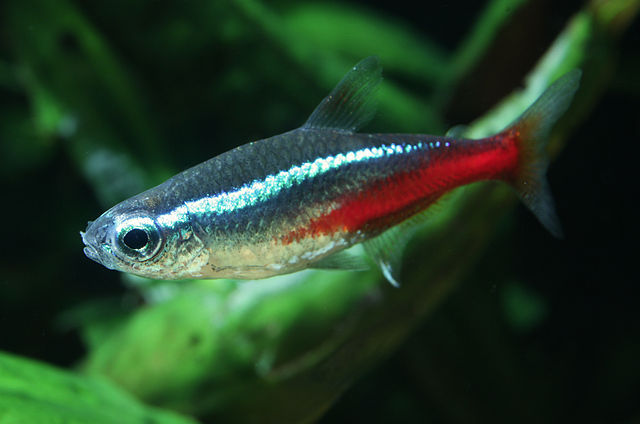
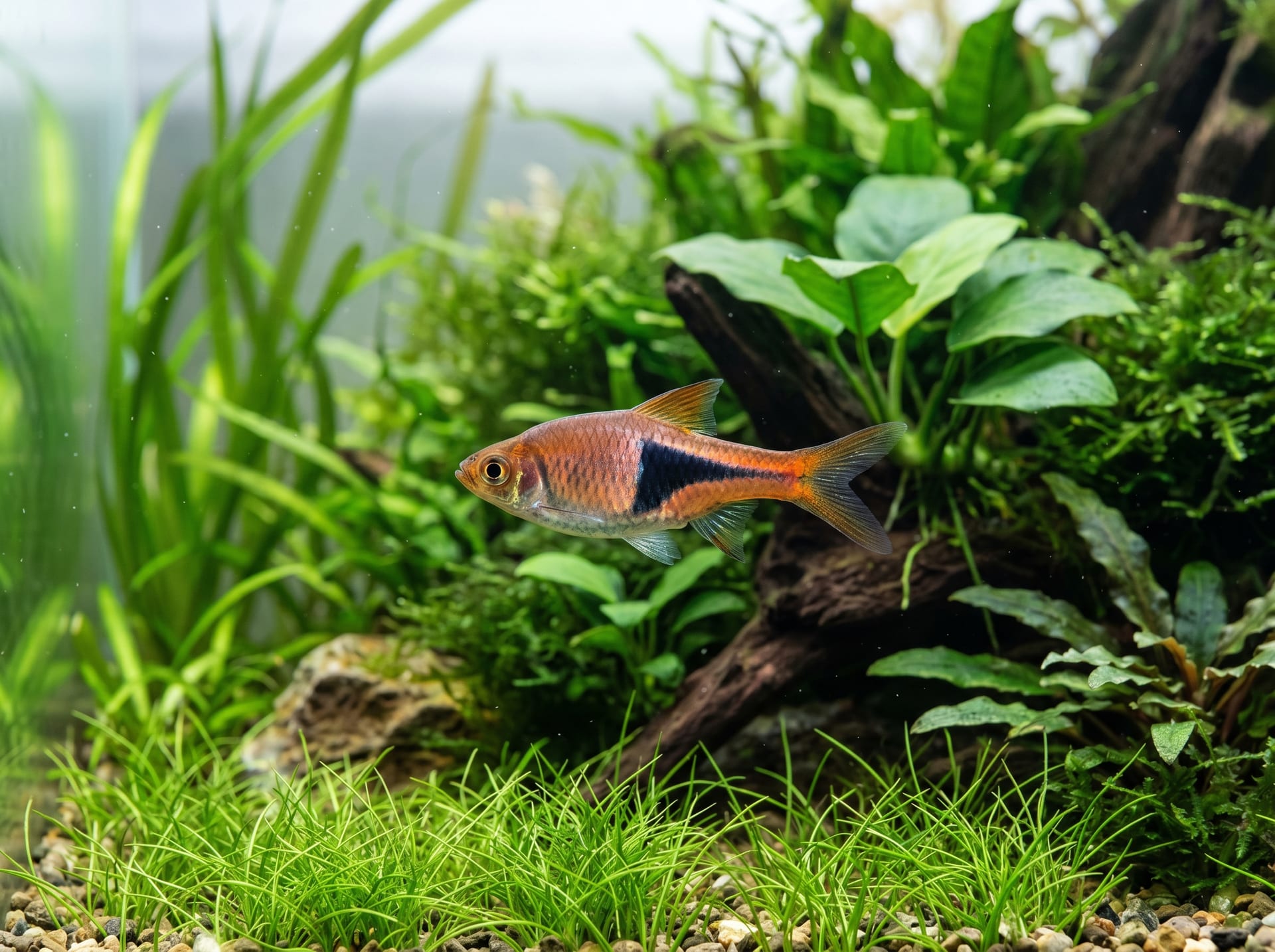
Fish 5cm or smaller (neon tetras, guppies, rasboras, etc.)
Shrimp of any kind (all will be predated upon)
Breeding Notes
Ctenopoma species divide into bubble nest builders and mouthbrooder types. Dwarf Ctenopoma are bubble nesters, while most large species are scatter spawners (releasing eggs that float).
Breeding Conditions
Confirm a breeding pair (since external sex differentiation is difficult, house multiple fish and wait for natural pairing)
Raise temperature by 1-2°C (to 27-28°C)
Increase water change frequency and adjust to softer, slightly acidic conditions
Provide abundant floating plants (serves as bubble nest substrate)
Hatched fry are extremely small and should be fed infusoria and fruit flies initially.
The Joy of Keeping Ctenopoma
The greatest appeal of Ctenopoma is their distinctive behavioral patterns. Watching their "ambush predator" behavior—waiting motionless with just their body protruding from driftwood crevices—and their slow, deliberate swimming through plants never gets old.
As they acclimate, they begin to recognize their keeper, and some individuals will beg for food when approached. Among African tropical fish, Ctenopoma stands out for its strong personality and is highly recommended for intermediate to advanced aquarists experienced with larger fish.