Cat Summer & Winter Care | Protecting Your Cat from Heat and Cold
Explains seasonal care to prevent heat stroke and hypothermia in cats. Covers summer AC settings, hydration, heat stroke warning signs, winter heating products, humidity control, and special care for senior and brachycephalic cats.
Key Takeaways
Explains seasonal care to prevent heat stroke and hypothermia in cats. Covers summer AC settings, hydration, heat stroke warning signs, winter heating products, humidity control, and special care for senior and brachycephalic cats.
Related Species
Cats originate from desert regions and have better thermoregulation abilities compared to dogs. However, in modern homes, they're exposed to harsh conditions not found in nature—such as rising temperatures in sealed rooms and overly dry heated spaces. Kittens, senior cats, brachycephalic breeds, and cats with pre-existing health conditions are especially vulnerable to temperature fluctuations. Understanding seasonal care and creating an environment where your cat stays comfortable year-round is essential.
Summer Basics | Cats and Heat Stroke Risk
Don't Be Overconfident About Heat Tolerance
While cats originally lived in dry desert environments and have adapted to handle some heat, modern homes can reach interior temperatures near 40°C (104°F) in summer—a dangerous level for cats. Cats have very limited ability to regulate body temperature through sweating; instead, they rely primarily on panting (shallow, rapid breathing) with their mouths open and minimal perspiration through the paw pads to cool down.
Situations Where Heat Stroke Is Likely
Leaving windows closed without AC while going out
Direct sunlight is the only available spot, with no shaded areas to retreat to
Water runs out and stays unavailable for extended periods
Overweight, brachycephalic, or senior cats that struggle with thermoregulation
Concrete Summer Measures
Room Temperature & Air Conditioning Management
Aim to keep the room temperature at 26–28°C (79–82°F) using AC. However, avoid over-cooling; ensure there are spaces where AC air doesn't reach so your cat can move between cooler and slightly warmer areas as desired. We recommend keeping the AC on even when going out. If you're concerned about electricity costs, setting the temperature to 28–29°C (82–84°F) and using a fan together is an effective approach.
Smart Hydration Strategies
Dehydration can trigger heat stroke. Set up water bowls in multiple locations throughout the home (at least 2–3 spots) and always provide fresh water. For cats who enjoy the sound and movement of flowing water, automatic water fountains are effective. Incorporating wet food also helps with hydration.
✍️
BreederDirect Editorial
The BreederDirect editorial team specializes in care information for animals, covering veterinary care and breeding to deliver beginner-friendly guides.
Find Cats on BreederDirect
Buy directly from verified breeders
Browse Related Listings
Find Cats listings related to this article on BreederDirect. Buy directly from verified breeders.
Creating Cool Spots
Create "cool spots" in your home using tile, stone flooring, or marble-textured mats that help dissipate body heat. Commercial cooling mats and gel cooling pads are also useful. Since cats naturally choose the best spot for themselves, offering multiple options is important.
Sunlight & Ventilation Control
Use blackout curtains during the day to block direct sunlight. Open windows slightly to ensure ventilation, or use screens as both a safety and privacy measure. Always check that window screens are properly locked to prevent your cat from escaping.
Heat Stroke Signs and First Aid
If you notice any of the following signs, suspect heat stroke:
Lethargy or inability to stand or move
Rapid breathing or panting with mouth open
Excessive drooling
The body feels extremely hot to the touch
Vomiting or diarrhea
First Aid Steps
Immediately move your cat to a cool room or shaded area
Use a damp towel to cool areas with major blood vessels, such as the neck, armpits, and inner thighs
If your cat can drink, offer small amounts of water (do not force)
If symptoms don't improve or consciousness seems unclear, seek veterinary care immediately
Winter Basics | Cold Intolerance in Cats and Associated Risks
Cats Are Actually Sensitive to Cold
It's commonly thought that cats can move freely and their fur keeps them warm, but cats actually have lower cold tolerance than dogs. Short-haired cats, kittens, senior cats, and those with conditions like kidney disease are especially prone to hypothermia and weakened immunity.
Characteristics of Cats Particularly Vulnerable to Cold
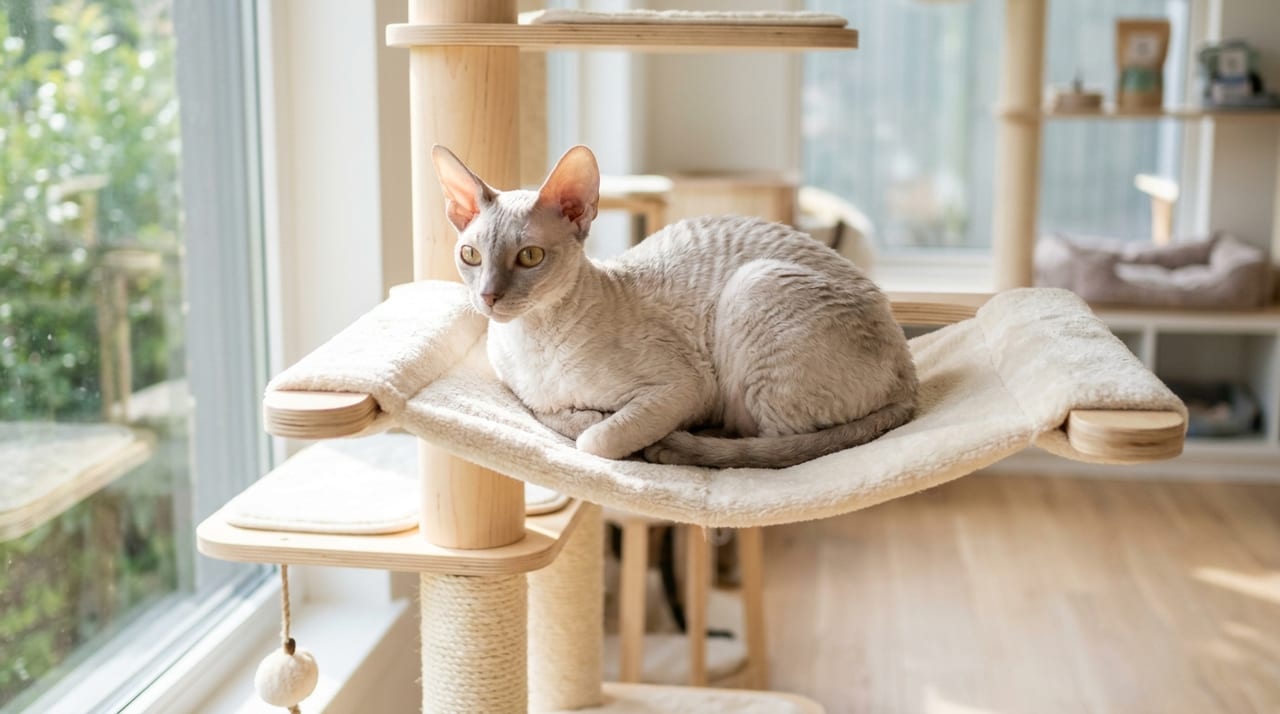
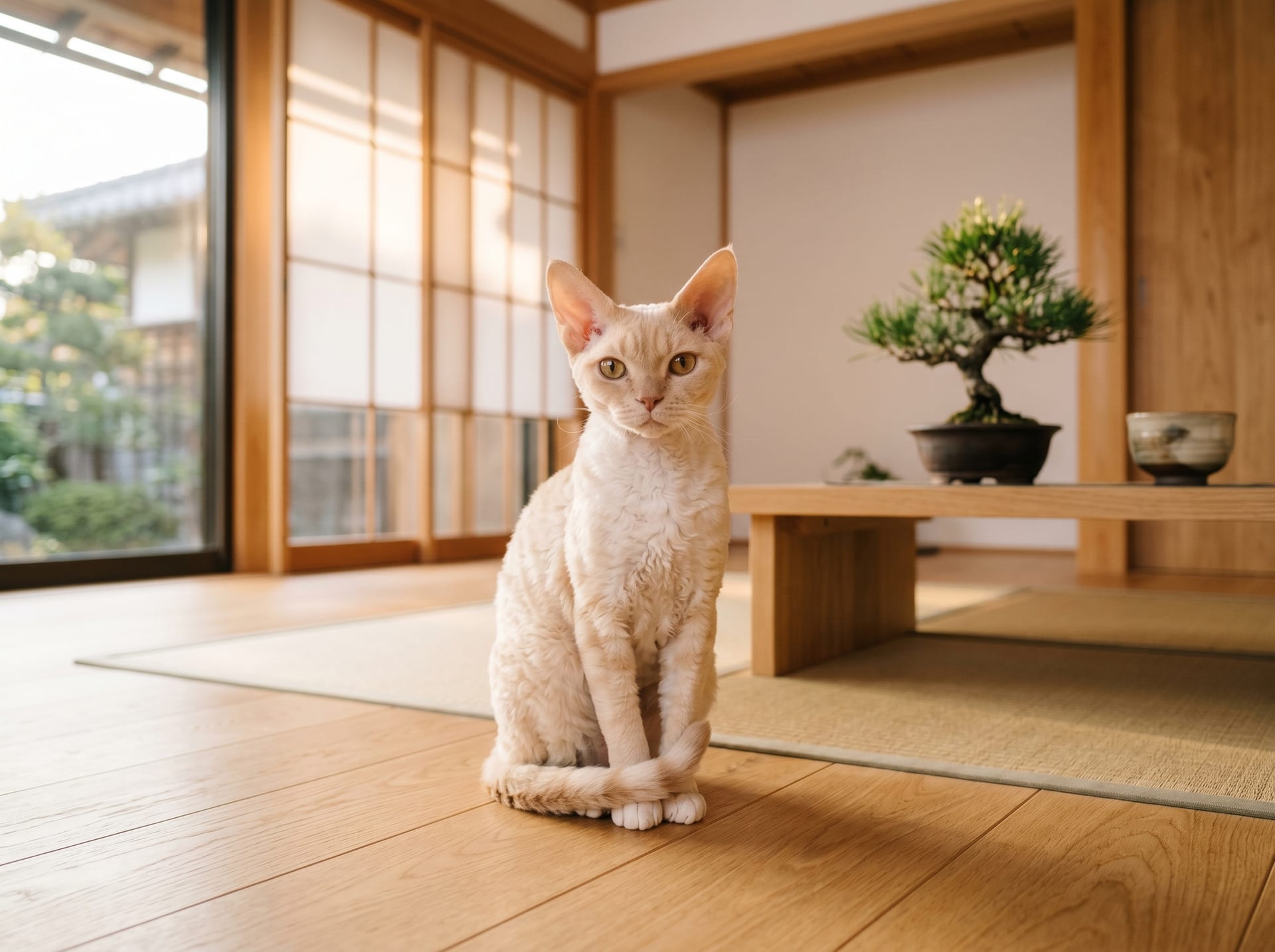
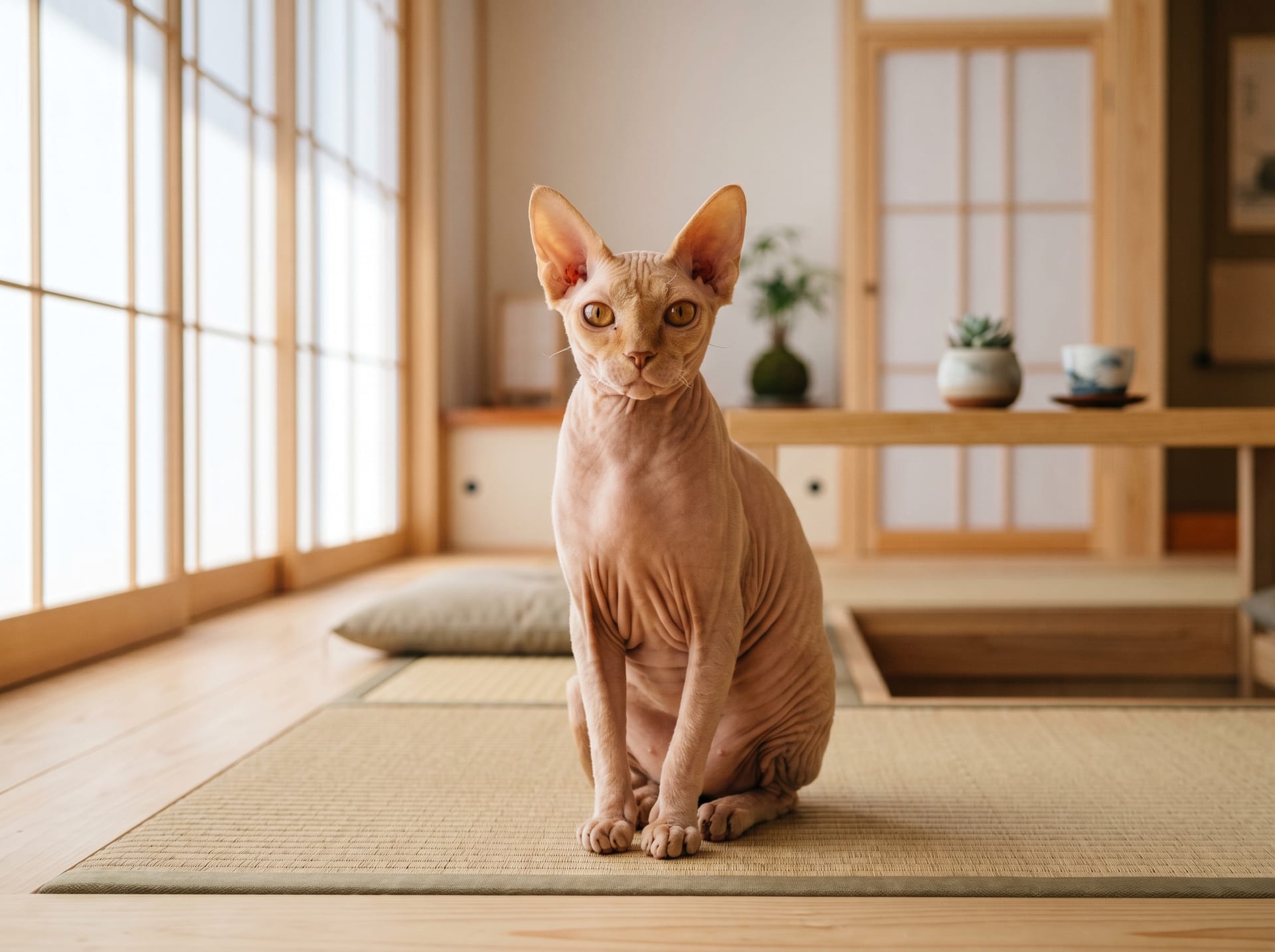
Short-haired or hairless breeds such as Sphynx and Devon Rex
Kittens under 6 months old and senior cats over 10 years old
Cats with pre-existing conditions such as kidney disease, heart disease, or thyroid disorders
Cats with low body weight and minimal body fat
Concrete Winter Measures
Room Temperature Control
Adult cats should be kept at 18–22°C (64–72°F), while senior, ill, and young cats do better at 22–25°C (72–77°F). Combining AC with panel heaters ensures the entire area where your cat moves stays warm.
Using Heating Products
Pet heating pads and temperature-controlled heaters are convenient but require care to prevent thermal burns. Always layer covers or blankets to prevent direct skin contact, and ensure your cat can move away freely. Commercial "cat kotatsu" (heated tent) and dome-shaped beds are also popular for their excellent insulation.
Creative Bedding Solutions
Provide multiple blankets in different materials so your cat can choose their favorite. Senior cats especially appreciate soft beds elevated slightly off the floor, as they often have joint pain. A simple bed made from a cardboard box lined with blankets is also highly effective for warmth and remains a cat favorite.
Humidity Control (An Often-Overlooked Factor)
Heating equipment causes indoor humidity to drop rapidly. In dry environments, your cat's bronchi and upper airway mucous membranes become damaged more easily, increasing susceptibility to colds and upper respiratory infections (feline URI). Ideally, maintain humidity at 40–60% using a humidifier. If you don't have a humidifier, simply hanging wet laundry indoors can help.
Special Care for Brachycephalic Breeds
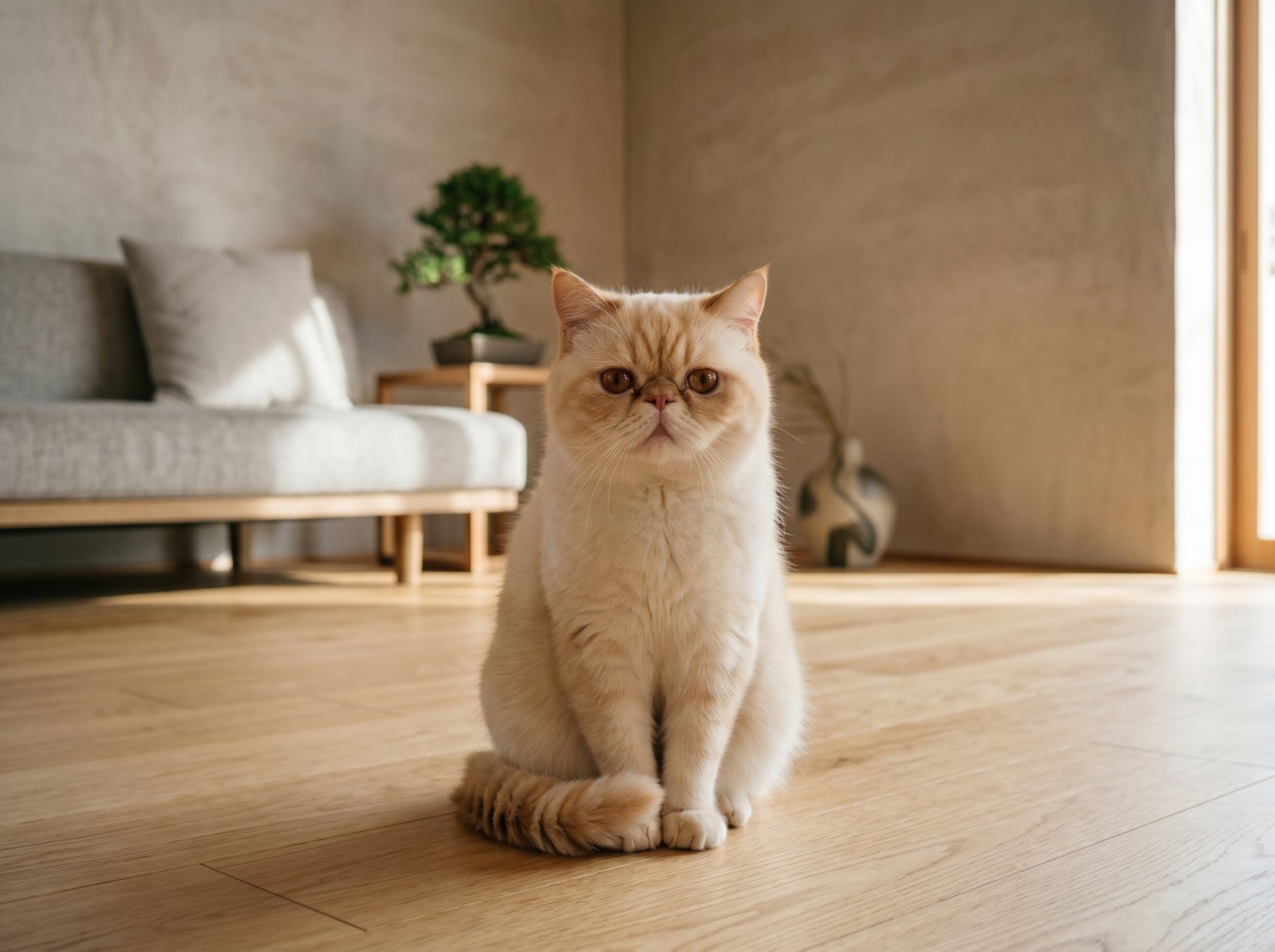
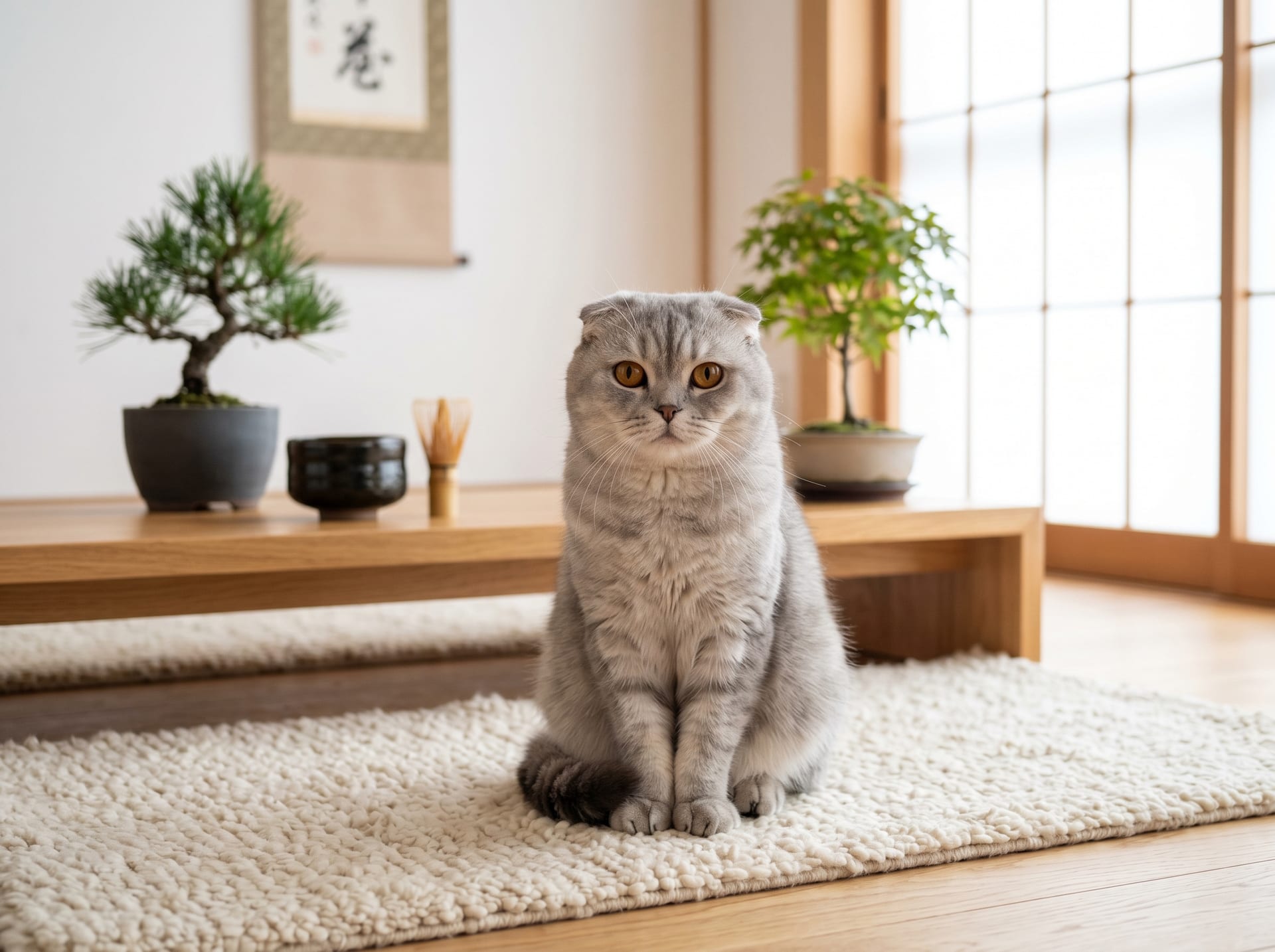
Brachycephalic breeds such as Scottish Fold, Persian, and Exotic Shorthair have naturally compromised airway structures due to their short faces. When dry air and cold combine, respiratory symptoms worsen easily. Pay extra attention to humidity and room temperature control. If nasal congestion or nasal discharge persists, consult your veterinarian early.
Seasonal Transitions & Year-Round Care Tips
Brushing During Shedding Season
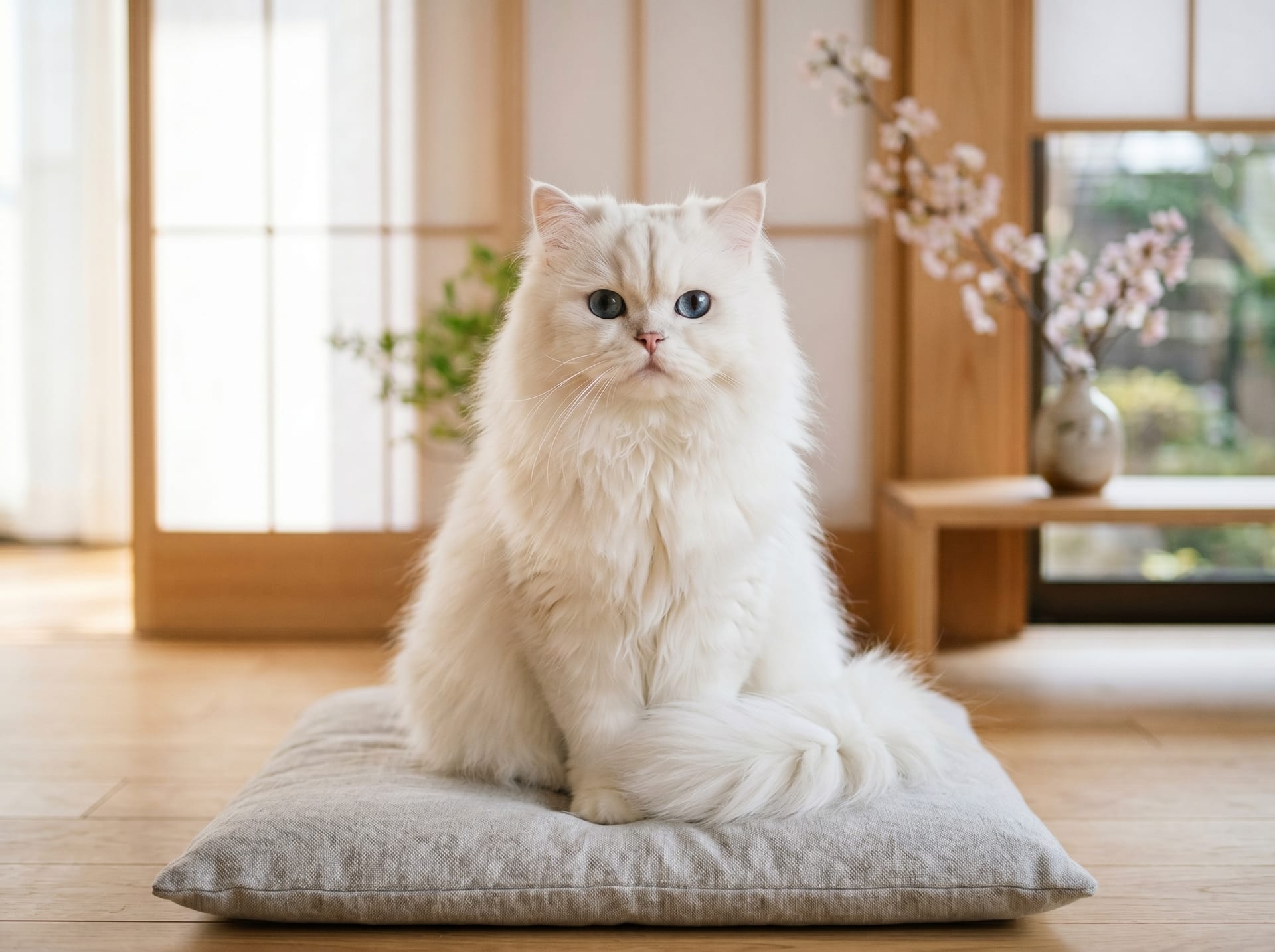
Spring and fall are shedding seasons when cats shed large amounts of hair. Increase brushing frequency to prevent hairball blockage in the digestive tract. Long-haired cats should be brushed daily; short-haired cats at least 2–3 times per week. Hairball prevention treats and paste supplements are also effective.
Daily Health Monitoring Habits
Sudden temperature changes can trigger health issues. Develop a daily habit of checking these points:
Changes in appetite (reduced food intake)
Water consumption (watch for excessive increase or decrease)
Litter box frequency and urine color
Coat shine, eye discharge, and nasal discharge
Any unusual lethargy or lack of energy
Conclusion | Extend Your Cat's Healthy Lifespan with Seasonal Care
The foundation of seasonal cat care is avoiding extreme temperature fluctuations. In summer, prevent heat stroke and dehydration; in winter, guard against hypothermia and dryness. Focusing on these two points alone prevents most seasonal illnesses.
Senior cats, cats with health conditions, and certain breeds have lower tolerance for temperature changes than typical cats and require more careful observation and care. Pay close attention to subtle changes in your cat's behavior, maintain daily communication with your pet, and create a comfortable living environment.
At BreederDirect, cat breeders with deep knowledge of individual breed characteristics sell directly to buyers. Many breeders offer pre- and post-purchase husbandry consulting, providing a welcoming environment to ask questions about seasonal care. We encourage you to find your healthy kitten match at BreederDirect.