Dog Summer and Winter Care | How to Protect Your Dog from Heat and Cold
Explains seasonal care strategies to prevent heat stroke and hypothermia in dogs. Introduces tips for summer walk timing, air conditioning settings, and hydration, as well as winter protective gear, moisture control, and special care for brachycephalic breeds and senior dogs.
Key Takeaways
Explains seasonal care strategies to prevent heat stroke and hypothermia in dogs. Introduces tips for summer walk timing, air conditioning settings, and hydration, as well as winter protective gear, moisture control, and special care for brachycephalic breeds and senior dogs.
Related Species
Dogs are not as effective at thermoregulating as humans. While humans have sweat glands throughout their entire body and can lower body temperature through perspiration, dogs have sweat glands only in part of their paws. Dogs rely mostly on "panting," rapid breathing with the mouth open, for temperature regulation. When temperatures become extremely high or low, this function alone cannot adequately cope.
Japan's summers are hot and humid, and winters are cold in many regions, both placing significant stress on dogs' bodies. While tolerance varies by breed, age, and health status, proper seasonal care is essential for all dogs. This article provides concrete strategies for both summer and winter care.
Summer Heat Precautions | Protecting Your Dog from Heat Stroke
Understanding Conditions Where Heat Stroke Is Likely to Occur
Heat stroke in dogs occurs not only during outdoor exercise on hot days, but also in unexpected places such as poorly ventilated rooms, parked cars, and sun-exposed balconies. Body temperature is most likely to spike suddenly on days when the temperature exceeds 30°C (86°F), particularly during midday hours.
The following breeds and conditions are at particularly high risk and require careful management.
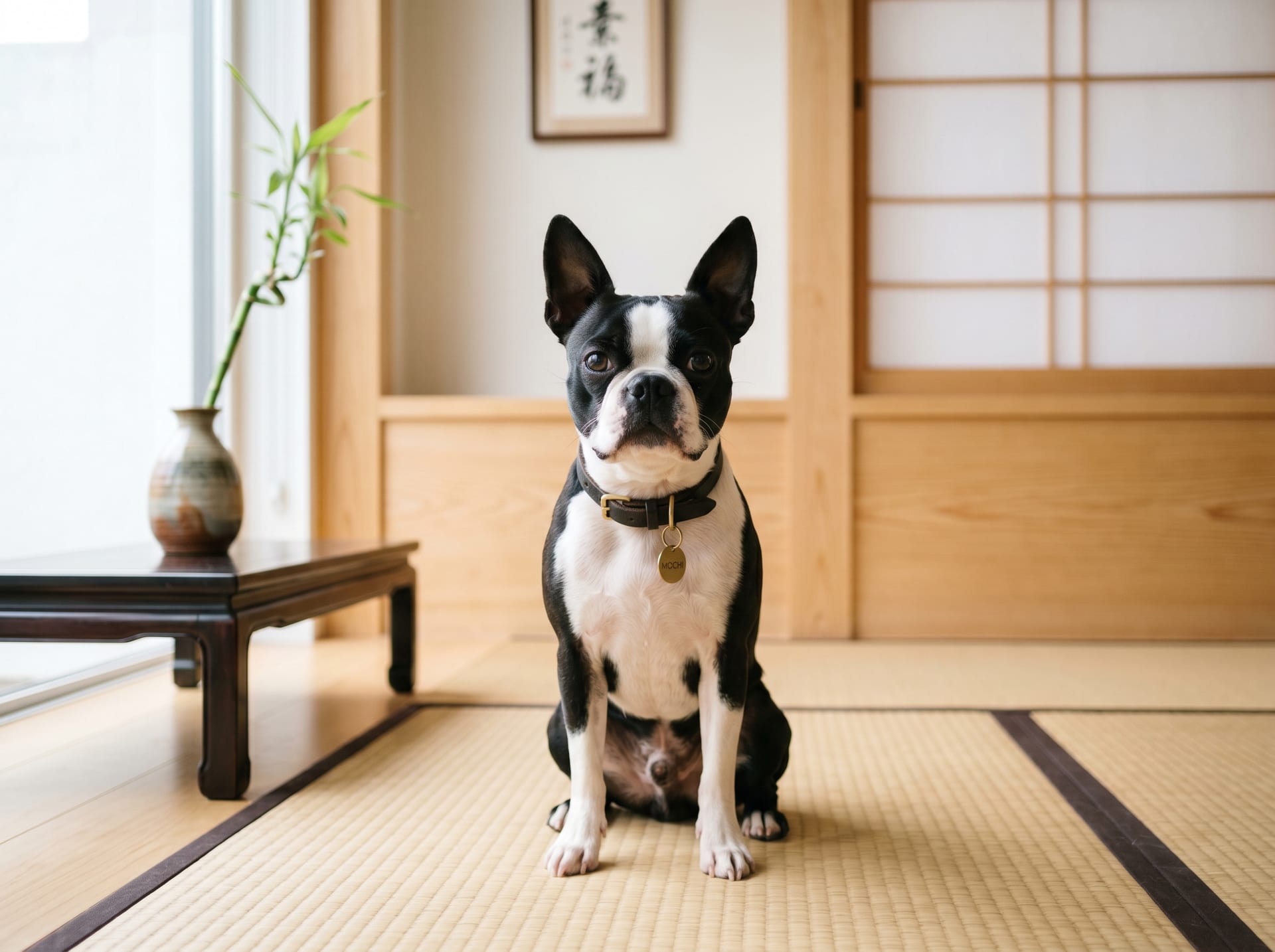
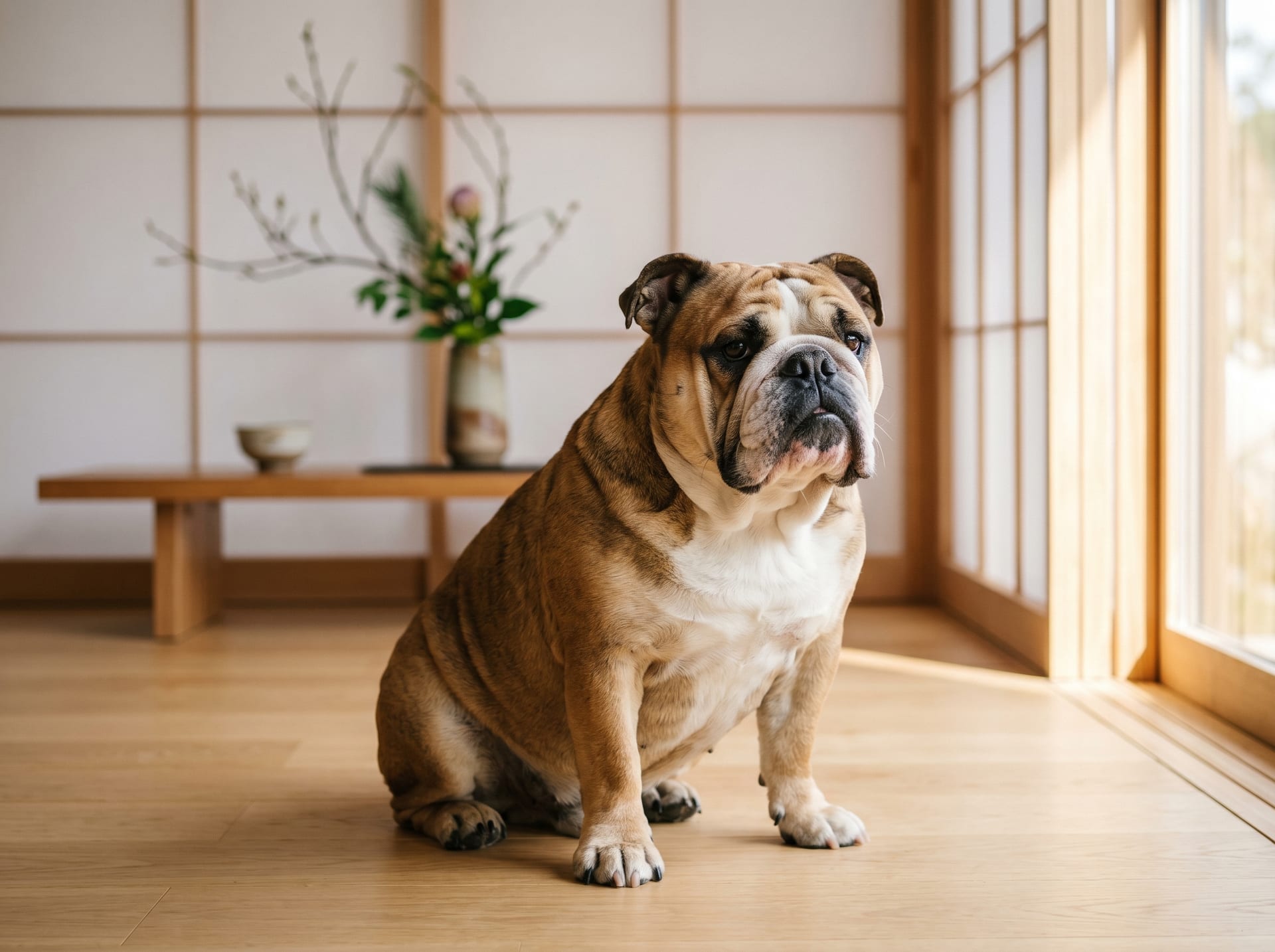
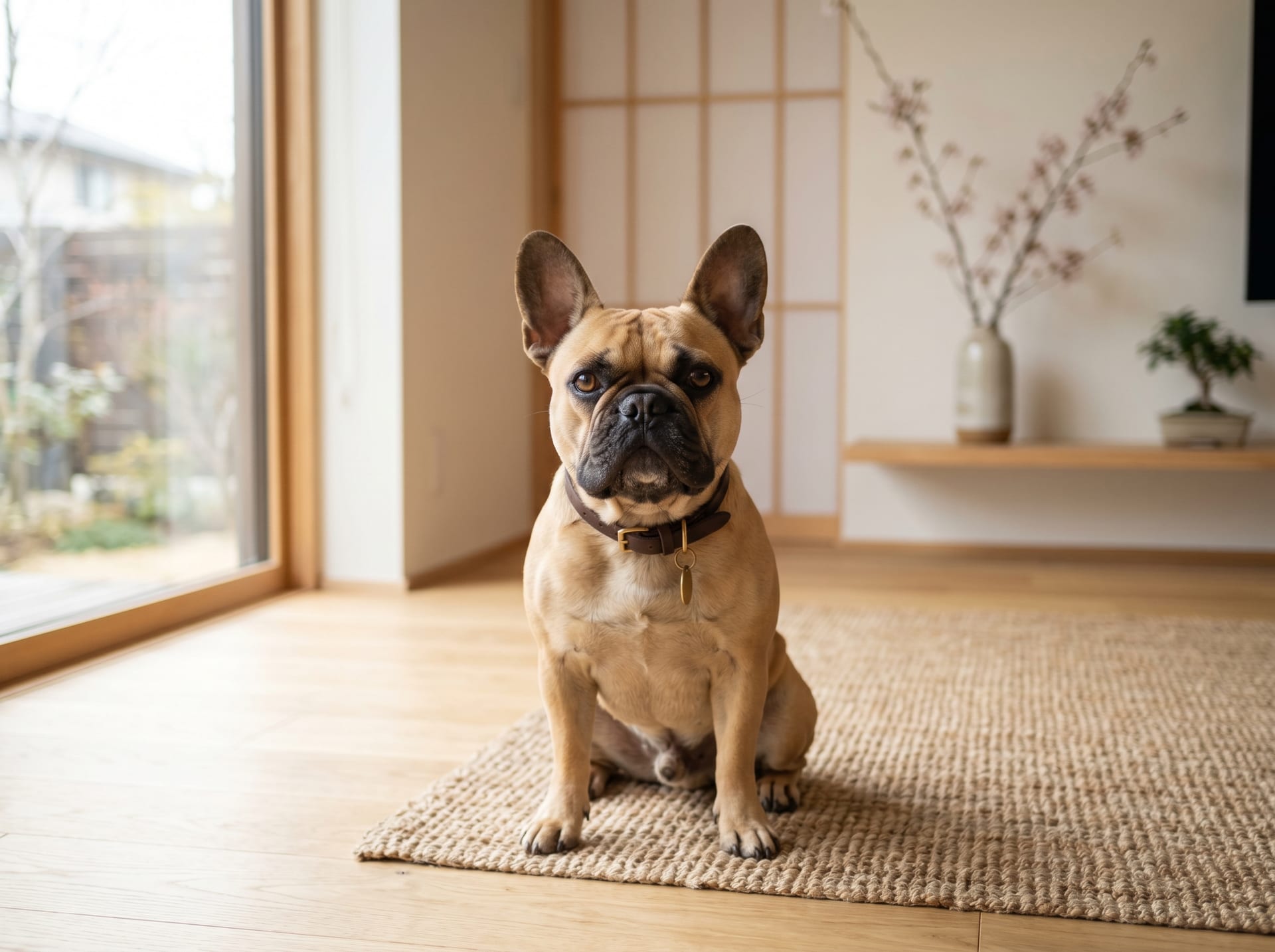
Brachycephalic breeds (French Bulldogs, Pugs, Boston Terriers, Shih Tzus, etc.): narrow nasal passages make panting less efficient
Obese, senior, and young puppies: thermoregulation function is not fully developed or effective
Dogs with heart disease or respiratory conditions: difficulty dissipating heat through respiration
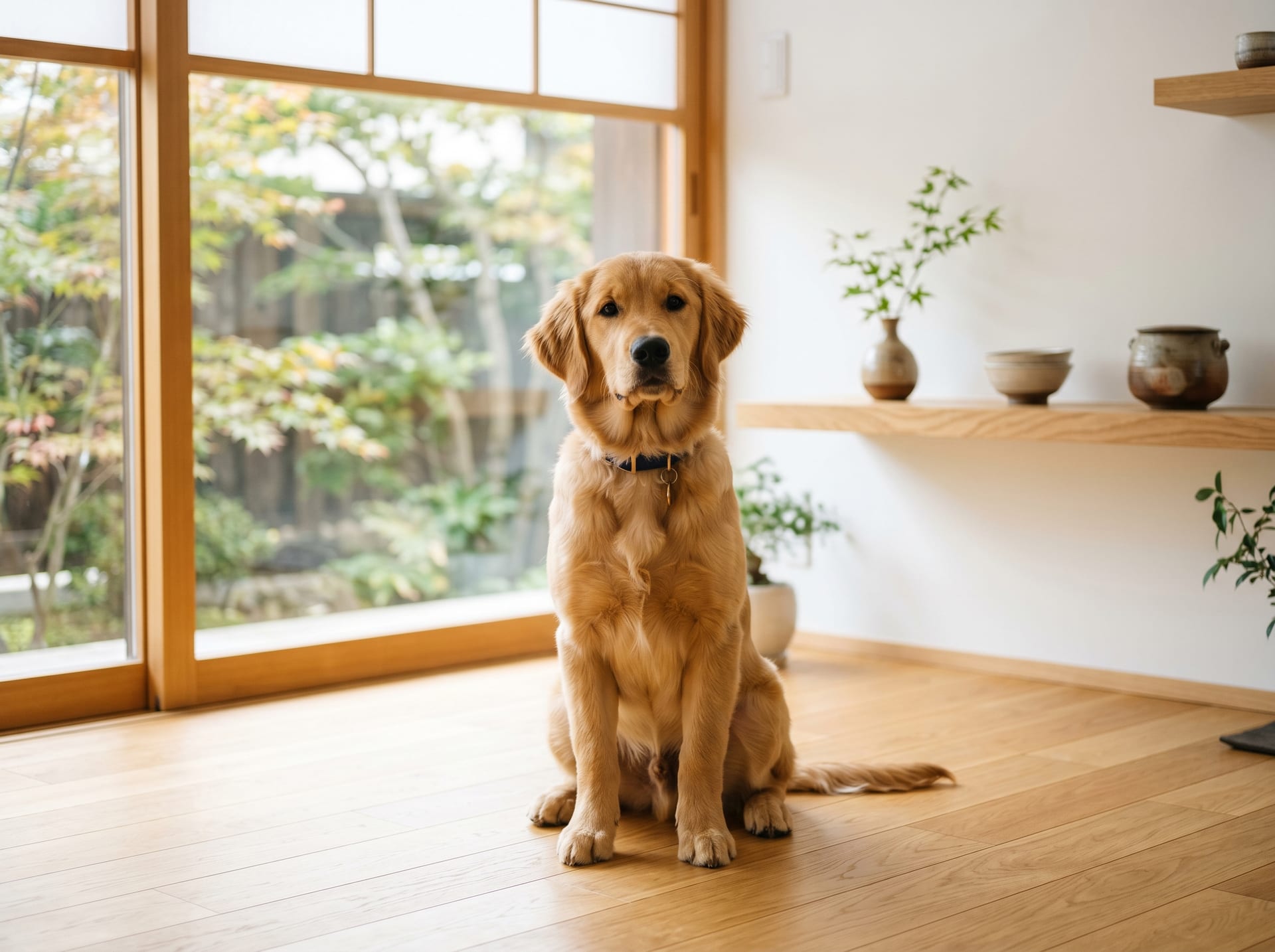
Large dogs with double coats (Golden Retrievers, Siberian Huskies, etc.): thick coats trap heat easily
Specific Summer Care Methods
Pay Attention to Walk Timing and Ground Temperature
The most commonly overlooked aspect of summer walks is the surface temperature of asphalt. On days when the air temperature reaches 35°C (95°F), asphalt surfaces can reach 60°C (140°F) or higher. Paw pads are covered only by thin skin and can suffer burns and inflammation from prolonged contact.
✍️
BreederDirect Editorial
The BreederDirect editorial team specializes in care information for animals, covering veterinary care and breeding to deliver beginner-friendly guides.
Find Dogs on BreederDirect
Buy directly from verified breeders
Browse Related Listings
Find Dogs listings related to this article on BreederDirect. Buy directly from verified breeders.
Aim for walks before 6 a.m. or after 8 p.m. Before going out, place your palm on the asphalt for 5 seconds. If it feels too hot to your hand, it is still unsafe for your dog.
Managing Indoor Environment
Keep indoor temperature at 26-28°C (79-82°F) using air conditioning. Run the air conditioning even when your dog is home alone. Leaving your dog in a closed room, thinking "it's only a short time," can cause the temperature to rise quickly.
It is also important to shield cages and rest areas from direct sunlight using curtains or blinds.
Ensure Adequate Hydration
Always provide fresh water in multiple locations. Especially in summer, water spoils easily, so ideally change it 2-3 times a day. When going out, always bring a portable collapsible bowl and water.
Signs of Heat Stroke and Emergency Response
If your dog shows any of the following signs, suspect heat stroke.
Lethargy and lack of movement
Excessive panting (tongue may turn bright red)
Excessive drooling
Vomiting or diarrhea
Stumbling or difficulty maintaining consciousness
What to do immediately upon discovery: Move your dog to a cool place (air-conditioned room or shade) and apply a wet towel to the armpits, neck, groin, and paw pads to cool down. Do not give large amounts of cold water at once, as it may strain the body; give small amounts instead. If symptoms do not improve or consciousness does not return, contact an animal hospital immediately.
Winter Cold Precautions | Keeping Your Dog Warm
Cold Tolerance Varies Greatly by Breed
While it's often assumed that dogs are cold-hardy because they have fur coats, this applies only to certain breeds. Cold tolerance varies significantly depending on coat type, body size, and fat reserves.
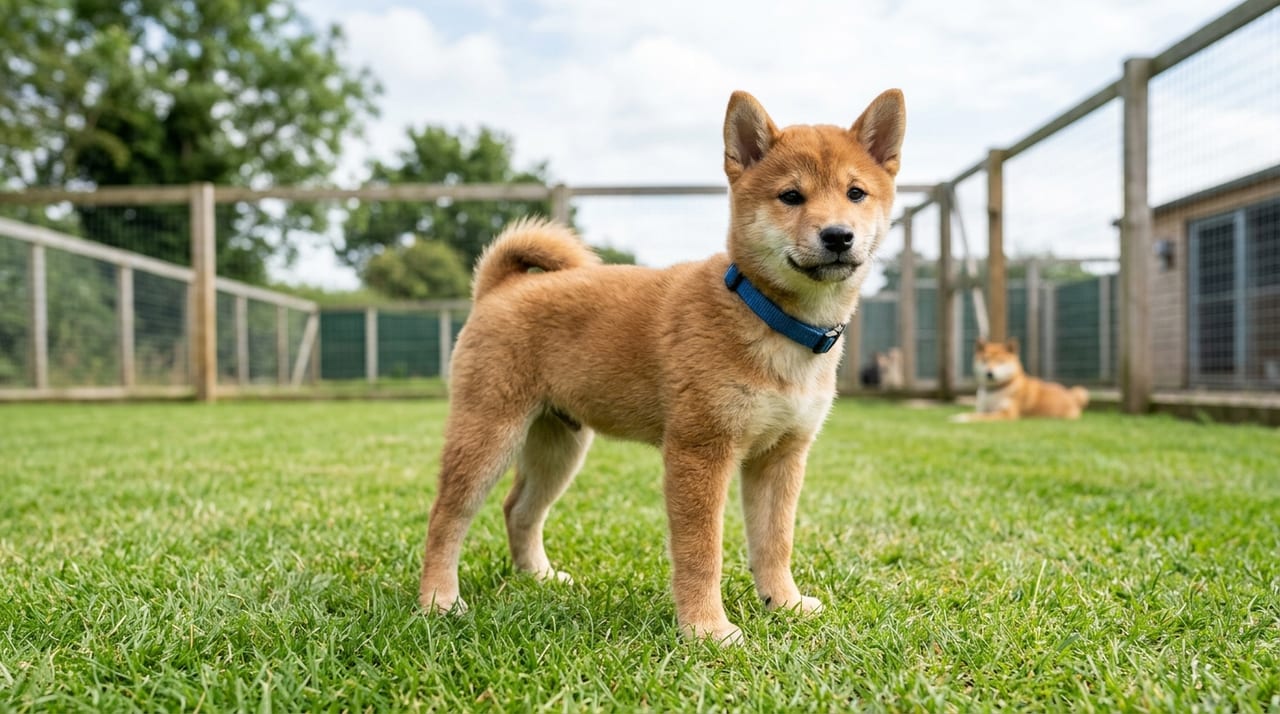
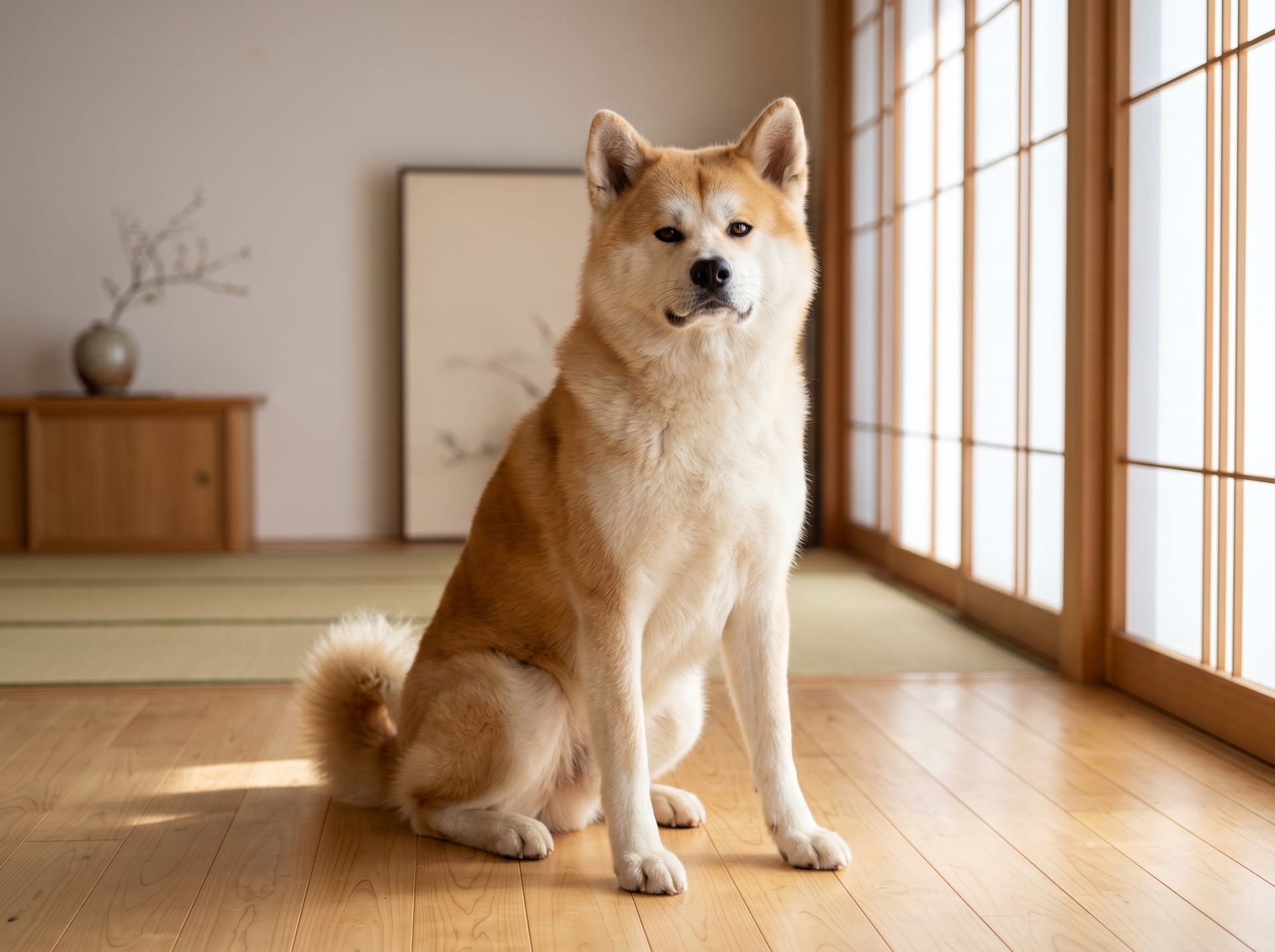
Breeds relatively resistant to cold: Shiba Inus, Akitas, Siberian Huskies, Golden Retrievers (double coat, medium to large)
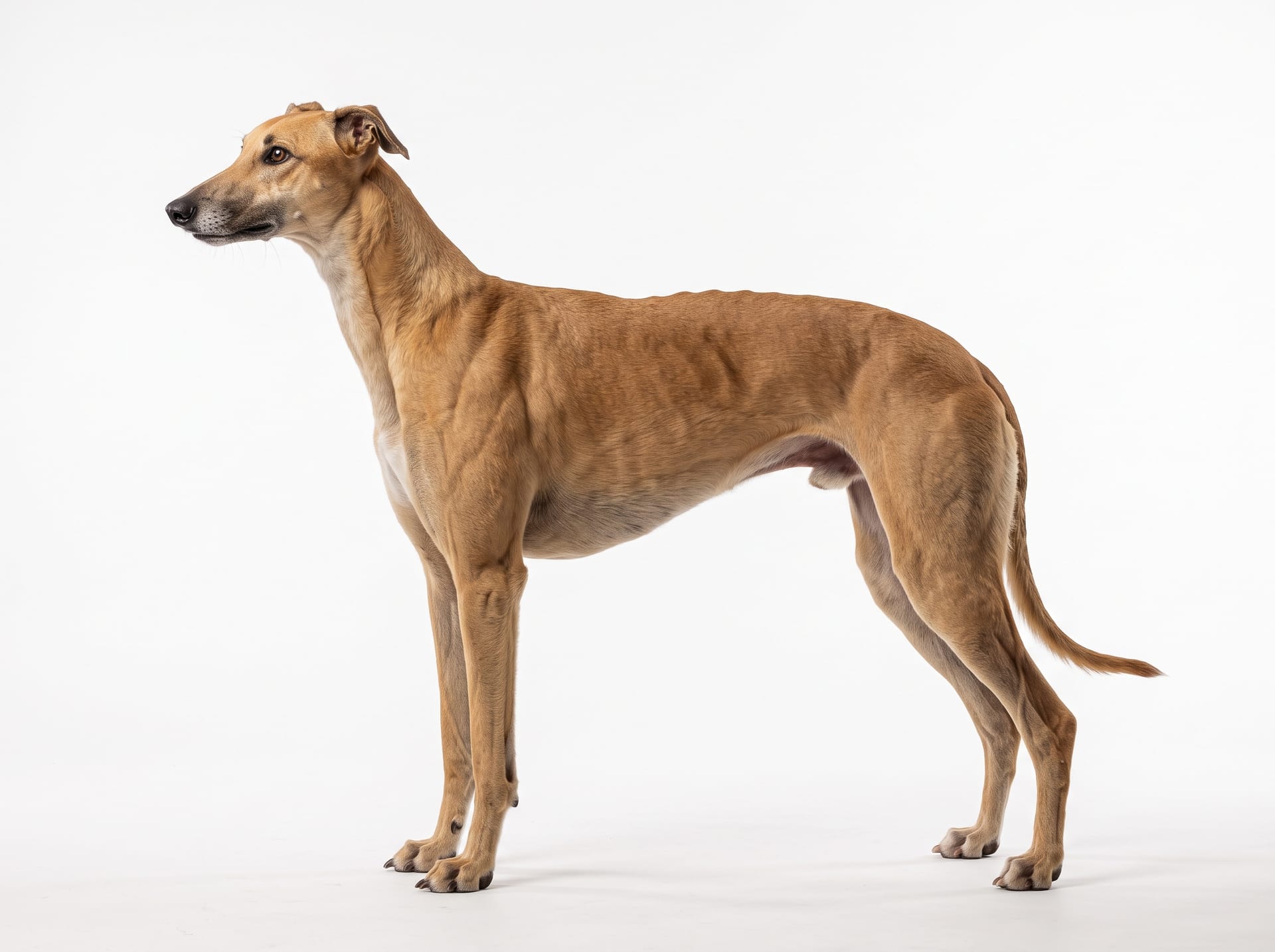
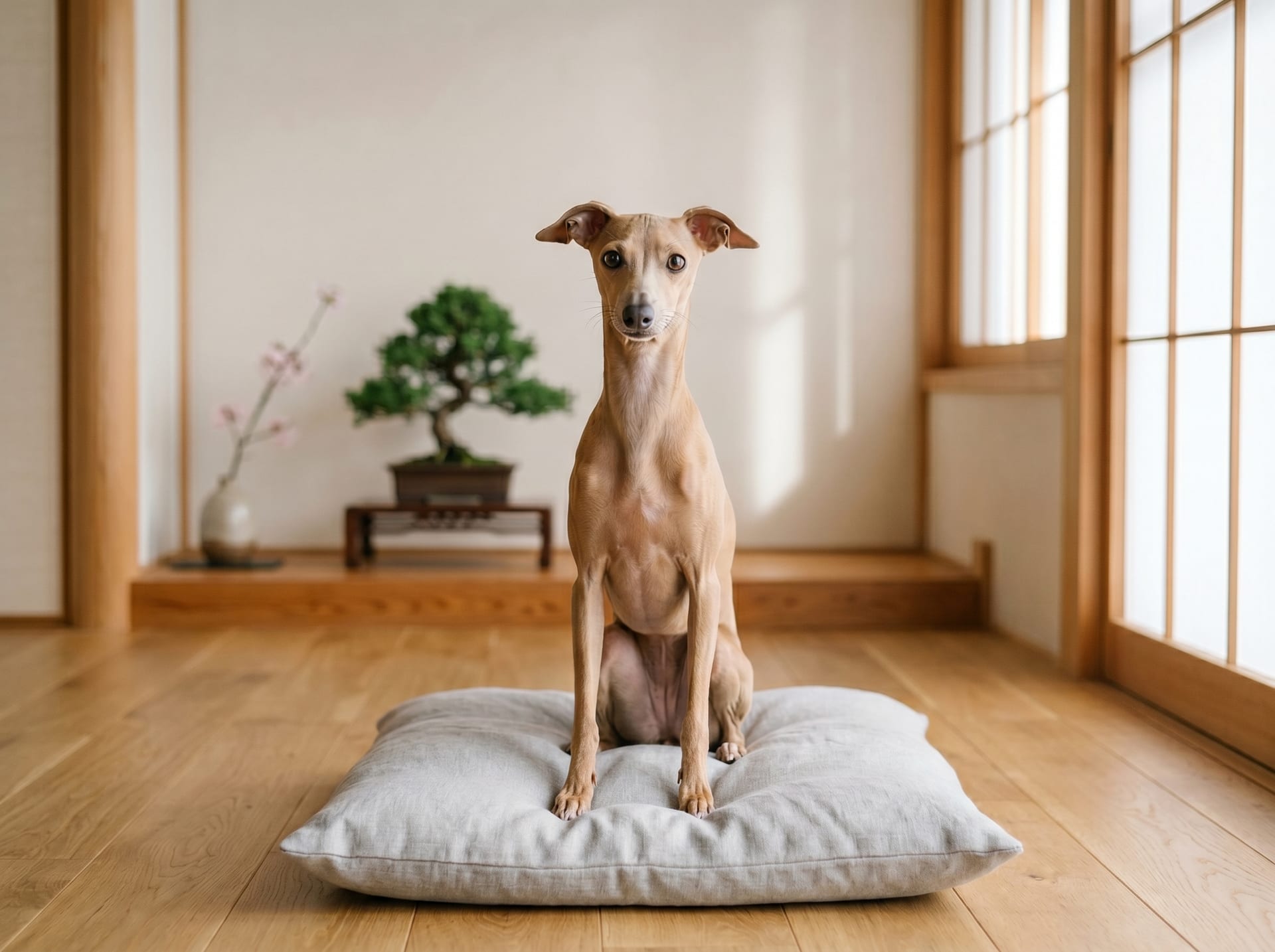
Breeds sensitive to cold: Chihuahuas, Toy Poodles, Italian Greyhounds, Miniature Pinschers (single coat, small, lean)
Require special care: senior dogs, puppies, dogs recovering from illness, underweight dogs
Indoor Environment and Winter Gear
Maintain Appropriate Room Temperature
Keep room temperature around 16-22°C (61-72°F). For senior dogs or those with health issues, 22-25°C (72-77°F) is safer. Floors can be colder than you perceive, so use thick cushions or mats to block cold air from below.
Clothing and Blankets
Suddenly putting clothes on a dog unaccustomed to wearing them can cause significant stress. Start with short wearing periods and gradually acclimate while observing for signs of distress. For dogs that dislike clothing, simply adding a blanket to their bed provides adequate warmth.
Don't Forget Moisture Control
Using heating can dry out indoor air, damaging your dog's skin and airways. Increased flaking or scratching may be signs of dryness. Use a humidifier to maintain humidity around 50-60%.
Precautions for Winter Walks
Protecting Paw Pads
Frozen surfaces and snow can damage paw pads. Dog boots are effective for both insulation and protection, though many dogs take time to adjust. Practice indoors first and use them only when comfortable. If your dog won't wear boots, applying paw balm provides significant protection.
Watch for Slipping on Icy Surfaces
Dogs struggle on slippery surfaces. Particularly for senior dogs or those with joint weakness, falls on icy surfaces can cause fractures or dislocations. Change your walking route or walk slowly and carefully.
Seasonal Transitions and Coat Shedding Care
Spring and autumn bring mild weather, but they coincide with "shedding season," a period of significant physical change for dogs. Double-coated breeds shed heavily and require daily brushing. Neglecting shed hair can lead to matting and skin inflammation, so careful grooming is essential.
During this season of large temperature fluctuations, many dogs develop health issues. Daily observation of appetite, activity level, and bowel habits is important. Consult a veterinarian early if you notice any unusual changes.
Summary | Seasonal Care Protects Your Dog's Health
Dogs' thermoregulation differs from humans and is more susceptible to environmental factors. Summer care centers on temperature management, strategic walk timing, and hydration to prevent heat stroke. Winter care focuses on insulation, moisture control, and paw protection.
What matters most is abandoning assumptions like "it's probably fine" and providing careful, individualized care based on your dog's breed, age, and health status. Closely observing your dog's daily behavior and not missing subtle changes is the most important habit for protecting long-term health.
Adjust your dog's environment as seasons change and provide solid support as a responsible owner so your dog can remain comfortable year-round.