Bird Sound Management in Apartments | Soundproofing Products and How to Choose Quiet Species
For those interested in keeping birds in apartment buildings. This guide covers species-by-species noise level comparisons, how to choose soundproofing cases, managing vocalization times, and detailed tips for preventing neighbor disputes.
Key Takeaways
For those interested in keeping birds in apartment buildings. This guide covers species-by-species noise level comparisons, how to choose soundproofing cases, managing vocalization times, and detailed tips for preventing neighbor disputes.
Related Species
Why Bird Noise Issues Occur in Apartment Living
The biggest challenge when keeping birds in apartments or condominiums is "noise complaints from bird vocalizations." Bird calls are concentrated in high frequencies and easily penetrate walls. Early morning calls between 5–7 AM can particularly disturb neighbors' sleep, and situations often arise where they violate building pet policies.
Apartment walls typically transmit mid-to-high frequencies (1000–4000 Hz) more easily than low frequencies below 100–200 Hz. The calls of budgerigars and lovebirds fall right in this frequency band, making sound leakage to adjacent units significant. Before acquiring a bird, it's important to understand "what kind of voice it has and how frequently it vocalizes," then develop countermeasures accordingly.
How to Choose Quiet Species and Individual Birds
The first step in managing vocalization is "choosing a naturally quiet species" in the first place. The following are species with relatively quiet calls and considered suitable for apartment living:
Quiet Birds Suited for Apartments
- Java Sparrow: Chirping is soft and gentle. Calls rarely exceed 90 dB and are difficult to hear through walls.
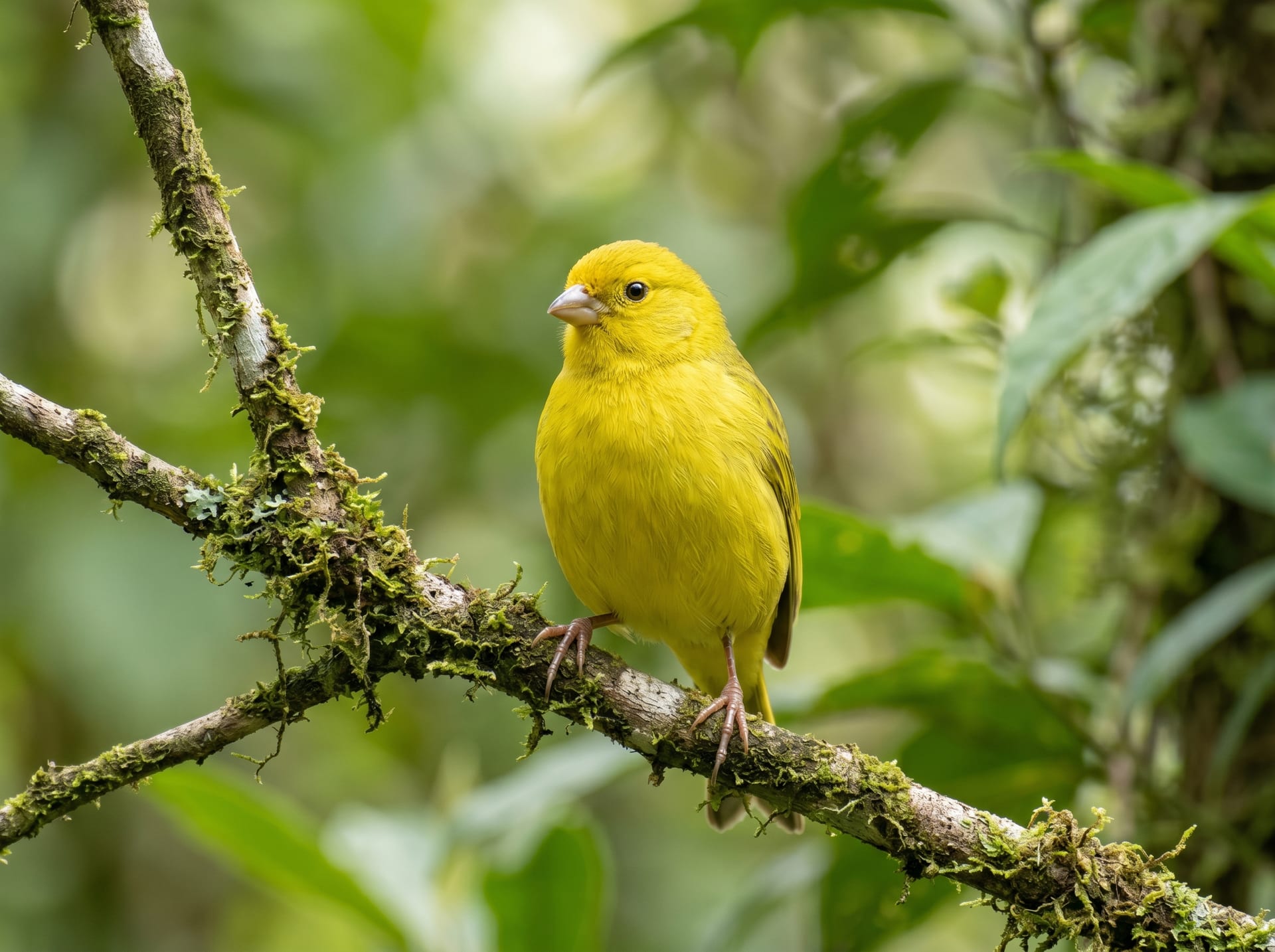
- Canary: Song is beautiful but moderate in volume. Since only males sing, choosing a female will be even quieter.
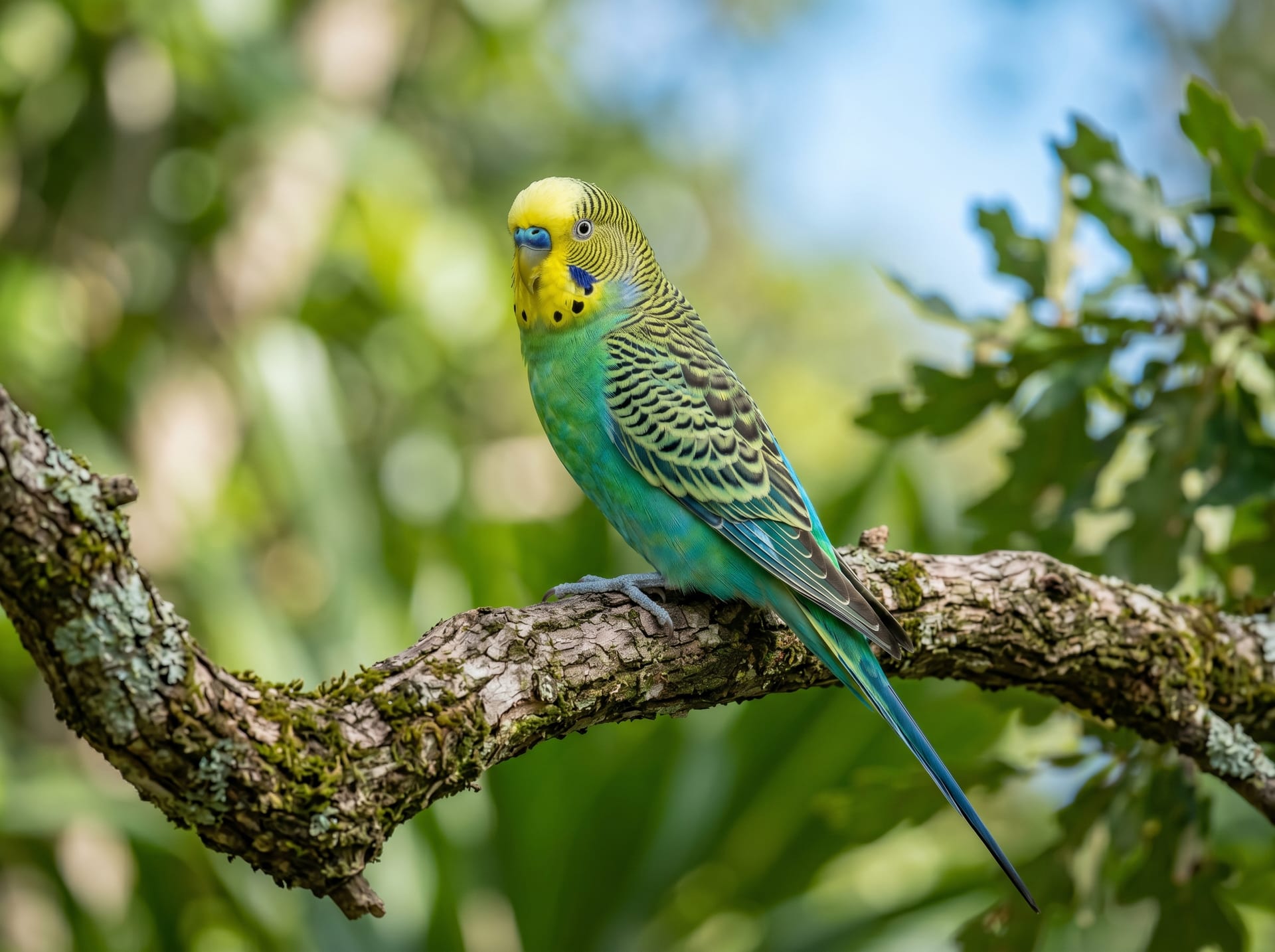
- Budgerigar: Individual differences are significant, but females and calm individuals tend to be relatively quiet. However, volume can increase once they learn to "talk."
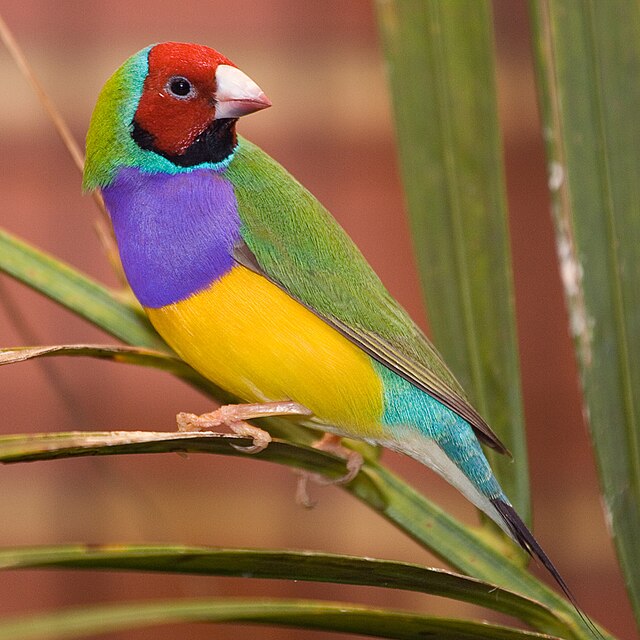
- Double-barred Finch / Bengalese Finch: Finch species are generally quiet overall, with chirping resembling electronic sounds that doesn't carry as much.
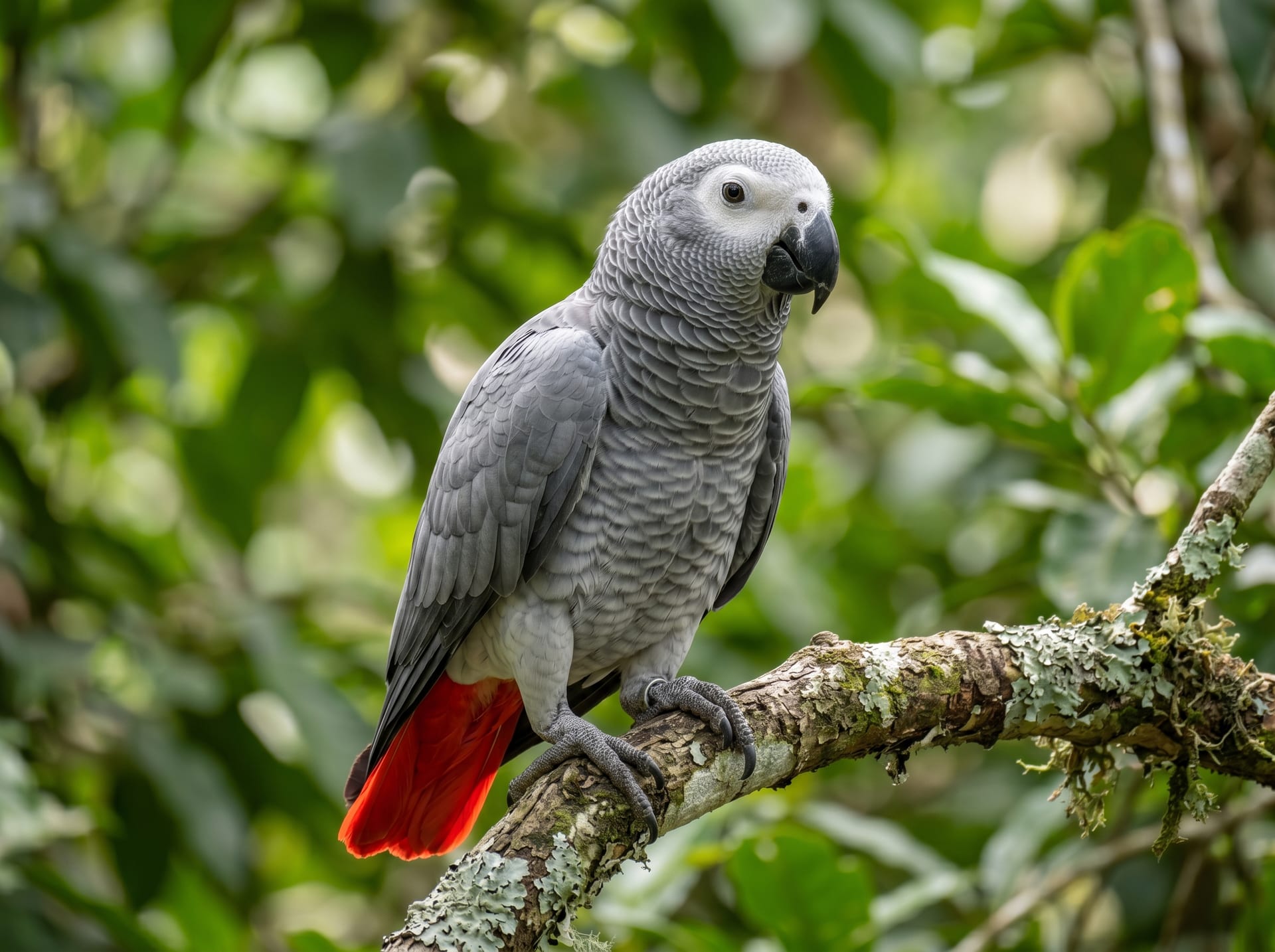
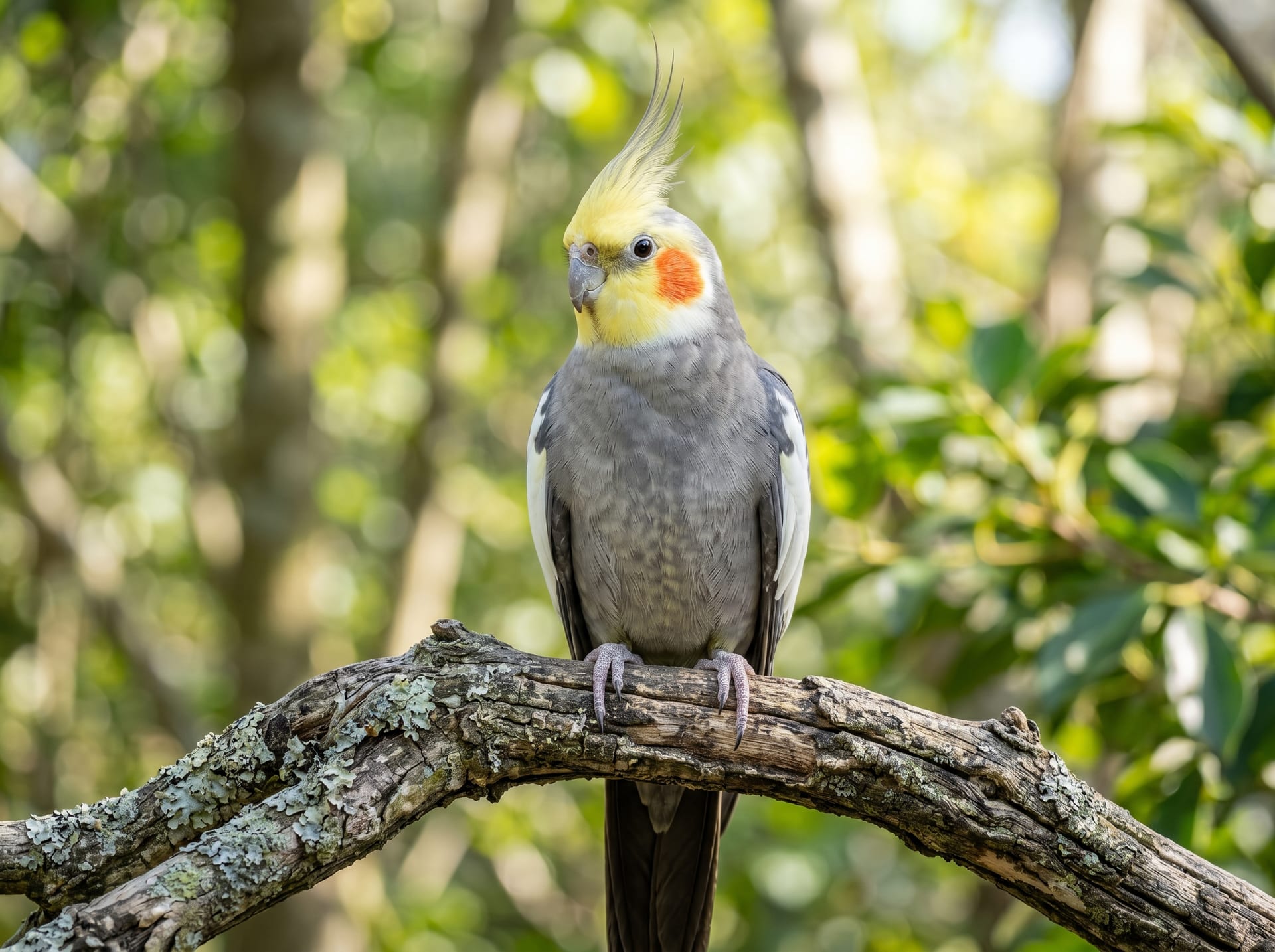
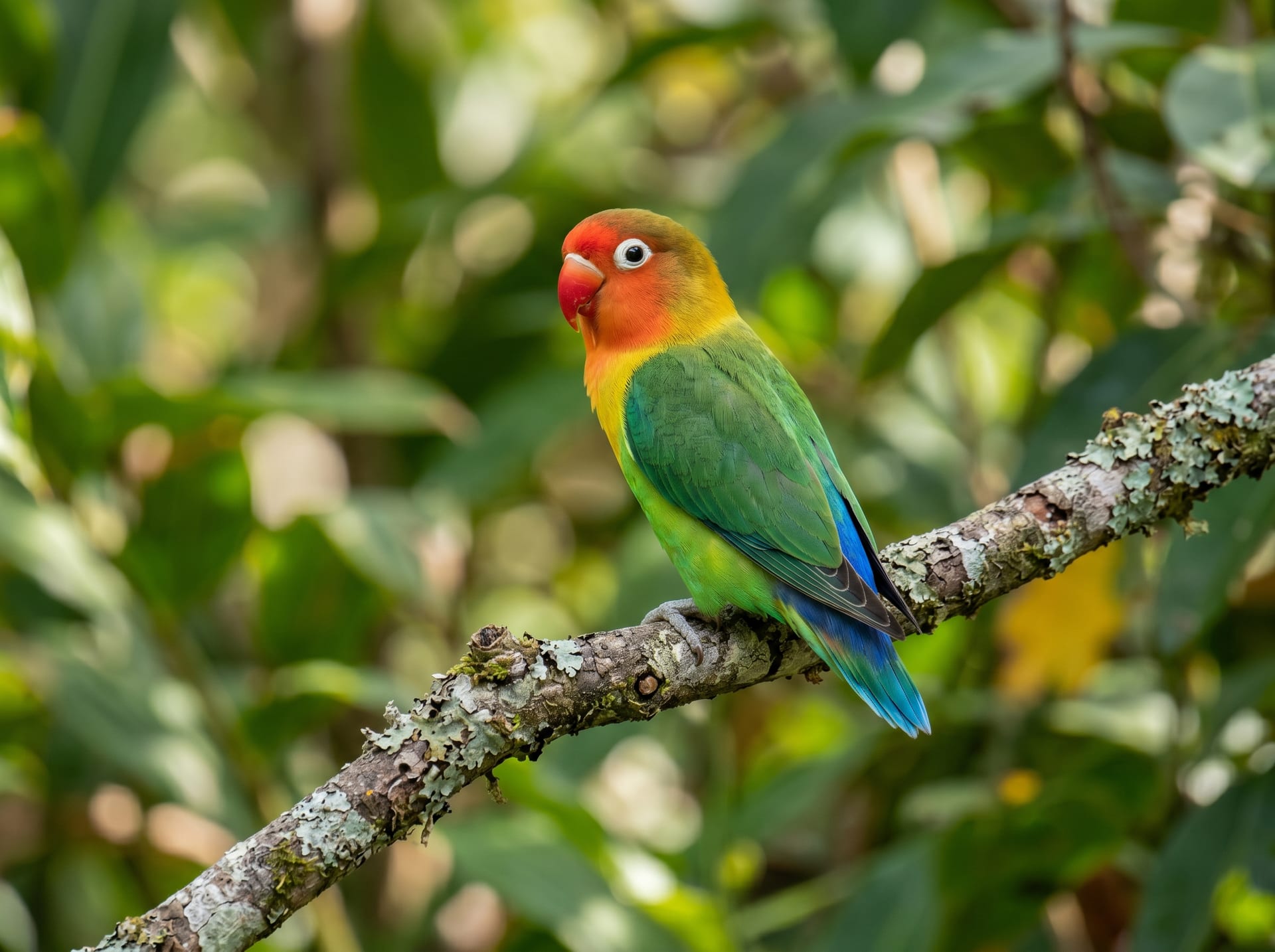
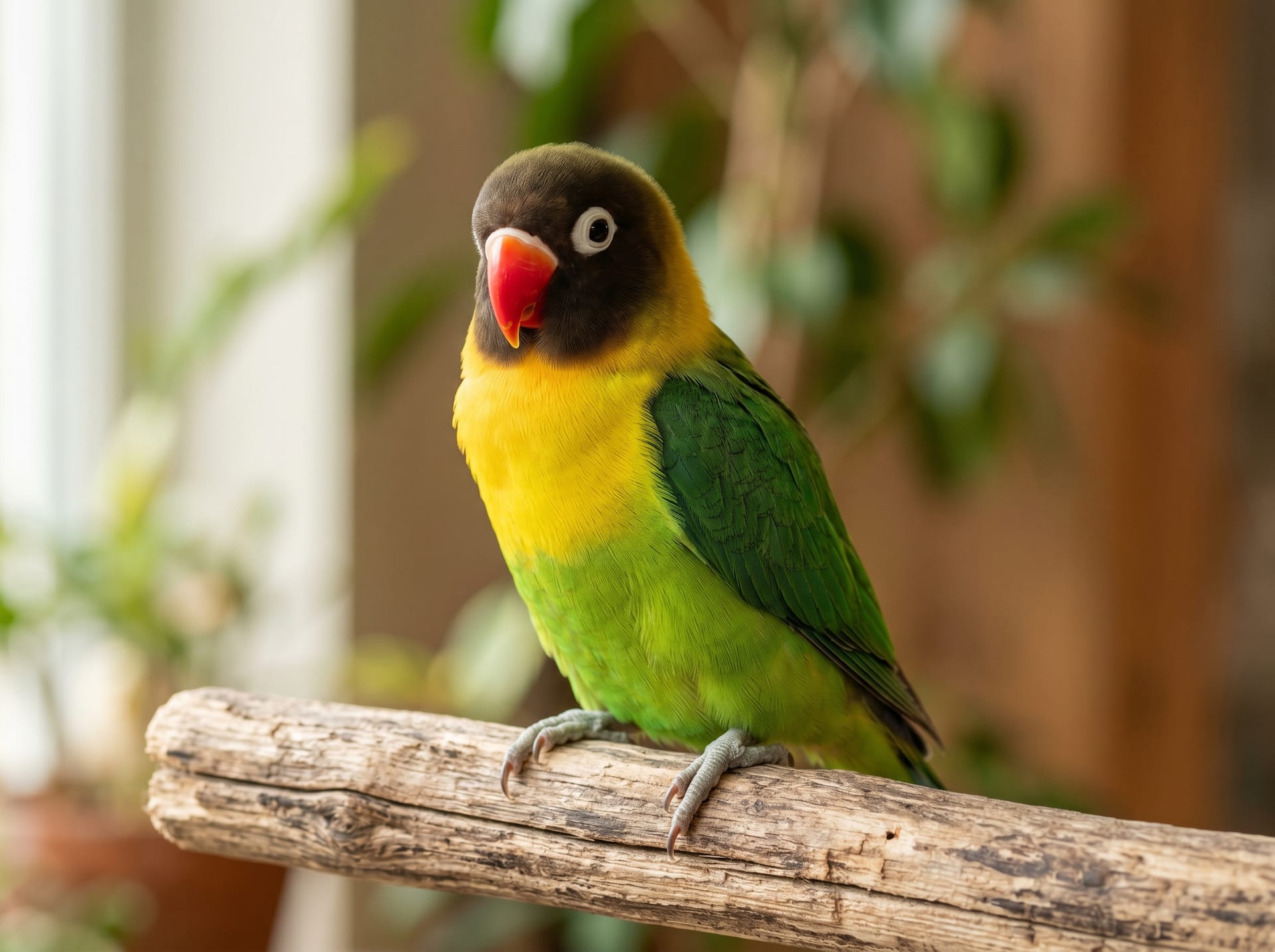
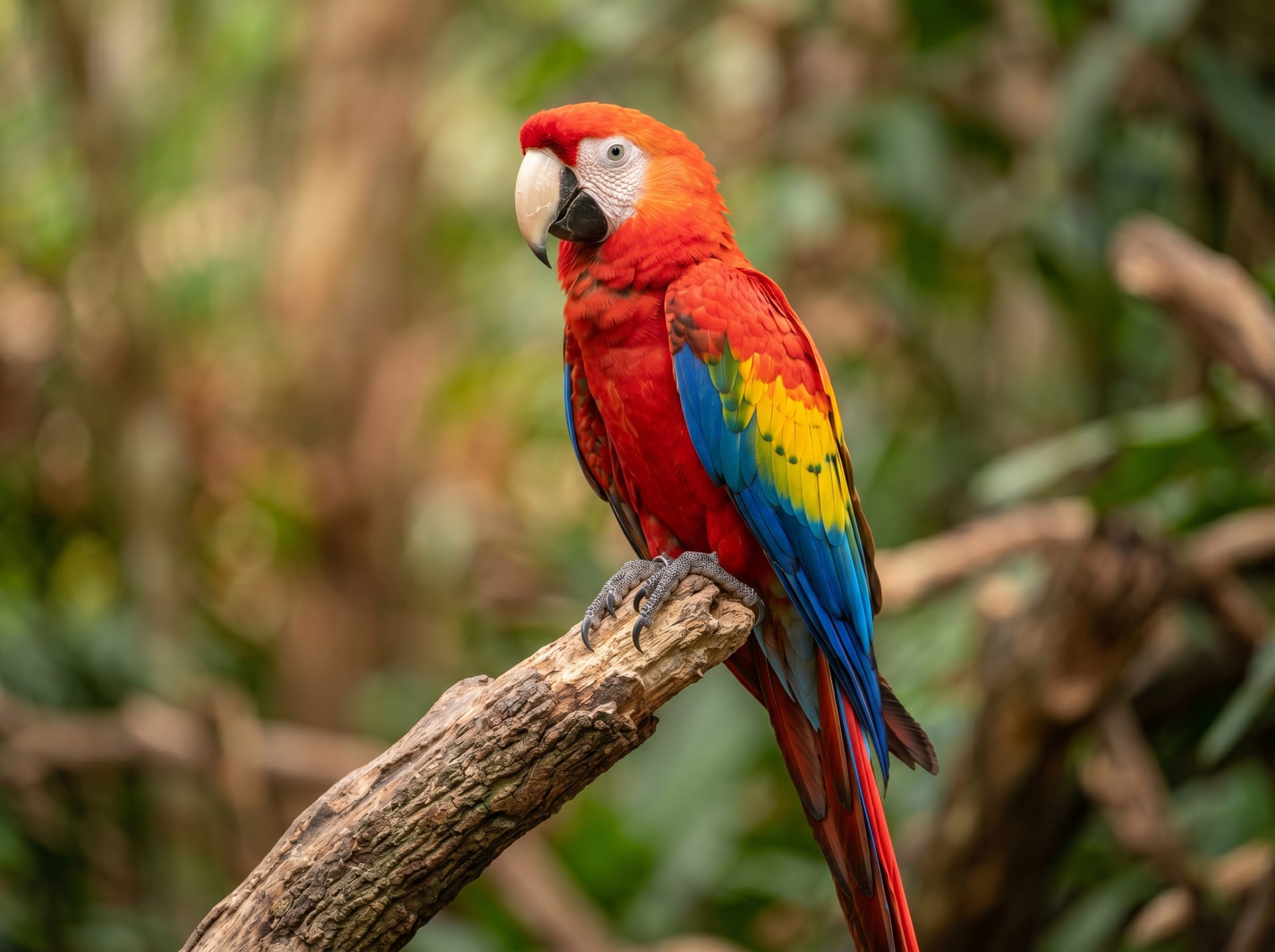
In contrast, Cockatiels, Lovebirds, and Golden-capped Conures have loud calls requiring substantial soundproofing measures. Macaws and African Grey Parrots are off the table in terms of volume—keeping them in apartments is not realistic.
When purchasing directly from a breeder, confirm "vocalization tendencies" beforehand. With adult birds, you can hear the actual call before purchasing, reducing the risk of individual variation.
Using Soundproof Cage Covers
The most immediately effective noise-reduction product is the soundproof cage cover. Both commercial and homemade versions exist, with material selection determining effectiveness.
Choosing Commercial Products
Fabric covers with soundproofing material sewn inside are the mainstream option. When selecting, confirm the following:
- Density of soundproofing material: Higher weight provides better sound insulation (target 4 kg per square meter or more)
- Presence of ventilation holes: Sealing completely can cause oxygen deprivation in the bird, so ventilation-equipped covers are safer
- Ease of sizing: Better fit against the cage increases effectiveness
Tips for DIY Construction
The "Taiko Soundproof Sheet 455H" from home improvement stores or lead sheets sandwiched between fabric covers have proven effective. The ideal construction is three layers: breathable fabric on the outside, soundproofing sheet in the middle, and acoustic foam on the inside. However, excessive weight reduces ventilation, so adjust in consultation with your bird's health.
Important Timing Notes
Soundproof covers should be limited to sleeping hours (roughly 9 PM to 7 AM). Using the cover all day can cause stress and actually increase vocalizations. Blocking light signals to the bird that it's nighttime, promoting a natural sleep cycle and calmer behavior.
Soundproofing Renovations and Room Improvements
When cage covers alone have limitations, improving the soundproofing of the bird room itself is effective.
Cost-Effective and Impactful Measures
- Soundproof Curtains (Sound-blocking Curtains): Some products reduce sound leakage from windows by approximately 25–30 dB. Choose RESTA or Japanese-made soundproof curtains rated T-1 or higher for effectiveness.
- Soundproof Panels (Acoustic Boards): Models that simply lean against the wall can be used in rental properties. YAMAHA's "Sound Proof Panel" and Nitori's acoustic panels are readily available.
- Door Gap Tape: Gaps under doors are a major source of sound leakage. Simply applying soundproofing gap tape often noticeably reduces noise.
Cage Placement in the Room is Important
Avoid placing the cage near the wall adjacent to neighboring units. Simply moving it toward the center of the room significantly reduces vibration-carried sound through walls. Additionally, placing bookshelves or furniture against adjacent walls creates an extra buffer layer.
Behavioral Approach | Training to Reduce Vocalization
In parallel with soundproofing measures, training the bird itself to vocalize less is also effective.
Main Causes of Increased Vocalization
- Loneliness / boredom (contact calls seeking the owner)
- Territorial awareness (reactions to birds in mirrors or outside windows)
- Breeding season (males are particularly vocal)
- Hunger / anxiety
Countermeasures
For contact calls, building trust through "coming when called" is the priority. Rather than ignoring each call, regularly speaking to the bird to reassure it is more effective in the long term at reducing vocalization. Conversely, teaching the bird that "calling gets playtime" worsens the issue, so timing is critical.
Light cycle management is effective for breeding season vocalization. Limiting daily light exposure to 10–12 hours adjusts hormone levels and calms breeding behavior. If daylight is excessive (over 14 hours), breeding behavior persists, so use blackout curtains or soundproof covers to control pre-dawn and post-dusk light.
Conclusion | Combining Measures is Key
Addressing bird vocalization in apartments requires combining multiple approaches rather than relying on a single solution.
- Obtain a quiet species or individual directly from a breeder
- Use a soundproof cage cover during sleeping hours to prevent sound leakage
- Improve room soundproofing with acoustic materials and soundproof curtains
- Position the cage away from walls to minimize vibration transmission
- Reduce vocalization frequency through behavioral training and light management
By combining these approaches, you can significantly reduce the risk of vocalization-related problems. Also, confirm building regulations before moving in, and don't skip consulting management associations or greeting neighbors when necessary.
When purchasing directly from a breeder, the advantage of being able to ask in detail about the bird's personality and vocalization habits is substantial. Telling the breeder "I want to keep it in an apartment" often results in being offered birds with calm temperaments and less frequent vocalization, reducing trouble from the start of ownership.