Guide to Keeping Birds in Apartment Buildings | Noise Solutions, Odor Management, Preventing Neighbor Disputes
Explains important points when keeping birds in condos and apartments. Covers practical tips on soundproofing, odor control, suppressing breeding behavior, and how to verify pet-friendly properties.
Key Takeaways
Explains important points when keeping birds in condos and apartments. Covers practical tips on soundproofing, odor control, suppressing breeding behavior, and how to verify pet-friendly properties.
Related Species
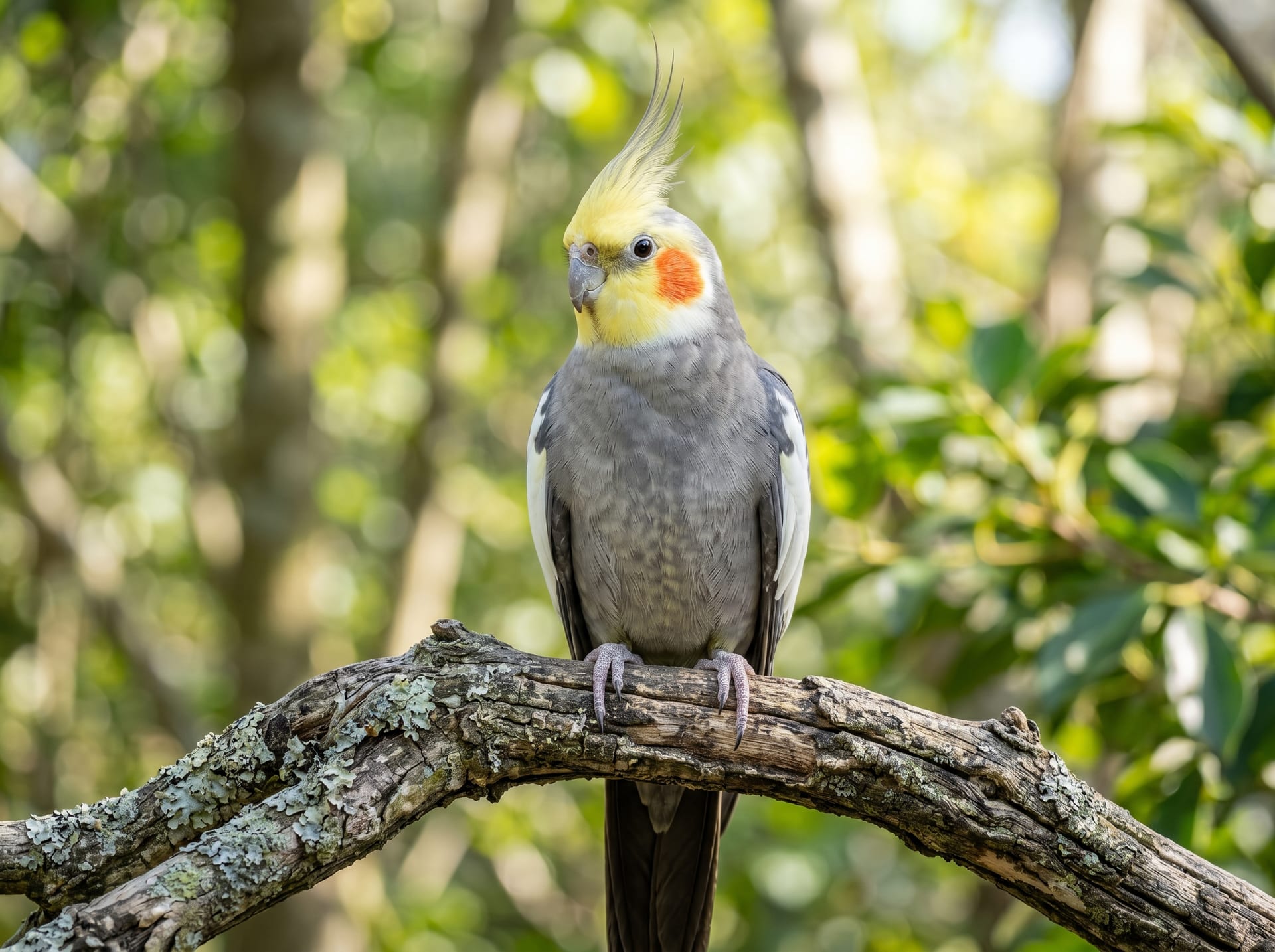
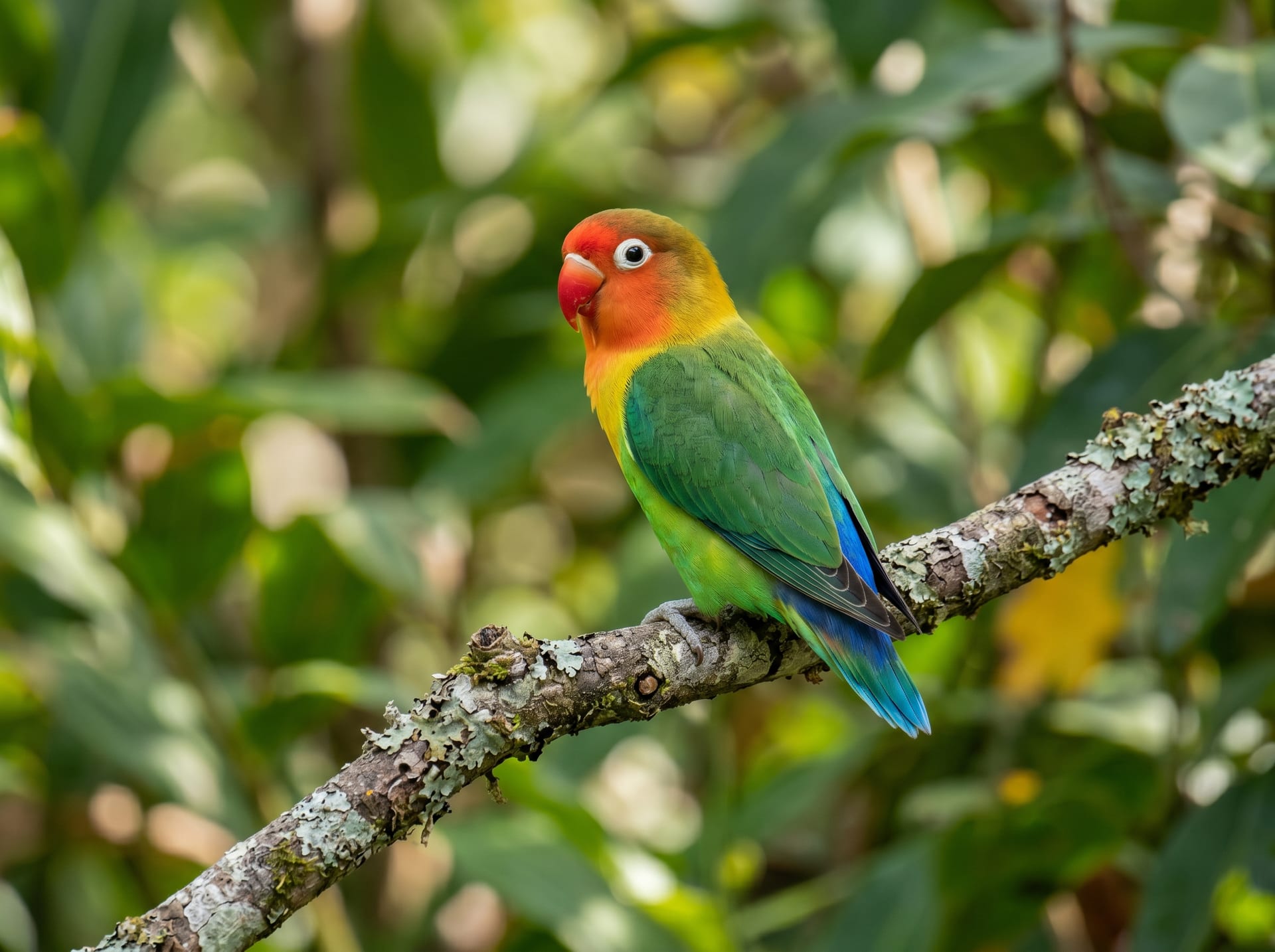
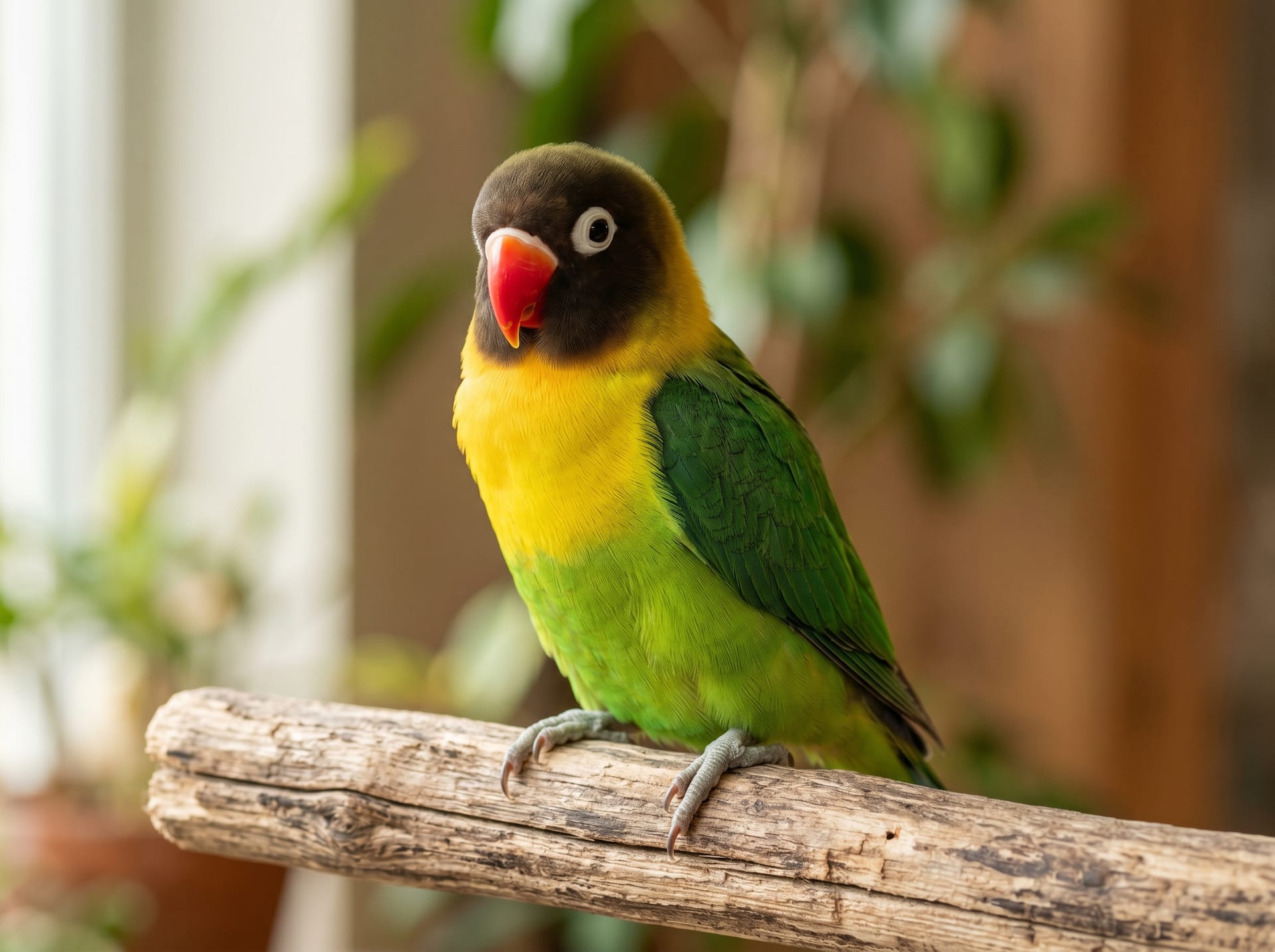
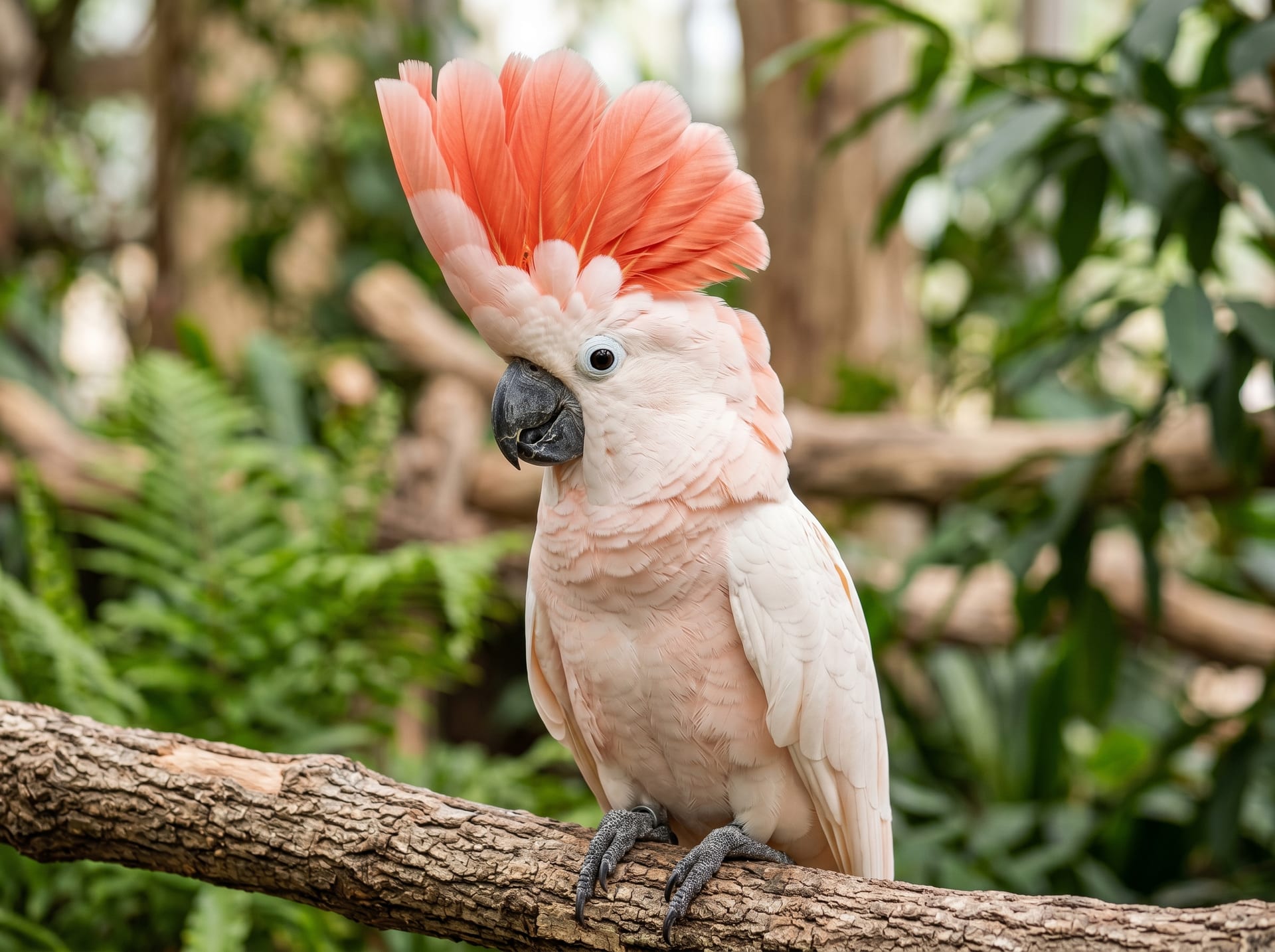
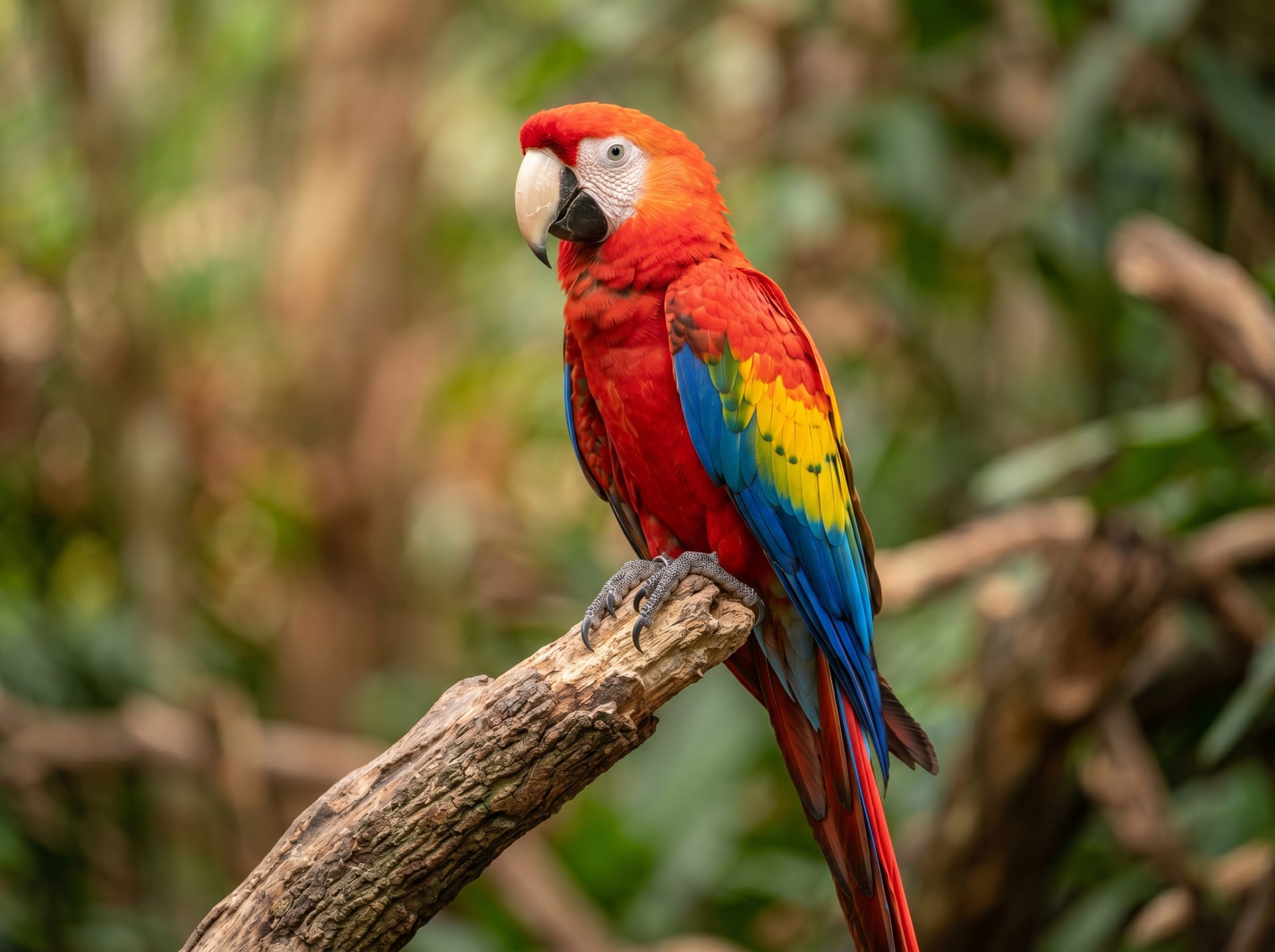
"Can I keep a bird in an apartment?" is a question frequently asked by people who want to keep birds. The answer depends on your situation, but with proper knowledge and preparation, it's certainly possible to live comfortably with birds in an apartment building. This article provides practical advice for keeping birds in apartments and condos in 2026, and explains concrete measures to prevent conflicts with neighbors.
First: Check Your Property's Pet Policy
Before keeping a bird, always check the "pet policy" section of your lease agreement or condo association rules.
Verify What "Pet-Friendly" Actually Means
Even if a property says "pet-friendly," the scope varies by location.
- Dogs and cats only: Most "pet-friendly" properties assume dogs and cats, so birds require separate verification
- Small animals and caged birds OK: Many properties allow small birds such as Java sparrows and budgerigars only
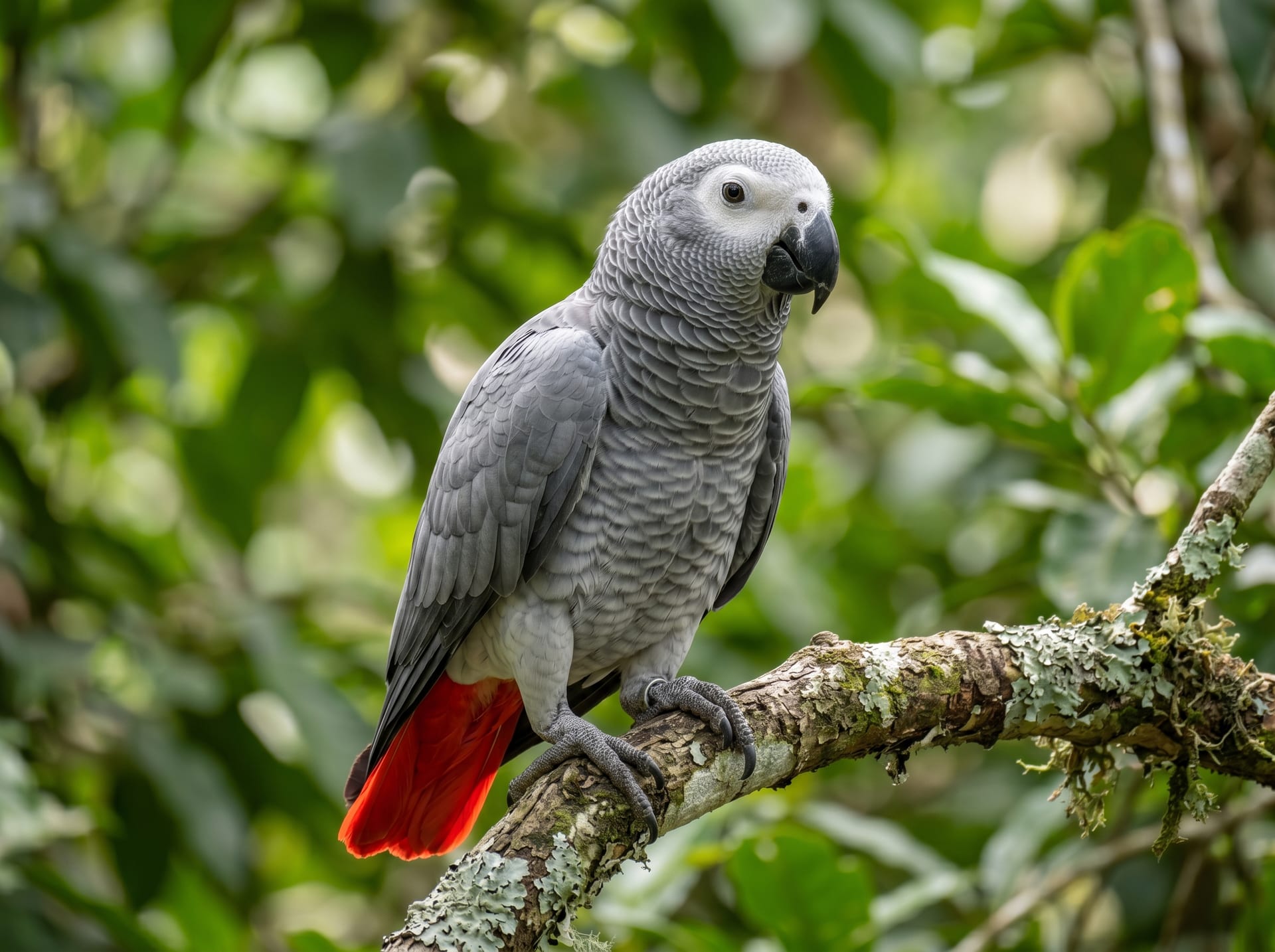
- Large parrots not allowed: Large parrots with loud calls such as macaws and African grey parrots typically require separate negotiation
You must: Before moving in or purchasing a bird, consult with the management company or property owner about wanting to keep birds (specify the species), and obtain written permission. If problems arise later, verbal agreements offer no protection.
Risks of Violating Pet Policies
Violating pet restrictions can result in:
- Being ordered to vacate
- Increased restoration costs
- Complaints from neighbors escalating into serious problems
Bird Noise Problems and Solutions
The most common issue with bird keeping in apartments is noise.
Noise Characteristics by Species
Species with relatively quiet calls
- Java sparrow: The call is clear but relatively gentle
- Bengalese finch: Extremely quiet call, best suited for apartments
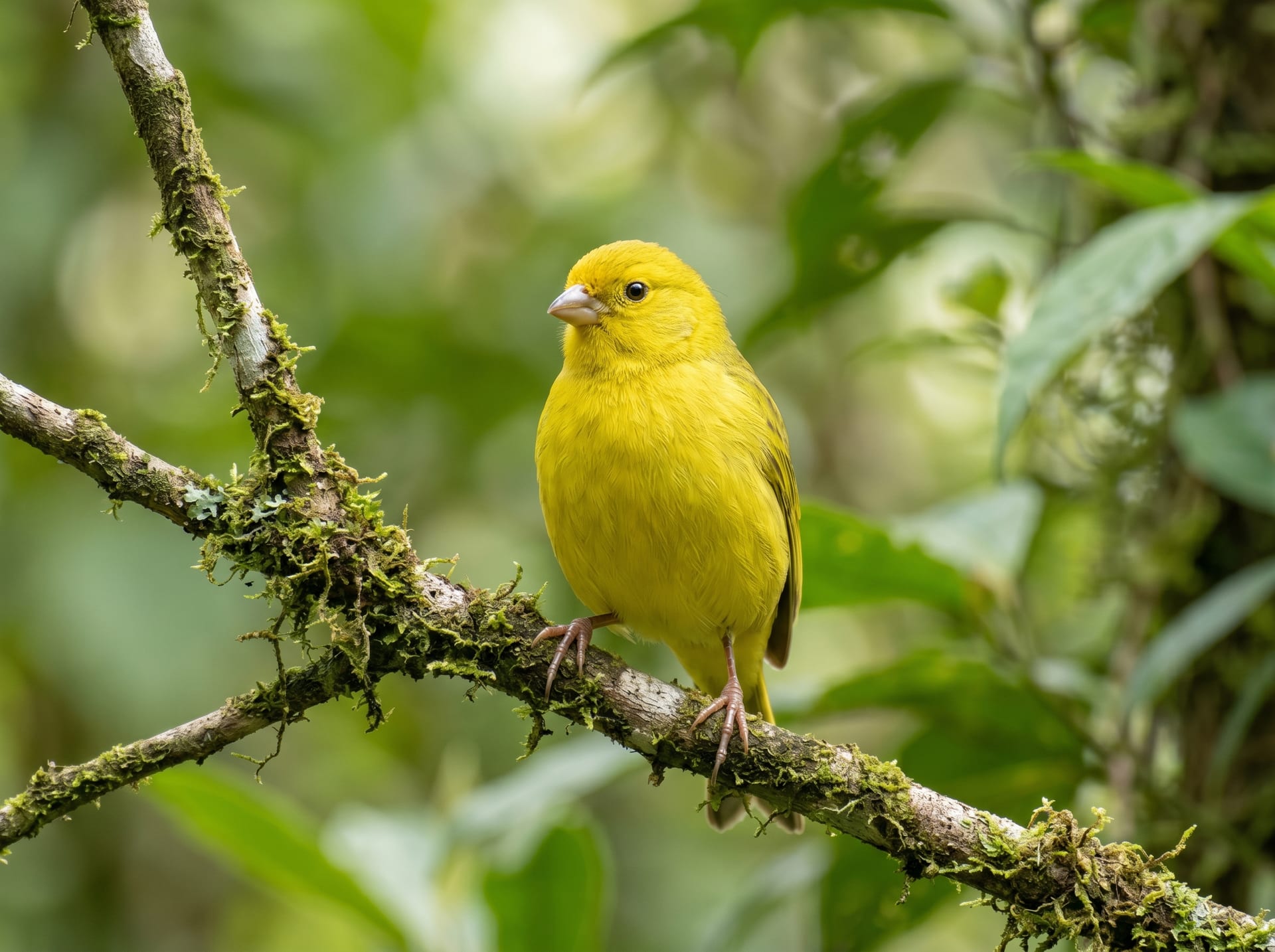
- Canary (female): Females are nearly silent
- Diamond firetail and Gouldian finch: Small, short calls
Species with moderately loud calls
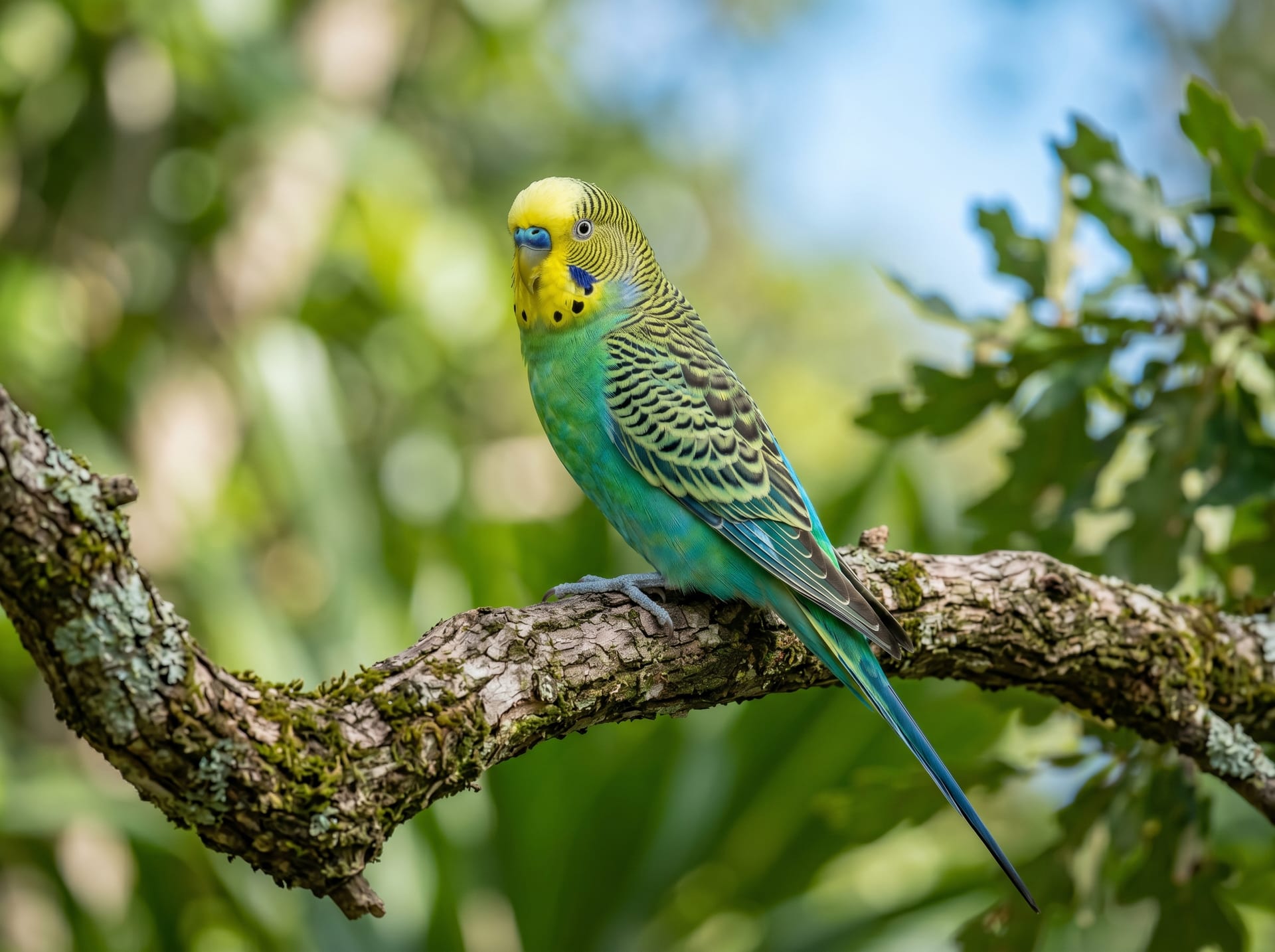
- Budgerigar: A high-pitched "peep peep" sound. Individual variation exists
- Cockatiel: May produce a loud "peep" alarm call. Tends to be noisier during breeding season
- Lovebirds (peach-faced and masked): Have loud calls relative to their size
Species difficult to keep in apartments
- Large parrots such as African grey parrots, macaws, and Moluccan cockatoos: Their calls are extremely loud and soundproofing is very difficult
Practical Soundproofing Measures
Careful placement of the cage
- Place the cage away from outside walls and windows, in the center of the room or along an inside wall
- Keeping it away from the neighbor's wall reduces sound leakage
- Birds are relatively vocal during the day. As a measure for times when you're at work, playing radio or ambient sounds (such as flowing water) as background music has some effect
Covering during sleeping hours
Sounds especially carry at night and early morning.
- Place a cage cover (blackout cloth) from around 10 p.m. to 8 a.m. Darkness helps the bird sleep, reducing vocalizations
- Thick fabric covers provide both light-blocking and some soundproofing
- Make it a habit to cover the cage before bed as a bedtime signal
Soundproof cages and boxes
You can also use commercially available "soundproof cages" or homemade soundproof boxes. However, complete soundproofing is difficult, and there's a risk of insufficient ventilation for the bird, so careful attention to materials and design is needed. If using one, always ensure ventilation holes and monitor that cage temperature doesn't rise too much.
Advance communication with neighbors
Just as important as soundproofing is communicating with neighbors. Simply letting them know, "I'm keeping a small bird. Please let me know if the noise becomes a bother," can allow for dialogue before complaints escalate.
Managing vocalizations during breeding season
One major cause of increased bird vocalizations is breeding season.
Methods to suppress breeding behavior
- Light cycle management: Ensure at least 12 hours of darkness per day (exposure to light exceeding 14 hours promotes breeding)
- Avoid allowing contact with nesting material or nest boxes
- Keep temperature on the lower end (near the lower limit of the appropriate range)
- Avoid excessive handling (avoid petting near the vent or areas other than the head)
Cockatiels and budgerigars are especially vocal during breeding season. Creating an environment that doesn't unnecessarily stimulate breeding is the fundamental solution to vocalization management.
Odor Management
Bird odor is not as strong as that of dogs or cats, but odor can accumulate without proper management.
Main sources of odor
- Droppings accumulation: Droppings at the cage bottom decompose and release ammonia
- Leftover food: Fresh vegetables and fruit decompose easily
- Feathers and dander: Especially increase during molting season
- Out-of-cage areas: Droppings tend to concentrate in specific spots during out-of-cage time
Practical odor control measures
Cage cleaning
- Remove and wipe the cage tray daily
- Wash the entire cage with water once a week (use mild detergent and dry thoroughly)
- Wash food and water dishes daily (water dishes especially are prone to bacterial and mold growth)
Using an air purifier
- Place a HEPA-filter air purifier near the cage
- Effective for dander and feathers (especially cockatiel powder down)
- Do not use ozone generators as they are harmful to birds
Ensuring ventilation
- Regular room ventilation is the most effective odor control method
- Even in winter, ventilate for short periods (about 10–15 minutes) 1–2 times per day
- If installing an exhaust fan, position it so air doesn't blow directly on the bird
Using bedding and paper
- Lining the cage tray with pet sheets or newspaper makes changing easier and more hygienic
- Pet sheets containing activated charcoal have high odor-control effectiveness
Safety precautions during out-of-cage time
Checking safety in advance is essential when allowing birds out of the cage in limited apartment spaces.
Things you must check
- Close windows and exhaust fans (or install fixed screens)
- Close the bathroom door (risk of falling into the toilet)
- Prevent access to the kitchen (fumes from Teflon-coated cookware are fatal to birds)
- Check the toxicity of houseplants (pothos, lilies, and cyclamen are toxic to birds)
Escape prevention
Recovering an escaped bird is especially difficult in apartments. Since birds often escape through the front door, when they're out of the cage, always post a sign on the door saying "Bird out of cage—do not open," or create some other system that everyone in the household recognizes.
Choosing birds suitable for apartments
When choosing a bird suitable for apartments, prioritize call volume and frequency above all else.
| Species | Call volume | Hand-tame ease | Features |
|---|---|---|---|
| Bengalese finch | Very quiet | Moderate | Calmer when kept in groups. Easy to breed |
| Java sparrow | Quiet–moderate | High | Distinctive personality, becomes affectionate. Strong appeal as hand-fed bird |
| Budgerigar | Moderate | Very high | May learn to talk. Active |
| Cockatiel | Moderate–loud | High | Alarm calls are especially noticeable during breeding season |
| Canary (female) | Quiet | Low | Males have beautiful but loud song. Females are quiet |
First-time bird owners should also check Top 5 Birds Recommended for Beginners | Carefully Selected Easy-to-Keep Species to narrow down species suitable for apartments.
Finding apartment-suitable birds on BreederDirect
On BreederDirect, you can select birds that suit your living environment while consulting with breeders. When you ask specific questions like, "I live in an apartment and am worried about noise—would this species work?" experienced breeders familiar with bird personalities will answer directly. Choosing a bird suited to your living environment is the first step toward happiness for both you and your bird.