Before Keeping Birds in an Apartment or Condo: Essential Checks
Before bringing a bird into your apartment or condo, be sure to review your building's management rules and your lease agreement. Even if the agreement states "pets prohibited," small birds such as parakeets or Java sparrows may be listed as exceptions. Conversely, even if "small animals permitted" is written, large parrots or large parakeets—which tend to be noisy—may not be allowed.
There are three key items to check. First, the types and number of animals you are permitted to keep. Second, any rules regarding noise and odors. Finally, the scope of repairs you may be responsible for upon move-out (such as flooring damage from a cage). If renting, it is wise not only to confirm rules verbally with the management company or landlord, but also to maintain written correspondence to prevent future disputes.
Skipping this confirmation step carries real risks: you could face demands for forced eviction or be charged high repair fees later. Complete this verification before bringing your bird home.
Noise Control | Choosing the Right Species and Reducing Sound
In apartments and condos, bird noise is the single biggest source of neighbor trouble. Selecting an appropriate species is your first step toward maintaining good relations with those around you.
Bird species suitable for multi-unit housing
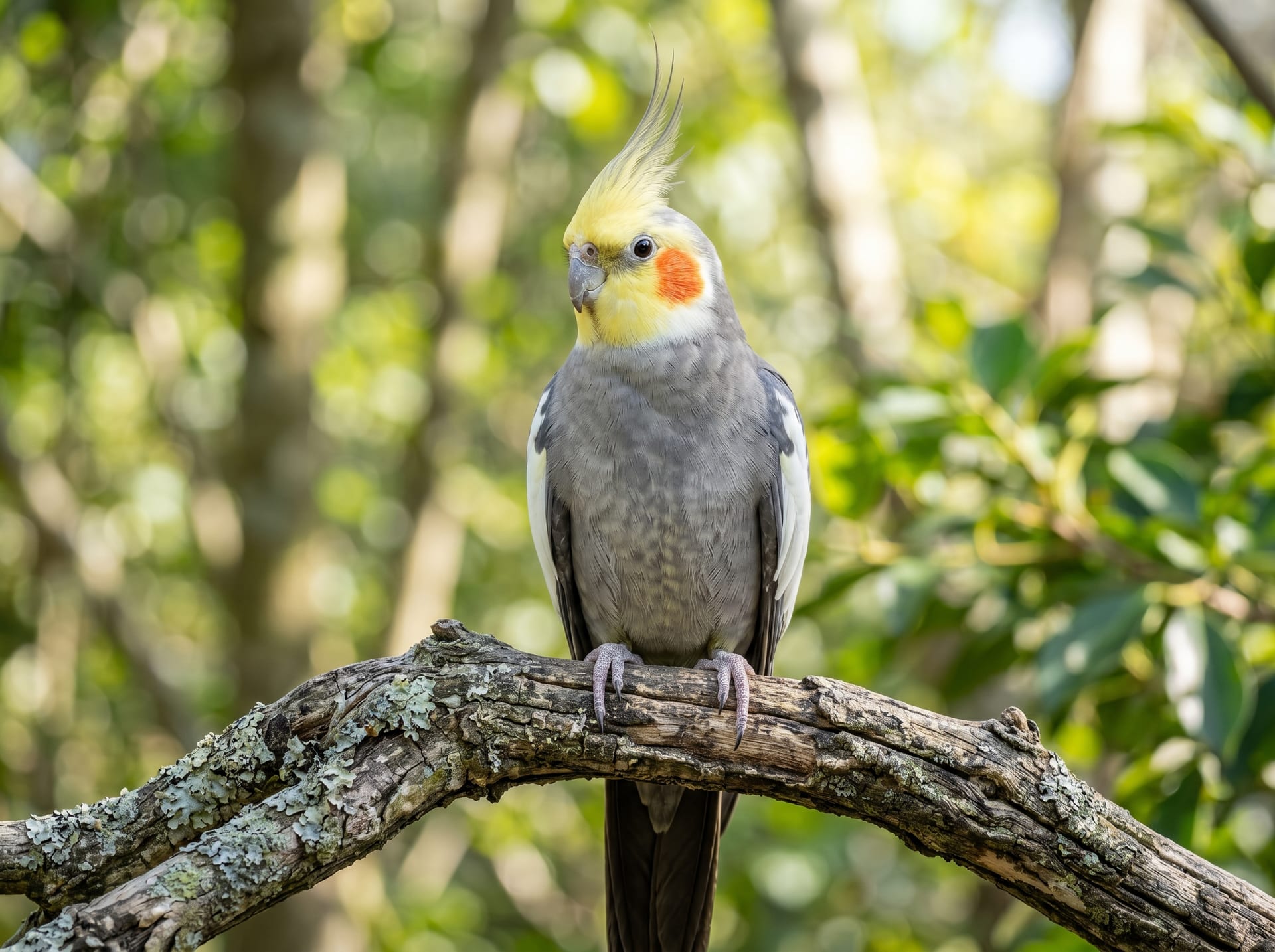
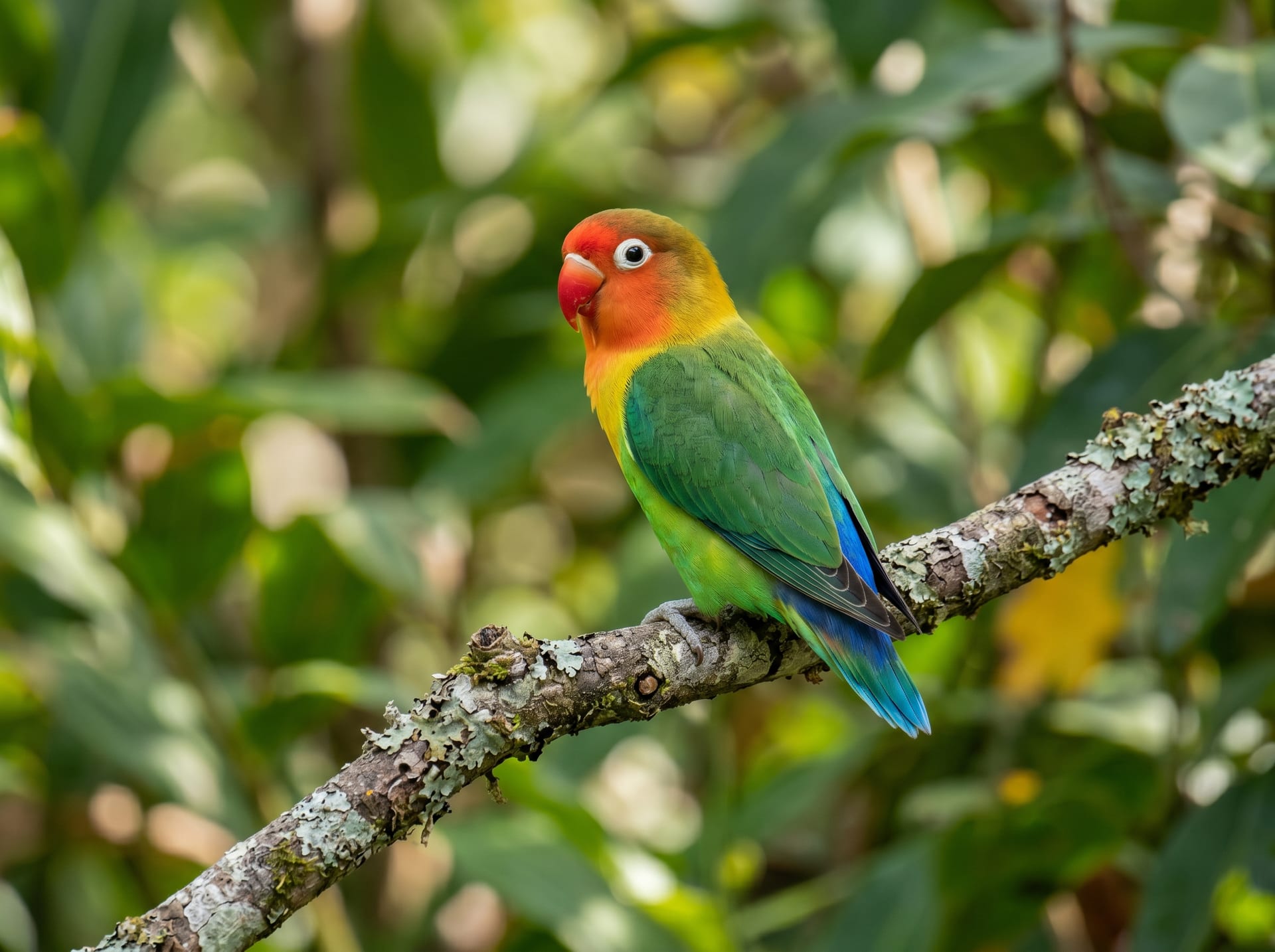
- Peach-faced lovebirds and cockatiels: These have considerable vocalizations, but careful socialization and communication can reduce noise levels significantly.
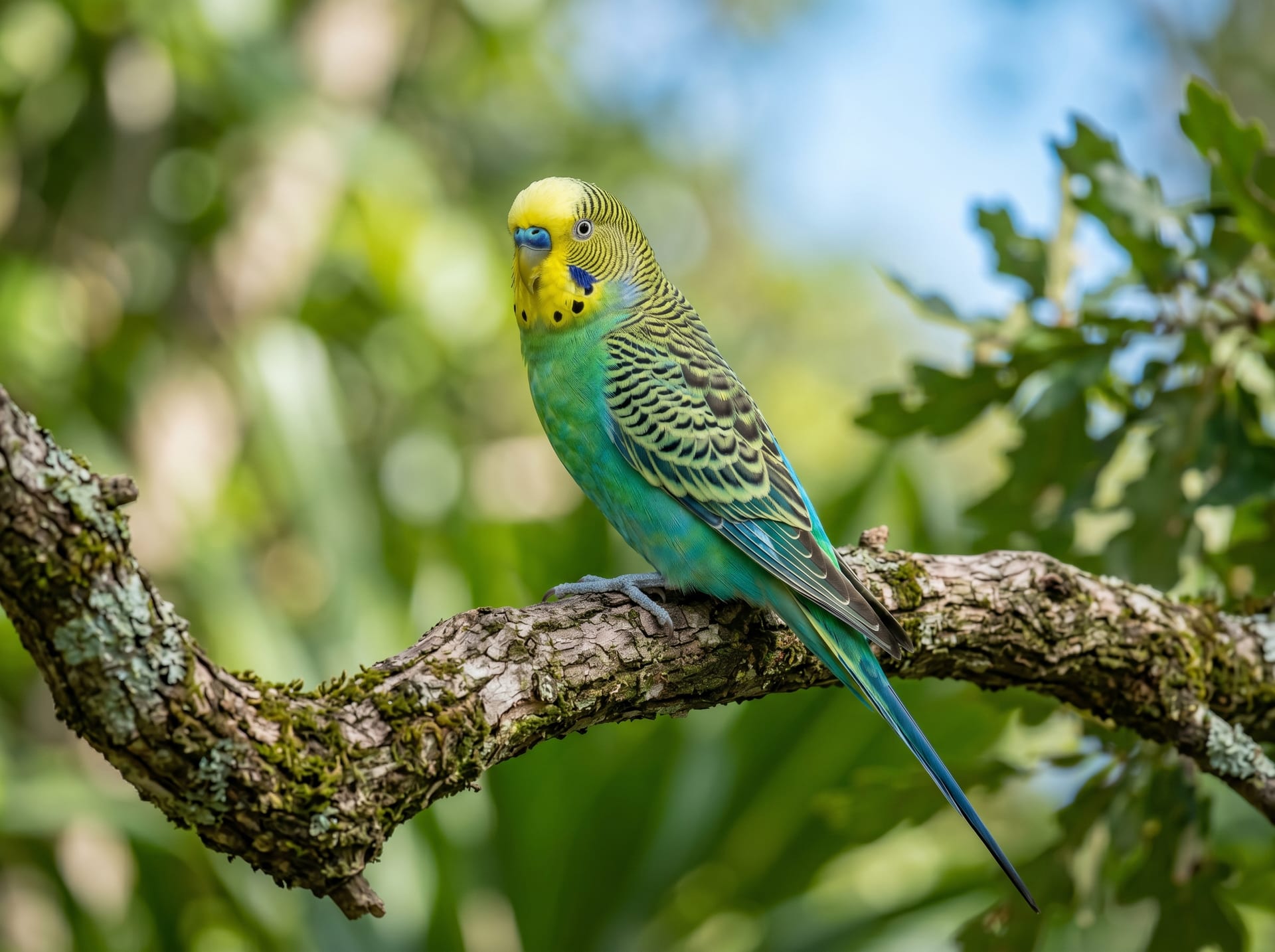
- Parakeets (budgies): Relatively quiet. Even when they learn to talk, their volume is small.
- Java sparrows and bengal finches: Soft voices that are barely noticeable indoors.
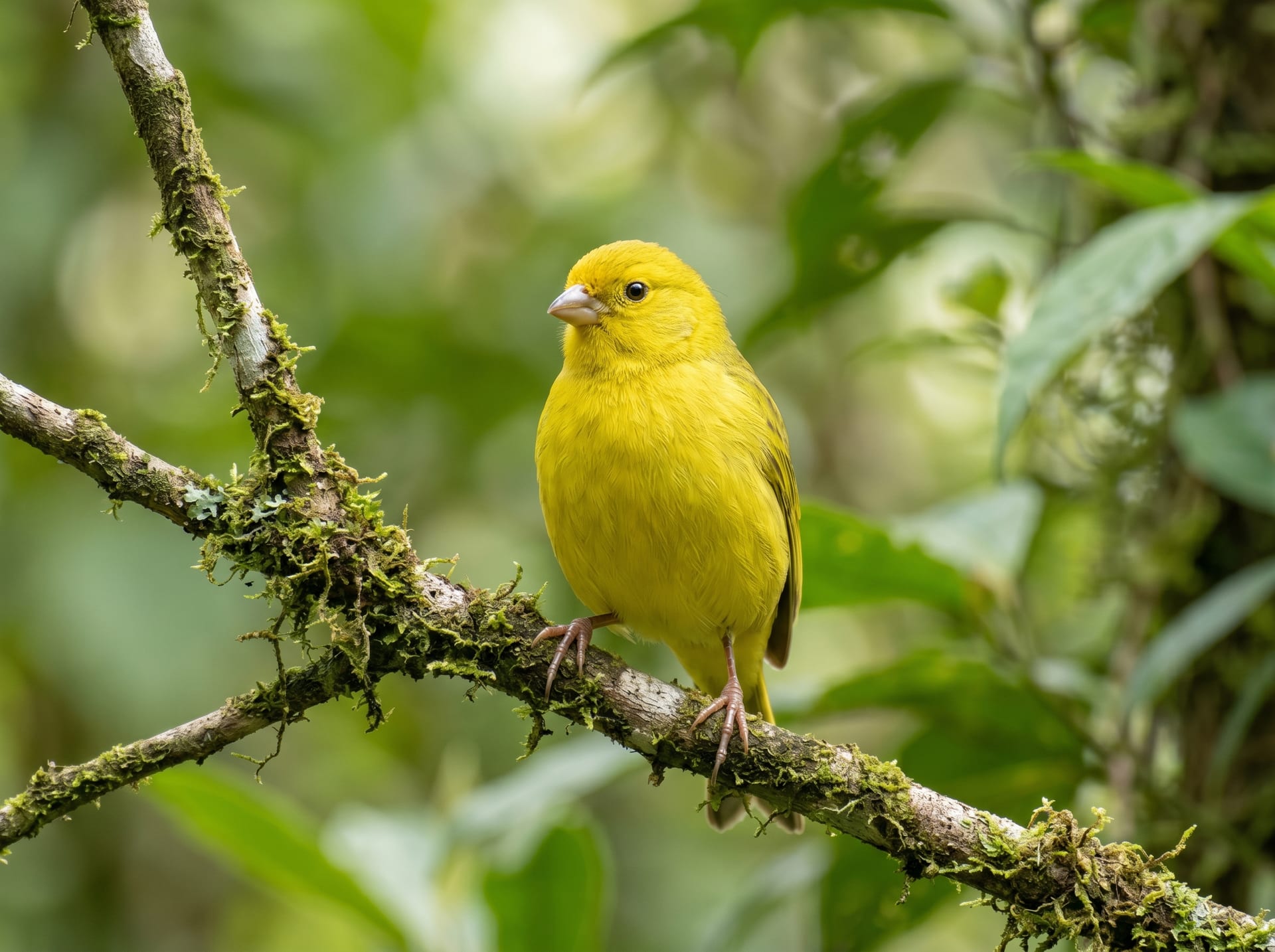
- Canaries: Males produce beautiful song with somewhat loud volume. Females are quiet.
Bird species to avoid
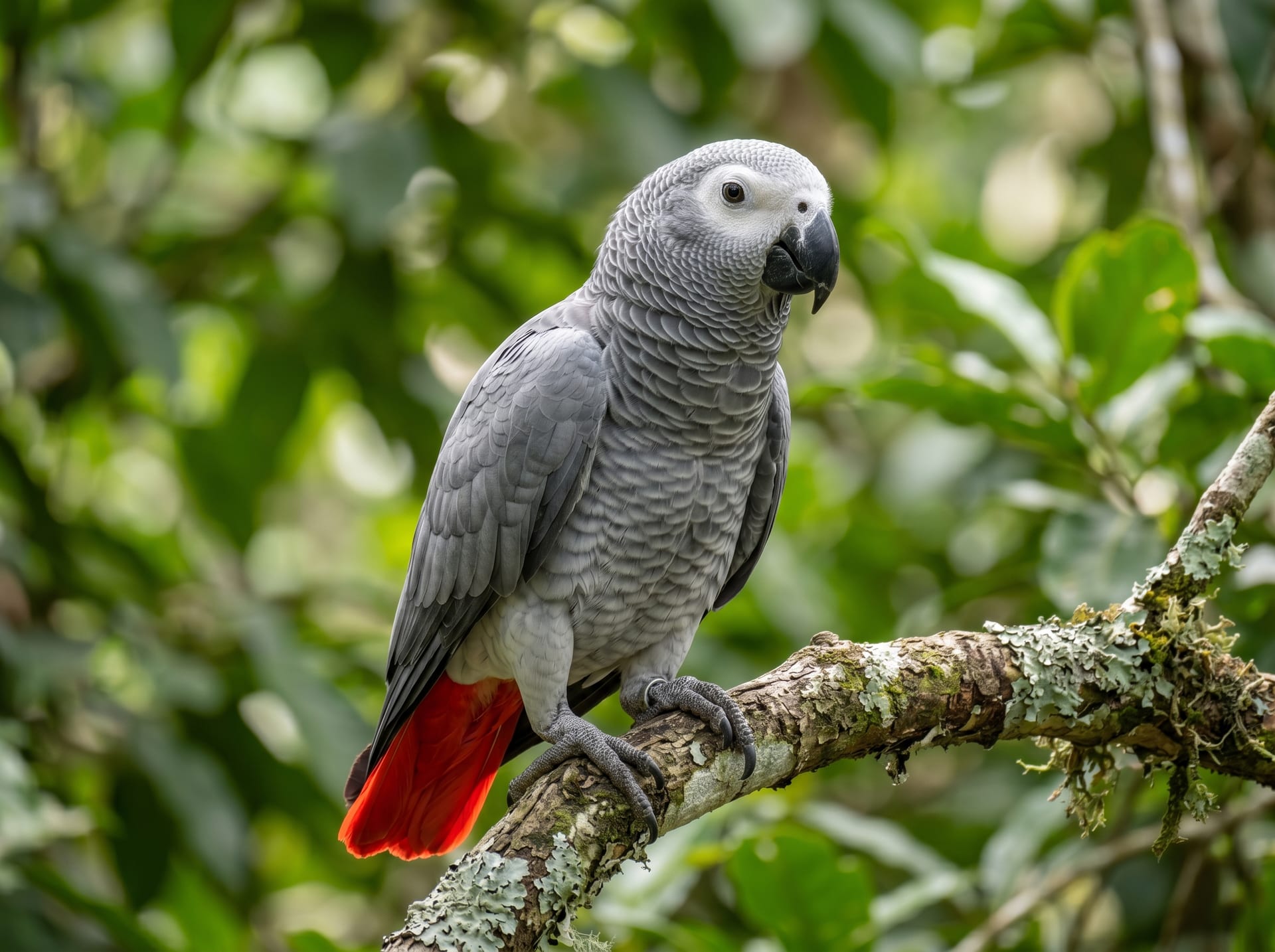
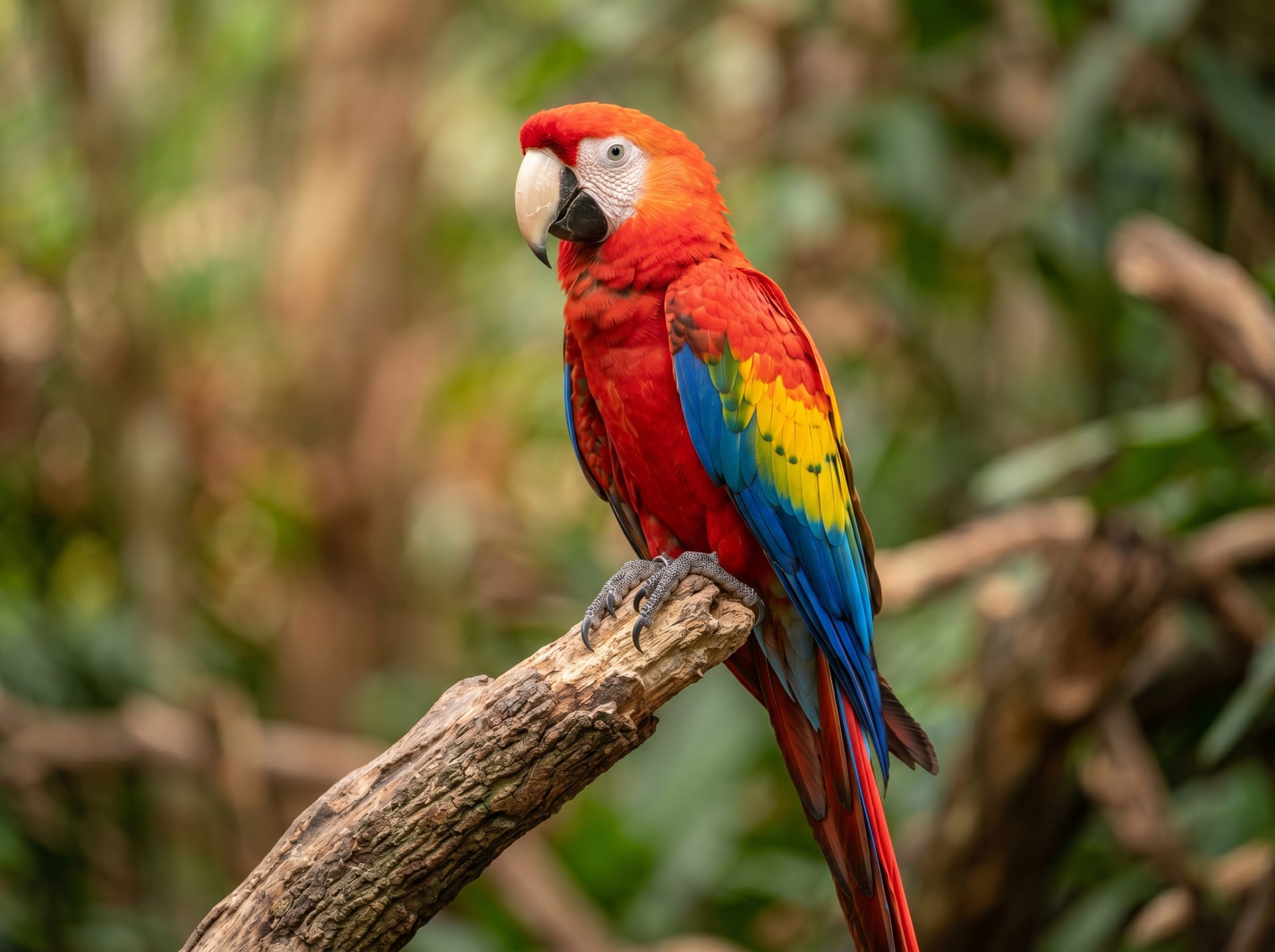
Large parrots such as African greys, macaws, and amazons produce extremely loud vocalizations. Unless you live in a detached house or have a soundproofed room, keeping these in multi-unit housing risks serious neighbor disputes and is not recommended.
Daily habits to reduce noise
Birds vocalize loudly for three main reasons: "contact calls" (calling for their owner), "territory declaration," and "boredom or stress." Contact calling is reinforced when you respond while the bird is vocalizing, so speak to your bird when it is quiet instead. Providing adequate social interaction and playtime can dramatically reduce stress-related excessive vocalizing.
Using a cage cover helps signal to your bird that it is time to be quiet, especially at night. A cover with good light-blocking properties is important, and maintaining a consistent bedtime helps. If morning noise is an issue, delaying when you remove the cover can be effective.
Odor Management | Clean Care Habits to Keep Things Fresh
With proper management, bird odors are far easier to control than odors from dogs or cats. The main sources of smell are droppings, feathers, and spoiled food.
Cage cleaning frequency and method
Change the cage floor tray every day. Leaving droppings for extended periods creates ammonia odors and promotes mold and bacteria growth. Once a week, wash the entire cage with lukewarm water and rinse thoroughly. Use a neutral detergent safe for birds or diluted baking soda solution.
Wash food and water dishes daily. If you give fresh vegetables or fruit, remove them within one to two hours. When left at room temperature, they spoil quickly, creating odors and raising the risk of food poisoning.
Air purification
It is strongly recommended to place an air purifier with a HEPA filter in the room where the cage is located. Cockatiels, for example, produce significant "powder down"—fine feather dust that can contribute to odors. In addition to an air purifier, ventilate the room once or twice daily.
Walls and shelves around the cage will collect scattered droppings and feather dust. Wipe these down with a damp cloth once a week to maintain cleanliness.
Preventing Neighbor Issues Through Communication
Once you bring a bird home, greet your neighbors early on. A simple introduction like "I've brought home a small bird. If you notice anything, please let me know" makes a significant difference in how they perceive and respond to the situation.
If you receive a complaint, apologize first and share specific steps you will take. Saying things like "I will use a cage cover to reduce morning noise" or "I will install soundproofing sheets" demonstrates your commitment.
Soundproofing measures to reduce sound leakage
An easy step is to apply soundproofing sheets or acoustic panels to the wall where the cage sits. While complete soundproofing is difficult, you can expect to reduce sound leakage to adjacent units by approximately 5 to 10 decibels. Converting to double-pane windows or installing heavy curtains is also effective.
Cage placement also matters. Avoid positioning it against the wall nearest your neighbor's unit; place it toward the center of your room if possible.
Seasonal Temperature and Humidity Management
Apartments and condos are well-sealed, making summers hot and humid and winters dry. Birds are sensitive to temperature changes, especially young birds or those recovering from illness.
Proper temperature and humidity
Most small parakeets and Java sparrows thrive at 20–28°C (68–82°F) with humidity around 50–60%. In summer, manage room temperature while keeping direct air conditioning away from the cage. In winter, use a panel heater to warm the cage locally.
Sudden temperature swings stress birds and cause illness. When turning air conditioning on or off, use a cage cover to prevent rapid temperature changes.
If humidity is too low, feathers deteriorate and respiratory problems can develop. Use a humidifier or offer regular "water baths" with a spray bottle. Most birds enjoy bathing, and it also protects their feathers.
Health Management and Emergency Preparedness
A solid healthcare plan is essential for bird keeping in apartments. Identify an avian veterinarian (a bird specialist or clinic that handles exotic animals) before you need one. Many clinics that focus on dogs and cats will not treat birds, so it is important to confirm availability right after moving or getting your bird.
Daily health checkpoints
Observe your bird's droppings daily—normal droppings consist of white uric acid plus green or black solid matter. Also watch for feather luster, appetite, and eye brightness. If your bird seems lethargic or its droppings become watery, yellowed, or bloody, seek veterinary care immediately. Birds hide illness by instinct, so conditions are often severe by the time symptoms show.
Additionally, heating non-stick cookware releases PTFE (polytetrafluoroethylene) gas, which is extremely toxic to birds and can cause death even in small amounts. Keep your kitchen and bird space as far apart as possible and ventilate thoroughly while cooking. Air fresheners, insecticides, and cigarette smoke also harm birds' respiratory systems, so avoid using them near the bird area.