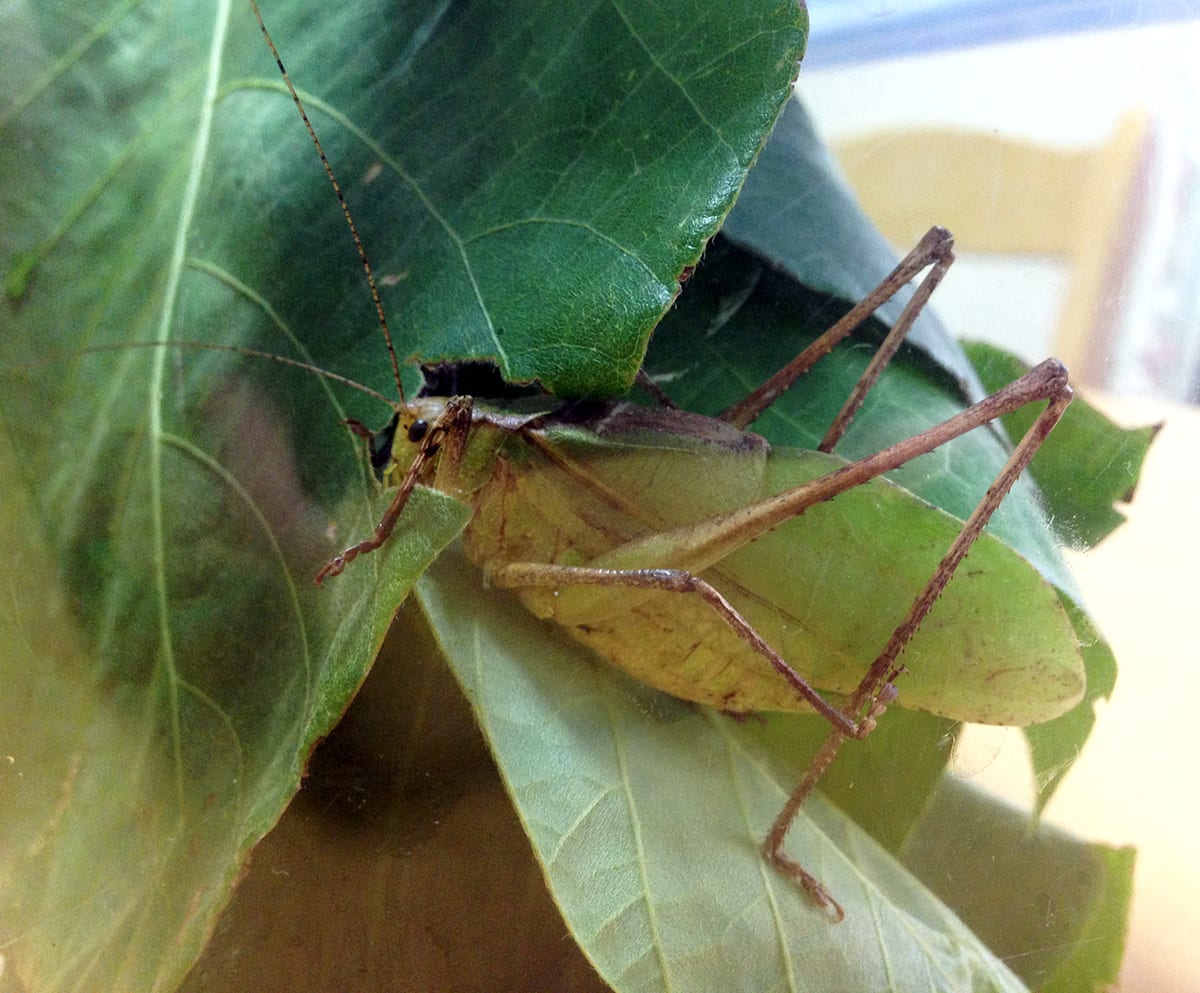
© Kazuma.K / CC BY-SA 4.0日本剑蛩(Mecopoda niponensis)
The Kutsuwamushi is a large relative of the katydid family, known for its tall, stocky build and for coming in two color forms — a vivid green and a subdued brown. Its signature trait is the loud, rhythmic gacha-gacha call it produces after dark, one of the most distinctive night sounds of the Japanese autumn. Unlike many of its more carnivorous relatives, this species feeds almost exclusively on kudzu leaves in the wild. It doesn't eat its own kind, but it is territorial and may suddenly start fighting in a cramped container, so keep only a few per enclosure. With a bit of basic care, keepers can enjoy its powerful nighttime song as a seasonal highlight of autumn.
View 日本剑蛩(Mecopoda niponensis) encyclopedia →成交手续费0%!2026年9月30日前注册,前 2 笔成交免佣金!
繁殖者 招募中!
在BreederDirect发布商品,直接销售给全国客户!
Br-choku承诺的 6 个透明度要点
刊登昆虫时,繁殖者会明示以下信息。我们保证成长阶段与繁殖配对的透明性。
- 阶段明示
- 代次明示
- 实物照片
- 繁殖单位
- 原产国
- 体长明示
查看全部336个品种
昆虫分类正在招募认证繁殖者
繁殖者正在陆续注册,即将上架。设置上架通知,不错过新商品。
「接收上架通知」需免费注册会员即可设置。当有符合您保存条件的新商品上架时,我们会通过邮件和站内通知提醒您。
日本剑蛩(Mecopoda niponensis)的基本数据
- 饲养难度
- 适合中级者
- 寿命
- 成虫7月下旬至10月(饲养下有活至翌年2月的例子)
- 体型
- 最大约70毫米
- 饮食
- 草食(主要以葛等豆科植物的叶子为食)
- 饲养环境
- 易受腐烂饲料、脏水、浊气影响。使用通风良好的容器,定期更换食物和水。
- 饲料・投喂
- 在野外几乎只食葛属叶子,仅食葛属即可正常生长。在饲养下会食蔬菜和干性饲料,但有报告指人工饲料会导致早衰和畸形个体出现,因此应以葛属等生叶为主。
- 繁殖・产卵
- 雌虫以剑状产卵器产卵于土中,若虫于翌年4月下旬至6月上旬孵化。从孵化到羽化约需3个月,接近末龄时体重增加、腿长,易脱皮失败,需确保有足够高度和脱皮场所。
- 寿命・饲养期间
- 成虫早者于7月下旬出现,在野外至10月末可听到鸣声。在饲养下,若饲料、容器和温度条件适当,可活至翌年2月。
- 混养・相性
- 不会互相取食,但有领地意识,在狭窄容器中易发生突然打斗,因此应减少单一容器中的饲养数量。
- 健康・注意事项
- 由于栖息地破坏,各地数量在减少,一旦消失的地区难以恢复。饲养个体不得放生至采集地以外的地方。与之相似的台湾剑蛩可通过翅膀细长、末端反翘、前胸角部暗色等特征区别。
关于日本剑蛩(Mecopoda niponensis)
Kutsuwamushi is a large katydid relative known for its loud nighttime gacha-gacha call. It comes in green and brown forms, feeds mainly on kudzu leaves in the wild, and suits intermediate keepers.
迎接日本剑蛩(Mecopoda niponensis)前需要了解的7件事
1Loud Nighttime Calls
Kutsuwamushi produce a very loud gacha-gacha call after dark. If you live in an apartment, think ahead about where to place the cage and whether windows should stay closed, since the sound carries.
2Diet Centers on Kudzu Leaves
In the wild, this species feeds almost exclusively on kudzu leaves. In captivity, you will need to plan ahead for a steady supply of fresh leaves, since sourcing and storing them takes some effort.
3Best Suited to Intermediate Keepers
Kutsuwamushi is generally considered a species for intermediate keepers. Prior experience managing leaf freshness, temperature, and humidity for insects will make day-to-day care much easier.
4Active From Summer to Fall
Adults are typically active from late July through October. Some individuals have been recorded living as late as the following February under care, but it is best to think of this as a seasonal companion rather than a year-round pet.
5A Large Species, Up to 70mm
Adults can reach up to about 70mm in body length. Provide a roomy enclosure and check for any gaps the insect could escape through.
6Green and Brown Color Forms
This species comes in both a green form and a brown form, and you cannot choose which color you will get. It helps to appreciate both forms in advance so you are happy with whichever individual arrives.
7Best Kept One Per Cage
Katydid relatives like this one are territorial, and housing several together in one cage can lead to fighting. Plan to keep them individually, with a separate enclosure for each insect.
日本剑蛩(Mecopoda niponensis)的常见问题
- Q.Is this species suitable for beginners?
- A.Kutsuwamushi is generally considered a species for intermediate keepers rather than complete beginners. Some experience with basic insect care makes it easier to manage feeding and temperature.
- Q.How long do they live?
- A.Adults are typically active from late July through around October. Under good care, some individuals have been recorded living as late as the following February.
- Q.What do they eat?
- A.In the wild, this species feeds almost exclusively on kudzu leaves, which is unusual among its more carnivorous relatives. In captivity, a steady supply of fresh leaves is the main dietary need.
- Q.How loud is their call?
- A.At night, Kutsuwamushi produce a very loud, rhythmic gacha-gacha call. If you live in an apartment, it is worth considering where you place the cage and how the sound might carry to neighbors.
- Q.Can I keep more than one together?
- A.Katydid relatives like this species are territorial, and keeping several together in one cage can lead to fighting. It is best to house them individually, one insect per enclosure.
适合饲养日本剑蛩(Mecopoda niponensis)的实用工具
在图鉴中详细了解日本剑蛩(Mecopoda niponensis)
查看日本剑蛩(Mecopoda niponensis)的图鉴条目 →
收录饲养难度、寿命、体长、食性等基础数据。
