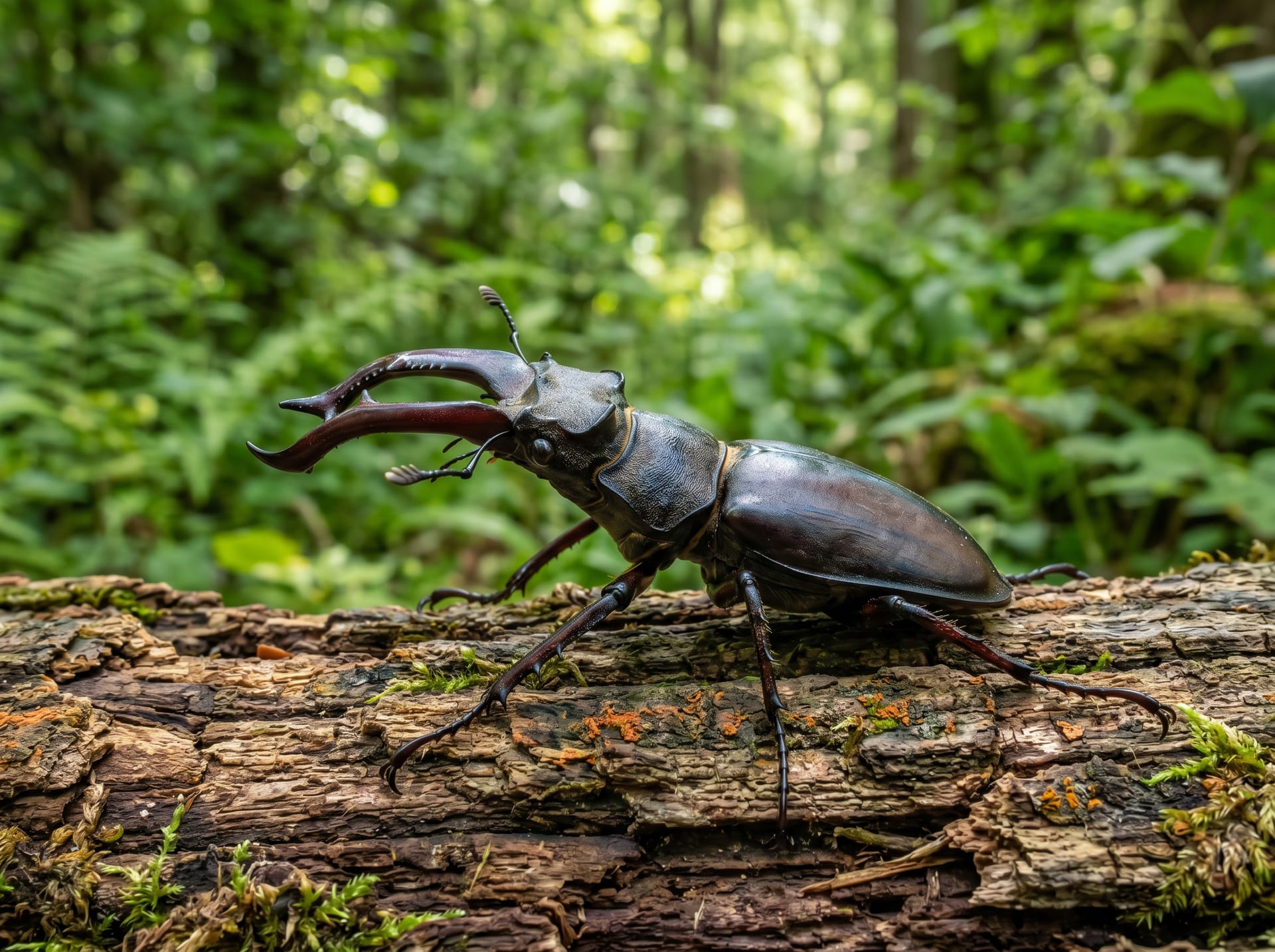
Stag beetles are popular insect pets prized for their powerful mandibles, with many species available from Japanese native varieties like Dorcus hopei to exotic tropical types. They can be kept relatively easily with a proper enclosure, insect substrate, and wood chips. Lifespan varies by species from a few months to several years, making them rewarding to raise and observe.
前3笔销售免佣金!在2026年7月31日前注册为繁殖者,前3笔销售免佣金!
繁殖者 招募中!
在BreederDirect发布商品,直接销售给全国客户!
刊登昆虫时,繁殖者会明示以下信息。我们保证成长阶段与繁殖配对的透明性。
繁殖者正在陆续注册,即将上架。设置上架通知,不错过新商品。
「接收上架通知」需免费注册会员即可设置。当有符合您保存条件的新商品上架时,我们会通过邮件和站内通知提醒您。
想上架昆虫吗?
注册成为繁殖者,即可与买家直接联系。
价格区间
地区
属性
Stag beetles belong to the family Lucanidae and are most recognizable by the dramatically enlarged mandibles found on males, which are used for combat with rival males and securing access to tree sap. Japan is home to approximately 40 species, with Dorcus hopei (Oowakugata), Dorcus titanus (Hirata), and Prosopocoilus inclinatus (Nokogiri) among the most well-known. Adults are active during summer and are particularly attracted to the sap of oak and sawtooth oak trees. Larvae develop inside decaying wood, breaking down fungal matter and playing an important role in forest ecosystems. One of the greatest appeals of keeping stag beetles is witnessing the full cycle of metamorphosis—from egg to larva to pupa to adult—up close. They are also relatively quiet and low-odor, making them well-suited to apartment living and enjoyable for keepers of all ages.
1Choosing the Right Species
Stag beetles vary widely between Japanese native species and exotic imports in terms of care difficulty and temperature requirements. Beginners are advised to start with native species like Dorcus hopei or Dorcus rectus, which are more forgiving of temperature fluctuations.
2Temperature Control Is Key
Most stag beetles are sensitive to heat, and keeping temperatures below 28°C during summer is essential for their health. Tropical exotic species, on the other hand, are vulnerable to cold. Research the optimal temperature range for your specific species before purchase.
3Substrate and Breeding Logs
A proper setup requires fermented insect substrate and oviposition logs for breeding. Different species prefer different log hardness and substrate fermentation levels, so research the needs of your species. Regular misting is necessary as dry substrate can lead to failed egg-laying and molting problems.
4Larval Stage: Fungal Bottles
For raising large adults, fungal bottles using species like Pleurotus eryngii or Trametes versicolor mycelium are more effective than fermented substrate. Bottles need periodic replacement, and the ideal fungal species varies by beetle species. The upfront cost is higher, but it significantly affects adult size.
5Adult Lifespan and Hibernation
Some species like Dorcus hopei can live two to three years and naturally enter a dormant hibernation phase in winter. During hibernation they stop eating, but keep the substrate moist to prevent dehydration. Adjusting your care routine between active and dormant seasons helps extend their lifespan.
6Never House Males Together
Male stag beetles will fight aggressively with their mandibles, so they must always be housed separately. Even male-female pairing should be limited to short supervised periods for breeding purposes. Flat stag beetles in particular are known to injure females, so monitor pairings closely.
7Feeding and Appetite Cues
Adult stag beetles primarily eat insect jelly, with high-protein varieties recommended around the breeding season. A sudden drop in appetite may signal the onset of hibernation or a health issue — check temperature and humidity. Replace jelly every two to three days to prevent bacterial growth.