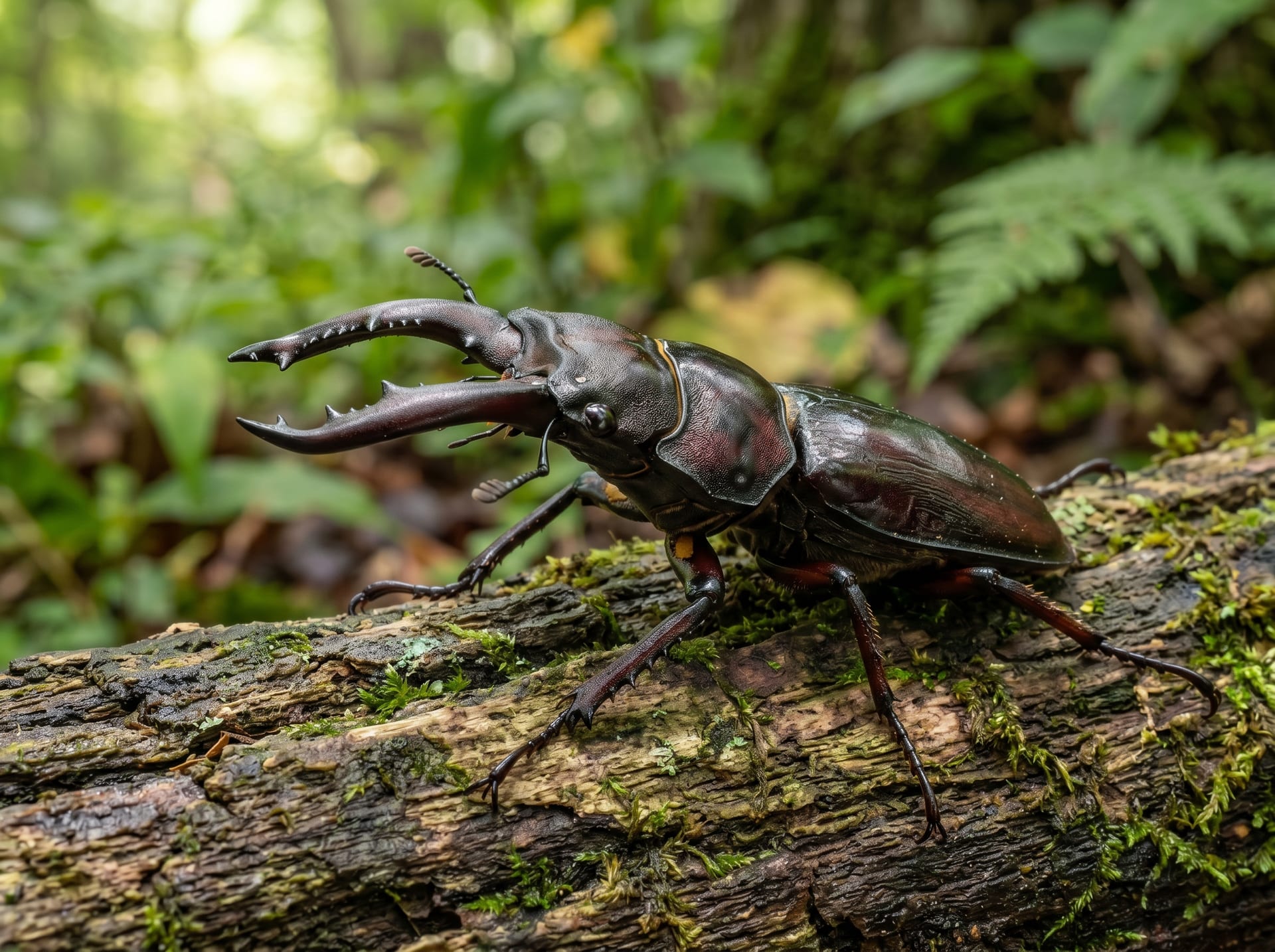
扁锹形虫
扁平锹甲是代表日本的锹甲,以扁平的体型和粗壮有力的大颚为最大特征。雄虫好斗本能强,收集者喜欢观赏它们激烈的对战。饲育难度相对较低,只要环境整备得当,初学者也能长期享受饲育。
View 扁锹形虫 encyclopedia →成交手续费0%!2026年9月30日前注册,前 2 笔成交免佣金!
繁殖者 招募中!
在BreederDirect发布商品,直接销售给全国客户!
Br-choku承诺的 6 个透明度要点
刊登昆虫时,繁殖者会明示以下信息。我们保证成长阶段与繁殖配对的透明性。
- 阶段明示
- 代次明示
- 实物照片
- 繁殖单位
- 原产国
- 体长明示
查看全部26个品种
昆虫分类正在招募认证繁殖者
繁殖者正在陆续注册,即将上架。设置上架通知,不错过新商品。
「接收上架通知」需免费注册会员即可设置。当有符合您保存条件的新商品上架时,我们会通过邮件和站内通知提醒您。
扁锹形虫的基本数据
- 饲养难度
- 适合新手
- 寿命
- Adult 1-3 years
- 体型
- 30-80mm
- 饮食
- Insect jelly
- Compatibility
- Aggressive, so keeping it singly is recommended
- Temperature
- Room temperature is fine
- Notes
- Kinshi (mycelium) bottles produce larger adults
- Notes
- One of the species most often found at sap flows
- Notes
- Take care: the mandibles grip powerfully
- Lifespan
- Adults live 1-3 years — long-lived for a beetle. Cooler temperatures (20-23°C) generally extend lifespan; sustained heat above 28°C shortens it. Japanese subspecies overwinter naturally, so reduced winter activity is normal. Larval period is approximately 6-12 months; fungal substrate bottles produce larger adults. The long adult lifespan allows multiple breeding seasons.
关于扁锹形虫
扁平锹甲(Dorcus titanus)广泛分布于日本全国的低地至山地,其扁平的体型正如名字所示,是最大的特征。雄虫的大颚粗壮,内齿发达,某些个体体长可超过80mm。它原本依赖腐朽的木材生活,幼虫期间以栎木等阔叶树材为食。性格攻击性强,领地意识强烈,雄虫间的激烈格斗自古以来就吸引着孩子们。在饲育方面,只要温度和湿度管理得当,它们就能强壮且长寿,成虫寿命为2~3年。繁殖也相对容易,初学者通过组建产卵窝也能容易获得幼虫。因其强悍的外形和饲育的乐趣,如今在国内外锹甲爱好者中仍享有根深蒂固的支持。
经营扁锹形虫的精选繁殖者
查看全部扁锹形虫繁殖者列表(1)→迎接扁锹形虫前需要了解的7件事
1大颌咬合力很强
扁锹甲的雄虫大颌力量非常强,赤手拿取时可能会被夹伤。处理时应戴工作手套或厚手套,或从背部轻轻托住。在熟悉之前,最好尽量减少直接接触,这是最安全的做法。
2警惕高温和干燥
扁锹甲不适应超过28℃的高温,夏季室温管理很重要。饲养盒内的垫材要定期喷雾以保持适度湿度。如果过于干燥,它们容易生病,因此要养成定期检查湿度的习惯。
3雄虫必须分开饲养
如果将雄虫放在同一饲养盒中,它们会激烈打斗,可能因此失去颌或腿,甚至造成严重伤害。即使饲养盒足够宽敞,雄虫也必须单独饲养。如果采用成对饲养,交配后应立即隔离雄虫以保护雌虫。
4产卵需要产卵木和湿润垫材
扁锹甲的雌虫会在产卵木(朽木)或垫材中产卵。如果想要繁殖,使用适度保湿的产卵木与发酵垫材的组合效果最佳。产卵期间尽量避免触动饲养盒,将其放在安静的地方,这样可以大大提高成功率。
5用菌丝瓶饲育幼虫可长成大个体
要养成大个体的幼虫,菌丝瓶(特别是平菇菌丝或川纹菌丝)比发酵垫更有效。需要定期检查菌丝瓶的状态,劣化后要及时更换。幼虫期约1~2年,不要着急,做好温度管理是长大的关键。
6成虫寿命约2~3年
扁锹甲成虫在适当的环境下可以活2~3年,在锹甲中属于比较长寿的种类。它们也能越冬,气温下降时会减少活动,在土里静止。冬季要避免温度急剧变化,可以多加一些垫材来提高保温效果。
7初期费用的大致预算
开始饲育需要准备塑料盒、昆虫垫、昆虫食料胶和防倒木,初期投入约3000~5000日元。如果要进行繁殖或让幼虫长成大个体,还需要额外购置产卵木和菌丝瓶,费用会进一步增加。建议先从单独饲养成虫开始,等有了经验后再尝试繁殖。
扁锹形虫的常见问题
- Q.初心者也能饲育扁锹甲吗?
- A.只要建立好基本的饲育环境,初心者也完全能够饲育。只要遵守温度、湿度管理和公虫单独饲养,就不太容易出现大问题。
- Q.雄性和雌性可以一起饲养吗?
- A.可以为了交配目的短期同居,但长期同居可能导致雄性伤害雌性。确认交配后,请迅速将雄性移至另一个饲养盒。
- Q.冬季温度管理应该怎样进行?
- A.扁锹甲在冬季进入休眠并越冬。在室内常温(约10〜15℃)条件下,不需要特殊加热,只需增加垫料用量进行保温即可。只需避免温度急剧变化。
- Q.应该喂什么食物?
- A.请以市售昆虫果冻(推荐高蛋白类型)作为主食。它们也喜欢水果(香蕉、苹果等),但这些容易腐烂,需要勤于更换。养成每天检查饲料的习惯,防止缺食。
- Q.繁殖需要什么样的环境?
- A.基本方法是准备适度加水的产卵木和发酵垫料组合而成的产卵套装。保持饲养盒内温度为20〜25℃,装置后静置约1〜2个月。去掉产卵木的树皮有助于雌性产卵。
适合饲养扁锹形虫的实用工具
在图鉴中详细了解扁锹形虫
查看扁锹形虫的图鉴条目 →
收录饲养难度、寿命、体长、食性等基础数据。