成交手续费0%!2026年9月30日前注册,前 2 笔成交免佣金!
繁殖者 招募中!
在BreederDirect发布商品,直接销售给全国客户!
Br-choku承诺的 6 个透明度要点
刊登昆虫时,繁殖者会明示以下信息。我们保证成长阶段与繁殖配对的透明性。
- 阶段明示
- 代次明示
- 实物照片
- 繁殖单位
- 原产国
- 体长明示
查看全部26个品种
昆虫分类正在招募认证繁殖者
繁殖者正在陆续注册,即将上架。设置上架通知,不错过新商品。
「接收上架通知」需免费注册会员即可设置。当有符合您保存条件的新商品上架时,我们会通过邮件和站内通知提醒您。
螳螂的基本数据
- 饲养难度
- 适合新手
- 寿命
- 成虫3~6个月
- 体型
- 40~100毫米
- 饮食
- 昆虫(蟋蟀等)
- 饲养环境
- 在竖长的饲养盒中确保脱皮空间
- 给饵
- 饲喂活昆虫
- 繁殖
- 交配后,雌虫有时会食掉雄虫
- 注意事项
- 脱皮失败是最大的风险。湿度管理至关重要
关于螳螂
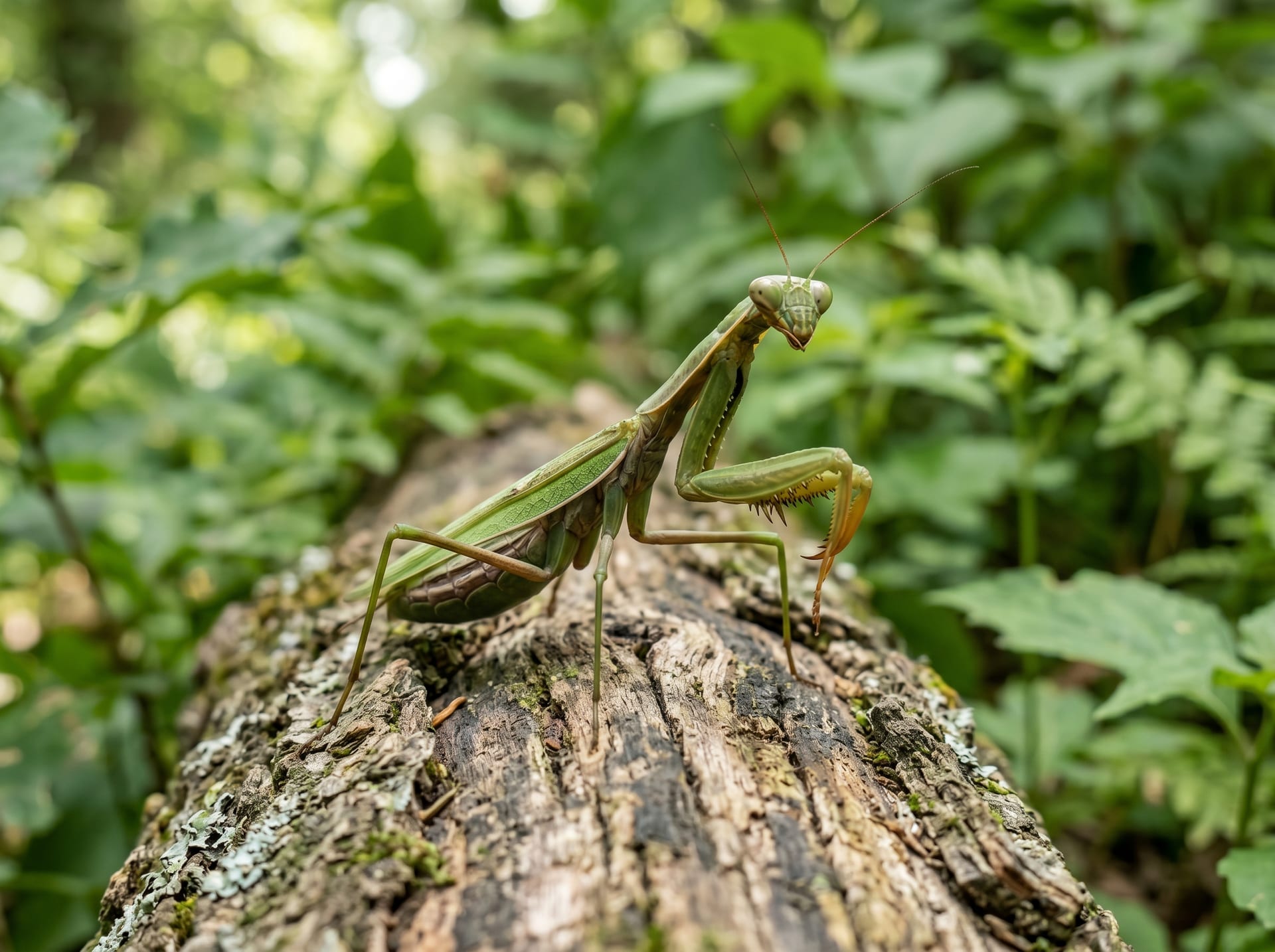
螳螂是世界上已知的约2,400种肉食性昆虫,在日本栖息着大螳螂、宽腹螳螂等数种。其名称的由来是因为它们捕食农作物害虫,被誉为"持镰刀的神之使者",自古以来就为日本人所喜爱。最大的特征是呈镰刀状发达的前腿,捕捉猎物的精准度在昆虫中首屈一指。通过左右转动三角形的头部来确保视野,用复眼立体地捕捉猎物的能力也备受好评。性格因个体而异,但基本上领地意识强,喜欢独行。作为宠物,最大的吸引力莫过于狩猎时刻的震撼力,静静地等待活饵然后瞬间捕杀的野性美令人印象深刻。饲养设备简单,初期投资少,因此作为昆虫饲养的入门也越来越受欢迎。
经营螳螂的精选繁殖者
查看全部螳螂繁殖者列表(1)→迎接螳螂前需要了解的7件事
1竖型笼舍必需
螳螂在蜕皮时需要从天花板上悬挂,因此请准备高度为体长3倍以上的笼舍。配有网盖的竖型玻璃箱是标准配置。确保通风性也能防止霉菌和潮湿。
2温度和湿度管理
日本螳螂的适宜温度为25〜30℃,湿度50〜70%。过于干燥会导致蜕皮不全,因此用喷雾器轻轻喷湿笼舍壁面较好。冬季用小型面板加热器进行保温。
3单独饲养为基本
螳螂有很强的同类相食习性,即使是同种也会无情地捕食。必须每只单独放在不同的笼舍中饲养。即使为了交配目的,也只能在短时间的管理下同居,结束后立即分离。
4活饵投喂为基本
主食是蟋蟀、果蝇、黄粉虫等活昆虫。饵料的大小应以螳螂头部宽度以下为标准。吃不完的饵料要清理掉,在蜕皮前后24小时内不要投喂。
5脱皮失败要注意
脱皮不全是螳螂常见的死因。干燥、营养不足和饲养箱高度不足是主要原因。脱皮期间绝对不要触碰或喂食。脱皮后,需保持1~2天的安静,直到新的外骨骼硬化。
6理解寿命的短暂
成虫的寿命通常为3~6个月,几乎不会越冬。如果从卵鞘中饲养,可以观察从孵化到成虫的全过程,最大程度地享受它们的整个生命周期。请以终身饲养为前提迎接它们。
7谨慎处理
螳螂容易因被触碰而感到压力,受惊时会摆出防御姿态或逃离。随着适应,有些个体可能会停留在手上,但不要强行触碰——要在观察其行为的同时逐步使其习惯。被前肢夹住时可能会留下小伤口。
螳螂的常见问题
- Q.初学者也能养螳螂吗?
- A.基础饲养不难,是初学者也容易尝试的昆虫。不过获取活食和管理脱皮需要一些经验,所以从本地种幼虫开始会更容易学习。
- Q.需要每天喂食吗?
- A.无需每日喂食,一般来说每周2~3次是标准指南。在观察食欲的同时调整投食量。脱皮前食欲会自然下降,无需强行喂食。
- Q.能同时饲养多只螳螂吗?
- A.由于存在相互捕食的危险,不推荐混养。即使体型相近也可能发生攻击,必须1只为单位,分别用单独的容器饲养。
- Q.能从螳螂卵鞘开始饲养吗?
- A.从卵鞘孵化是可以的,但一次会孵出数十至百只以上的幼虫,对饲养空间和食物的确保来说是一个重大课题。提前考虑好幼虫的去向会更加放心。
- Q.冬天应该怎样让它度过?
- A.国内野生种无法以成虫状态度过冬季,基本上以卵鞘状态越冬。作为宠物饲养的成虫能在室内温暖的环境中活到自然寿命,但随着温度下降活动会减少。冬季要注意保温,并根据观察情况调整投食频率。
适合饲养螳螂的实用工具
Learn more about 螳螂 in the encyclopedia
查看螳螂的图鉴条目 →
收录饲养难度、寿命、体长、食性等基础数据。