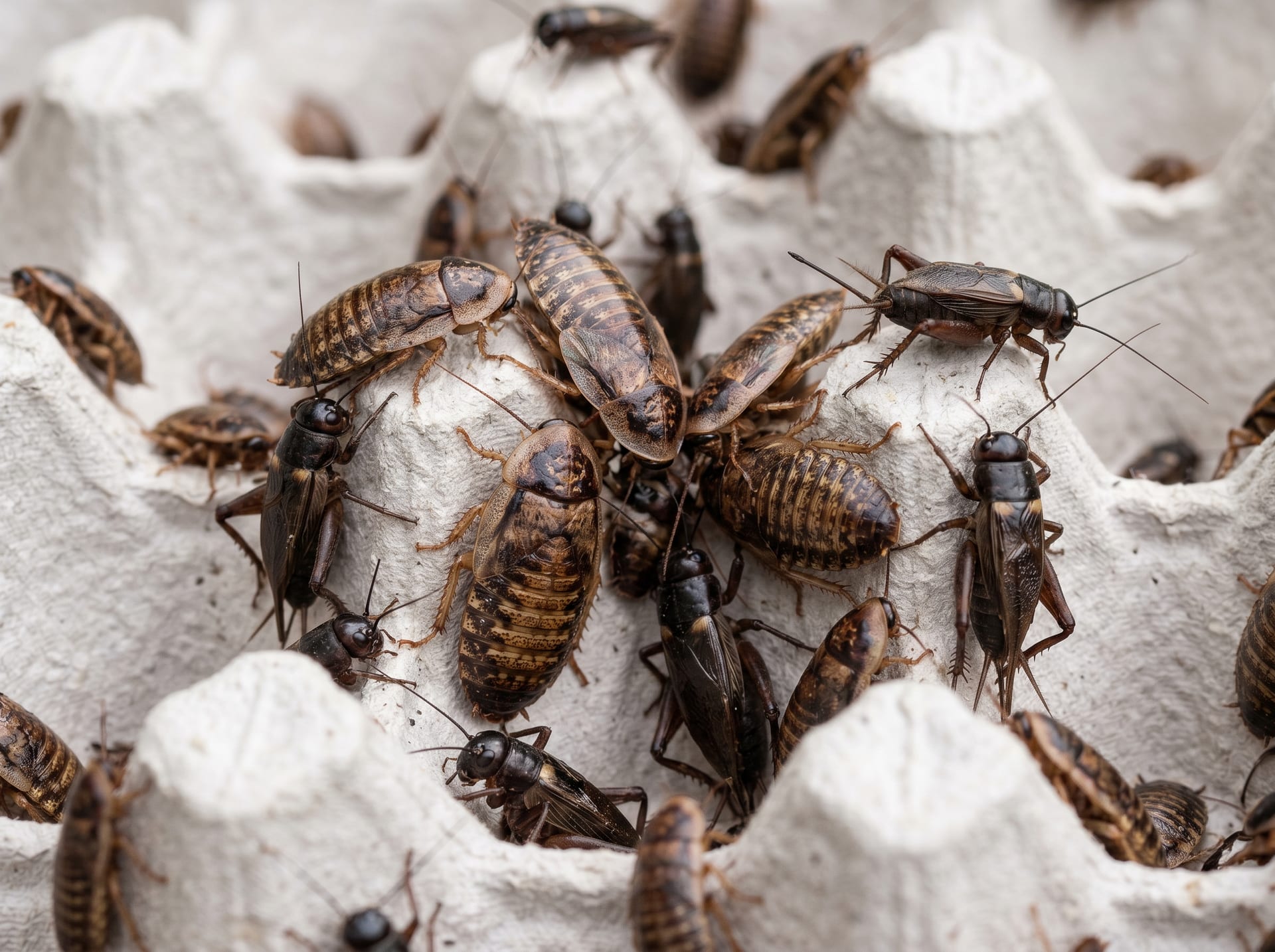
蟋蟀/杜比亚蟑螂/红蟑螂
蟋蟀、杜比亚蟑螂和红蟑螂是爬虫、两栖动物和大型昆虫饲养者广泛使用的活饲料和宠物昆虫。它们各自具有不同的特性,可根据饲养目的和目标生物选择,这是它们的魅力所在。可根据气味、叫声有无、繁殖难度等用途来区分使用,这是一种乐趣。
View 蟋蟀/杜比亚蟑螂/红蟑螂 encyclopedia →成交手续费0%!2026年9月30日前注册,前 2 笔成交免佣金!
繁殖者 招募中!
在BreederDirect发布商品,直接销售给全国客户!
Br-choku承诺的 6 个透明度要点
刊登昆虫时,繁殖者会明示以下信息。我们保证成长阶段与繁殖配对的透明性。
- 阶段明示
- 代次明示
- 实物照片
- 繁殖单位
- 原产国
- 体长明示
查看全部26个品种
昆虫分类正在招募认证繁殖者
繁殖者正在陆续注册,即将上架。设置上架通知,不错过新商品。
「接收上架通知」需免费注册会员即可设置。当有符合您保存条件的新商品上架时,我们会通过邮件和站内通知提醒您。
关于蟋蟀/杜比亚蟑螂/红蟑螂
蟋蟀、杜比亚蟑螂和红蟑螂在饲养爬虫、两栖动物和肉食性节肢动物时是不可或缺的活饲料昆虫,在世界各地的爱好者中广受欢迎。双斑蟋蟀和家蟋蟀原产于亚洲和中东,其活跃的活动能强烈刺激捕食本能。杜比亚蟑螂(阿根廷森林蟑螂)是南美原产的大型蟑螂,因气味少、动作温和、无法爬墙而特别受欢迎,管理容易。红蟑螂原产于土库曼斯坦,营养价值高,繁殖周期快,适合维持中型种群。它们都是高蛋白、低脂肪的,营养平衡优越,通过肠道负荷和撒粉可进一步提高营养价值。作为宠物昆虫可以观察和繁殖,近距离了解生态多样性也是其魅力所在。
迎接蟋蟀/杜比亚蟑螂/红蟑螂前需要了解的7件事
1掌握各品种的特性
蟋蟀(双斑蟋蟀/家蟋蟀)活动活跃,食欲旺盛,但鸣声和气味令人困扰。杜比亚蟑螂气味较少,活动缓慢,易于饲养;红蟑螂介于两者之间。根据饲养目的和环境选择种类很重要。
2温度管理是繁殖的关键
这两种都是温带至热带昆虫,最适温度在25〜32℃左右。温度降低时,活动会变迟缓,杜比亚蟑螂和红蟑螂会停止繁殖。通过加热器或保温垫稳定温度是稳定供应的基础。
3彻底防止逃脱和混入
蟋蟀跳跃力强,容易从盖子的缝隙中逃脱。杜比亚蟑螂无法爬行,用塑料容器易于管理,但红蟑螂能爬墙,因此必须使用密闭容器。为防止混入生活空间,一定要确认容器的密封性。
4营养强化与肠道装载
活饵的营养价值取决于喂食前它吃了什么。建议在使用前24〜48小时进行"肠道装载",用蔬菜、水果和专用饲料丰富其肠道营养。结合钙粉撒布,有助于维持目标生物的健康。
5繁殖群落的密度管理
过度拥挤会导致压力引起的同类相食和疾病传播。杜比亚以约1:5的♂:♀比例管理时能够高效繁殖。蟋蟀通过使用卵箱或隔板按大小分开可以减少同类相食。
6注意补水的方法
由于放置水盆会带来溺水的风险,因此应通过含水量高的蔬菜(黄瓜、胡萝卜)或专用水凝胶来补给水分。蟋蟀特别容易溺水,在水盆中放置海绵或脱脂棉也很有效。适当的水分管理能够大幅降低群落的死亡率。
7做好除臭和降噪的准备
双点蟋蟀在夜间鸣叫,家蟋蟀也会发出声音,因此在卧室或客厅饲养时需要谨慎。杜比亚和红蟑螂不鸣叫,适当管理的情况下臭味也能减到最低。提前考虑饲养地点和通风环境,可以减少对生活的影响。
蟋蟀/杜比亚蟑螂/红蟑螂的常见问题
- Q.蟋蟀和杜比亚哪个更容易饲养?
- A.如果想要减少臭味和逃逸风险,杜比亚更容易处理。蟋蟀的缺点是鸣叫和短寿命(约8周),但它们有通过活动容易激发进食欲望的优点。建议根据饲养空间和目标生物来选择。
- Q.红蟑螂逃到家里会繁殖吗?
- A.在日本一般的家居环境中(特别是冬季),红蟑螂很难定居和繁殖,但在温暖地区或高温房间中,不能排除这种可能性。使用密闭容器防止逃脱,并立即收集任何逃脱的个体是非常重要的。
- Q.应该给多大的个体作为生饵?
- A.标准是与目标生体头部宽度大致相同或略小的大小。过大会有消化不良或窒息的风险。根据生体的生长逐步增加大小是健康管理的基础。
- Q.从零开始建立繁殖群最少需要多少只?
- A.对于杜比亚蟑螂,建议以成虫♂10只、♀50只左右作为稳定繁殖群的起点。蟋蟀从成虫50〜100只开始时,繁殖周期较为稳定。从少数个体开始容易导致供应不稳定,因此理想情况是以相当数量的个体开始。
- Q.蟋蟀为什么一只接一只地死去?
- A.主要原因是过湿、过密、通风不足和在水盘中溺水。蟋蟀对有氨臭的湿润环境非常敏感,定期清洁和确保通风直接降低死亡率。水分应通过凝胶或蔬菜补充,不使用水盘是基本原则。
适合饲养蟋蟀/杜比亚蟑螂/红蟑螂的实用工具
Learn more about 蟋蟀/杜比亚蟑螂/红蟑螂 in the encyclopedia
查看蟋蟀/杜比亚蟑螂/红蟑螂的图鉴条目 →
收录饲养难度、寿命、体长、食性等基础数据。