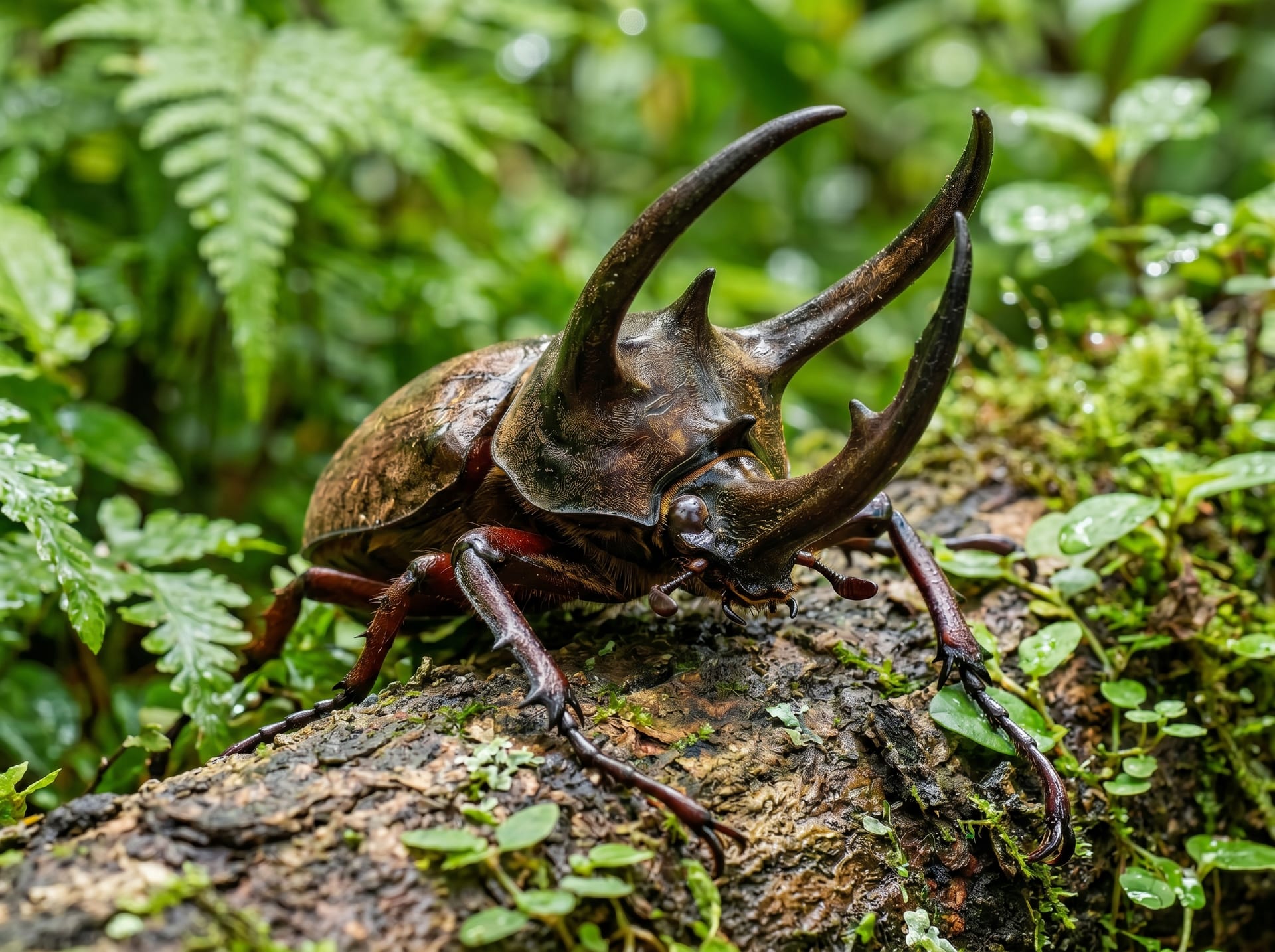
南洋大兜虫
东南亚产的大型甲虫。有3根角,与科卡萨斯大兜虫相似,但体型略小。饲育相对容易。成虫寿命3〜6个月,幼虫8〜12个月。食物:昆虫果冻(成虫)、发酵垫(幼虫)。
View 南洋大兜虫 encyclopedia →成交手续费0%!2026年9月30日前注册,前 2 笔成交免佣金!
繁殖者 招募中!
在BreederDirect发布商品,直接销售给全国客户!
Br-choku承诺的 6 个透明度要点
刊登昆虫时,繁殖者会明示以下信息。我们保证成长阶段与繁殖配对的透明性。
- 阶段明示
- 代次明示
- 实物照片
- 繁殖单位
- 原产国
- 体长明示
查看全部26个品种
昆虫分类正在招募认证繁殖者
繁殖者正在陆续注册,即将上架。设置上架通知,不错过新商品。
「接收上架通知」需免费注册会员即可设置。当有符合您保存条件的新商品上架时,我们会通过邮件和站内通知提醒您。
南洋大兜虫的基本数据
- 饲养难度
- 适合新手
- 寿命
- 成虫3~6个月、幼虫8~12个月
- 体型
- 最大100毫米
- 适宜温度
- 22〜28℃
- 饮食
- 昆虫果冻(成虫)、发酵垫材(幼虫)
- 饲养环境
- 在中至大型饲养箱中铺厚发酵垫材饲养。成虫喂食昆虫果冻或香蕉。
- 温度与湿度
- 饲养温度以22〜28℃为宜。超过28℃成虫消耗加快,夏季应保持22〜26℃的凉爽环境。
- 繁殖与产卵
- 雌虫在发酵垫材中产卵。幼虫以发酵垫材饲养,幼虫期约8〜12个月。
- 饲养难度
- 在外国产甲虫中相对容易饲养
- 注意事项
- 容易与高加索大兜虫混淆。通过角的形状区别
- 与高加索的区别
- 阿特拉斯胸角略细且向上、全长略小,高加索胸角粗长、攻击性更高。饲养难度阿特拉斯更低。
关于南洋大兜虫
亚特拉斯大兜虫广泛分布于东南亚(印度尼西亚、菲律宾、马来西亚等)的热带雨林中。根据学名 Chalcosoma atlas,该名取自希腊神话中的巨人亚特拉斯,其魁梧的体格不负其名。其特征是头部有一个大的弧形角和前胸部两个侧角,共3根角,与科卡萨斯大兜虫非常相似,但全长约7〜12厘米,体型略小,收藏价值很高。虽然雄虫之间性格好斗会激烈争斗,但由于动作缓慢,实际操作相对容易。饲育的魅力不仅在于成虫迫人的外观,还在于能够观察从幼虫到成虫的生长过程,是昆虫饲育的精髓浓缩。初学者到高级饲养者都能广泛享受。
迎接南洋大兜虫前需要了解的7件事
1饲育箱的尺寸
成虫饲育适合用中型箱(参考尺寸:30厘米×20厘米以上)。由于雄虫的角容易挂到盖子,需要注意盖子的形状。多个饲育会引起激烈的打斗,因此基本上建议单独饲育。
2垫材深度与管理
成虫饲养时,铺设深度5~10厘米左右可掘入的发酵垫材,有助于减轻压力。保持适度湿度以防垫材过干,大约每1~2个月更换一次为宜。若出现霉菌或强烈异味,请尽早更换。
3成虫寿命较短
成虫寿命通常较短,约3~6个月,从羽化到开始后食(初次进食)可能需要数周时间。确认后食后再进行配对是基本原则。由于寿命较短,日常观察和适当护理变得尤为重要。
4幼虫期的发酵垫材
幼虫期约8~12个月,以发酵垫材为主食。垫材退化后营养价值下降,建议每2~3个月更换一次。与锹甲不同,本类幼虫以垫材为食,无需产卵木。
5温度管理的重要性
成虫和幼虫的适宜温度约为23~28℃。超过30℃的高温会导致活动下降和寿命缩短,因此夏季温度管理需特别注意。冬季若温度降至15℃以下,幼虫生长会明显放缓,因此请重视室温管理。
6雄虫的气质和饲养方法
雄虫用角夹持和抬起对手的力量很强,用手操作时手指可能被夹住。尤其是受到惊吓时,它们会反射性地抓住手臂或手指,所以取出时应该先让它冷静下来再慢慢进行。虽然不如独角仙那么凶悍,但初学者还是需要留意。
7按产地分的个体差异
亚特拉斯锹甲根据产地(苏门答腊、爪哇、菲律宾等)在体型和角形上差异很大。购买时如果确认产地信息,可以更容易预测成长后的尺寸和形状。混合产地的个体不适合用于繁殖,所以如果您希望购买纯血统个体,请向卖家确认。
南洋大兜虫的常见问题
- Q.与独角仙的区别是什么?
- A.最大的差异是体型,亚特拉斯锹甲比独角仙稍小一些,全长7〜12cm左右。角的形状也不同,亚特拉斯的角尖端略向内侧弯曲。饲养难度基本相当,但亚特拉斯的流通量更大,往往更容易购得。
- Q.雄虫和雌虫可以养在同一个容器里吗?
- A.除了用于短期配对繁殖外,不建议将雄虫和雌虫养在同一容器里。雄虫对雌虫也可能表现出攻击性,导致雌虫受伤。基本的饲养管理方法是,配对后立即将它们分别放入不同的容器中。
- Q.饲养需要多大的空间?
- A.每只成虫需要一个宽度约30cm的塑料容器就足够了。幼虫通常在800ml~2L的瓶子或小容器中单独饲养。即使饲养多只,相比使用大空间,增加单独容器的数量会更便于管理。
- Q.冬季温度管理应该怎样进行?
- A.阿特拉斯大兜虫产自热带,不耐低温,必须避免15℃以下的环境。冬季室温下降时,使用加热垫或保温灯泡将容器周围温度保持在20℃以上。安装温度计并养成每天定期检查的习惯会很有帮助。
适合饲养南洋大兜虫的实用工具
在图鉴中详细了解南洋大兜虫
查看南洋大兜虫的图鉴条目 →
收录饲养难度、寿命、体长、食性等基础数据。