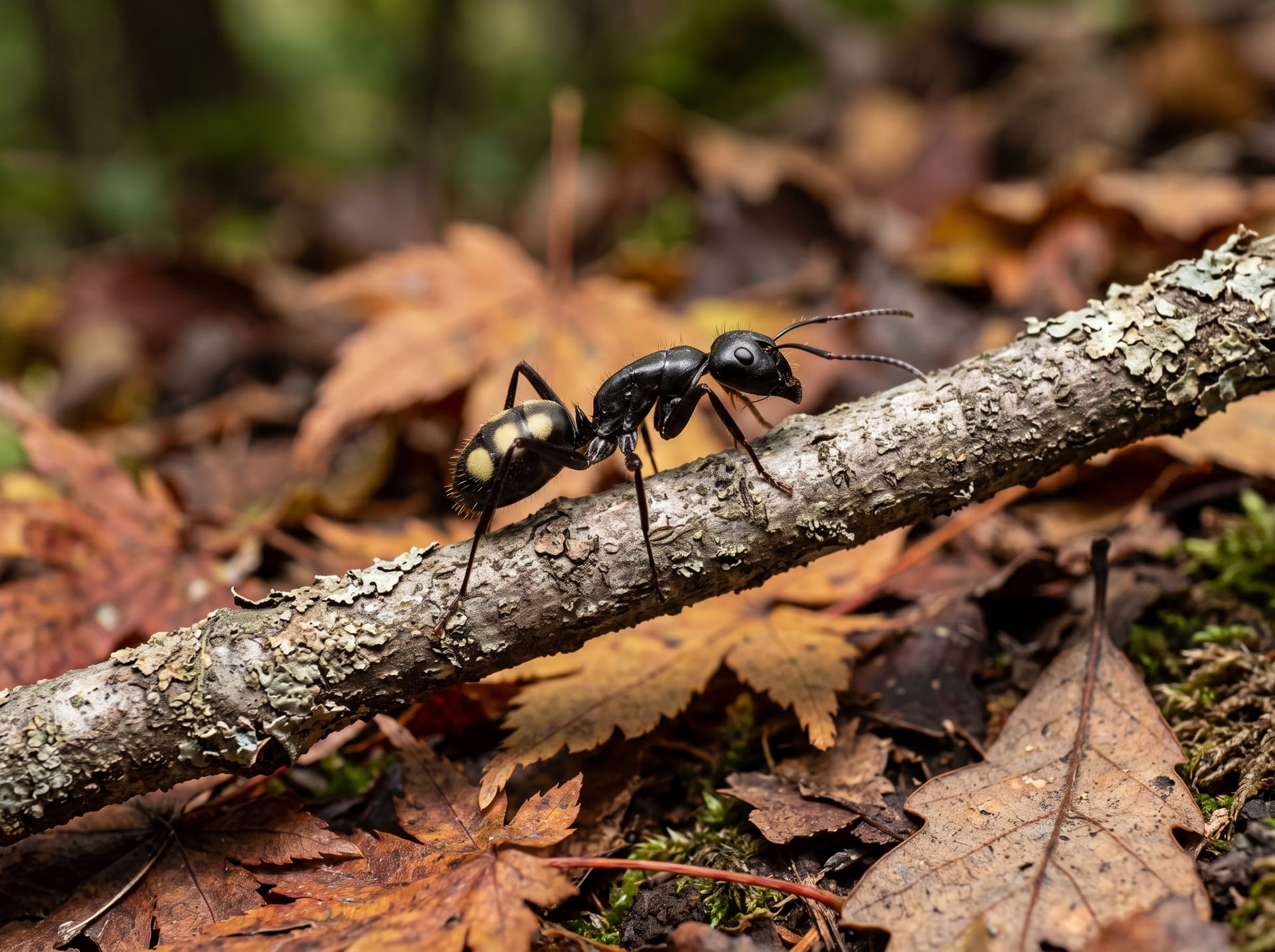
四斑大蚁
The four-spotted carpenter ant is a small Camponotus species easily recognized by two pairs of yellow spots on its abdomen. In the wild, it nests arboreally, tunneling into cracks in wood or beneath bark, and this natural nesting behavior can be observed in captivity as well. Despite its small size, it displays the quick, active movement typical of carpenter ants, and as a colony grows, keepers can watch workers divide labor and cooperate. Considered an intermediate-level species, it's best suited to keepers who already have some experience with the basics of ant keeping. With its distinctive coloring and interesting wood-nesting habits, this species is a great way to expand your ant-keeping repertoire.
View 四斑大蚁 encyclopedia →成交手续费0%!2026年9月30日前注册,前 2 笔成交免佣金!
繁殖者 招募中!
在BreederDirect发布商品,直接销售给全国客户!
Br-choku承诺的 6 个透明度要点
刊登昆虫时,繁殖者会明示以下信息。我们保证成长阶段与繁殖配对的透明性。
- 阶段明示
- 代次明示
- 实物照片
- 繁殖单位
- 原产国
- 体长明示
查看全部296个品种
昆虫分类正在招募认证繁殖者
繁殖者正在陆续注册,即将上架。设置上架通知,不错过新商品。
「接收上架通知」需免费注册会员即可设置。当有符合您保存条件的新商品上架时,我们会通过邮件和站内通知提醒您。
关于四斑大蚁
A small carpenter ant with four yellow abdominal spots and arboreal nesting habits. An intermediate-level species known for tunneling into wood.
迎接四斑大蚁前需要了解的7件事
1Set Up for Arboreal Nesting
In the wild, this species nests in cracks in wood or beneath bark. Providing a wood or balsa nest in captivity helps recreate this natural nesting behavior.
2Best for Intermediate Keepers
This species is generally recommended for intermediate keepers. Some prior experience managing temperature, humidity, and colony establishment will help things go smoothly.
3Distinctive Four-Spot Pattern
The hallmark feature is four yellow spots arranged in two pairs on the abdomen. This makes the species easy to distinguish from other carpenter ants and adds to the fun of observing them.
4Worker Size and Nest Design
Workers measure around 5–6mm in length. Choosing nests and tubing sized for smaller ants makes it easier for them to explore and for you to manage the setup.
5Watching Colony Activity
You can observe behaviors typical of wood-nesting ants, such as workers gnawing through wood to expand tunnels and cooperating with one another. Tracking these day-to-day changes is part of the enjoyment.
6Prepare Equipment Beforehand
Setting up wood nests, humidity control, and feeding containers suited to an arboreal species in advance will help you get the colony started smoothly.
7CITES Status
The four-spotted carpenter ant is not listed under CITES.
四斑大蚁的常见问题
- Q.What is the origin of the name "four-spotted carpenter ant"?
- A.The name comes from the four yellow spots, arranged in two pairs, on the ant's abdomen. This pattern serves as a key identifying feature of the species.
- Q.Can beginners keep this species?
- A.This species is generally considered suitable for intermediate keepers. It's best approached after gaining some basic experience with ant keeping.
- Q.What kind of nest should I prepare?
- A.Since this species nests arboreally, wood-based nests such as balsa nests are well suited. Aim for an environment resembling the cracks in wood or the space beneath bark that they use in the wild.
- Q.How big are the workers?
- A.Workers are around 5–6mm long, making them a relatively small species among carpenter ants.
- Q.Are there legal restrictions on keeping this species?
- A.The four-spotted carpenter ant is not listed under CITES.
适合饲养四斑大蚁的实用工具
在图鉴中详细了解四斑大蚁
查看四斑大蚁的图鉴条目 →
收录饲养难度、寿命、体长、食性等基础数据。