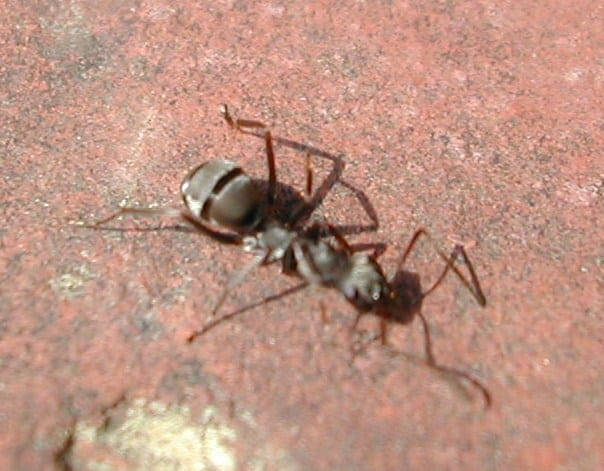
 © Imuzak / Public domain
黑山蚁
The Japanese Wood Ant is a grayish-black ant commonly found in sunny grasslands throughout Japan. The size difference between workers (about 4.5-6mm) and the queen (about 10mm) makes for interesting observation. Fast-moving, active, and hardy, this species adapts well to changing conditions, making it a popular starter choice for those new to ant keeping. Watching the colony cooperate to expand its nest and observing the queen-centered social structure up close are among its main appeals. Though a familiar species, it rewards close observation with plenty to discover.
View 黑山蚁 encyclopedia →成交手续费0%!2026年9月30日前注册,前 2 笔成交免佣金!
繁殖者 招募中!
在BreederDirect发布商品,直接销售给全国客户!
Br-choku承诺的 6 个透明度要点
刊登昆虫时,繁殖者会明示以下信息。我们保证成长阶段与繁殖配对的透明性。
- 阶段明示
- 代次明示
- 实物照片
- 繁殖单位
- 原产国
- 体长明示
查看全部296个品种
昆虫分类正在招募认证繁殖者
繁殖者正在陆续注册,即将上架。设置上架通知,不错过新商品。
「接收上架通知」需免费注册会员即可设置。当有符合您保存条件的新商品上架时,我们会通过邮件和站内通知提醒您。
关于黑山蚁
A hardy, grayish-black wood ant found across Japan's grasslands. Learn about the Japanese Wood Ant, a popular and active starter species for ant keeping.
迎接黑山蚁前需要了解的7件事
1Fast and Active by Nature
Japanese Wood Ants are highly active and move quickly once they locate food. This makes them fascinating to watch, but it also means escape-proofing matters — check that lids and container seams are well sealed before setup.
2Hardy and Adaptable
Part of what makes this species beginner-friendly is its resilience. It tolerates some fluctuation in temperature and humidity, and since it naturally lives outdoors across Japan, it tends to adapt well to typical indoor keeping conditions.
3Size Difference Between Queen and Workers
Workers measure around 4.5-6mm, while the queen is noticeably larger at about 10mm. This size contrast makes it easy to visually distinguish roles within the colony.
4Understated Grayish-Black Coloring
The body is grayish-black — understated rather than flashy, with a subdued texture. The appeal lies less in color and more in watching the colony move and form trails together.
5Prepare Housing Before Arrival
Before bringing your ants home, set up an escape-proof enclosure along with a feeding and watering system. Since this is an active species, providing generous space helps them settle in comfortably.
6Avoid Sudden Temperature or Humidity Swings
While hardy, this species can still be stressed by extreme temperatures or abrupt humidity changes. Avoid placing the enclosure in direct sunlight or directly in the path of air conditioning airflow.
7Enjoy Observing Colony Behavior
The real appeal of this species lies less in individual ants and more in colony-wide behavior. Watching how they share information about food sources or build out their nest reveals much of what makes ant keeping engaging.
黑山蚁的常见问题
- Q.Can beginners keep Japanese Wood Ants?
- A.Yes, this species is widely known as a good starter choice thanks to its hardiness and active nature. It also adapts reasonably well to changes in its environment.
- Q.How much size difference is there between workers and the queen?
- A.Workers measure roughly 4.5-6mm, while the queen is about 10mm — noticeably larger, making the two easy to tell apart.
- Q.Are there legal restrictions on keeping Japanese Wood Ants?
- A.The Japanese Wood Ant is not subject to CITES.
- Q.How fast do Japanese Wood Ants move?
- A.This species is known for quick, active movement and reacts fast once food is found. Solid escape-proofing for the enclosure is important as a result.
- Q.Where is this species typically found in the wild?
- A.It is one of the most commonly seen wood ants, living in sunny grasslands across Japan. Because it naturally inhabits familiar environments, it tends to settle in well under captive conditions too.
适合饲养黑山蚁的实用工具
在图鉴中详细了解黑山蚁
查看黑山蚁的图鉴条目 →
收录饲养难度、寿命、体长、食性等基础数据。