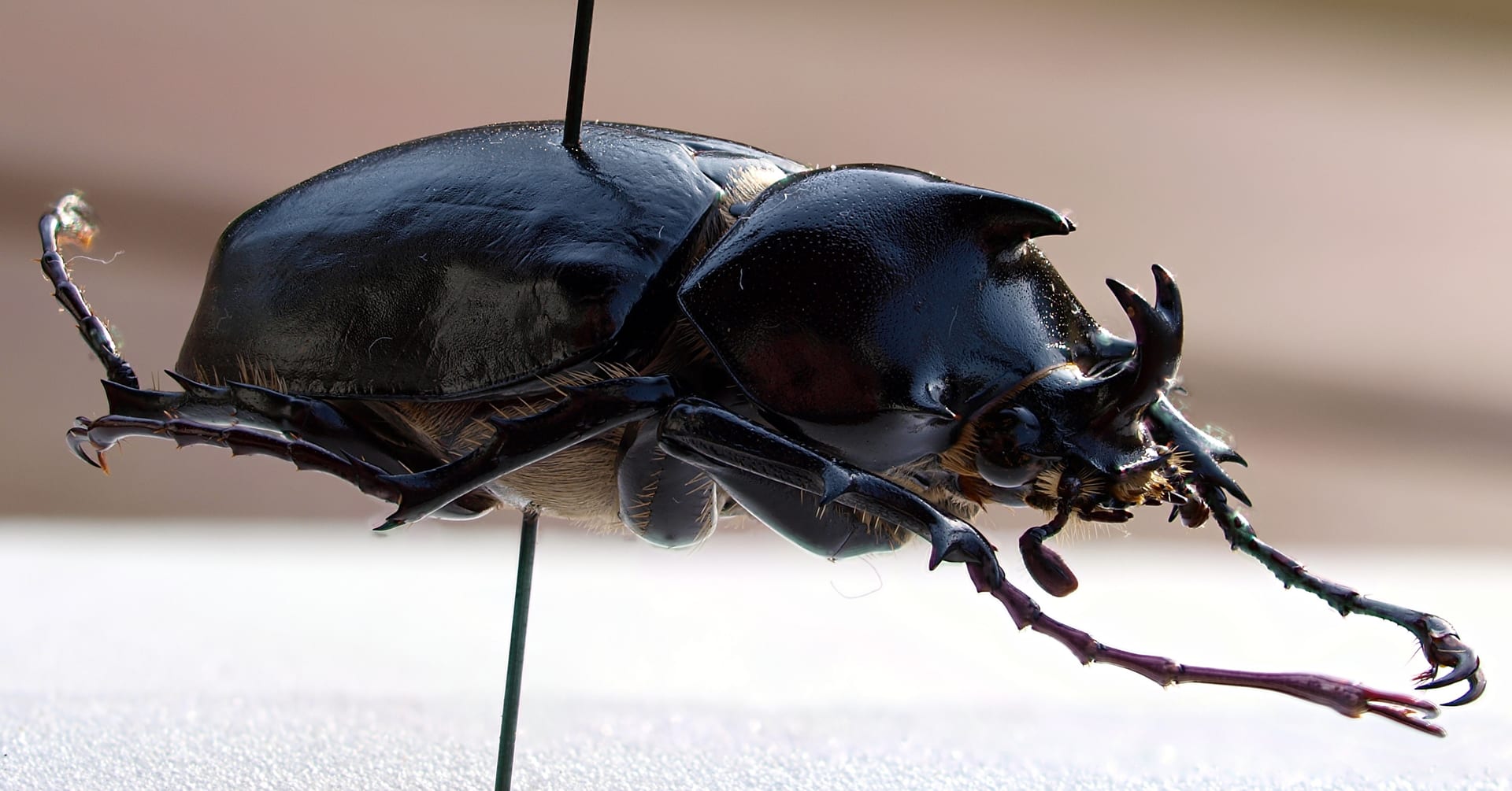
 © JohnSka / CC BY-SA 3.0
帕切科象甲
Pacheco's Elephant Beetle is a small member of the elephant beetle group native to the dry forests of northwestern Mexico. Unlike many of its bristly relatives, it has a smooth, hairless, glossy body. Adults typically measure 30 to 38mm according to published records, though one captive specimen reached 59.7mm, showing how much size can vary with rearing conditions. In the wild, these beetles are active during the day, feeding on the sap of palo brea trees, and males can be seen locking horns to push each other aside. The larval stage lasts a relatively long two to three years, making this a beetle for keepers who enjoy a slow, patient rearing process.
View 帕切科象甲 encyclopedia →成交手续费0%!2026年9月30日前注册,前 2 笔成交免佣金!
繁殖者 招募中!
在BreederDirect发布商品,直接销售给全国客户!
Br-choku承诺的 6 个透明度要点
刊登昆虫时,繁殖者会明示以下信息。我们保证成长阶段与繁殖配对的透明性。
- 阶段明示
- 代次明示
- 实物照片
- 繁殖单位
- 原产国
- 体长明示
查看全部296个品种
昆虫分类正在招募认证繁殖者
繁殖者正在陆续注册,即将上架。设置上架通知,不错过新商品。
「接收上架通知」需免费注册会员即可设置。当有符合您保存条件的新商品上架时,我们会通过邮件和站内通知提醒您。
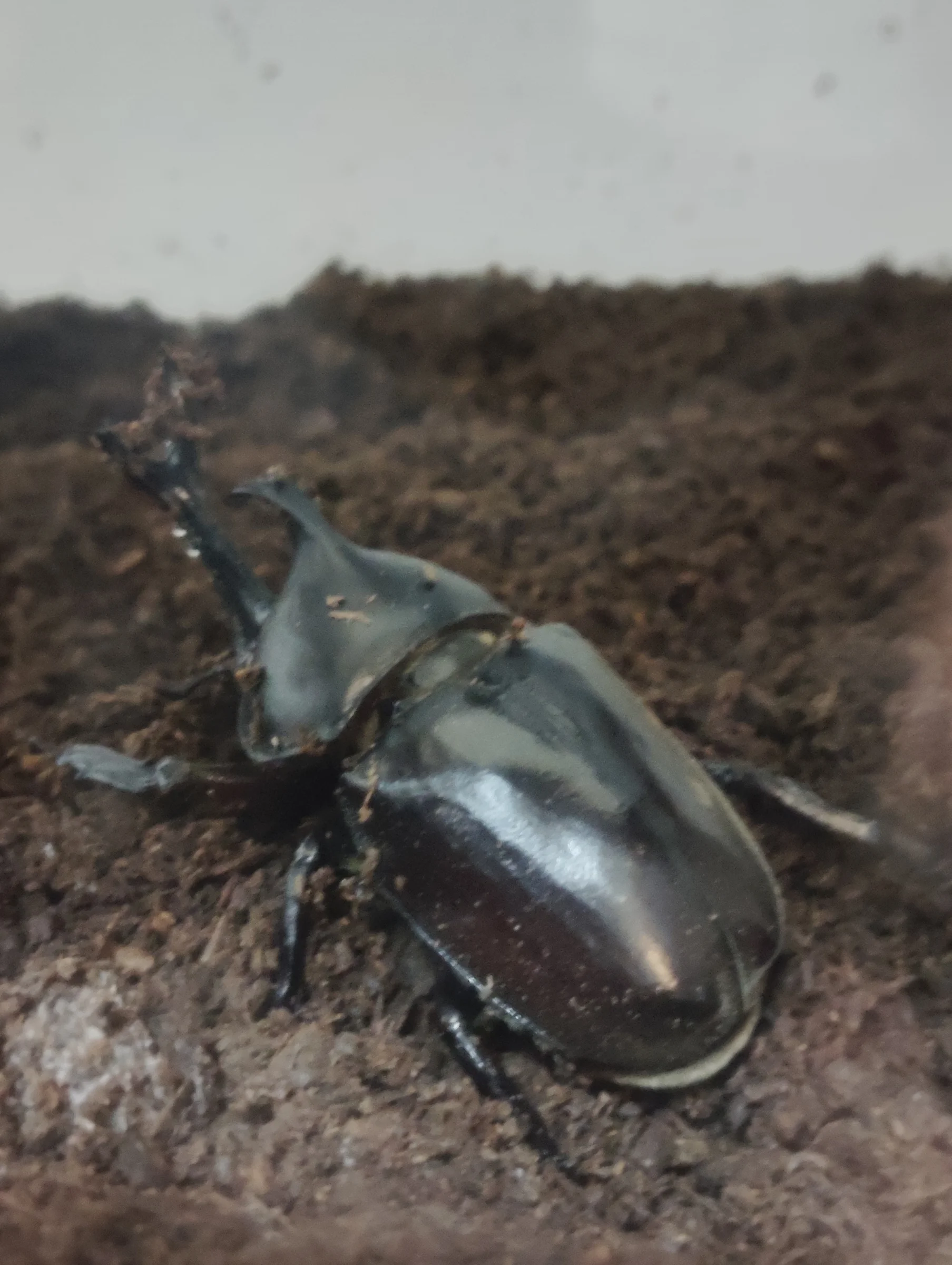
关于帕切科象甲
A hairless, small elephant beetle from Mexico's dry northwestern forests. Adults reach roughly 30–38mm, with a 2–3 year larval stage, day-active feeding habits, and an advanced difficulty level.
迎接帕切科象甲前需要了解的7件事
1Best for Experienced Keepers
This species is rarely available and information on it is limited, so it's best suited to keepers who already have experience with beetle husbandry. Understanding the basics of temperature, humidity, and breeding setups before bringing one home is recommended.
2A 2-3 Year Larval Stage
Like other elephant beetles, the larval period runs 2 to 3 years, so patience is needed before an adult emerges. Keeping substrate changes and temperature stable helps larvae develop into healthy adults.
3Smooth, Hairless Body
While many elephant beetles are covered in bristly hair, this species has a smooth, glossy, hairless body. That distinctive look also helps distinguish it from related species.
4A Dry Habitat Setup
Coming from dry forest habitats, this species doesn't tolerate excess moisture well. Keep substrate on the drier side and provide good ventilation.
5Males Push With Their Horns
Males are known to use their head horns to shove rivals aside. Housing multiple males together can lead to horn-to-horn scuffles, so keeping them individually is generally safer.
6A Taste for Tree Sap
In the wild, these beetles feed on the sap of palo brea trees during the day. In captivity, insect jelly is commonly used to provide similar nutrition.
7Size Varies by Individual
Published records put adult size at around 30 to 38mm, but one captive individual reached 59.7mm, showing notable variation. It's better to focus on a healthy emergence than on maximizing size.
帕切科象甲的常见问题
- Q.Is this beetle suitable for beginners?
- A.This species is generally considered suitable for experienced keepers rather than beginners. It's best to have a solid grasp of temperature and humidity management before taking one on.
- Q.How big do adults get?
- A.Published records list adult size at around 30 to 38mm, making it a small species, though one captive individual reached 59.7mm. Individual size can vary quite a bit.
- Q.How long does the larval stage last?
- A.As with other elephant beetles, the larval period typically runs 2 to 3 years. Patience is part of raising this species.
- Q.Is this species subject to any special regulations?
- A.Pacheco's Elephant Beetle is not subject to CITES.
- Q.What kind of environment does it live in in the wild?
- A.It inhabits dry forests in northwestern Mexico, where it feeds on the sap of palo brea trees during the day. Males have also been observed locking horns to push each other around.
适合饲养帕切科象甲的实用工具
在图鉴中详细了解帕切科象甲
查看帕切科象甲的图鉴条目 →
收录饲养难度、寿命、体长、食性等基础数据。