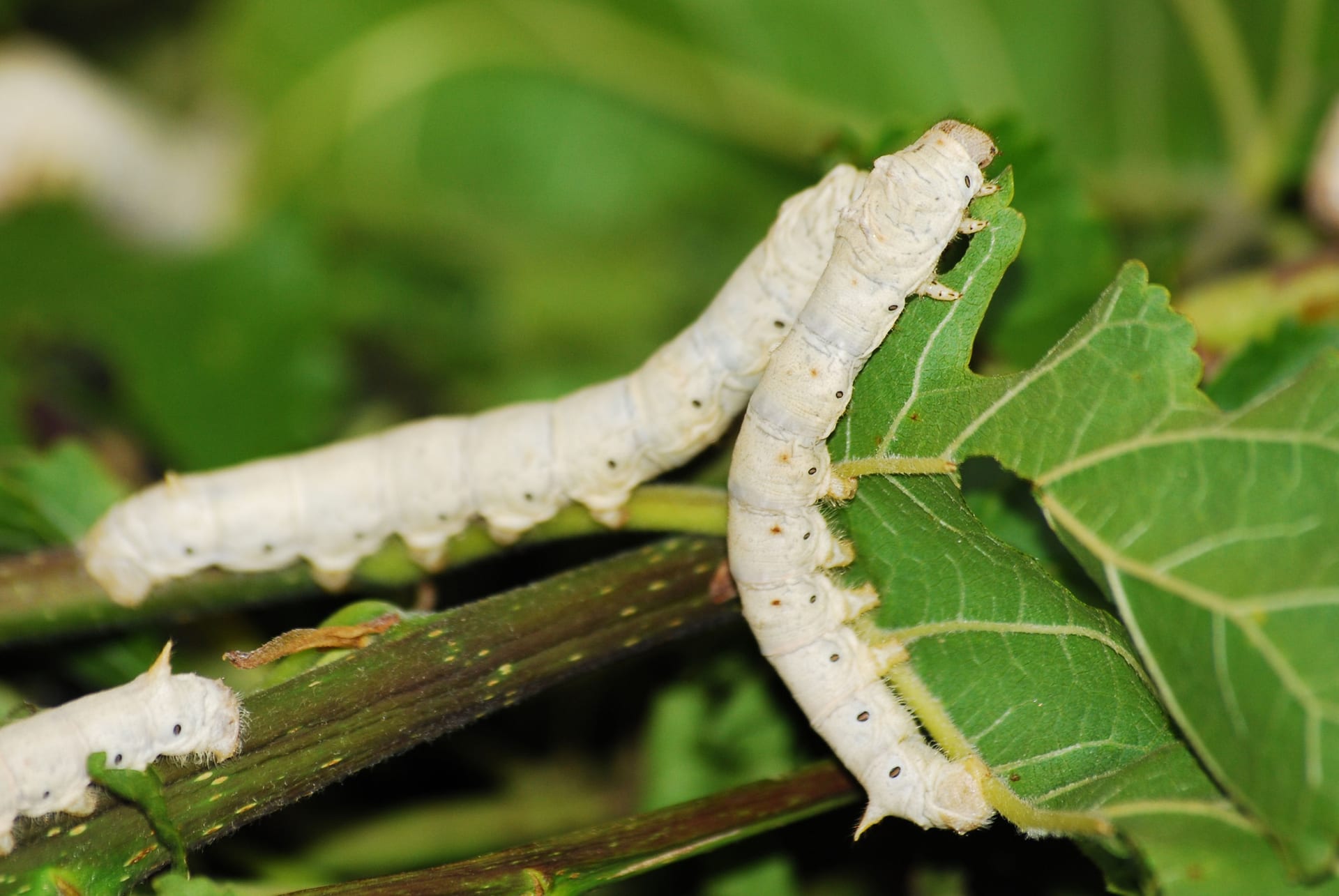
 © Lilly M (Małgorzata Miłaszewska) / CC BY-SA 3.0
家蚕
The silkworm is a moth species domesticated for silk production, and unlike its wild ancestor, it no longer exists in the wild at all. The soft white larvae feed eagerly on mulberry leaves or artificial diet, molting through five stages before spinning themselves into a cocoon. They move slowly, show no aggression, and produce little odor, making them approachable even for first-time insect keepers. Once they emerge as moths, they have wings but cannot fly, and their mouths are so reduced that they eat nothing at all — living only about a week to ten days, devoted entirely to reproduction before their short life ends. Because keepers can watch the full cycle from egg to cocoon to moth in a short span, silkworms have long been a favorite for educational rearing.
View 家蚕 encyclopedia →成交手续费0%!2026年9月30日前注册,前 2 笔成交免佣金!
繁殖者 招募中!
在BreederDirect发布商品,直接销售给全国客户!
Br-choku承诺的 6 个透明度要点
刊登昆虫时,繁殖者会明示以下信息。我们保证成长阶段与繁殖配对的透明性。
- 阶段明示
- 代次明示
- 实物照片
- 繁殖单位
- 原产国
- 体长明示
查看全部296个品种
昆虫分类正在招募认证繁殖者
繁殖者正在陆续注册,即将上架。设置上架通知,不错过新商品。
「接收上架通知」需免费注册会员即可设置。当有符合您保存条件的新商品上架时,我们会通过邮件和站内通知提醒您。
关于家蚕
The silkworm is a moth domesticated purely for silk and no longer exists in the wild. Its white larvae feed on mulberry leaves or artificial diet and spin cocoons, while the flightless, non-feeding adult lives only about a week.
迎接家蚕前需要了解的7件事
1A fully domesticated insect
The silkworm is a domesticated descendant of the wild silk moth and no longer exists in nature. Because it cannot survive without human care, keepers should be ready to provide a proper rearing environment from the start.
2Larvae eat mulberry leaves or artificial diet
The white larvae favor fresh mulberry leaves but grow just as well on artificial diet. If you plan to use mulberry leaves, make sure you can keep a steady supply of fresh ones on hand.
3Five larval stages leading to a cocoon
Larvae molt repeatedly as they grow through five stages, then finally spin their own cocoon from silk thread. They become sluggish around each molt, so it's best to observe quietly without disturbing them.
4Adults cannot fly and never eat
The emerged adult moth has wings but cannot fly, and its mouth is too reduced to feed. It lives only about a week to ten days, existing solely to reproduce before its short adult life ends.
5Docile and easy to handle
Silkworms move slowly, pose no danger to people, and produce very little odor. Their calm nature makes them well suited to anyone keeping an insect for the first time.
6Keeping the enclosure clean
Larvae leave behind uneaten food and droppings, so the container needs regular cleaning to stay hygienic. Avoiding excess humidity and ensuring some airflow helps them grow healthily.
7A popular subject for observation
Because keepers can observe the complete life cycle from egg through larva, cocoon, and moth, silkworms are also distributed for educational and feeder use. They suit anyone who wants to closely follow an insect's full development.
家蚕的常见问题
- Q.Can beginners keep silkworms?
- A.Yes, silkworms are considered beginner-friendly. As long as you provide mulberry leaves or artificial diet and keep the container clean, they are an approachable species even for first-time insect keepers.
- Q.What should I feed the adult moth?
- A.Adult moths do not eat at all, since their mouths are non-functional. After emerging, they cannot fly and live only about a week to ten days, focused solely on reproduction.
- Q.How long do larvae take before spinning a cocoon?
- A.Larvae molt through five stages as they grow, then spin their own cocoon from silk thread. You can watch them get noticeably larger with each successive stage.
- Q.How large does an adult silkworm moth get?
- A.The adult moth's wingspan measures roughly 3 to 5 cm. Its body is whitish and has a plump, soft-looking appearance.
- Q.Do I need a permit or registration to keep a silkworm?
- A.The silkworm is not subject to CITES.
适合饲养家蚕的实用工具
在图鉴中详细了解家蚕
查看家蚕的图鉴条目 →
收录饲养难度、寿命、体长、食性等基础数据。