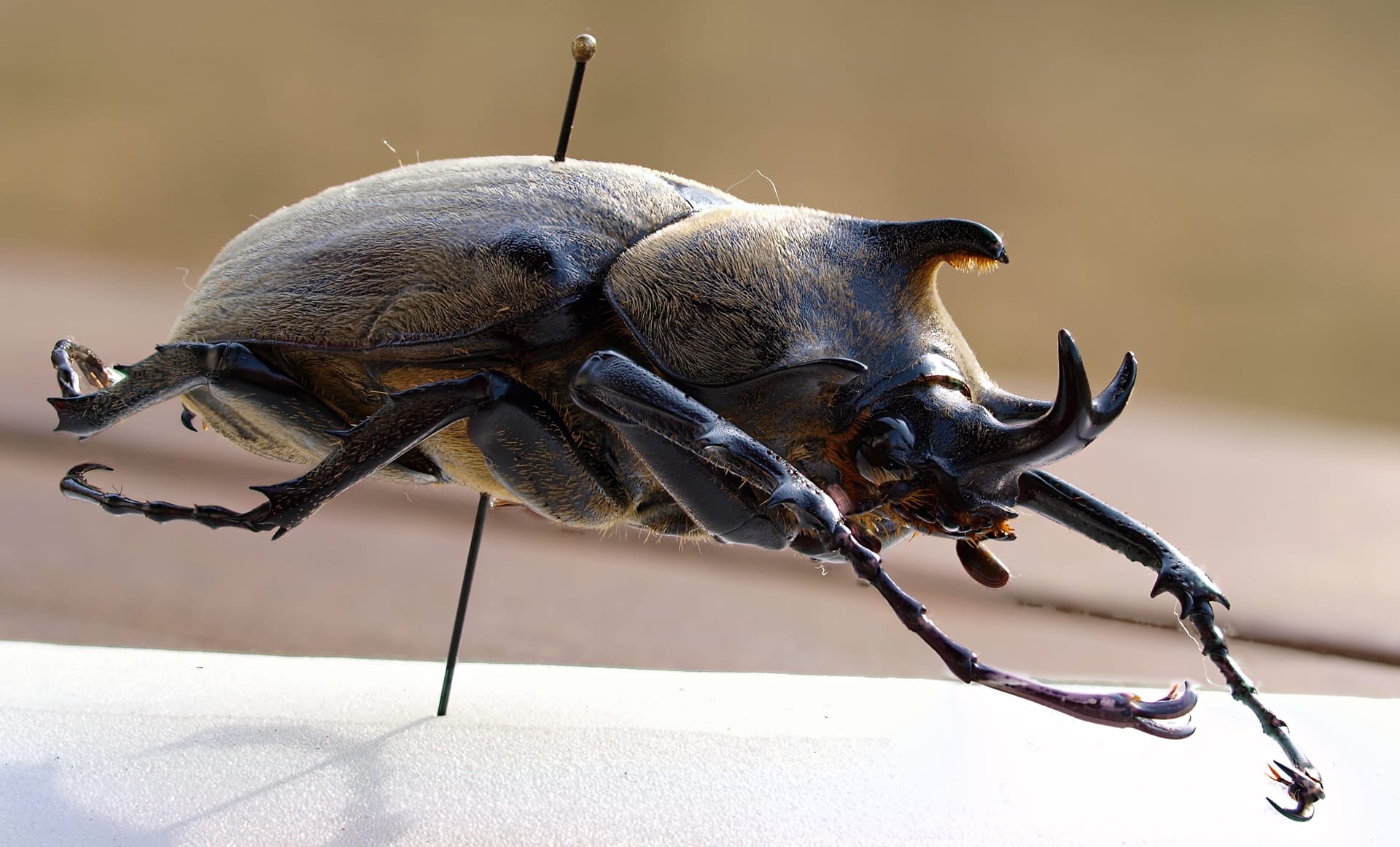
 © JohnSka / CC BY-SA 3.0
基亚象甲
The Gyas Elephant Beetle is a large, fuzzy species native to Brazil, instantly recognizable by the fine hairs covering its body. Males carry a single sturdy head horn along with three thoracic horns, giving them an imposing, rugged presence that has long appealed to beetle keepers. The species' subspecies classifications were streamlined in a 2020 taxonomic review, simplifying how it is categorized today. Larval development is relatively long at two to three years, rewarding keepers who enjoy watching a beetle grow slowly over time. Its temperament tends to be calm, making it approachable for careful handling and observation once you are used to keeping larger beetles.
View 基亚象甲 encyclopedia →成交手续费0%!2026年9月30日前注册,前 2 笔成交免佣金!
繁殖者 招募中!
在BreederDirect发布商品,直接销售给全国客户!
Br-choku承诺的 6 个透明度要点
刊登昆虫时,繁殖者会明示以下信息。我们保证成长阶段与繁殖配对的透明性。
- 阶段明示
- 代次明示
- 实物照片
- 繁殖单位
- 原产国
- 体长明示
查看全部296个品种
昆虫分类正在招募认证繁殖者
繁殖者正在陆续注册,即将上架。设置上架通知,不错过新商品。
「接收上架通知」需免费注册会员即可设置。当有符合您保存条件的新商品上架时,我们会通过邮件和站内通知提醒您。
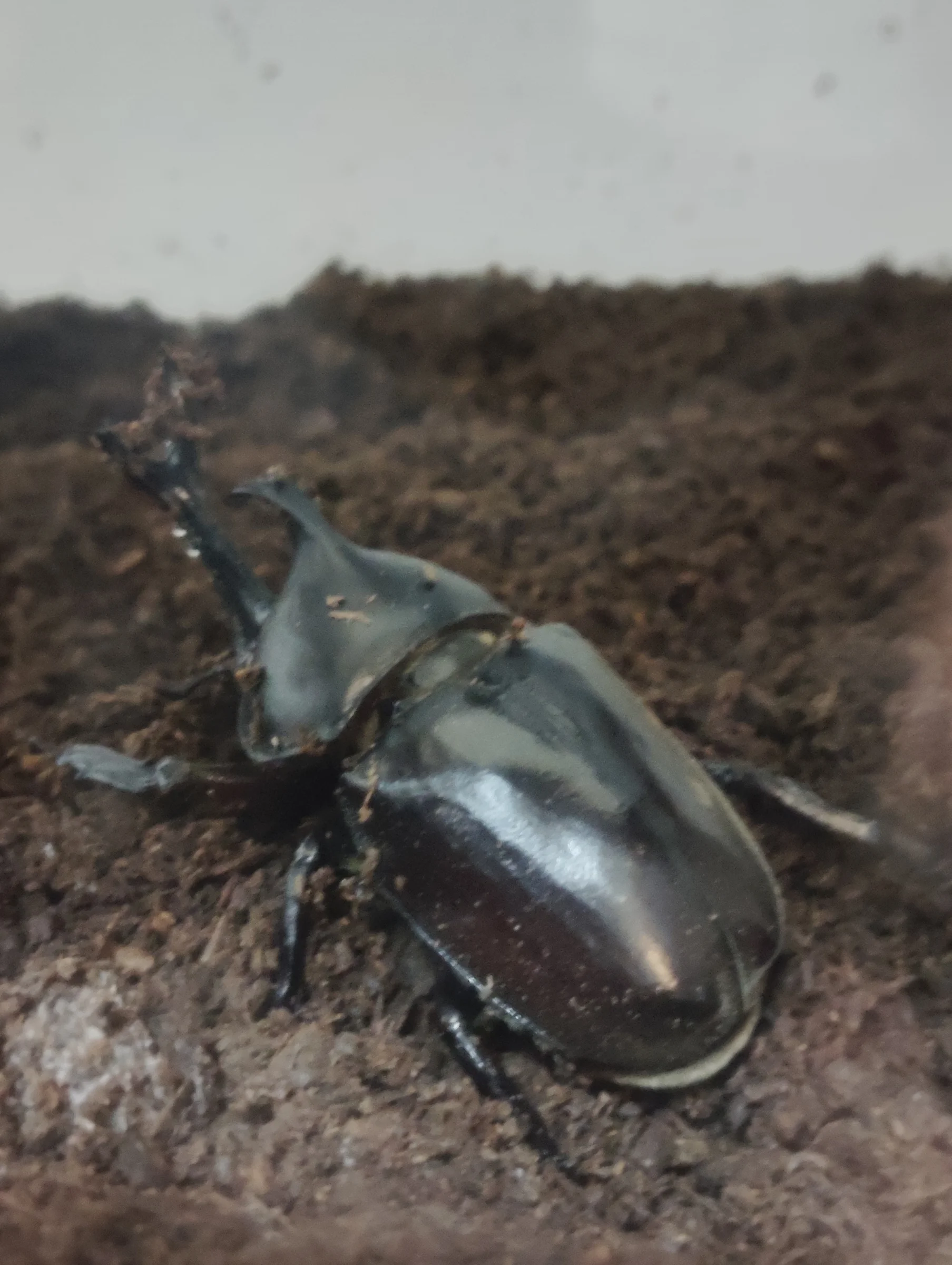
关于基亚象甲
A guide to the Gyas Elephant Beetle from Brazil: its hairy body, single head horn and three thoracic horns on males, a 2-3 year larval stage, and what to know before bringing one home.
迎接基亚象甲前需要了解的7件事
1Distinctive Body Hair
One of the most distinctive traits of the Gyas Elephant Beetle is the fine hair covering its body. Compared to other elephant beetles, this texture stands out clearly and is one of the pleasures of observing the species up close.
2The Male's Impressive Horns
Males have a single head horn plus three thoracic horns, giving them a powerful, rugged look. Because the horns add bulk, take care with enclosure layout and handling so they don't get caught on decorations or your hands.
3A 2-3 Year Larval Stage
Larval development takes around two to three years, a general figure for the genus, so reaching adulthood is a long process. Plan for ongoing care such as periodic substrate changes over that extended period.
4Intermediate Care Level
This species is generally considered suitable for intermediate keepers. Managing temperature, humidity, and substrate conditions calls for some prior experience, so having kept other beetle species first is helpful.
5Size Difference Between Sexes
In recorded examples, males reach about 88mm while females are around 54mm, reflecting a notable size difference between the sexes. Combined with the presence or absence of horns, males and females look quite distinct.
6Keep Individually
Whether larvae or adults, housing multiple individuals together can lead to fighting or cannibalism. It's safest to keep each beetle in its own separate enclosure.
7A Streamlined Classification
The species was previously split into several subspecies, but a 2020 taxonomic review streamlined this classification. When choosing one, it's worth checking that the naming reflects the current classification.
基亚象甲的常见问题
- Q.Can beginners keep a Gyas Elephant Beetle?
- A.This species is generally rated for intermediate keepers. Prior experience with other beetle species makes managing temperature and humidity easier.
- Q.How large do adults grow?
- A.Recorded examples show males around 88mm and females around 54mm. Individual variation exists, so treat these figures as general reference points.
- Q.How long does the larval stage last?
- A.As a general figure for the genus, it takes around two to three years. Keeping this species means being prepared for a slow, patient path to adulthood.
- Q.Is the Gyas Elephant Beetle subject to any regulations?
- A.It is not subject to CITES.
- Q.How do males and females differ in appearance?
- A.Males have a single head horn and three thoracic horns, while females have no horns at all. There is also a size difference, with males growing larger than females.
适合饲养基亚象甲的实用工具
在图鉴中详细了解基亚象甲
查看基亚象甲的图鉴条目 →
收录饲养难度、寿命、体长、食性等基础数据。