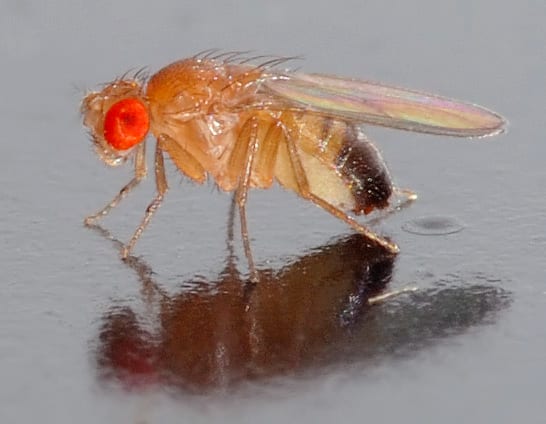
 © André Karwath aka Aka / CC BY-SA 2.5
黑腹果蝇
The common fruit fly is a tiny fly, just 2-3mm long, recognizable by its yellowish body and bright red eyes. The flightless strain commonly kept by hobbyists can't take off, so it simply wanders around inside its container, making it easy to observe and handle. Because of its small size, it's a popular live food choice for young mantis nymphs and small frogs that need bite-sized prey. Rated beginner-friendly to keep, it thrives in a simple culture container with breeding medium, making it a practical staple for anyone who wants a steady, low-maintenance feeder insect on hand.
View 黑腹果蝇 encyclopedia →成交手续费0%!2026年9月30日前注册,前 2 笔成交免佣金!
繁殖者 招募中!
在BreederDirect发布商品,直接销售给全国客户!
Br-choku承诺的 6 个透明度要点
刊登昆虫时,繁殖者会明示以下信息。我们保证成长阶段与繁殖配对的透明性。
- 阶段明示
- 代次明示
- 实物照片
- 繁殖单位
- 原产国
- 体长明示
查看全部336个品种
昆虫分类正在招募认证繁殖者
繁殖者正在陆续注册,即将上架。设置上架通知,不错过新商品。
「接收上架通知」需免费注册会员即可设置。当有符合您保存条件的新商品上架时,我们会通过邮件和站内通知提醒您。
黑腹果蝇的基本数据
- 饲养难度
- 适合新手
- 寿命
- 成虫约2个月(实验室饲养条件下)
- 体型
- 体长2~3毫米
- 适宜温度
- 20〜30℃
- 饮食
- 酵母(发酵培地、成熟水果)
- 温度·湿度
- 在20~30℃条件下管理,不能低于15℃。温度越高发育越快,在25℃左右时,从放入亲代到下一代成虫出现约需2周。
- 饲养环境
- 使用容量约300~600毫升的带盖容器,在盖子的孔中夹入纸巾以实现通风和防止逃逸的双重目的。在培养基上放置塑料或木片作为立足点。培养基发酵变软后,没有立足点成虫会溺水。
- 饲料·投喂
- 培养基可用啤酒和土豆粉混合醋,加入少量干酵母制作。实验室中使用酵母、玉米粉、蔗糖用琼脂固化的饲料。添加水果或糖分容易产生异味。
- 繁殖·产卵
- 将15~30只成虫移入新容器后,数天内可在培养基中看到幼虫。在25℃条件下,卵期1天、幼虫期约4天、蛹期约5天后羽化。为避免断粮,每1~2周将亲代转移至新培养基,轮换使用多个容器。
- 寿命·饲养周期
- 成虫寿命约2个月。1~2周后培养基干燥、饲料耗尽,如不立即提供新饲料,可补充少量新培养基以延长成虫寿命。
- 健康·注意事项
- 确保盖子密闭防止逃逸。使用过的培养基和多余成虫应密闭处理,不可倾倒在室外。如培养基过湿或长霉会产生臭味,应及时清理该容器。
关于黑腹果蝇
A tiny (2-3mm), flightless strain of the common fruit fly, easily cultured in a simple container as beginner-friendly live food for young mantises and small frogs.
迎接黑腹果蝇前需要了解的7件事
1Tiny at Just 2-3mm
Adults measure just 2-3mm, making this one of the smallest flies commonly kept as feeder insects, with a yellowish body and bright red eyes. That tiny size makes them an easy catch for young mantis nymphs and small frogs that can't handle larger prey.
2A Flightless Strain
The strain typically available has underdeveloped wings and cannot fly, so opening the container lid doesn't risk a swarm taking off. Even if some escape, they can only crawl, which makes handling indoors considerably less stressful.
3Adults Live About 2 Months
Lab-reared records put the adult lifespan at around two months. Since you'll want a steady supply of live food, it helps to think of care as running an ongoing breeding cycle rather than keeping a single batch alive.
4Beginner-Friendly to Keep
This species is rated beginner-friendly and doesn't require specialized equipment to get started. That said, keeping a reliable feeder colony going still means staying on top of daily container upkeep.
5Needs a Culture Container and Medium
The basic setup is a small container holding a culture medium that doubles as food for the flies. Choose a container that seals well, and aim for a balance of ventilation and humidity to keep the culture healthy.
6Temperature Affects Breeding Pace
Room temperature has a noticeable effect on how quickly the flies breed and turn over generations, so keep an eye on where you place the container. Avoid spots that swing to extreme heat or cold, and aim for a stable, moderate temperature instead.
7Match Prey Size to Your Feeder
Because these flies are so small, they suit predators with tiny mouths, such as young mantis nymphs and small frogs. As your animal grows, watch for the point where it's ready to move on to larger live food.
黑腹果蝇的常见问题
- Q.How big is the common fruit fly?
- A.Adults are only about 2-3mm long, making it one of the smallest flies kept as feeder insects. Its yellowish body and bright red eyes are its most recognizable features, and its tiny size suits predators with small mouths.
- Q.Can they fly away and escape?
- A.The strain typically sold has underdeveloped wings and can't actually fly. Even if some get out of the container, they can only crawl, so the risk of them flying off is low.
- Q.How long do adults live?
- A.Lab-reared records put the adult lifespan at around two months. To keep a steady supply as live food, you'll need to maintain an ongoing breeding cycle rather than rely on a single batch.
- Q.What animals are they good food for?
- A.They're well suited as live food for young mantis nymphs, small frogs, and other animals with mouths too small for larger prey. Their 2-3mm size matches what these smaller predators can comfortably eat.
- Q.Is this species hard to keep?
- A.It's rated beginner-friendly to keep. With a culture container, breeding medium, and attention to temperature, it's manageable without any specialized equipment.
适合饲养黑腹果蝇的实用工具
在图鉴中详细了解黑腹果蝇
查看黑腹果蝇的图鉴条目 →
收录饲养难度、寿命、体长、食性等基础数据。