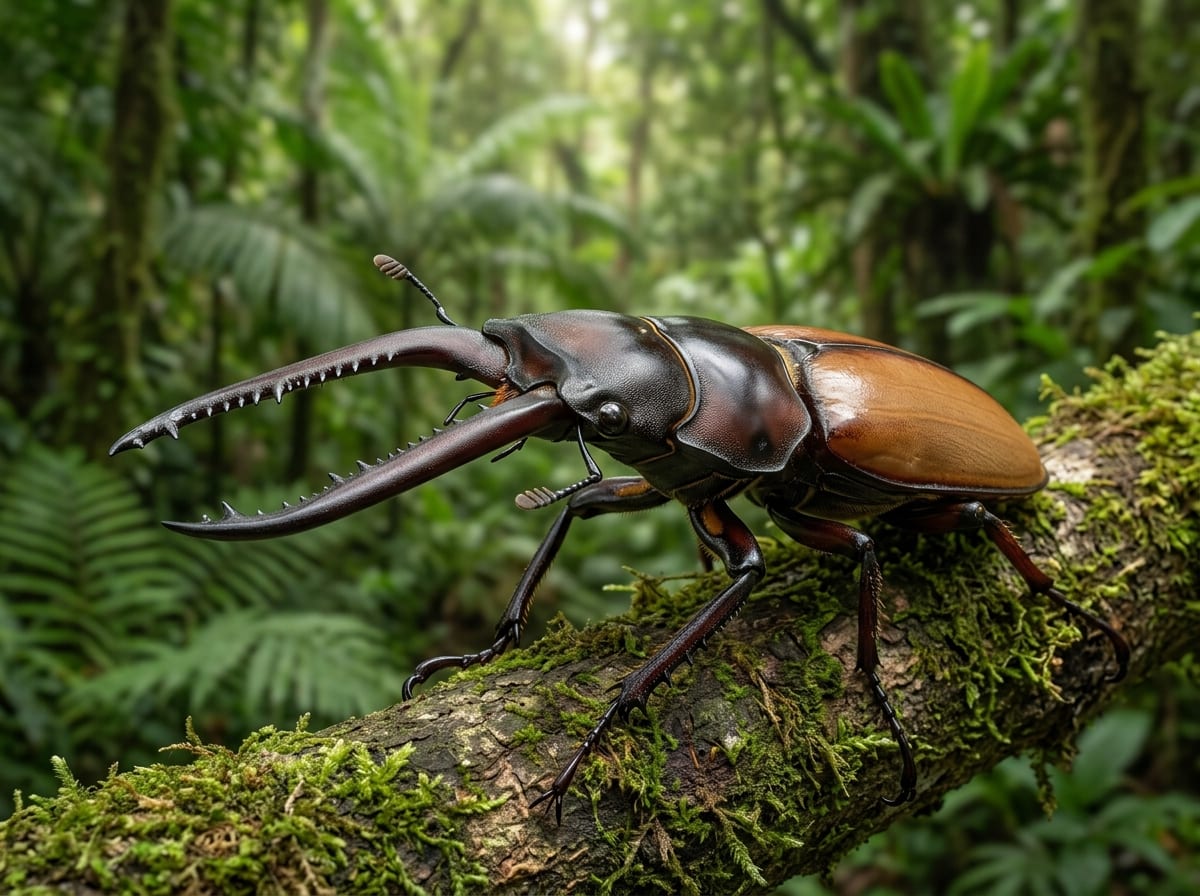
背锯锹(Prosopocoilus dorsalis)
The Dorsalis saw stag beetle is recorded mainly from the Philippines and is prized among keepers for its striking difference between the sexes. Males have mandibles that change shape dramatically with body size, so no two individuals look quite alike. BE-KUWA lists the nominotypical subspecies separately from the larger subspecies hiromii; the captive-reared records for males are 57.8mm for the nominotypical form and 73.0mm for hiromii, and the captive record for females is 40.6mm. Because it calls for some prior experience to keep well, it's best suited to intermediate keepers who enjoy following how each beetle's jaw develops and comparing the two subspecies side by side.
View 背锯锹(Prosopocoilus dorsalis) encyclopedia →成交手续费0%!2026年9月30日前注册,前 2 笔成交免佣金!
繁殖者 招募中!
在BreederDirect发布商品,直接销售给全国客户!
Br-choku承诺的 6 个透明度要点
刊登昆虫时,繁殖者会明示以下信息。我们保证成长阶段与繁殖配对的透明性。
- 阶段明示
- 代次明示
- 实物照片
- 繁殖单位
- 原产国
- 体长明示
查看全部336个品种
昆虫分类正在招募认证繁殖者
繁殖者正在陆续注册,即将上架。设置上架通知,不错过新商品。
「接收上架通知」需免费注册会员即可设置。当有符合您保存条件的新商品上架时,我们会通过邮件和站内通知提醒您。
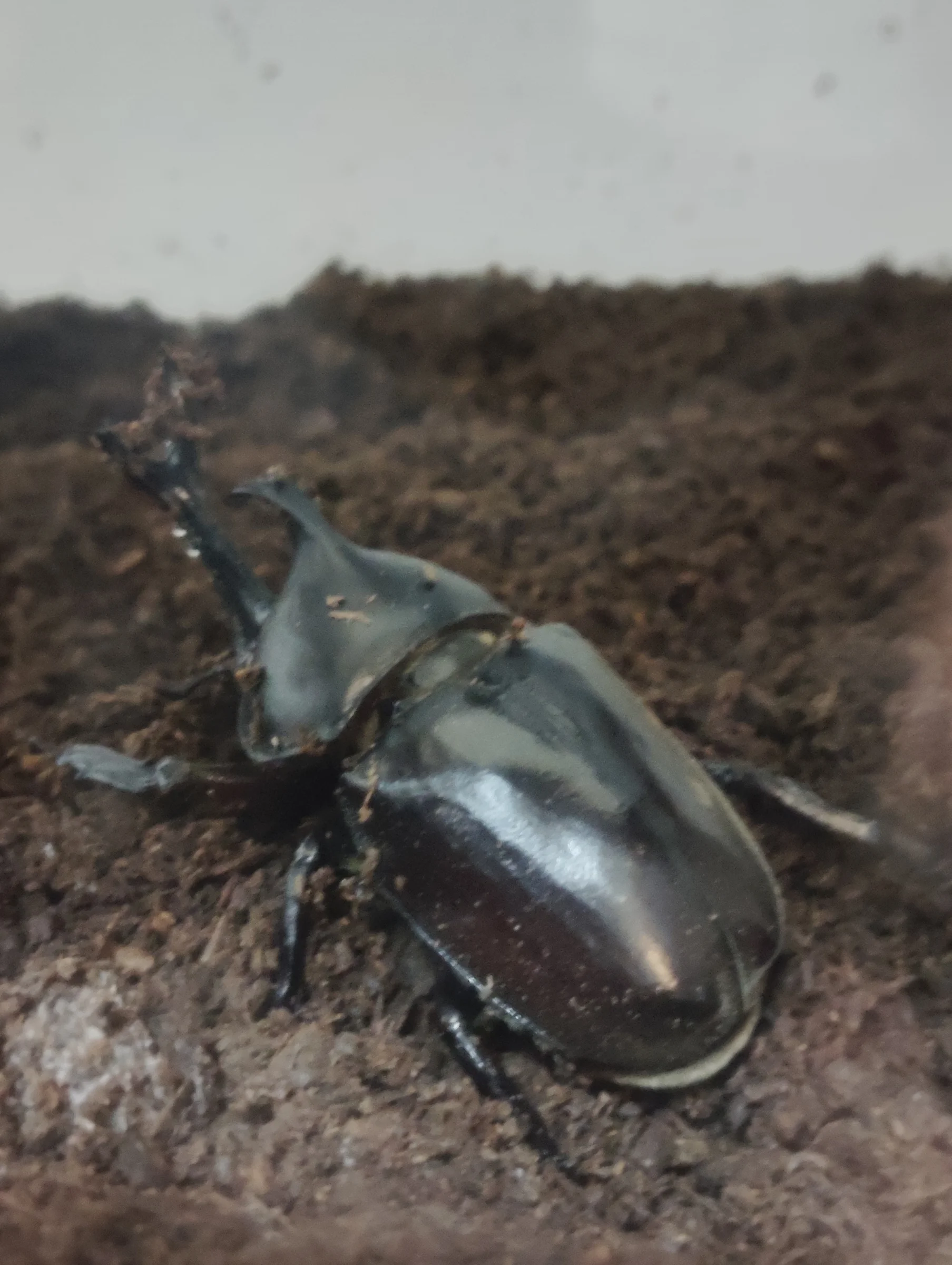
背锯锹(Prosopocoilus dorsalis)的基本数据
- 饲养难度
- 适合中级者
- 寿命
- 相关资料有限
- 体型
- 饲养记录♂57.8mm(原名亚种)・73.0mm(亚种hiromii)、♀40.6mm
- 饮食
- 成虫食用昆虫果冻,幼虫食用朽木和发酵垫材
- 温度和湿度
- 本种的温度数据资料有限。应避免极端高温和低温,垫材不应过干。
- 繁殖和产卵
- 锯锹属的生活习性接近锹属,幼虫以朽木和腐植土为食而长大。产卵时应准备发酵垫材和产卵木。
- 混养兼容性
- 由于争夺心强,成虫应单独饲养,只在配对时才同居。
- 寿命和饲养周期
- 本种的幼虫期和成虫寿命相关资料有限。
- 健康和注意事项
- 由于原名亚种和亚种hiromii体型差异大,应确认亚种名称和产地,避免混合不同系统。外国产锹甲和独角仙等的进口受到《植物检疫法》和《外来物种法》(需要种名证明书)的管制,其进口许可因物种而异,需由植物防疫部门逐个确认,因此选择在日本国内繁殖的个体更为稳妥。饲养个体不应放生到野外。
关于背锯锹(Prosopocoilus dorsalis)
Dorsalis saw stag beetle from the Philippines, known for size-dependent mandible shapes and two named subspecies. An intermediate-level species valued for its striking size difference between sexes.
迎接背锯锹(Prosopocoilus dorsalis)前需要了解的7件事
1Mandibles Shift with Size
The most distinctive trait of this species is that a male's mandible shape changes with his body size. Small and large males can look almost like different species, which makes comparing individuals part of the appeal.
2Two Recognized Subspecies
BE-KUWA lists the nominotypical subspecies separately from subspecies hiromii, with hiromii tending to grow larger. It's worth confirming which subspecies you're getting before bringing one home.
3A Striking Size Gap Between Sexes
This species is known for the large size difference between males and females. The captive record for females is 40.6mm, well below the male records (57.8mm for the nominotypical subspecies and 73.0mm for hiromii). Actual size varies from individual to individual.
4Best Suited to Intermediate Keepers
This species is generally considered suitable for intermediate-level keepers. Some prior experience with other stag beetles helps with day-to-day care and observing how the mandibles develop.
5Lifespan Data Is Limited
Reliable lifespan data for this species is still scarce, so there's no well-established benchmark to plan around. It's best to care for each individual based on its condition rather than assuming a fixed lifespan.
6Basic Habitat Upkeep
A cluttered or overly dry enclosure makes it harder to keep an eye on your beetle's mandibles and condition. Checking the substrate regularly and keeping the enclosure clean is the core of everyday care.
7What to Check Before Bringing One Home
Before acquiring one, it helps to check which subspecies you're getting — nominotypical or hiromii — and take a look at the male's mandible shape. Since this is an intermediate-level species, brushing up on basic care knowledge beforehand is a good idea.
背锯锹(Prosopocoilus dorsalis)的常见问题
- Q.Why do males' mandibles look so different between individuals?
- A.This species' males have mandibles whose shape shifts along with body size. As a result, small and large individuals can look strikingly different from one another, even though they're the same species.
- Q.What's the difference between the nominotypical subspecies and hiromii?
- A.BE-KUWA records them as separate forms, and subspecies hiromii tends to reach a larger size. Captive-reared records reflect this too — 57.8mm for the nominotypical subspecies versus 73.0mm for hiromii.
- Q.How long does this species live?
- A.Lifespan data for this species is still limited, so there's no firm figure to point to. It's best to care for each beetle based on how it's doing rather than a set number of years.
- Q.Can a beginner take on this species?
- A.This species is generally regarded as suited to intermediate keepers. Having cared for other stag beetles beforehand makes day-to-day management and health checks easier to handle.
- Q.How much do males and females differ in size?
- A.According to BE-KUWA captive records, males have reached 57.8mm in the nominotypical subspecies and 73.0mm in hiromii, while the female record is 40.6mm. These are maximum records, so typical individuals are smaller and size varies.
适合饲养背锯锹(Prosopocoilus dorsalis)的实用工具
在图鉴中详细了解背锯锹(Prosopocoilus dorsalis)
查看背锯锹(Prosopocoilus dorsalis)的图鉴条目 →
收录饲养难度、寿命、体长、食性等基础数据。