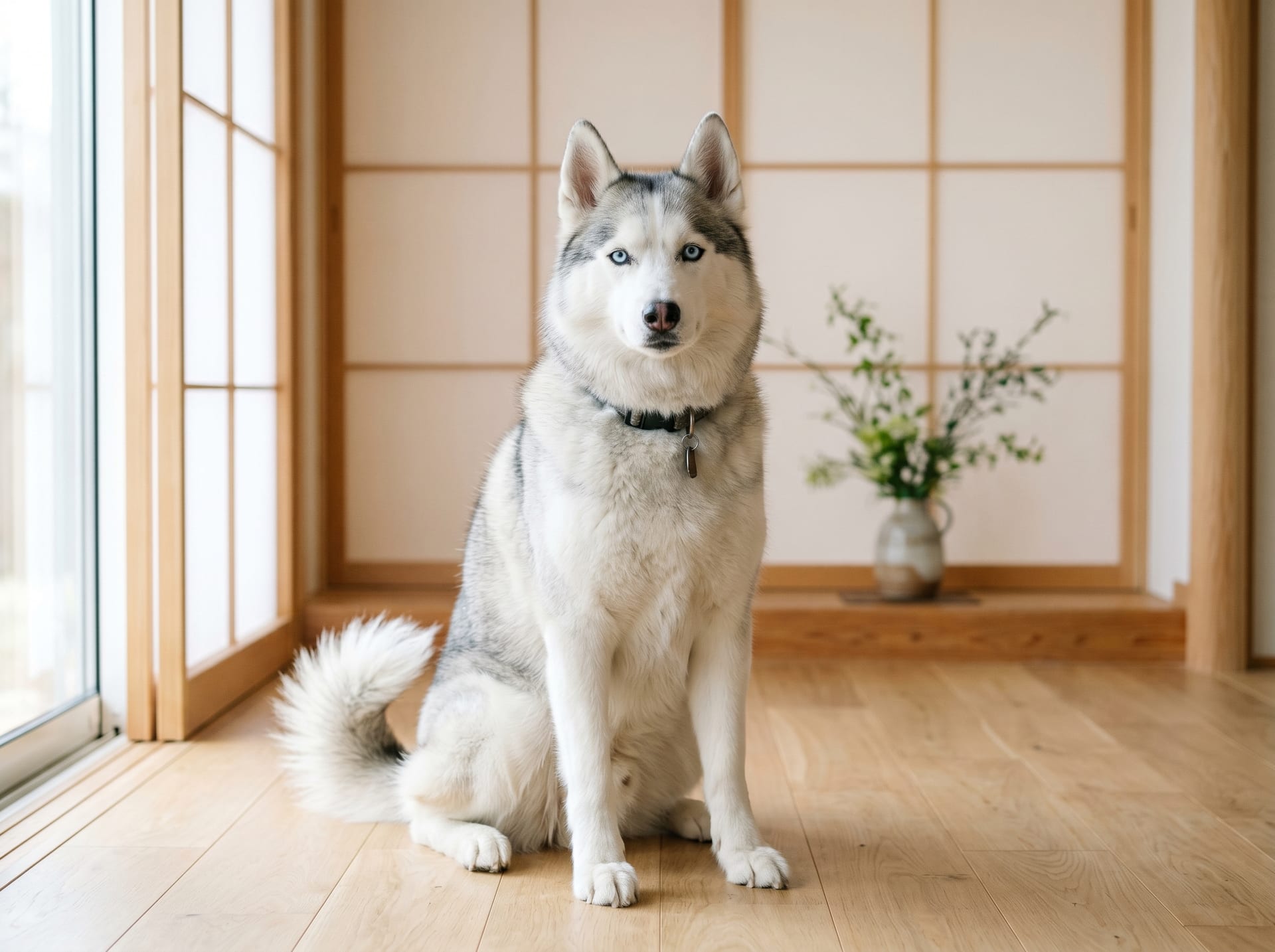
Siberian sled dog with wolf-like appearance and striking eyes. Social but independent.
View 西伯利亚雪橇犬 encyclopedia →前3笔销售免佣金!在2026年7月31日前注册为繁殖者,前3笔销售免佣金!
繁殖者 招募中!
在BreederDirect发布商品,直接销售给全国客户!
在所有幼犬上架物品中,繁殖者都会明确显示以下信息。为了确保直销交易的安全和透明,BrChoku对法律规定的项目进行了强制要求。
※ 《动物爱护法》(2022年6月施行)规定,繁殖者出品物品必须植入芯片。
br-choku 的所有交易均受交易保障覆盖。万一无法迎接宠物将全额退款。健康保障在交付后也让您安心。
想上架puppies吗?
注册成为繁殖者,即可与买家直接联系。
The Siberian Husky traces its roots to the Chukchi people of northeastern Siberia, who spent thousands of years selectively breeding sled dogs capable of covering vast frozen distances with endurance and efficiency. In the early 20th century, the breed was brought to Alaska, where it excelled in sled racing and freight hauling. The 1925 serum run to Nome — immortalized as the Balto story — showcased the breed's extraordinary stamina and loyalty to a global audience. Physically, Huskies are striking: a wolf-like face framed by almond-shaped eyes that can be blue, brown, or one of each. Their dense double coat comes in a wide range of colors including white, gray, black, and red. Temperamentally, they are affectionate, sociable, and non-aggressive, while also being independent thinkers driven by curiosity. For owners who love outdoor activity and can provide consistent structure, the Siberian Husky offers an unmatched combination of beauty, athleticism, and spirited companionship.
1Exercise Needs Are Intense
Siberian Huskies were bred to run dozens of miles daily, so they require at least one to two hours of vigorous exercise each day. Without sufficient activity, they may develop destructive behaviors or attempt to escape. A lifestyle that includes regular long walks or off-leash running is essential.
2Strong Escape Instinct
Huskies are notorious escape artists who can jump over, dig under, or squeeze through fences. Any yard must have tall, securely anchored fencing to prevent escapes. Off-leash time in unfenced areas should be avoided, as their prey drive can take them far from home quickly.
3Heavy Shedding Year-Round
Their thick double coat sheds heavily twice a year during shedding seasons and moderately throughout the year. Brushing two to three times per week is recommended as a baseline, with daily brushing during peak shedding periods. Prospective owners should expect fur on clothing and furniture as a regular reality.
4They Howl, Not Just Bark
Huskies are vocal dogs known for howling and making unique "talking" sounds rather than typical barking. This vocal nature can cause noise complaints in apartments or densely populated neighborhoods. Prospective owners in such environments should consider soundproofing or open conversations with neighbors beforehand.
5Sensitive to Heat
Bred for arctic conditions, Siberian Huskies struggle in hot and humid climates like Japanese summers. During warm months, outdoor exercise should be limited to early morning or evening, and air-conditioned indoor spaces are a must. Heat stroke risk rises significantly when temperatures exceed 25°C (77°F).
View 西伯利亚雪橇犬 encyclopedia entry →
Care difficulty, lifespan, size and diet — all basics covered.
6Independent Minds Need Patience
Huskies are intelligent but notoriously independent, which can make obedience training a test of patience. Forceful methods tend to backfire; reward-based positive reinforcement works far better. Starting consistent training and socialization from puppyhood is key to building a cooperative long-term relationship.
7Plan for Lifetime Costs
Beyond the initial purchase price, ongoing costs for food, veterinary care, and grooming for a large breed add up significantly. Monthly expenses of 30,000 to 50,000 yen are a reasonable estimate, with lifetime costs potentially reaching several million yen. Enrolling in pet insurance early is strongly advisable.