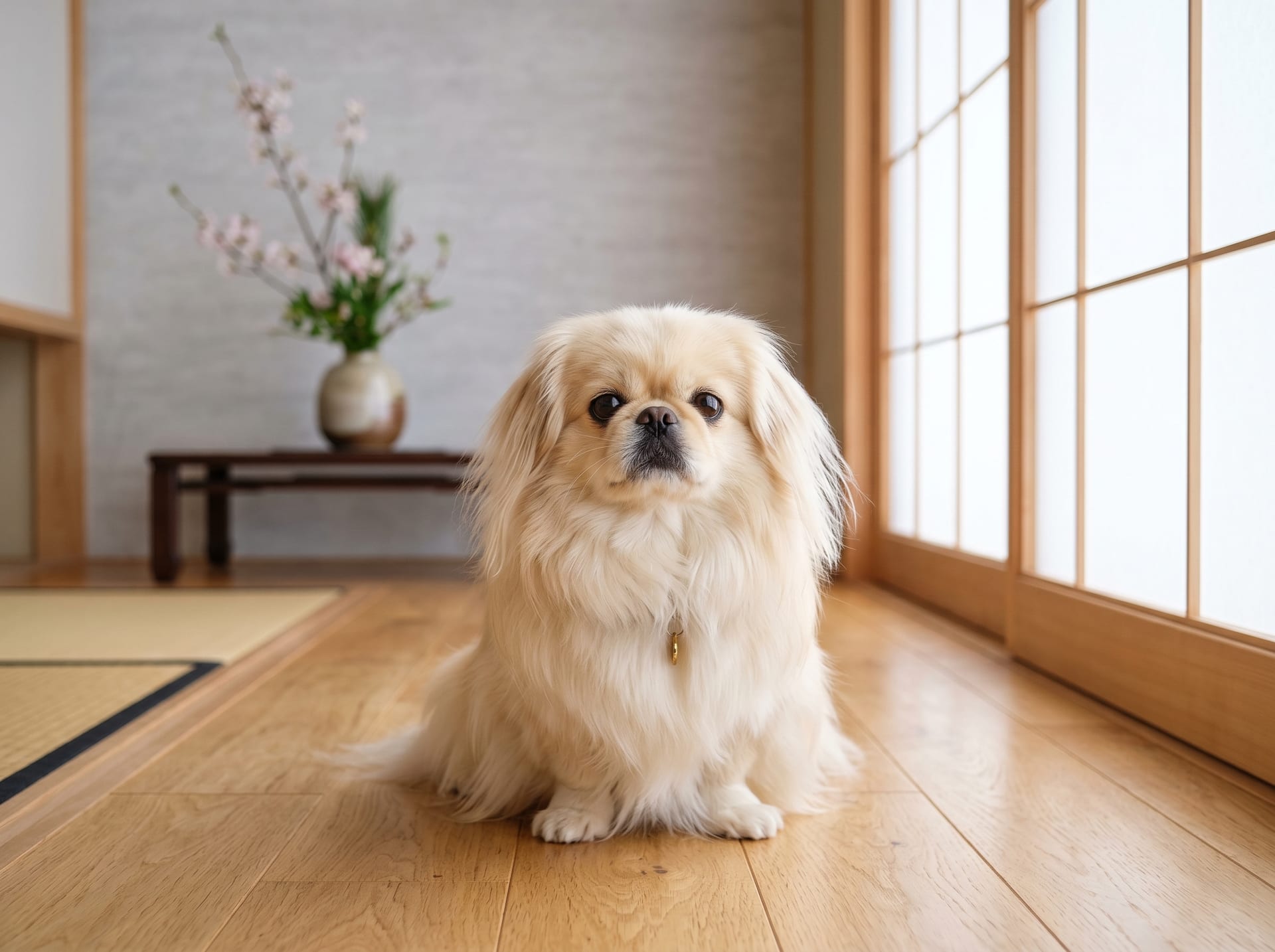
Lion-like toy dog with ancient Chinese royal heritage. Independent but deeply devoted to trusted owners.
View 北京犬 encyclopedia →前3笔销售免佣金!在2026年7月31日前注册为繁殖者,前3笔销售免佣金!
繁殖者 招募中!
在BreederDirect发布商品,直接销售给全国客户!
在所有幼犬上架物品中,繁殖者都会明确显示以下信息。为了确保直销交易的安全和透明,BrChoku对法律规定的项目进行了强制要求。
※ 《动物爱护法》(2022年6月施行)规定,繁殖者出品物品必须植入芯片。
br-choku 的所有交易均受交易保障覆盖。万一无法迎接宠物将全额退款。健康保障在交付后也让您安心。
想上架puppies吗?
注册成为繁殖者,即可与买家直接联系。
The Pekingese traces its origins to Tang Dynasty China, where it was revered as a "lion dog" and kept exclusively within the imperial palace. After being introduced to the West following the Arrow War of 1860, the breed gained international recognition and remains beloved worldwide. Physically, the Pekingese is defined by its magnificent mane-like coat framing a flat, expressive face—all carried on a sturdy yet compact frame weighing 3–6 kg. Despite their small size, they move with unmistakable dignity. In temperament, they are independent and proud yet quietly devoted to their chosen family. They adapt well to calm home environments and do not demand excessive activity. With consistent grooming care and attention to heat management, they are relatively apartment-friendly and well-suited to owners who value a composed, deeply loyal companion.
1Very Heat-Sensitive
As a brachycephalic (flat-faced) breed, Pekingese struggle to regulate body temperature and are at high risk of heatstroke. Air conditioning is essential in summer, and outdoor walks during the heat of the day should be avoided. Keep indoor temperatures below 28°C (82°F) year-round.
2Daily Brushing Required
The Pekingese's long double coat tangles easily and requires daily brushing. Pay special attention to behind the ears and under the forelegs, where mats form quickly. Regular professional grooming sessions alongside daily home brushing will keep the coat in good condition.
3Eye and Nose Fold Care
The flat facial structure makes Pekingese prone to eye discharge and moisture buildup in the nose folds. Gently wipe the eye area and skin folds with a soft cotton pad daily or every few days. Neglecting this routine can lead to skin irritation or eye conditions over time.
4Stubborn and Difficult to Train
Pekingese are highly independent and can be resistant to obedience training. Positive reinforcement with treats and praise works better than correction-based methods, though patience is key. Start toilet training and basic recall from puppyhood and maintain consistent, gentle routines.
5Prone to Spinal Issues
The Pekingese's long body and short legs make them susceptible to intervertebral disc disease (IVDD). Repeated jumping on and off furniture stresses the spine, so use ramps or steps to minimize impact. If your dog suddenly favors a hind leg or shows pain, consult a vet promptly.
View 北京犬 encyclopedia entry →
Care difficulty, lifespan, size and diet — all basics covered.
6Low Exercise Needs
Pekingese only need around 15–20 minutes of gentle walking per day and are not suited to vigorous exercise. Supplement physical activity with indoor puzzle toys and light play to keep them mentally stimulated. Their low exercise requirements make them a good fit for apartment living.
7Higher Grooming Costs
Due to their long coat, professional grooming every 4–8 weeks is recommended, typically costing ¥8,000–¥15,000 per session in Japan. Factor this into your annual pet care budget. Thorough daily brushing at home can help extend the time between grooming appointments.