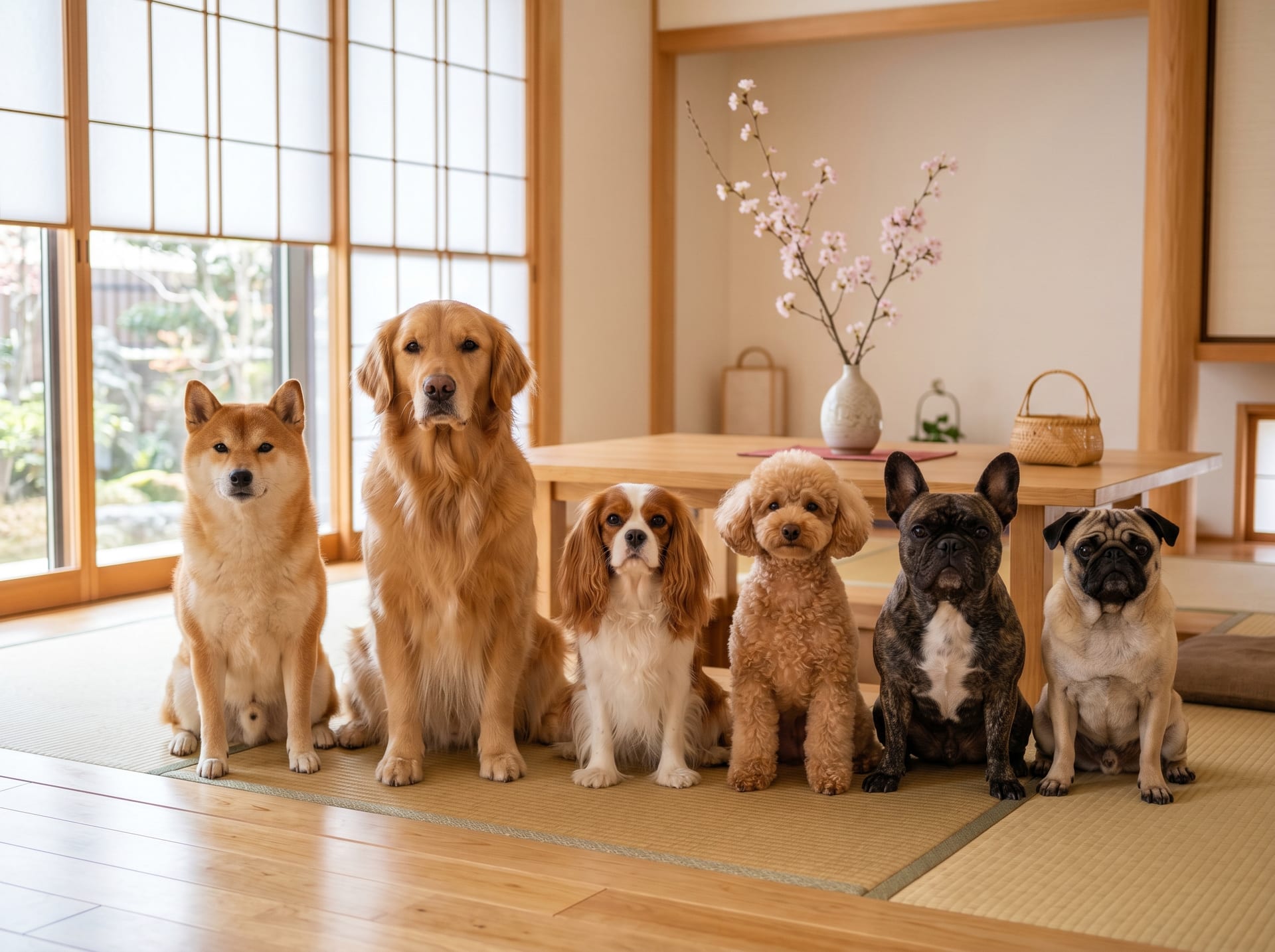
其他犬种
"其他犬种"包括来自日本和世界各地的多种纯种犬、稀有犬种和新兴犬种。由于它们拥有不同的体型、性格和运动量,在迎接新成员之前,仔细了解各品种的特性非常重要。从多样化的个性中寻找适合自己生活方式的那一只,这正是饲养的乐趣所在。
- 价格行情
- ¥200,000〜¥548,000
成交手续费0%!2026年9月30日前注册,前 2 笔成交免佣金!
繁殖者 招募中!
在BreederDirect发布商品,直接销售给全国客户!
BreederDirect 承诺的 4 大信任要点
在所有幼犬上架物品中,繁殖者都会明确显示以下信息。为了确保直销交易的安全和透明,BreederDirect对法律规定的项目进行了强制要求。
- 芯片必须
- 疫苗接种
- 已健康检查
- 带血统证书
※ 《动物爱护法》(2022年6月施行)规定,繁殖者出品物品必须植入芯片。
查看全部129个犬种
狗分类正在招募认证繁殖者
繁殖者正在陆续注册,即将上架。设置上架通知,不错过新商品。
「接收上架通知」需免费注册会员即可设置。当有符合您保存条件的新商品上架时,我们会通过邮件和站内通知提醒您。


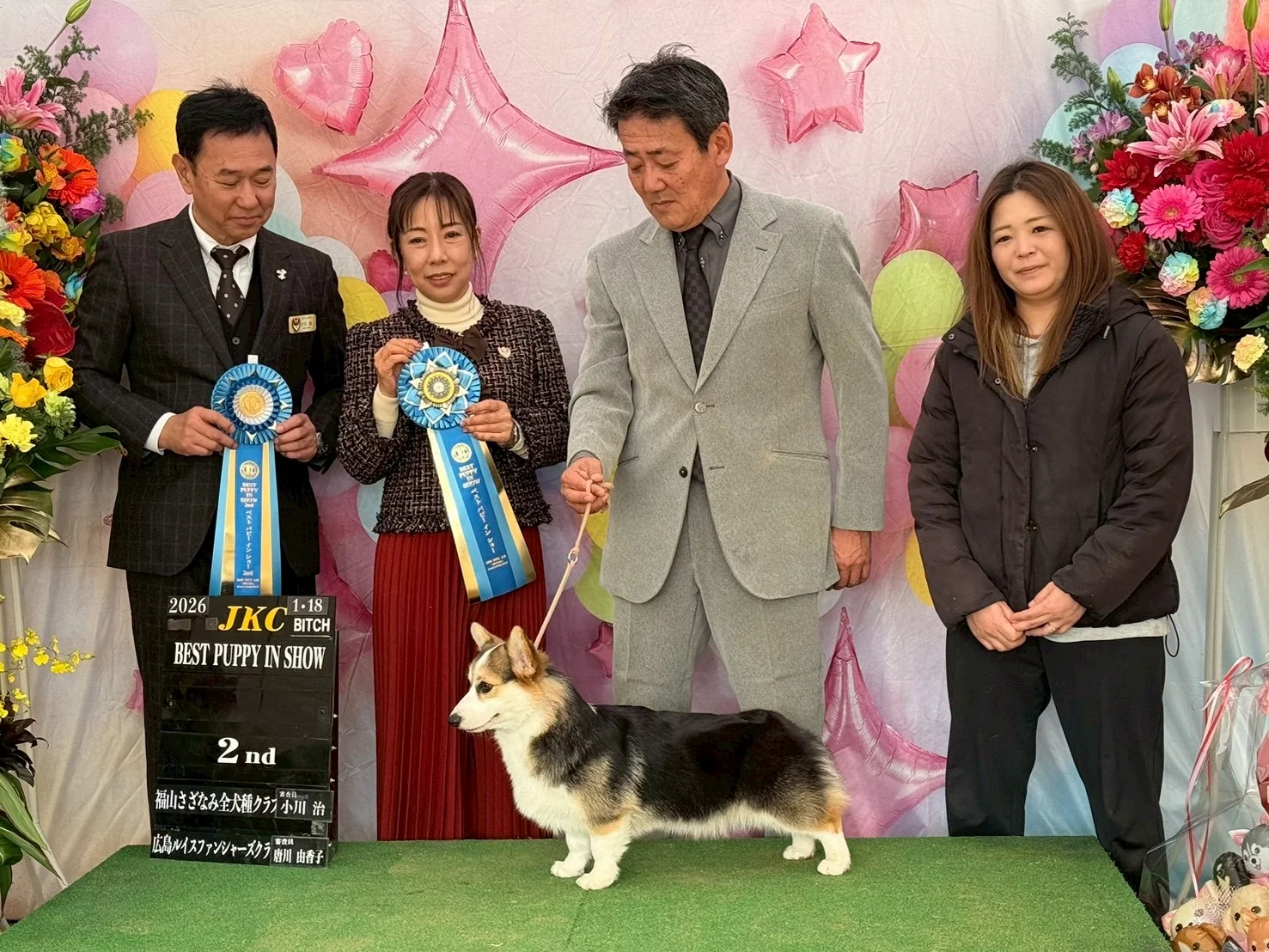
关于其他犬种
"其他犬种"是对不属于特定热门犬种分类的多种纯种犬、稀有犬种和新兴犬种的统称。许多品种历来为了支持人类生活——如狩猎、看家护院、放牧等——在世界各地独立发展而来,这些原有的工作目的深深反映在它们当今的性格和体型中。体型从超小型到大型差异巨大,被毛的质地、长度、颜色也各不相同。性格方面,从性格亲切适合初学者的品种,到具有强烈独立性需要经验丰富的养犬者的品种,种类繁多。与不熟悉品种的邂逅,将成为重新发现犬这一动物的深奥性的契机。请仔细研究适合自己生活方式和饲养环境的品种,并与它建立持久而充实的纽带。
迎接其他犬种前需要了解的7件事
1各品种的特性各不相同
稀有犬种或新兴犬种在常见犬种图鉴中信息可能较少。应直接与饲养者或专家确认,提前了解该品种独有的性格、运动量和社会化需求。
2确认信息来源的可信度
"其他"类别中的犬种可能包括日本犬舍俱乐部(JKC)未认可的品种,或认定标准正在变化的品种。应从饲养者处获取血统证书和注册机构的信息,确认品种的确切身份至关重要。
3运动量因品种差异大
从小型伴侣犬到大型工作犬,所需的运动量因品种而大不相同。应提前了解日常散步时间、运动的质量和精神刺激的需求,并根据自己的生活节奏进行考虑。
4确认是否进行了健康检查
稀有犬种对遗传性疾病的研究可能不够充分。应向饲养者确认亲代犬的健康检查情况,如可能的话,也应要求查看兽医师进行的幼犬检查结果。
5事先确认兽医师是否能够应对
有些兽医对稀有犬种的诊疗经验较少,因此在寻找常用兽医时,最好先确认其是否具有该品种的诊疗经验。在拥有大学附属医院或专科医院的城市地区,通常更容易找到能够诊疗稀有品种的兽医。
6饲养成本因品种而异
稀有犬种的购置费用往往较高。此外,某些品种可能需要频繁梳理、专业修剪或特殊饲料。因此在迎接新伙伴之前,不仅要考虑初期费用,还应估算年度维护成本。
7从早期开始进行一致的训练
不同品种的学习风格和独立性程度各不相同。从幼年期开始采用积极强化为基础的训练,在社会化期(出生后3~14周)让幼犬接触多样的环境、人员和声音,这是防止将来出现问题行为的关键。
其他犬种的常见问题
- Q.在哪里可以找到稀有犬种?
- A.通过专业养殖者协会或犬种俱乐部寻找是最可靠的方式。日本养犬俱乐部(JKC)的注册养殖者名单和各犬种的爱好者俱乐部也可作为参考。值得信赖的养殖者会透明地公开双亲的健康信息和饲养环境。
- Q.纯种犬和混种犬中哪一种更容易饲养?
- A.哪种更容易饲养取决于品种、个体和主人的生活方式。纯血种在性格和体型上预测性较强,而杂种由于遗传多样性倾向于分散健康风险。最关键的是品种特性是否与你的环境相适应。
- Q.在日本饲养外国原产的犬种时有什么注意事项?
- A.气候适应是最大的注意事项。寒冷地原产的犬种往往不适应日本夏季的高温多湿,需要必不可少的空调管理。此外,进口和繁殖时还需满足《动物爱护法》和《狂犬病预防法》等法律要求。
- Q.没有血统证书的犬能被认可为某个品种吗?
- A.血统证书是证明繁殖者和血统可信度的文件,即使没有它也可以饲养犬只。但是,参加犬展或进行官方繁殖在多数情况下需要JKC等机构的注册。血统证书的有无也会影响价格和未来的繁殖计划。
- Q.新兴犬种是什么样的犬?
- A.新兴犬种是指在相对近期被确立并获得认可,或目前正在申请认可的品种。它们可能来自现有犬种的选择性育种,或对地区特有的本土犬的标准化。获得认可前的品种可能缺乏遗传信息和健康数据,因此购买前需要充分的信息搜集。