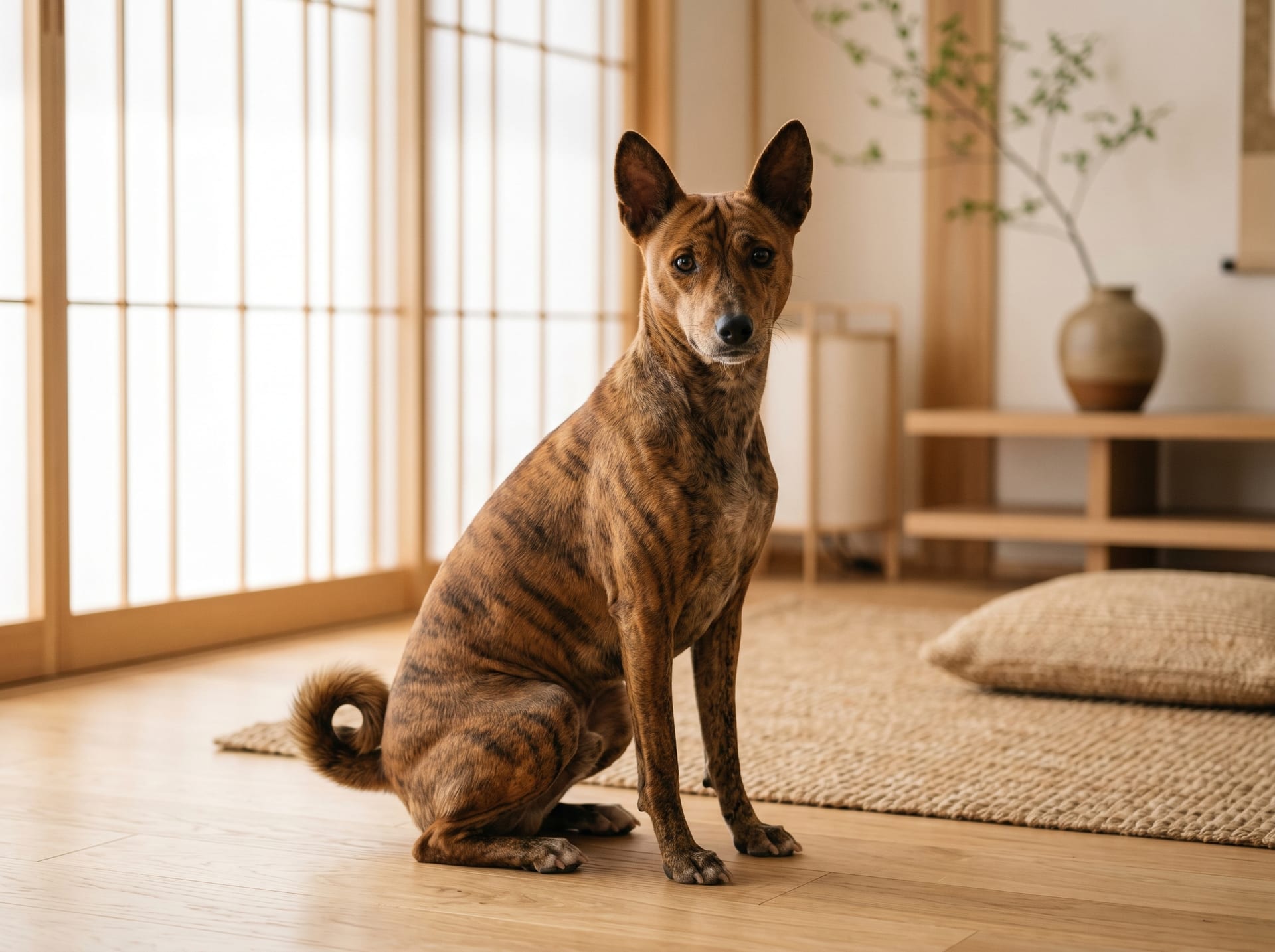
巴仙吉犬
因不吠叫而著称的非洲原产原始犬种。像猫一样自我梳理、讲究卫生的犬种。寿命为12〜16年。成年体型为体高40〜43cm / 体重9〜12kg。
View 巴仙吉犬 encyclopedia →- 价格行情
- ¥200,000〜¥548,000
成交手续费0%!2026年9月30日前注册,前 2 笔成交免佣金!
繁殖者 招募中!
在BreederDirect发布商品,直接销售给全国客户!
BreederDirect 承诺的 4 大信任要点
在所有幼犬上架物品中,繁殖者都会明确显示以下信息。为了确保直销交易的安全和透明,BreederDirect对法律规定的项目进行了强制要求。
- 芯片必须
- 疫苗接种
- 已健康检查
- 带血统证书
※ 《动物爱护法》(2022年6月施行)规定,繁殖者出品物品必须植入芯片。
查看全部129个犬种
狗分类正在招募认证繁殖者
繁殖者正在陆续注册,即将上架。设置上架通知,不错过新商品。
「接收上架通知」需免费注册会员即可设置。当有符合您保存条件的新商品上架时,我们会通过邮件和站内通知提醒您。
巴仙吉犬的基本数据
- 饲养难度
- 适合中级者
- 寿命
- 12〜16年
- 体型
- 体高40〜43厘米 / 体重9〜12千克
- 饮食
- 中型犬优质狗粮。可能对食物有强烈的偏好
- 性格
- 独立性强,性格像猫一样。聪明但固执,不适合传统训练
- 运动量
- 需要每天60分钟以上的运动。由于逃跑本能强,建议在安全的环境中运动
- 被毛·护理
- 短毛且自己梳理,体味较少。护理需求最低
- 原产国
- 刚果
- 注意事项
- 有范可尼综合征风险。要注意脱逃,栅栏要高。
关于巴仙吉犬
巴塞吉犬的历史悠久,长期陪伴人类,甚至在古代埃及法老献礼的壁画中也有记载。其原产地为以刚果共和国为中心的非洲中部地区,当地人称其为"村犬",曾用于狩猎小型动物。该犬种在20世纪初传入欧美,并于1937年在英国正式获得品种认定。其外观特征是肌肉发达、线条紧实,竖立的大耳朵、额头特有的皱纹以及卷起的尾巴,给人留下深刻印象。被毛短而光滑,毛色有红色、黑色、三色等多种选择。性格聪慧、好奇心强,但也有顽固的一面,独立性强,有时被比作猫科动物。由于体臭轻微、掉毛较少,非常适合室内饲养,加上没有吠叫声,也备受考虑在公寓环境中饲养的爱好者关注。
迎接巴仙吉犬前需要了解的7件事
1不吠叫,但并非无声
巴塞吉犬的声带结构与普通犬不同,因此不会发出常规吠叫。不过,它可能会发出被称为"约德尔"的独特鸣叫,以及咆哮和其他叫声。如果过度期望这是一条"安静的狗",可能会感到惊讶,因此提前通过视频等方式了解会更放心。
2强大的独立心和智力
巴森吉犬非常聪明,但独立心很强,性格也很固执。对那些期望狗完全服从的饲主来说可能会觉得有些困难,更适合有一定养犬经验的人。采用短且有趣的训练课程反复进行会比较有效。
3旺盛的运动需求
巴森吉犬原本被用作狩猎犬,每天需要充分的运动。理想情况下每天应该保证1~2小时以上的散步或跑步。运动不足容易导致破坏行为或问题行为,比较适合生活方式活跃的饲主。
4谨防逃脱风险
巴森吉犬好奇心非常强,会本能地追逐有趣的气味或动作而瞬间冲出去。它们可能会跳过围栏或挖洞钻出去,因此在户外必须使用牵引绳,家中的庭院也需要用足够高且坚固的围栏围起来。无牵引绳的公园散步风险很高。
5如同猫咪般爱干净
巴森吉犬有自我清洁的习惯,会用舌头舔舐身体来保持卫生,体臭较少,掉毛也相对较少。不需要经常洗澡,定期梳毛和耳部、指甲护理通常就足够了。梳毛工作量少这一点对忙碌的饲主很有吸引力。
6注意范可尼综合征
巴仙吉犬特有的遗传性疾病是"范科尼综合征(肾尿细管功能障碍)"。如果出现多饮多尿、体重减少、肌肉无力等症状,应尽早咨询兽医。从可信赖的繁殖者处获得幼犬时,最好确认遗传基因检测的实施情况,这样会更放心。
7与其他宠物的相处
巴仙吉犬具有强烈的追踪本能,因此与小动物(仓鼠、兔子、鸟等)同居需要十分谨慎。与其他犬只在社会化得当的情况下可能能够共存,但同性别之间有时会产生摩擦。从幼犬期就让它习惯多头、多物种饲养环境很重要。
巴仙吉犬的常见问题
- Q.公寓里也能饲养吗?
- A.由于不吠叫,噪音问题不太容易出现,在公寓等集合住宅中也有可能饲养。但是保证充足的运动量是必需的,需要有每天进行长时间散步和运动的环境和时间。
- Q.初学者也能饲养吗?
- A.由于独立性强、性格固执,对于没有犬类训练经验的初学者来说有一定难度。需要耐心的训练和对犬的习性的理解。建议充分利用经验丰富的繁殖者和训练师的支持。
- Q.它真的完全不吠叫吗?
- A.它不会发出通常犬类的"汪汪"叫声。但是,它有时会发出被称为"约德尔"的独特声音,以及兴奋时的低吼声和鸣叫声。它不是完全无声的,音量和频率因个体而异。
- Q.掉毛和气味怎么样?
- A.被毛短,脱毛较少,体味在犬种中也相对较淡。它有像猫一样自我美容的习惯,因此不需要频繁洗澡。对于在意掉毛和体味的人来说,是相对容易饲养的犬种。
- Q.有遗传性疾病吗?
- A.范可尼综合征(肾脏尿细管功能障碍)和进行性视网膜萎缩症(PRA)是巴辛吉犬身上常见的遗传性疾病。从信誉良好的繁殖者那里购买时,确认基因检测结果很重要。定期的健康检查也有助于早期发现。
适合饲养巴仙吉犬的实用工具
Learn more about 巴仙吉犬 in the encyclopedia
查看巴仙吉犬的图鉴条目 →
收录饲养难度、寿命、体长、食性等基础数据。