成交手续费0%!2026年9月30日前注册,前 2 笔成交免佣金!
繁殖者 招募中!
在BreederDirect发布商品,直接销售给全国客户!
BreederDirect 承诺的 4 大信任要点
在所有幼犬上架物品中,繁殖者都会明确显示以下信息。为了确保直销交易的安全和透明,BreederDirect对法律规定的项目进行了强制要求。
- 芯片必须
- 疫苗接种
- 已健康检查
- 带血统证书
※ 《动物爱护法》(2022年6月施行)规定,繁殖者出品物品必须植入芯片。
查看全部129个犬种
狗分类正在招募认证繁殖者
繁殖者正在陆续注册,即将上架。设置上架通知,不错过新商品。
「接收上架通知」需免费注册会员即可设置。当有符合您保存条件的新商品上架时,我们会通过邮件和站内通知提醒您。
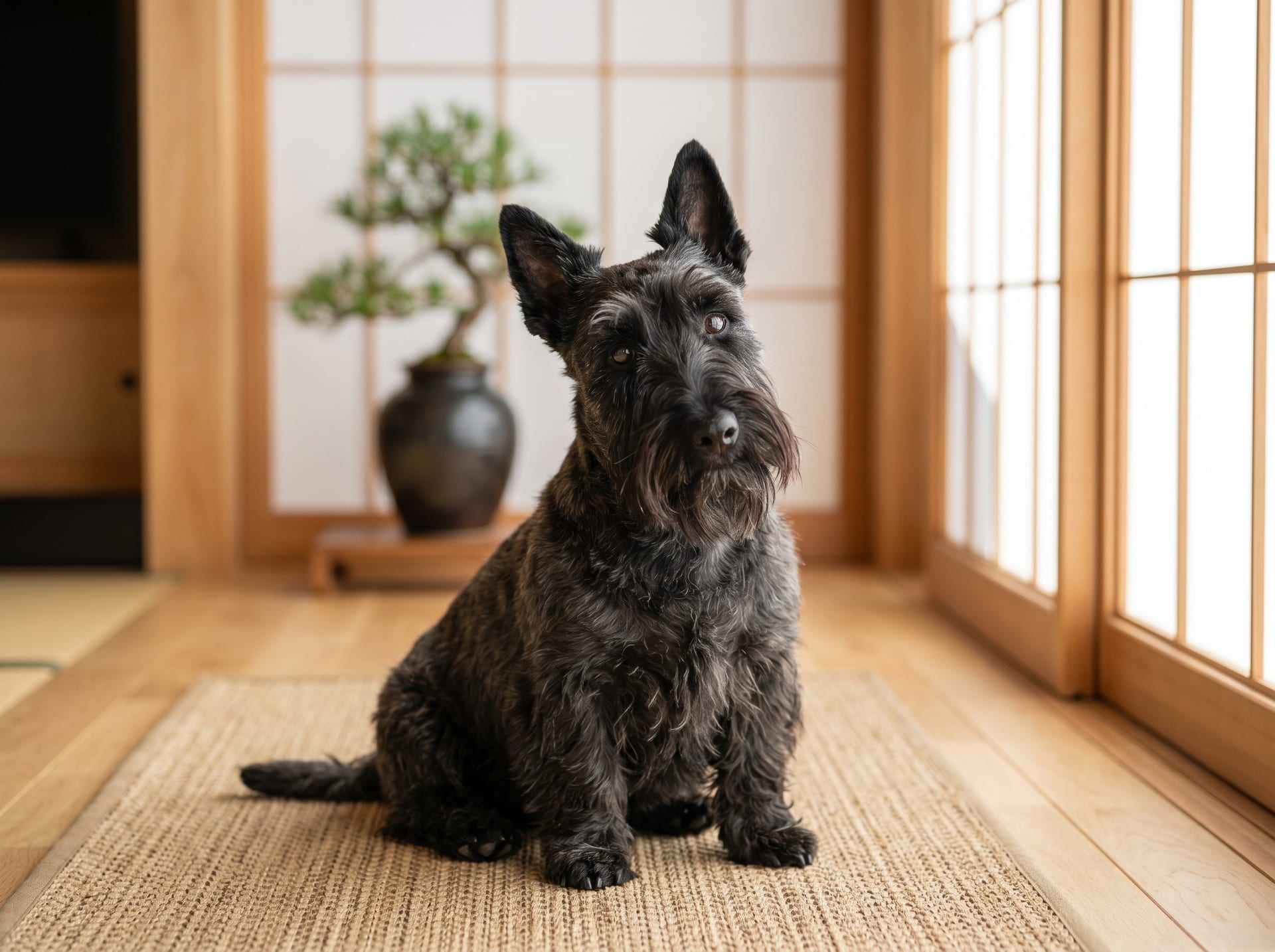
苏格兰梗的基本数据
- 饲养难度
- 适合中级者
- 寿命
- 12〜15年
- 体型
- 8~10公斤
- 饮食
- 以干粮为主,营养均衡
- 性格
- 独立心强、性格固执,对主人忠诚
- 运动量
- 每天约30分钟的散步
- 被毛·护理
- 刚毛、需定期剥毛
- 原产国
- 英国(苏格兰)
- 注意事项
- 警惕冯·威廉病
关于苏格兰梗
苏格兰梗原产于苏格兰高地,从17世纪左右开始,它们就作为工作犬活跃于岩场,狩猎躲在其中的老鼠和獾。体高约25cm、体重8〜10kg的小巧身形,配合长长的胡须和眉毛、下垂的耳朵和直立的尾巴,形成了独特的轮廓,令人过目不忘。被毛有黑色、小麦色、虎斑色三种颜色,以硬而密集的粗硬毛发为特征。性格独立心强,有顽固的一面,但对家人的感情深厚,对陌生人保持警惕,具备看门犬的气质。其硬朗的气质曾是富兰克林·D·罗斯福总统的爱犬而闻名,也被苏格兰威士忌品牌的标志所采用,成为了一种文化象征。
迎接苏格兰梗前需要了解的7件事
1理解其强大的独立心
苏格兰梗的独立心非常强,不是那种会立即听命的犬种。你可能会经常感到它"顽固",但这就是这个犬种的本质气质。比起强制,耐心地建立信任关系更为重要。
2早期开始,持续一致的训练
从幼犬阶段开始社会化和规则学习很重要。每天持续一贯地遵守相同的规则有助于苏格兰梗逐步建立信任。以奖励为基础的正向训练效果显著。
3梗犬本能和挖掘习性
苏格兰梗原本是为了追捕獾等穴居动物而培育的犬种。在花园或室内也会表现出本能性的挖掘行为。可以通过设置专用的挖掘区域或改善室内环境来应对。
4硬质被毛的定期美容护理
苏格兰梗的硬质双层被毛需要每周梳理2〜3次,并每隔数个月进行手工拔毛或修剪。忽视美容护理会导致被毛缠结,可能引发皮肤问题。建议定期到美容师处进行护理。
5注意苏格兰梗皮肤炎
苏格兰梗已知存在称为"苏格兰痉挛"的遗传性肌肉痉挛症状。此外,该犬种也容易患过敏性皮肤炎。如果发现异常,重要的是尽早咨询兽医。
6适度运动·无需过度
苏格兰梗犬性格活泼,但运动量不如大型犬那样大。每天散步两次,每次20~30分钟左右,加上适度的游戏就足够了。不过,由于梗犬本能容易逃脱,必须使用牵引绳和围栏。
7掌握饲养费用的目安
苏格兰梗犬在日本流通较少,小狗价格往往相对较高。美容费用(定期修剪)以及作为遗传疾病预防措施的宠物保险也值得考虑。建议提前预估长期饲养成本。
苏格兰梗的常见问题
- Q.初学者也可以饲养苏格兰梗犬吗?
- A.并非不可能饲养,但由于它们独立心强、性格顽固,需要耐心训练。不习惯处理狗的人建议在咨询经验丰富的饲养者或训练师的指导下进行,会更加放心。
- Q.可以在公寓(多户住宅)饲养吗?
- A.由于体型小,不需要剧烈运动,即使在集合住宅中也容易饲养。不过,它们可能会对陌生的声音吠叫,因此及早控制吠叫习惯很重要。
- Q.它能和其他犬类或猫一起生活吗?
- A.从小进行社交化培养,它们有时可以与其他狗和猫共存。但是,由于梗犬天生具有领地意识和对小动物的追踪本能,引入时需要谨慎并逐步进行,这一点很重要。
- Q.毛发真的不容易脱落吗?
- A.苏格兰梗拥有双层毛发,以掉毛相对较少而著称。不过,定期梳理和专业美容修剪是必要的,无法完全免除毛发护理。
- Q.苏格兰梗的平均寿命大约是多少?
- A.一般认为约为11-13年。由于存在遗传性疾病(苏格兰痉挛症、冯·威廉病等)的风险,建议定期进行健康检查并考虑购买宠物保险。
适合饲养苏格兰梗的实用工具
Learn more about 苏格兰梗 in the encyclopedia
查看苏格兰梗的图鉴条目 →
收录饲养难度、寿命、体长、食性等基础数据。