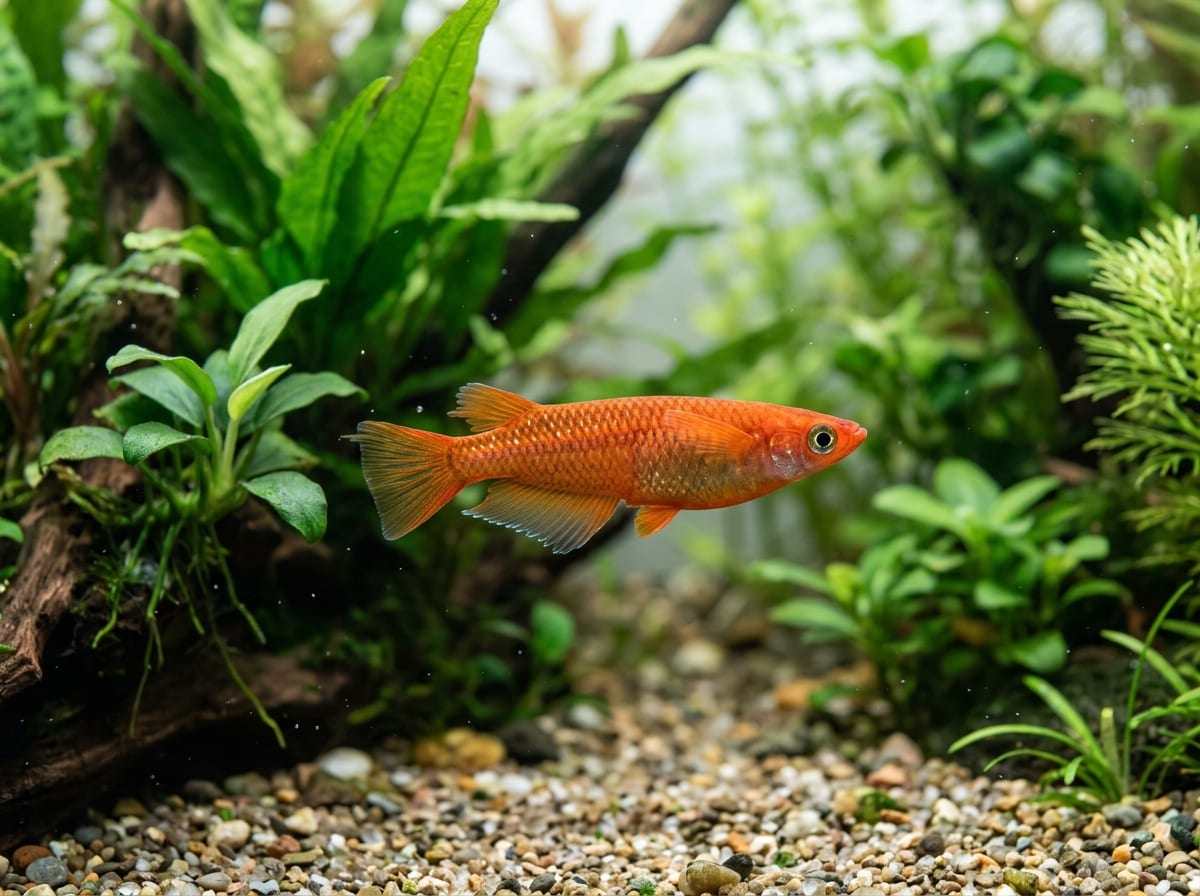
Youkihi
Beautiful deep orange-red medaka, popular since the beginning of the medaka boom. Hardy and easy to breed.
View Youkihi encyclopedia →- Price Range
- ¥4,000〜¥4,000
0% commission on your first sales!Register by September 30, 2026 and your first 2 sales are commission-free!
Breeder Wanted!
List on BreederDirect and sell directly to customers nationwide!
9 Transparency Commitments from Br-Choku
Each Medaka listing includes the following from Breeder. Full transparency on color variations (Yokihi/Miyuki/Lame) and lineage guaranteed.
- Variety Name
- Lineage
- Actual Photos
- Color Classification
- Body Type
- Scale Type
- Size
- Origin
- Age/Generation
Browse all 20 breeds
Color
Scale Type
No listings match your filters
Adjust your filters, or get notified when new listings arrive.
Getting alerts is free with a member account. When new listings match your saved search, we'll notify you by email and in-app.
Browse other categories
Verified breeders (preview)

Youkihi key facts
- Care level
- Beginner-friendly
- Lifespan
- 2-3 years
- Size
- 3-4cm
- Temperature
- 5〜30℃(適温20〜28℃)
- Diet
- Prepared food, daphnia, brine shrimp
- Container
- Outdoor tub or indoor tank. 10L+ recommended
- Water
- Neutral to slightly alkaline. Dechlorinated tap water
- Breeding
- Starts spawning at 25°C+ with 13h daylight
- Notes
- Color-enhancing food helps bring out deep red coloration
About Youkihi
Youkihi is one of the defining varieties of the early 2000s medaka boom and played a significant role in popularizing selectively bred medaka in Japan. Its name comes from Yang Guifei, the legendary beauty of the Tang dynasty, and its vivid vermilion-red body lives up to that glamorous namesake. Through years of careful selective breeding, the pale orange hue of wild medaka was transformed into the rich, deep red seen today. The standard body type allows the red pigmentation to shine through clearly, making Youkihi attractive in both aquariums and garden ponds. This variety has a calm, schooling nature and looks best when kept in groups. Its adaptability to a wide range of water quality and temperature conditions — from outdoor biotopes to indoor tanks — contributes greatly to its enduring popularity. Youkihi is an ideal entry point into the world of fancy medaka, offering the rewarding experience of nurturing and deepening its beautiful coloration over time.
Youkihi price range
Lowest
¥4,000
Average
¥4,000
Highest
¥4,000
Based on 1 current listings
Find Youkihi by prefecture
Popular colors of Youkihi
Featured breeders for Youkihi
See all Youkihi breeders (2) →Reviews from Youkihi buyers
They handled everything very courteously
It arrived safely and is swimming around energetically. Thank you very much!
7 things to know before welcoming a Youkihi
1Grading the Red Color
Yoikuhi individuals are graded by the depth of their red coloration, with more intensely colored fish typically commanding higher prices. When selecting, look for even color coverage across the body and into the fins. Appearance can shift under different lighting, so viewing under natural light when possible gives the most accurate read.
2Sunlight Enhances Color
Adequate sunlight brings out the best in Yoikuhi's red coloration, and outdoor setups in well-lit spots are often recommended for color enhancement. However, intense summer sun can rapidly raise water temperatures to dangerous levels, so afternoon shade or a shade cloth is advisable during the hottest months.
3Suitable Water Temperature
Like all medaka, Yoikuhi can tolerate a broad range of temperatures from around 5 to 30°C, but they thrive and remain most stable between 18 and 26°C. Sudden temperature swings cause stress and raise disease risk, so pay attention during seasonal transitions. They can overwinter without a heater, though growth and breeding pause until spring.
4Easy to Breed, Careful with Fry
Yoikuhi breed readily, and in suitable conditions they spawn frequently from spring through summer. Eggs are deposited on aquatic plants or spawning mops — move fry to a separate container after hatching to prevent adults from eating them. During the fry stage, avoid large water changes; instead, use a pipette to remove debris and top off with small amounts of conditioned water.
5Color-Enhancing Foods
Some commercial medaka foods contain carotenoids marketed as "color-enhancing," and these can help maintain and deepen Yoikuhi's red hue. Feed small amounts two to three times a day — only what the fish can consume in three to five minutes — to avoid fouling the water. Live foods such as daphnia or paramecia are also beneficial for growth and conditioning.
6Tank and Substrate Choices
Black containers or dark substrate help Yoikuhi's red stand out visually; in white or clear vessels the color can appear washed out. For the best viewing experience, choose a dark background. Ceramic containers such as lotus pots buffer temperature changes well and are a popular choice for outdoor setups.
7Cost to Keep Yoikuhi
Standard-grade Yoikuhi are widely available and typically cost a few dozen to a few hundred yen per fish; high-grade specimens can run into the thousands. Setup is straightforward — a container, substrate, aeration or live plants, and food cover the basics. Ongoing costs consist mainly of food and water, generally a few hundred yen per month.
Frequently asked questions about Youkihi
- Q.Youkihi's color has faded. How can I deepen it?
- A.Switching to a dark or black container and feeding carotenoid-rich color-enhancing food can help restore and deepen the coloration. Moderate exposure to direct sunlight also promotes pigmentation. Improvement takes time, so consistency over weeks and months is key.
- Q.Can Youkihi overwinter in an outdoor pond or tub?
- A.Youkihi are fairly cold-tolerant and can overwinter outdoors as long as the water does not freeze solid. Use a container with at least 10 cm of water depth and add insulation such as fallen leaves to retain heat. In extremely cold regions, moving them indoors may be advisable.
- Q.Youkihi fry just hatched. How should I raise them?
- A.Raise fry in a separate container away from adult fish. Feed powdered fry food in small amounts two to three times daily. Perform water changes carefully to avoid siphoning up fry, and maintain stable water temperatures to improve survival rates.
- Q.Can Youkihi be kept with other medaka varieties?
- A.Youkihi are peaceful and can generally be kept with other fancy medaka varieties without issues. However, if breeding is the goal, separating varieties is important to prevent crossbreeding. For maintaining purebred Youkihi, dedicated breeding tanks per variety are recommended.
- Q.What is the approximate initial cost to start keeping Youkihi?
- A.Basic setup including a small tank or garden tub, food, and water conditioner typically costs around 3,000 to 10,000 yen. Standard-grade Youkihi are relatively affordable, often available from a few hundred yen per fish. Outdoor setups can forgo filtration, keeping initial costs lower.
Useful tools for Youkihi care
Learn more about Youkihi in the encyclopedia
View Youkihi encyclopedia entry →
Care difficulty, lifespan, size and diet — all basics covered.
Youkihi related articles
[2026 Edition] 15 Best Medaka Varieties for Beginners | How to Choose and Care Tips
For beginners starting medaka keeping, we've carefully selected 15 easy-to-raise varieties. Complete guide from classic varieties like Youkihi and Miyuki to trending varieties.
Medaka Breed Catalog | Features and Selection Guide for Youkihi, Miyu, and Sanshoku
A guide to popular medaka breeds organized by body color and body type. Explaining the features, care tips, and price ranges of Youkihi, Miyu (Miyuki), Sanshoku, Lame varieties, Daruma, and more.
More in this category
Can't find the one you're looking for?
Post your wishes for free and breeders with matching animals will contact you with introductions.