[2026 Edition] 15 Best Medaka Varieties for Beginners | How to Choose and Care Tips
For beginners starting medaka keeping, we've carefully selected 15 easy-to-raise varieties. Complete guide from classic varieties like Youkihi and Miyuki to trending varieties.
![[2026 Edition] 15 Best Medaka Varieties for Beginners | How to Choose and Care Tips](https://img.br-choku.com/column-images/spring-2026-new-medaka-varieties/hero-1778966194152.jpg)
Key Takeaways
For beginners starting medaka keeping, we've carefully selected 15 easy-to-raise varieties. Complete guide from classic varieties like Youkihi and Miyuki to trending varieties.
Related Species
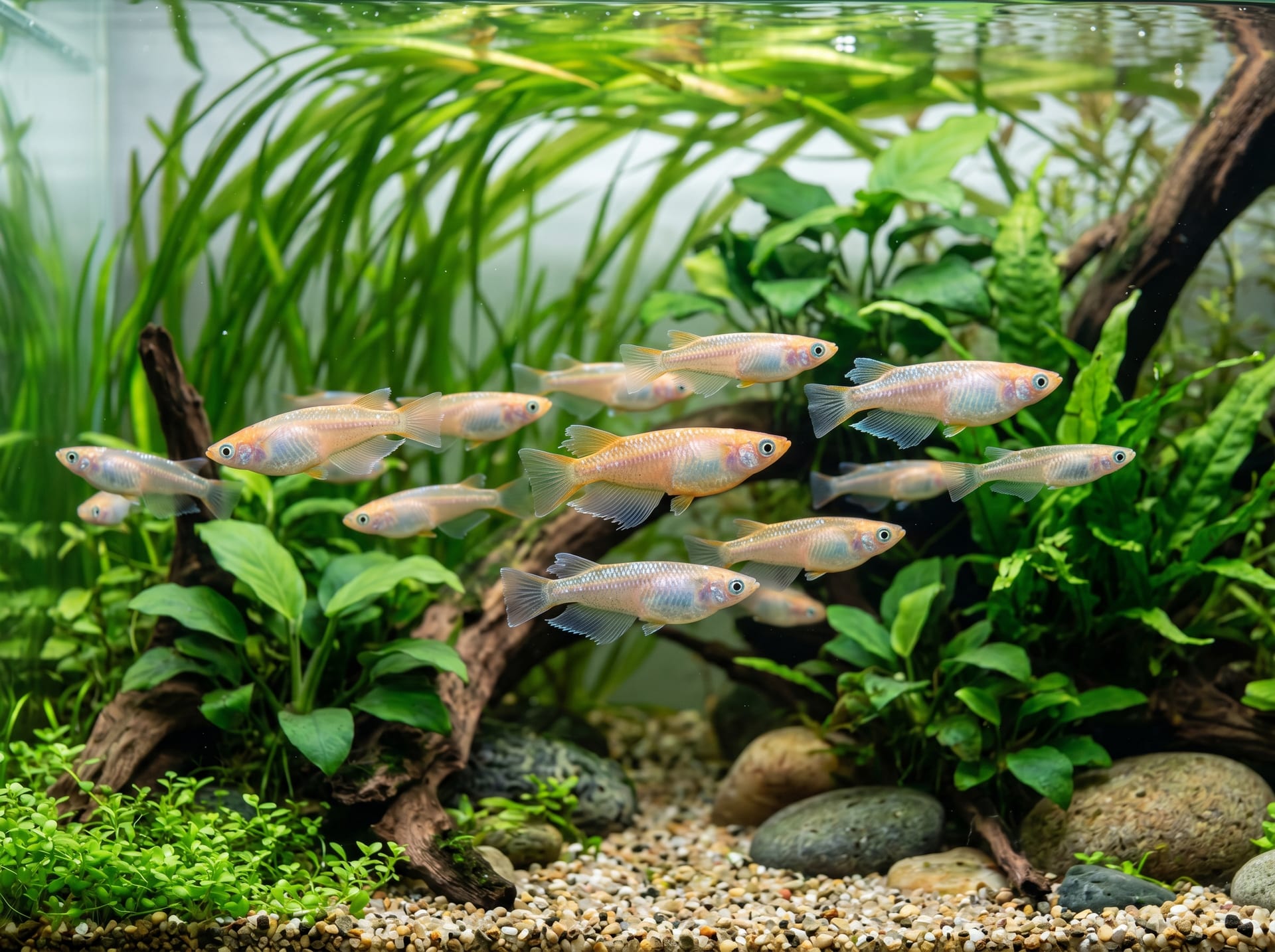
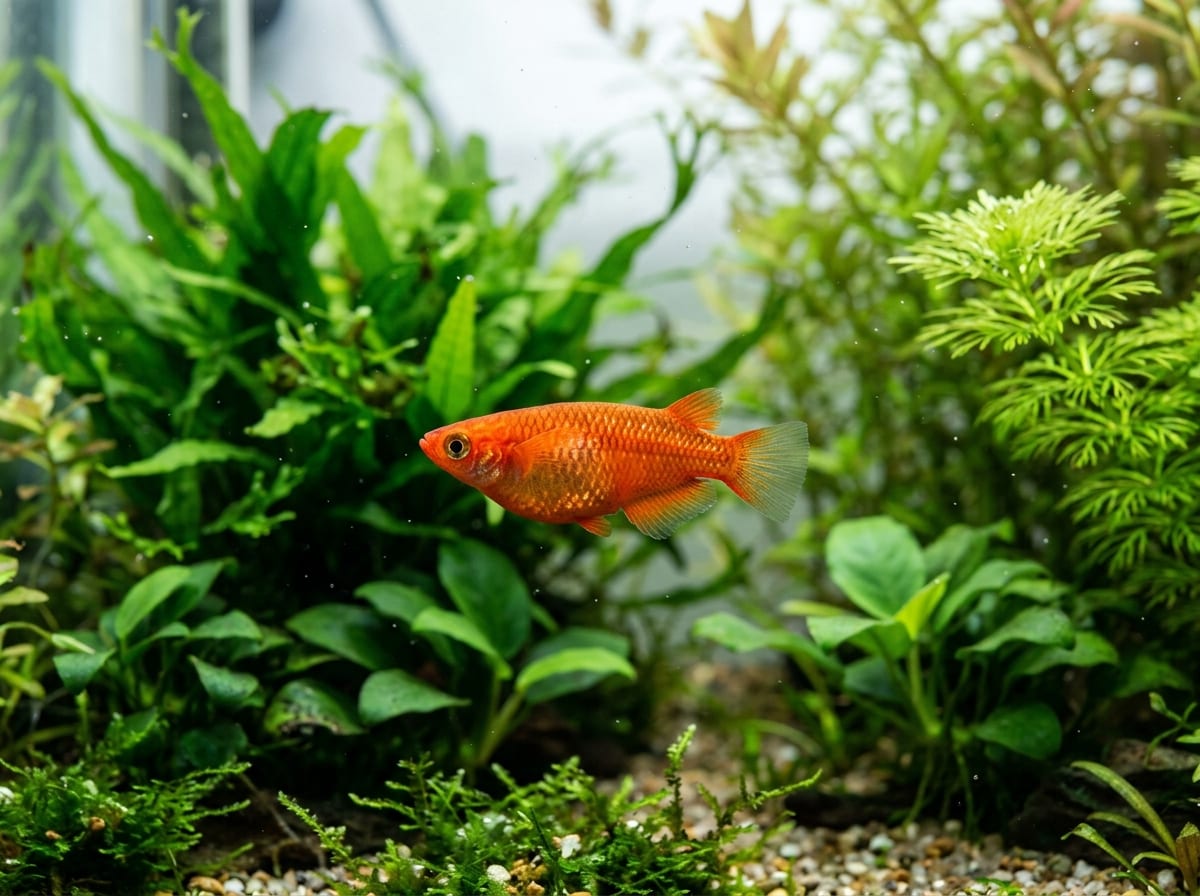
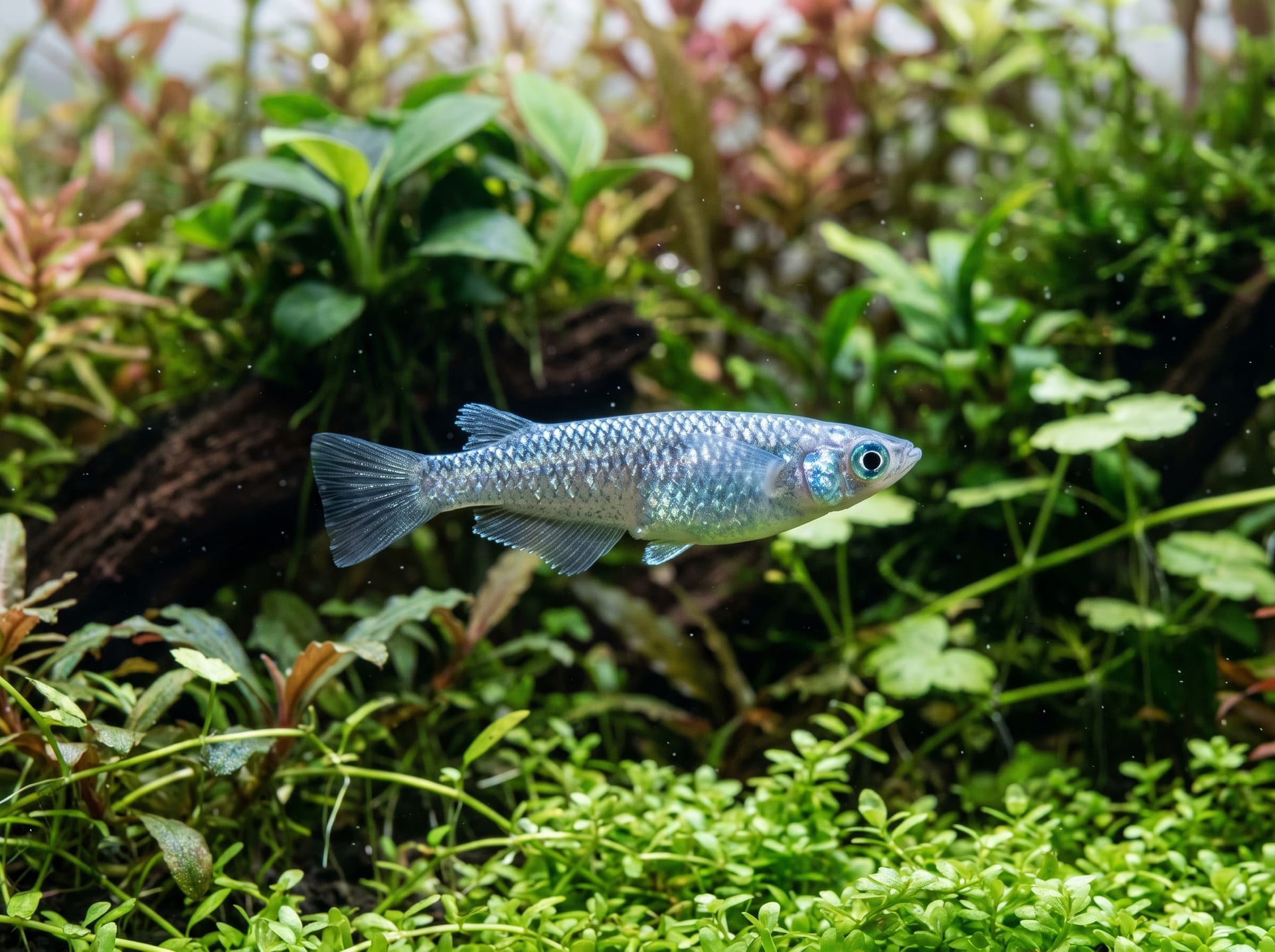
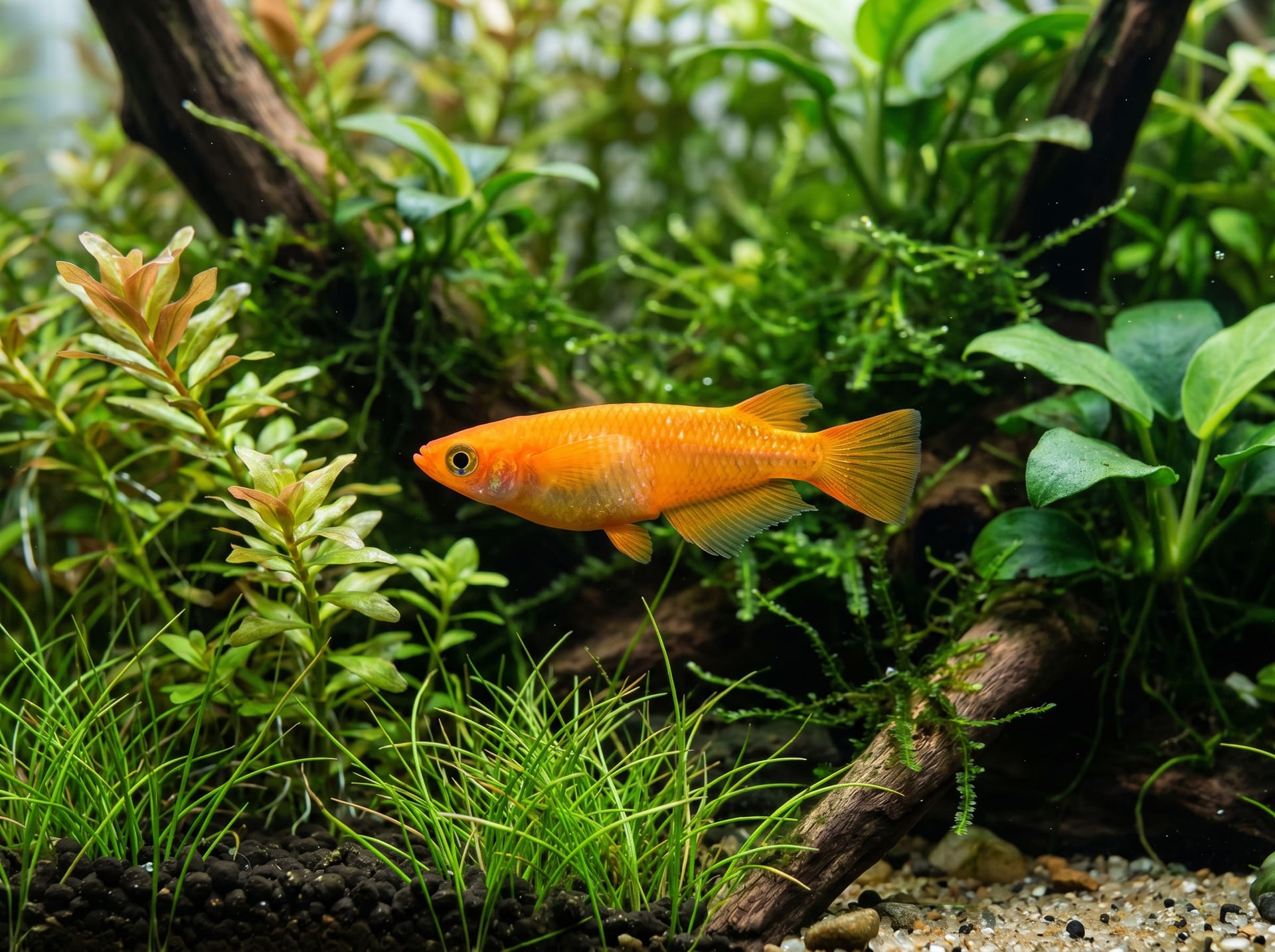
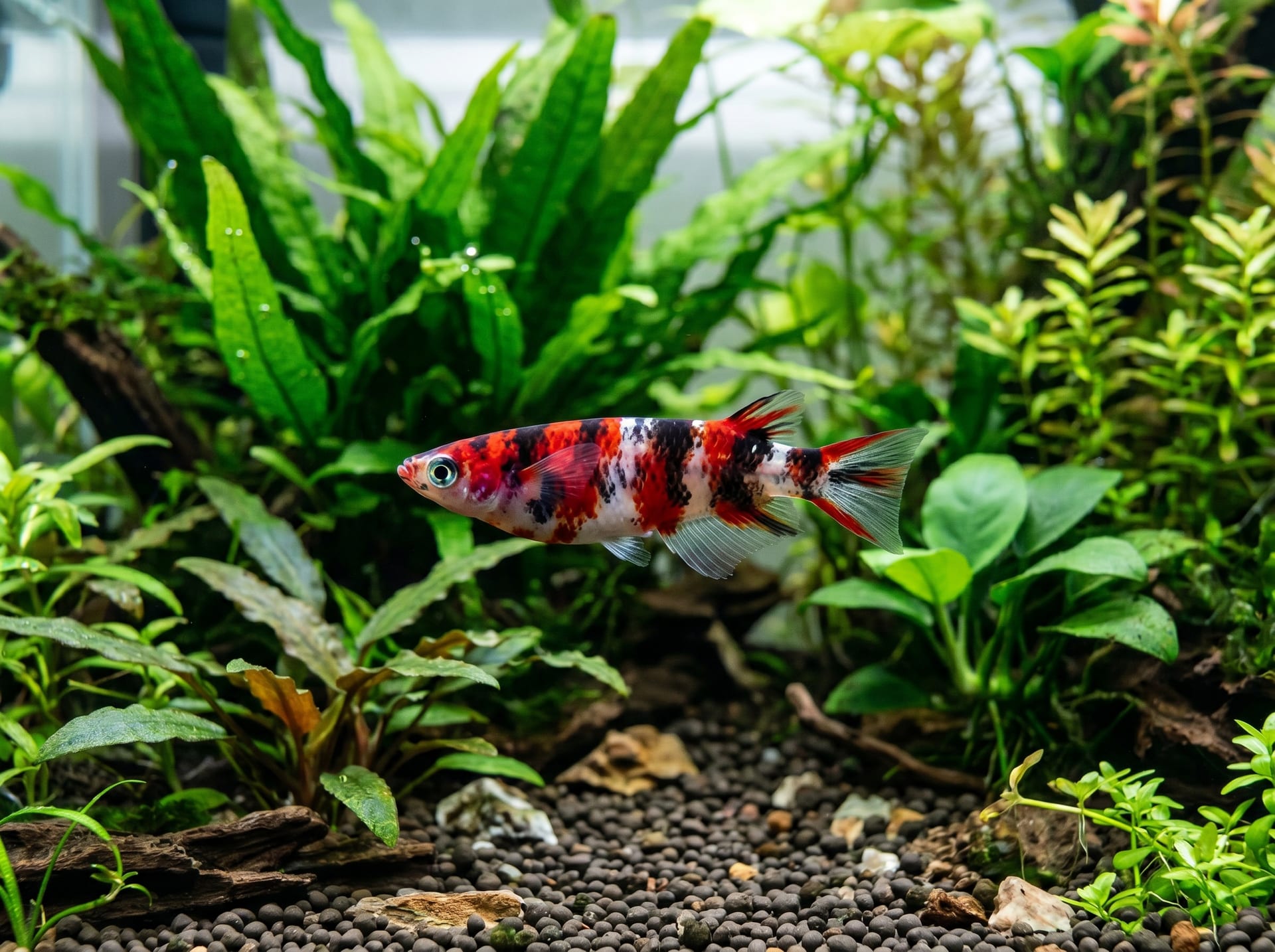
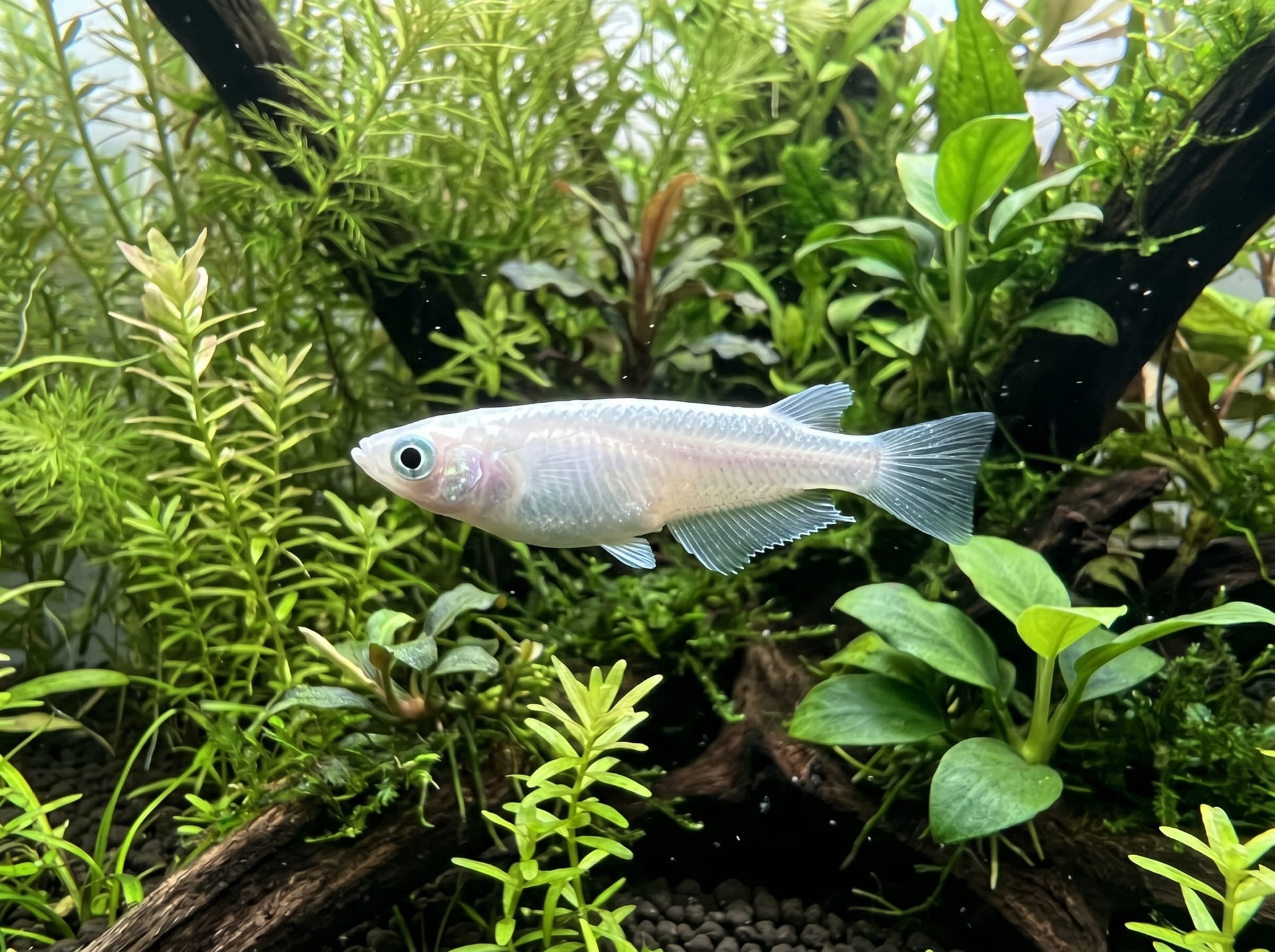
Medaka are hardy fish well-suited to Japan's climate and can be easily kept both outdoors and indoors. In recent years, selective breeding has progressed, creating many beautiful improved medaka varieties. As of 2026, new varieties continue to appear, and we've carefully selected 15 easy-to-raise varieties even for beginners.
Key Points for Beginners When Choosing Medaka Varieties
- Hardiness: Varieties closer to the wild type are more robust and easier to keep
- Price: Expensive varieties tend to be more delicate. Start with affordable varieties.
- Fixation Rate: How easily offspring inherit the same traits as parents
- Rearing Environment: Verify differences between outdoor-suitable and indoor-suitable varieties
15 Recommended Medaka Varieties
1. Youkihi
- Difficulty: ★☆☆☆☆ / Price: 100–500 yen per fish / Body Length: ~3 cm / Lifespan: 2–3 years
Advantages: A classic variety with beautiful vermillion-red coloring. Hardy and easy to breed. Looks striking in outdoor biotopes. High fixation rate, ideal for beginners. Disadvantages: Color tends to fade under indoor conditions. Care Tips: Exposure to sunlight enhances coloration. Red-based foods containing astaxanthin can improve color intensity.
2. Miyuki
- Difficulty: ★☆☆☆☆ / Price: 100–1,000 yen per fish / Body Length: ~3 cm / Lifespan: 2–3 years
Advantages: Beautiful metallic sheen along the back (body light). Available in various grades such as Iron Mask and Full Body. Hardy and easy to keep. Disadvantages: Body light grade varies significantly between individuals. Care Tips: White containers enhance body light expression. Body light appears more readily at water temperatures of 25–28°C.
3. White Medaka
- Difficulty: ★☆☆☆☆ / Price: 50–200 yen per fish / Body Length: ~3 cm / Lifespan: 2–3 years
Advantages: Pure white coloring creates a crisp, fresh appearance. Extremely hardy and affordable. Looks good in any container. Disadvantages: Some may find the simple appearance underwhelming. Care Tips: Place in dark-colored containers to make whiteness stand out. Color remains stable regardless of sunlight exposure.
4. Himedaka
- Difficulty: ★☆☆☆☆ / Price: 30–100 yen per fish / Body Length: ~3 cm / Lifespan: 2–3 years
Advantages: The most affordable and readily available medaka. Orange coloring offers good ornamental value. Extremely hardy. Disadvantages: May appear plain compared to improved varieties. Care Tips: Perfect for your first medaka. Start with Himedaka to master the basics of medaka keeping.
5. Black Medaka (Wild Type)
- Difficulty: ★☆☆☆☆ / Price: 50–200 yen per fish / Body Length: ~3 cm / Lifespan: 2–3 years
Advantages: Closest to wild medaka. Top-tier hardiness. Creates a natural landscape in biotopes. Disadvantages: Drab coloring. Care Tips: Ideal for outdoor biotopes. Excellent compatibility with aquatic plants.
6. Tri-color Medaka
- Difficulty: ★★☆☆☆ / Price: 500–3,000 yen per fish / Body Length: ~3 cm / Lifespan: 2–3 years
Advantages: Red, white, and black coloring resembles the beauty of koi. Particularly striking when viewed from above. Disadvantages: Fixation rate is somewhat low; offspring may not inherit parental patterns. Care Tips: Black containers intensify coloration. Enjoy selectively breeding and keeping the best individuals.
7. Lame Medaka (Aurora Type)
- Difficulty: ★★☆☆☆ / Price: 300–2,000 yen per fish / Body Length: ~3 cm / Lifespan: 2–3 years
Advantages: Sparkling sequin-like patterns scattered across the body reflect light beautifully. Many varieties available. Disadvantages: Amount of shimmer varies significantly between individuals. Care Tips: Higher water temperatures enhance shimmer expression. Transparent containers allow side viewing.
8. Sapphire
- Difficulty: ★★☆☆☆ / Price: 500–2,000 yen per fish / Body Length: ~3 cm / Lifespan: 2–3 years
Advantages: Beautiful blue body light and internal light. An evolved version of the Miyuki line with superior brilliance. Disadvantages: Light expression varies between individuals. Care Tips: Use white containers to maximize body light. Maintain strict water temperature control.
9. Kotei (Red Emperor)
- Difficulty: ★★☆☆☆ / Price: 300–1,500 yen per fish / Body Length: ~3 cm / Lifespan: 2–3 years
Advantages: A further-refined version of Youkihi with deeper red coloring. Stunning deep vermillion hue. Disadvantages: Slightly more delicate than Youkihi. Care Tips: Use sunlight and red-based foods to enhance coloration. Black containers make red coloring stand out.
10. Ao Miyuki (Blue Miyuki)
- Difficulty: ★★☆☆☆ / Price: 200–1,000 yen per fish / Body Length: ~3 cm / Lifespan: 2–3 years
Advantages: Blue coloring combined with metallic sheen. Cool, stylish appearance. Disadvantages: Less widely available than white Miyuki. Care Tips: Like Miyuki, use white containers to enhance body light expression.
11. Kohaku (Amber)
- Difficulty: ★☆☆☆☆ / Price: 200–800 yen per fish / Body Length: ~3 cm / Lifespan: 2–3 years
Advantages: Amber coloring (brownish-orange) with a subtle, refined appearance. Perfect for traditional Japanese-style biotopes. Hardy. Disadvantages: Less flashy than other varieties. Care Tips: Outdoor rearing with sunlight improves coloration.
12. Daruma Medaka
- Difficulty: ★★★☆☆ / Price: 500–3,000 yen per fish / Body Length: ~2 cm / Lifespan: 1–2 years
Advantages: Adorable round body shape. Unique rolling swimming style with charming character. Disadvantages: Poor swimming ability makes feeding difficult. Prone to swim bladder disease. Shorter lifespan. Care Tips: Minimize water flow. Avoid mixing with other varieties; keep Daruma with other Daruma.
13. Marine Blue
- Difficulty: ★★☆☆☆ / Price: 300–1,500 yen per fish / Body Length: ~3 cm / Lifespan: 2–3 years
Advantages: Beautiful translucent scales with blue coloring showing through. Particularly striking when viewed from the side. Disadvantages: Fixation rate is somewhat low. Care Tips: Best appreciated in transparent containers viewed from the side.
14. Yozakura (Night Cherry Blossom)
- Difficulty: ★★☆☆☆ / Price: 300–2,000 yen per fish / Body Length: ~3 cm / Lifespan: 2–3 years
Advantages: Mystical variety with shimmer scattered across black body, evoking cherry blossoms dancing in the night sky. Disadvantages: High individual variation; selective breeding is needed for beautiful patterns. Care Tips: Black containers make body color more vivid. An excellent variety for enjoying selective breeding.
15. Orochi
- Difficulty: ★★☆☆☆ / Price: 300–1,500 yen per fish / Body Length: ~3 cm / Lifespan: 2–3 years
Advantages: Jet-black medaka. Maintains black coloring even in white containers without fading. High visual impact. Disadvantages: Difficult to see in dark outdoor containers. Care Tips: White containers make black coloring stand out. Color remains stable under indoor conditions.
Medaka Rearing Setup for Beginners
Equipment for Outdoor Rearing (Biotope)
| Equipment | Budget Guide | Notes |
|---|---|---|
| Plastic tub or water lily pot | 1,000–5,000 yen | 10L capacity or more recommended |
| Red lava sand | 300–500 yen | Serves as bacteria habitat |
| Aquatic plants (water lettuce, etc.) | 300–500 yen | Spawning bed and water purification |
| Medaka food | 300–500 yen | |
| Total | ~2,000–6,500 yen |
Equipment for Indoor Rearing
| Equipment | Budget Guide | Notes |
|---|---|---|
| Tank (30–45 cm) | 2,000–5,000 yen | |
| Filter | 1,000–3,000 yen | Low-flow type |
| LED lighting | 2,000–5,000 yen | |
| Substrate | 500–1,000 yen | Soil or sand |
| Total | ~5,500–14,000 yen |
Frequently Asked Questions (FAQ)
Q. Do medaka need a heater? A. Not necessary for outdoor rearing (they hibernate in winter). For indoor breeding, a heater to maintain 20–28°C is convenient.
Q. How many medaka should I start with? A. 5–10 fish is recommended. Too few are lonely; too many increase water quality deterioration risk.
Q. How often should I feed medaka? A. Once or twice daily, in amounts consumed within 2–3 minutes. Stop feeding in winter (when water temperature drops below 10°C).
Q. Is breeding difficult? A. Medaka breeding is very easy. Spawning occurs at water temperatures above 25°C and with 12+ hours of light. Adding spawning beds (water lettuce, etc.) makes egg collection easier.
Related Content
At BreederDirect, you can directly purchase beautiful medaka varieties carefully selected by specialist breeders. Find your favorite variety in the medaka category.