How to Create a Medaka Biotope | Recreating a Natural Outdoor Rearing Environment
A beginner's guide to creating a medaka biotope. We introduce the know-how for recreating a natural outdoor rearing environment, from container selection to substrate and aquatic plant placement, water quality management, and seasonal care methods.
Key Takeaways
A beginner's guide to creating a medaka biotope. We introduce the know-how for recreating a natural outdoor rearing environment, from container selection to substrate and aquatic plant placement, water quality management, and seasonal care methods.
Related Species
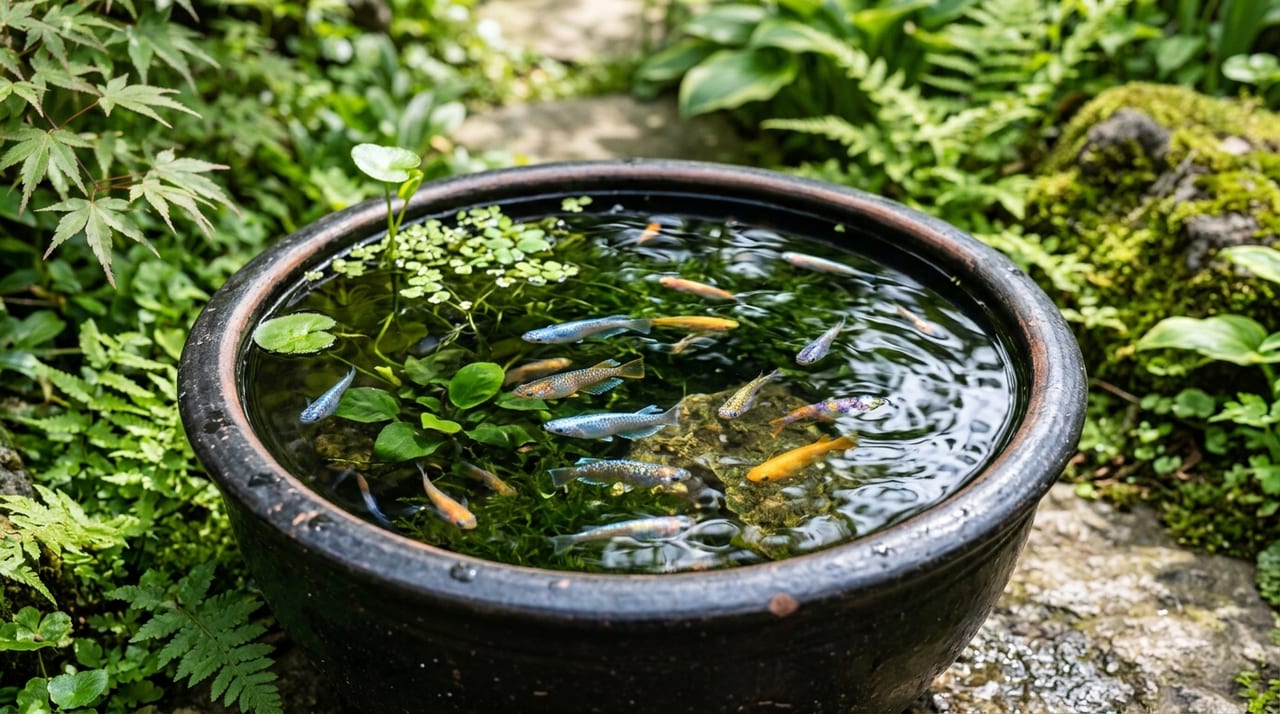
A medaka biotope is a rearing style that recreates a natural aquatic environment in a small container. The mechanism that maintains water quality through the power of aquatic plants and microorganisms, without using pumps or filters, represents a rearing environment closest to the medaka's natural ecology. Its major appeal is that it is beautiful to behold and allows you to enjoy keeping medaka while experiencing the changing seasons.
Basic Concepts of Biotopes
A biotope is a German word meaning "habitat" or "living space for organisms," referring to a small, artificially created ecosystem. In a medaka biotope, medaka, aquatic plants, microorganisms, and mollusks maintain a balanced environment by interacting with one another.
Waste and food debris excreted by medaka are broken down by bacteria, and the resulting nutrients are absorbed by aquatic plants. Aquatic plants supply oxygen through photosynthesis, replenishing the oxygen necessary for medaka respiration. When this cycle functions well, water quality remains stable even without a filter.
Selecting a Container
There are various container options for biotopes.
Water lily basins: The standard container for biotopes. The texture of the ceramic material evokes a Japanese atmosphere and offers good heat retention. Choose one with a diameter of at least 40 cm and a water capacity of at least 20 liters.
Plastic troughs (mortar troughs): Plastic containers originally used for construction work, offering the appeal of affordability and large capacity. Large sizes of 40 or 60 liters can accommodate many medaka and are suitable for breeding. While the appearance is simple, arranging bricks or wooden panels around the perimeter improves the aesthetics.
Polystyrene containers: These have excellent insulating properties and protect water temperature from summer heat and winter freezing. Black polystyrene containers also have the effect of making medaka body color appear darker, making them popular with breeders.
Wooden barrels and wine barrels: Atmospheric containers that suit a Western-style garden. However, select one with a food-grade waterproof coating to prevent harmful substances from leaching from the wood.
✍️
BreederDirect Editorial
The BreederDirect editorial team specializes in care information for animals, covering veterinary care and breeding to deliver beginner-friendly guides.
Find Medaka on BreederDirect
Buy directly from verified breeders
Browse Related Listings
Find Medaka listings related to this article on BreederDirect. Buy directly from verified breeders.
The key consideration when selecting a container is water volume. Ensure at least 10 liters of water, preferably 20 liters or more. The greater the water volume, the smaller the fluctuations in water temperature and quality, creating a more stable environment for medaka.
Selecting and Laying the Substrate
The substrate is an important element as it becomes a habitat for bacteria that purify water quality.
Substrate
Characteristics
Red volcanic soil (Akadama)
The standard substrate for biotopes. Its porous nature makes it excellent for bacterial colonization, and it has the effect of tilting water quality slightly acidic. Hardened red volcanic soil is less prone to crumbling and lasts longer. Small or medium-sized particles are easier to handle.
Oiso sand (fine grade)
A substrate that can be used semi-permanently with minimal impact on water quality. Somewhat heavy, making it suitable for planting aquatic plants, but it offers less surface area for bacterial colonization compared to red volcanic soil.
Arakida soil
Field soil that most closely resembles medaka's natural habitat. It readily produces microorganisms such as daphnia, which serve as initial food for fry, though the drawback is that water tends to become turbid.
Lay the substrate to a depth of 3–5 cm. Creating a slope by making the back thicker and the front thinner makes it easier to view medaka from above.
Selecting and Positioning Aquatic Plants
Select aquatic plant species for biotopes that can withstand strong outdoor sunlight and water temperature fluctuations.
Floating plants: Water hyacinth is a representative floating plant for biotopes. It provides summer shade and its roots serve as a spawning bed for medaka. Combining smaller floating plants such as Amazon frogbit and Salvinia is also good. However, if floating plants cover too much of the water surface, light cannot reach the bottom, so keep approximately two-thirds of the water surface open.
Submerged plants: Waterweed is a standard aquatic plant that is hardy, grows quickly, and has high water-purifying ability. Hornwort also grows simply by floating in the water and serves as a hiding place for medaka.
Emergent plants: Plants that root in water and extend stems and leaves above the water surface. Water lilies are beautiful when flowering and their leaves provide shade for medaka. Small emergent plants such as narrow-leaved arrowhead and water mushroom also add color.
Wetland plants: Wetland plants such as white heron sedge and mini papyrus, placed in small pots at the container's edge, add height and a sense of nature to the biotope.
Introducing Organisms
Introducing symbiotic organisms besides medaka improves the balance of the biotope.
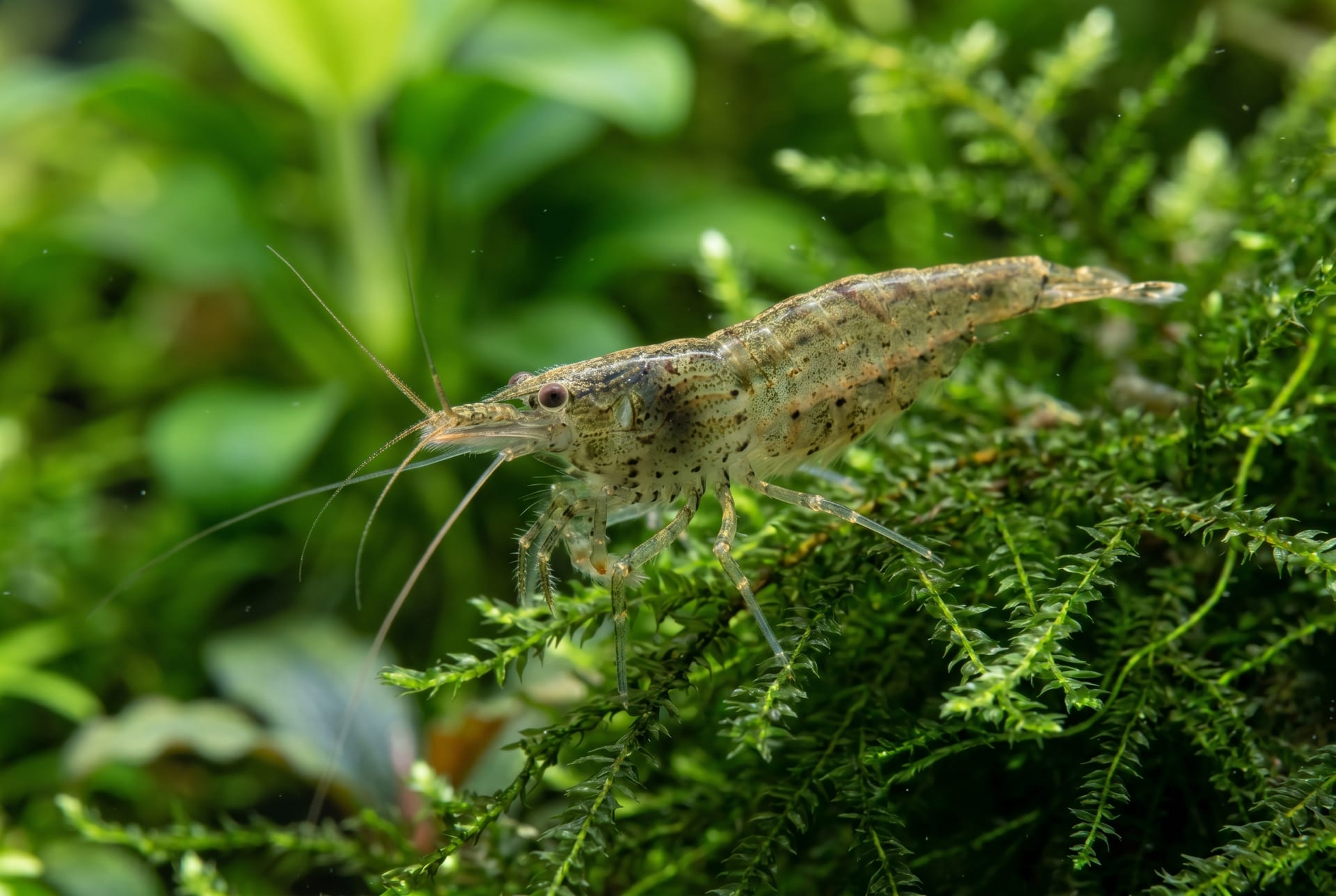
Yamato shrimp: They clean up algae and leftover food. They have good compatibility with medaka and breed prolifically. Since they also contribute to water purification, you should include 3–5 of them.
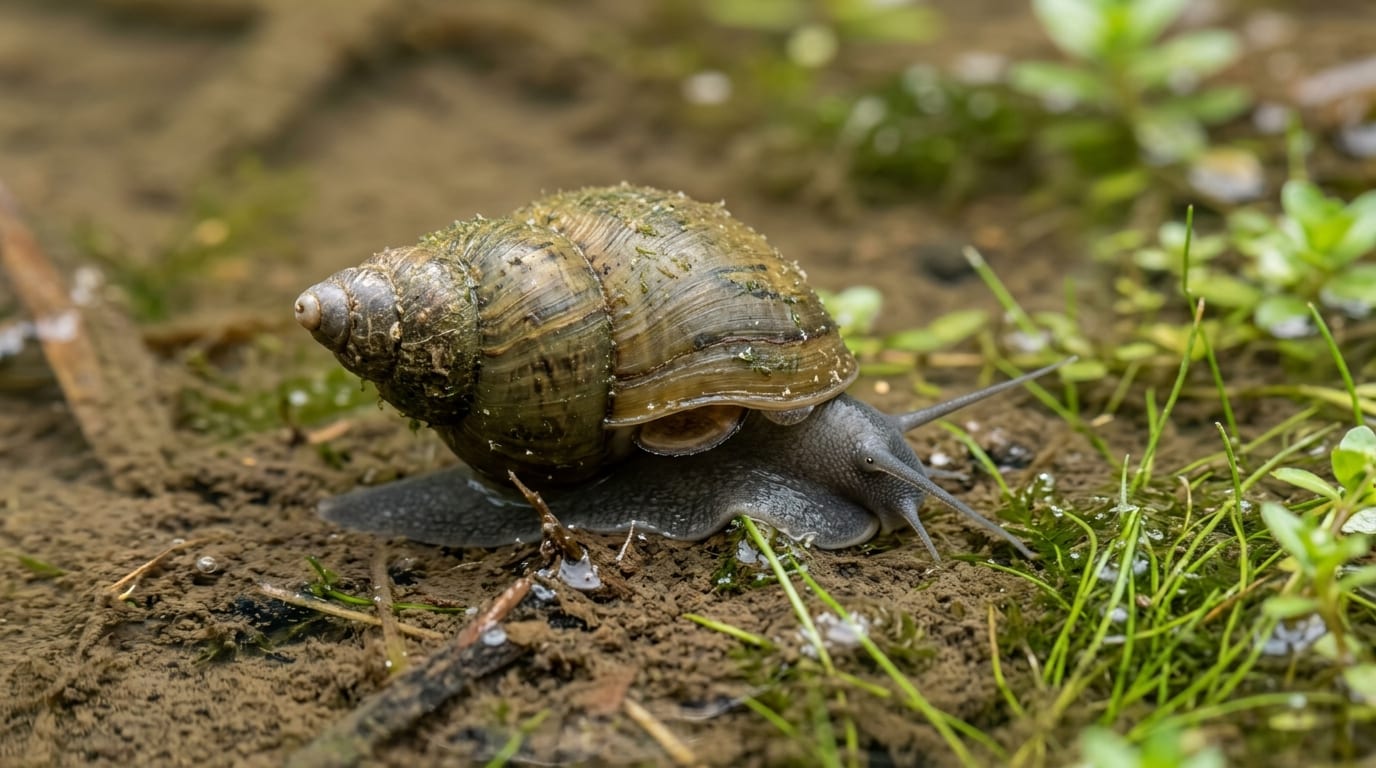
Snails (dwarf Japanese freshwater snail): They eat algae on walls and suspended particles in the water, having a clarifying effect. Through a feeding method called filter feeding, they can also clear green water.
Loaches: They are excellent bottom cleaners, but as they grow they may stress medaka, so small species such as striped loach are recommended.
The standard stocking density for medaka is one fish per liter, but in biotopes a slightly lower density relative to water volume is ideal. For a 20-liter container, 10–15 fish is appropriate.
Seasonal Management
Spring (March–May): As water temperature begins to rise, medaka activity increases. Perform a water change of about one-third to remove buildup from winter. Since breeding begins when water temperature exceeds 18°C, install a spawning bed.
Summer (June–August): The biggest challenge is water temperature rise from direct sunlight. Use reed screens or shade cloth to soften sunlight exposure and prevent water temperature from exceeding 35°C. Since floating plants provide natural shade, having slightly more during this period is fine. Perform frequent top-ups due to heavy evaporation.
Autumn (September–November): This is a period to build up nutrition in medaka for winter. Provide plenty of quality food. Be careful to prevent fallen leaves from landing on the water surface, and reduce feeding when water temperature begins to drop below 15°C. Move winter-tender aquatic plants (such as water hyacinth) indoors or maintain a stock.
Winter (December–February): When water temperature drops to 5°C or below, medaka remain nearly motionless at the bottom and do not eat. Stop feeding completely. Medaka can overwinter as long as the bottom does not freeze, even if the water surface ices over. Insulated containers (such as polystyrene) are advantageous for overwintering.
Step-by-Step Instructions
Step 1: Decide on Container Placement
Choose a well-lit location. The ideal environment is partial shade, with several hours of sunlight in the morning and protection from strong afternoon direct sun. Since summer water temperature rise can be fatal to medaka, it is necessary to use shade cloth or reed screens during midsummer to soften the sun's intensity.
Step 2: Lay Substrate and Add Water
Lay red volcanic soil uniformly to a depth of 3–5 cm across the entire container. Next, slowly pour in dechlorinated water. If water is poured forcefully, the substrate will become suspended, so place a vinyl bag or similar on top of the substrate and pour through it for a clean result. Dechlorination can be done using commercial neutralizers or by leaving tap water in direct sunlight for 24–48 hours.
Step 3: Introduce Aquatic Plants and Wait One Week
Gently insert waterweed or hornwort into the substrate or float them on the water surface. Simply place water hyacinth on the water surface as is. Leave in this state for about one week, allowing the aquatic plants to acclimate while waiting for bacteria to establish.
Step 4: Introduce Dwarf Japanese Freshwater Snails First
Rather than introducing medaka immediately, first add 2–3 dwarf Japanese freshwater snails. These snails are relatively tolerant of water quality changes and function as indicator organisms to confirm environmental safety. If there are no issues after 1–2 weeks, you can finally introduce medaka.
Step 5: Acclimate and Introduce Medaka
Newly purchased medaka may experience health problems from the shock of sudden temperature and water quality changes. Float the bag on the water surface for 30 minutes to match water temperature, then gradually add small amounts of biotope water into the bag over 30 minutes to 1 hour to acclimate them to the water quality. Finally, gently net only the medaka and transfer them to the container.
Get Hardy Medaka for Outdoor Rearing from BreederDirect
To obtain hardy medaka that thrive in a biotope, consulting with BreederDirect's breeders is ideal. Medaka raised in outdoor conditions are robust against environmental changes and adapt smoothly to biotopes. You can also receive direct advice from breeders regarding the outdoor-rearing suitability of each variety.