Medaka Genetics & Coloration Basics — Essential Knowledge for Breeding
Essential genetics for medaka breeding: genes that determine body color, chromatophore types, and how to plan crosses using Mendelian principles.
Key Takeaways
Essential genetics for medaka breeding: genes that determine body color, chromatophore types, and how to plan crosses using Mendelian principles.
Related Species
Medaka breeding can be efficiently and systematically advanced by understanding the laws of heredity. In recent years, the medaka boom has produced diverse varieties, but underlying them are Mendel's laws of inheritance and the biology of chromatophores. This guide systematically explains the basic knowledge of heredity necessary for selective breeding.
Medaka Chromatophores and Body Color Mechanisms
Medaka body color is determined by the combination of four types of chromatophores present in the skin.
Melanophores (Black Chromatophores): Contain melanin pigment and produce black and brown colors. The dark coloration of wild-type medaka is primarily due to these chromatophores.
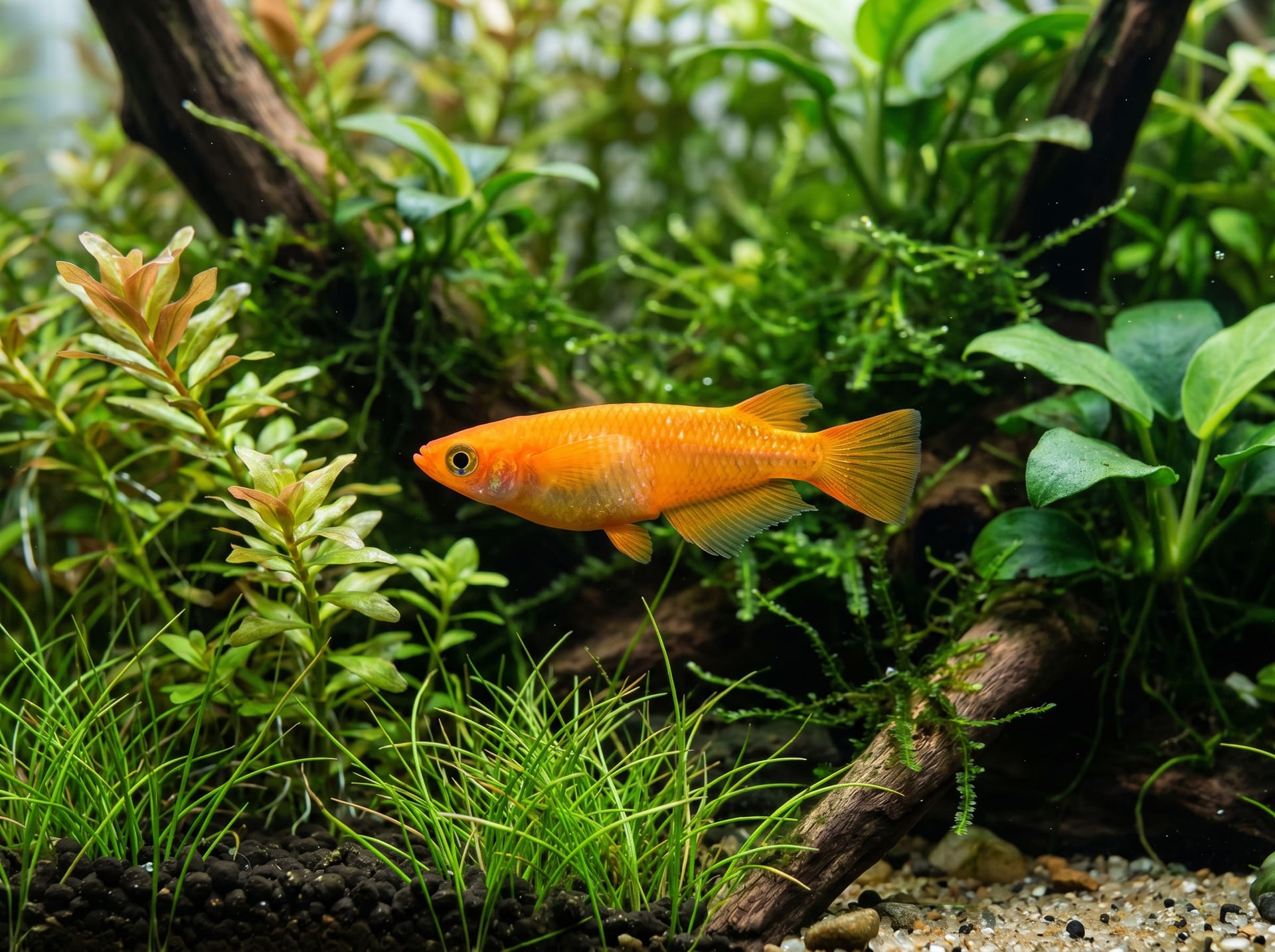
Xanthophores (Yellow Chromatophores): Contain carotenoids and pteridines, expressing yellow and orange colors. The characteristic orange color of the HiMedaka is primarily due to these chromatophores.
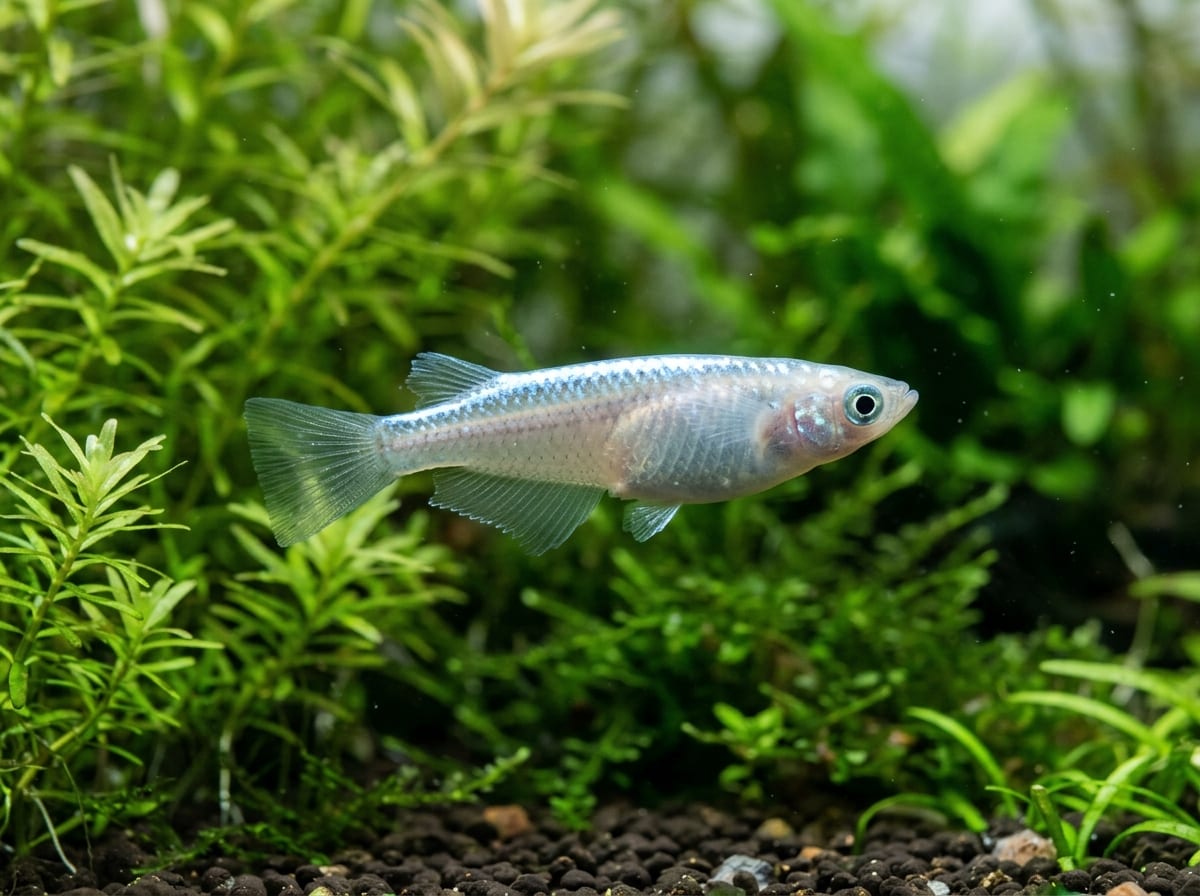
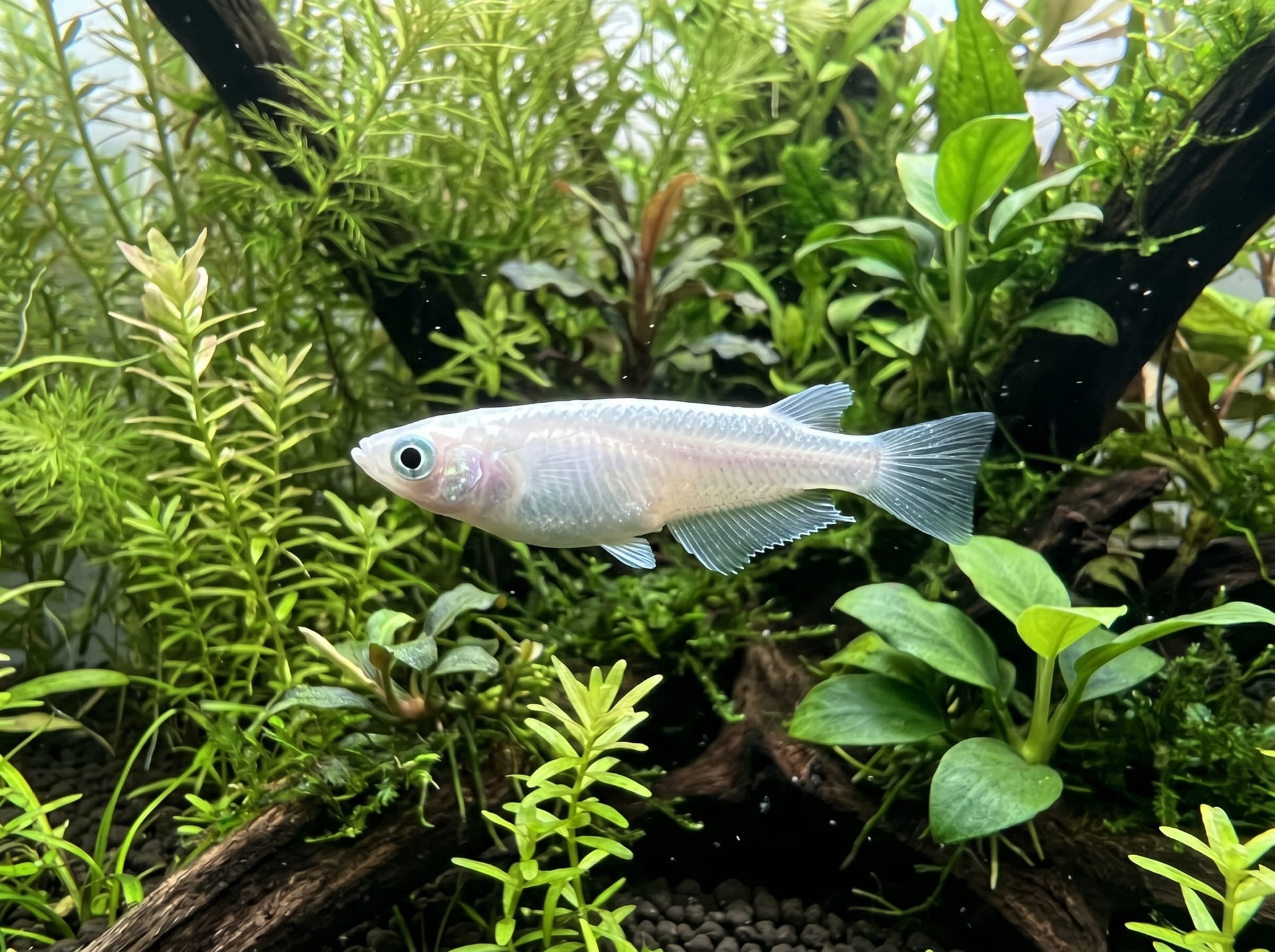
Leucophores (White Chromatophores): Contain purine crystals and are involved in white coloration. The body color of white medaka is expressed when these chromatophores are dominant.
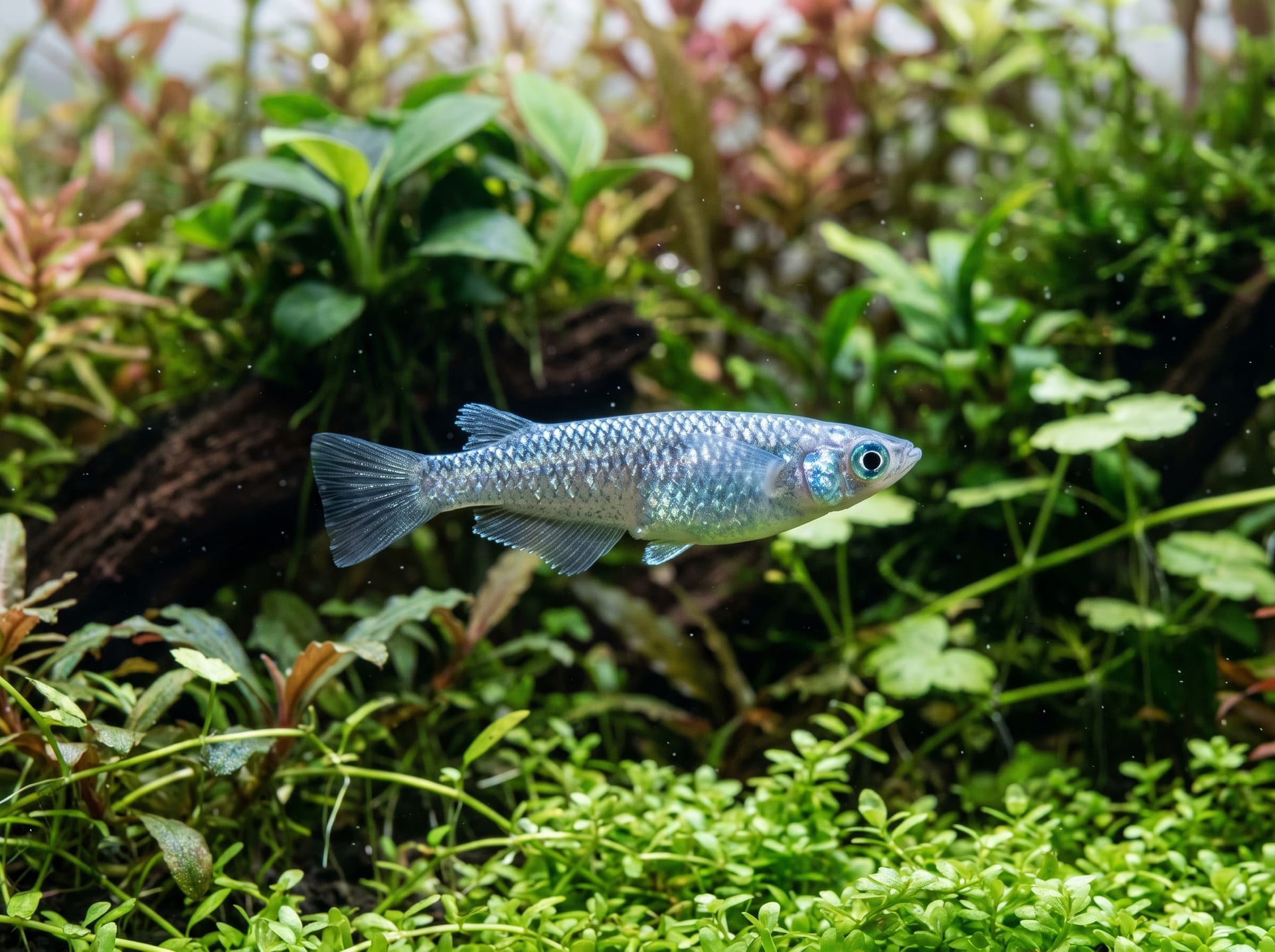
Iridophores (Iridescent Chromatophores): Contain guanine crystal plates and reflect light to produce metallic shine (lame) and bluish colors. The glow on the back of Miiyuki medaka is produced by the development of these chromatophores.
These chromatophores are arranged in layers in the epidermis and dermis, and the final body color is determined by the presence or absence and balance of each chromatophore.
Major Body Color Genes
Let's understand the major genes involved in medaka body color.
B gene (Black Pigment Deficiency): Recessive (b) to the wild-type (B); when homozygous (bb), melanophores become non-functional. This mutation is the basis of HiMedaka, where black pigment disappears and yellow pigment becomes prominent.
R gene (Yellow Pigment Deficiency): Recessive (r) to the wild-type (R); when homozygous (rr), xanthophores do not develop. Blue medaka is a mutation caused by this gene.
✍️
BreederDirect Editorial
The BreederDirect editorial team specializes in care information for animals, covering veterinary care and breeding to deliver beginner-friendly guides.
Find Medaka on BreederDirect
Buy directly from verified breeders
Browse Related Listings
Find Medaka listings related to this article on BreederDirect. Buy directly from verified breeders.
Related Tools
Related Articles
Browse by Category
🪸Coral
🐠Marine Fish
🐟Tropical Fish
🐡Goldfish
🐟Medaka
🦎Reptiles
Share
I gene (Iridescent Pigment Deficiency): Affects iridophores; when homozygous (ii), iridophores are reduced or eliminated.
The combination of these genes determines the basic body color.
Wild-type (BBRR): Both melanophores and xanthophores are functional, resulting in dark brown body color
HiMedaka (bbRR): Black pigment is absent, resulting in yellow to orange color
Blue Medaka (BBrr): Yellow pigment is absent, resulting in blue-gray color
White Medaka (bbrr): Both black and yellow pigments are absent, resulting in white color
Albino: Another gene causes melanin deficiency in all pigments, resulting in red eyes
Mendel's Laws and Crossing Plans
In selective breeding, crossing results are predicted based on Mendel's laws.
Law of Dominance and Recessiveness: Wild-type genes (capital letters) are dominant over mutant genes (lowercase letters). For example, a Bb (heterozygous) individual shows a wild-type appearance but is a carrier of the b gene.
Law of Segregation: When heterozygotes (Bb × Bb) are crossed, the genotypic ratio of offspring is BB:Bb:bb = 1:2:1. The phenotypic ratio is wild-type:HiMedaka type = 3:1.
Law of Independent Assortment: Genes on different chromosomes are inherited independently. For example, a BbRr × BbRr cross predicts offspring in the ratio wild-type:HiMedaka:Blue:White = 9:3:3:1.
In actual selective breeding, offspring with the desired phenotype are crossed in F2 (second generation) and beyond to fix the desired trait and establish homozygosity.
Recent Breeding Innovations and Related Genes
Here are the genetic characteristics of recently popular varieties.
Miiyuki Medaka: Characterized by "external light" where iridophores develop on the back creating a brilliant shine. The intensity of external light is a polygenic trait involving multiple genes, with "full-body" individuals showing light from head to tail produced through repeated selection.
Lame Medaka: Iridophores develop on each scale, creating a sparkling "lame" effect. The amount and color of lame has been strengthened through selection.
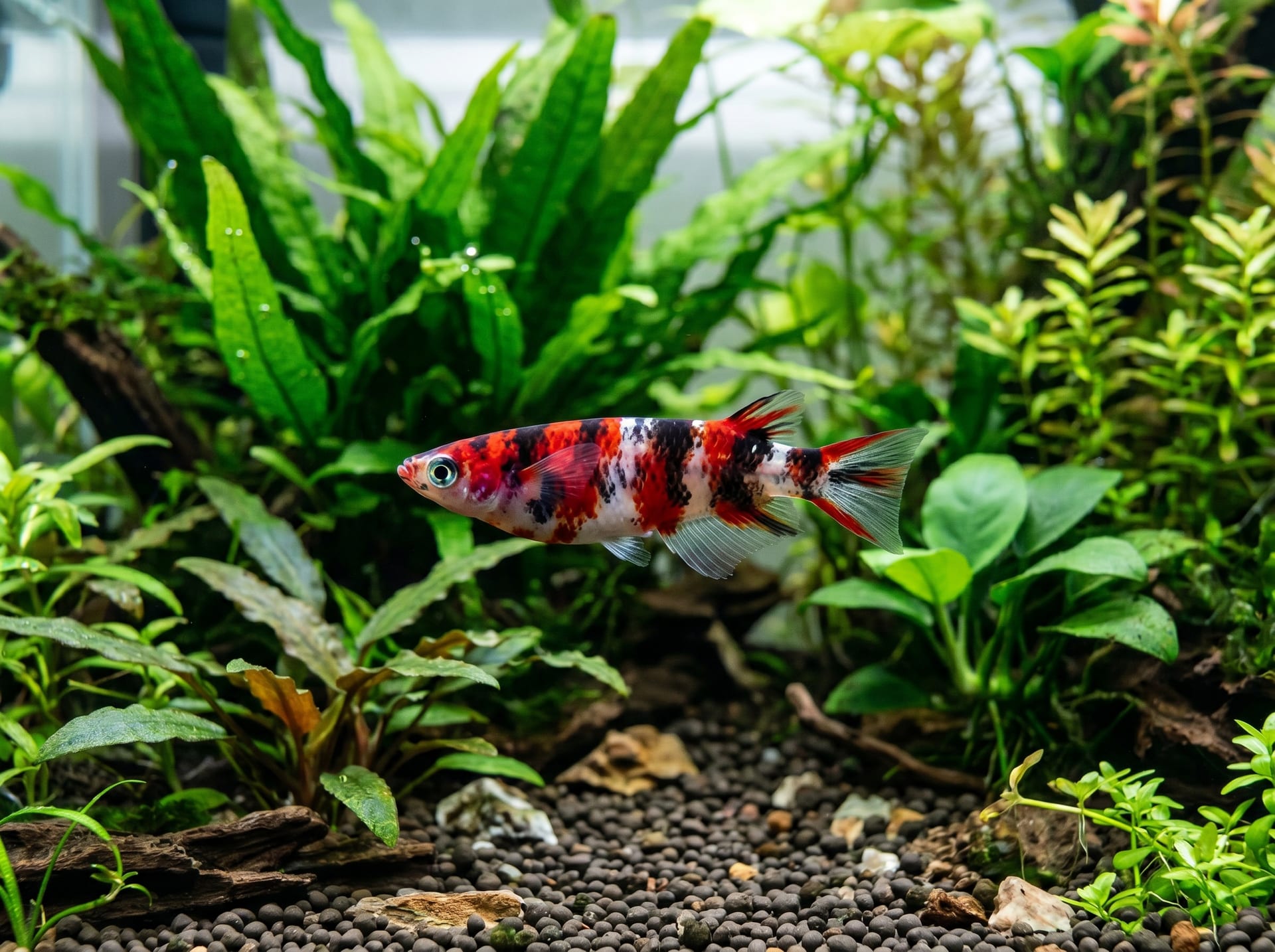
Tri-color Medaka: Medaka with three colors—red, white, and black—similar to the beauty of koi. The appearance of tri-color patterns is genetically unstable, and producing stable tri-color patterns requires long-term selection.
Transparent Scale Medaka: Lacks iridophores in the scales, allowing the interior of the body to be seen. The gills appear red and transparent, and the transparent scale factor is inherited recessively.
Hikari Body Type: A mutation where the dorsal fin becomes the same shape as the anal fin, and the caudal fin becomes diamond-shaped. Since body type genes are independent of color genes, Hikari body type can be introduced into varieties of various colors.
Selection Points and Improving Fixation Rates
The most painstaking and important work in selective breeding is selection.
Selection Basics: When individuals reach breeding size (about 2 cm in body length), select those with the desired trait. Clearly define the trait you want to improve—body color, body type, amount of lame, intensity of external light—and retain the individual with the best expression of that trait as a breeding parent.
Understanding Fixation Rates: The "fixation rate" refers to the probability that a certain trait will be inherited by offspring. To increase the fixation rate, individuals with the same trait must be crossed over multiple generations. Generally, the fixation rate of traits becomes stable after 3-5 generations of selective crossing.
Risks of Inbreeding: Close breeding is effective for trait fixation, but it simultaneously carries risks of increased malformation rates, reduced fertility, and decreased immunity. Periodically introducing high-quality individuals from different lines for outcrossing to maintain genetic diversity is important.
Importance of Record-Keeping: Keeping records of crosses is fundamental to selective breeding. By recording which offspring result from which parental combinations, patterns of inheritance become clear. Manage pedigree charts using notebooks or spreadsheets, and keep records of selection criteria and results for each generation.
Environmental Factors and Color Expression
In addition to genetic body color, environmental factors also affect color expression. When raised in black containers, protective coloration increases melanin pigment, darkening body color. In white containers, melanin decreases and color becomes lighter. Since optimal container colors differ by variety, comparing seed parents under the same conditions is important.
Ultraviolet light in sunlight promotes the development of iridophores, and outdoor rearing is considered effective for extending the external light of Miiyuki medaka. Water temperature also affects body color, and color expression is maximized when raised in the appropriate temperature range.
Finding Selective Breeding Parent Stock at BreederDirect
The success of selective breeding begins with acquiring high-quality breeding stock. At BreederDirect, you can directly purchase seed parents from medaka breeders working on selective breeding, with clear background lineages. The strength of direct purchase from breeders is that you can ask questions about genetic characteristics and fixation rates, and also receive breeding advice.