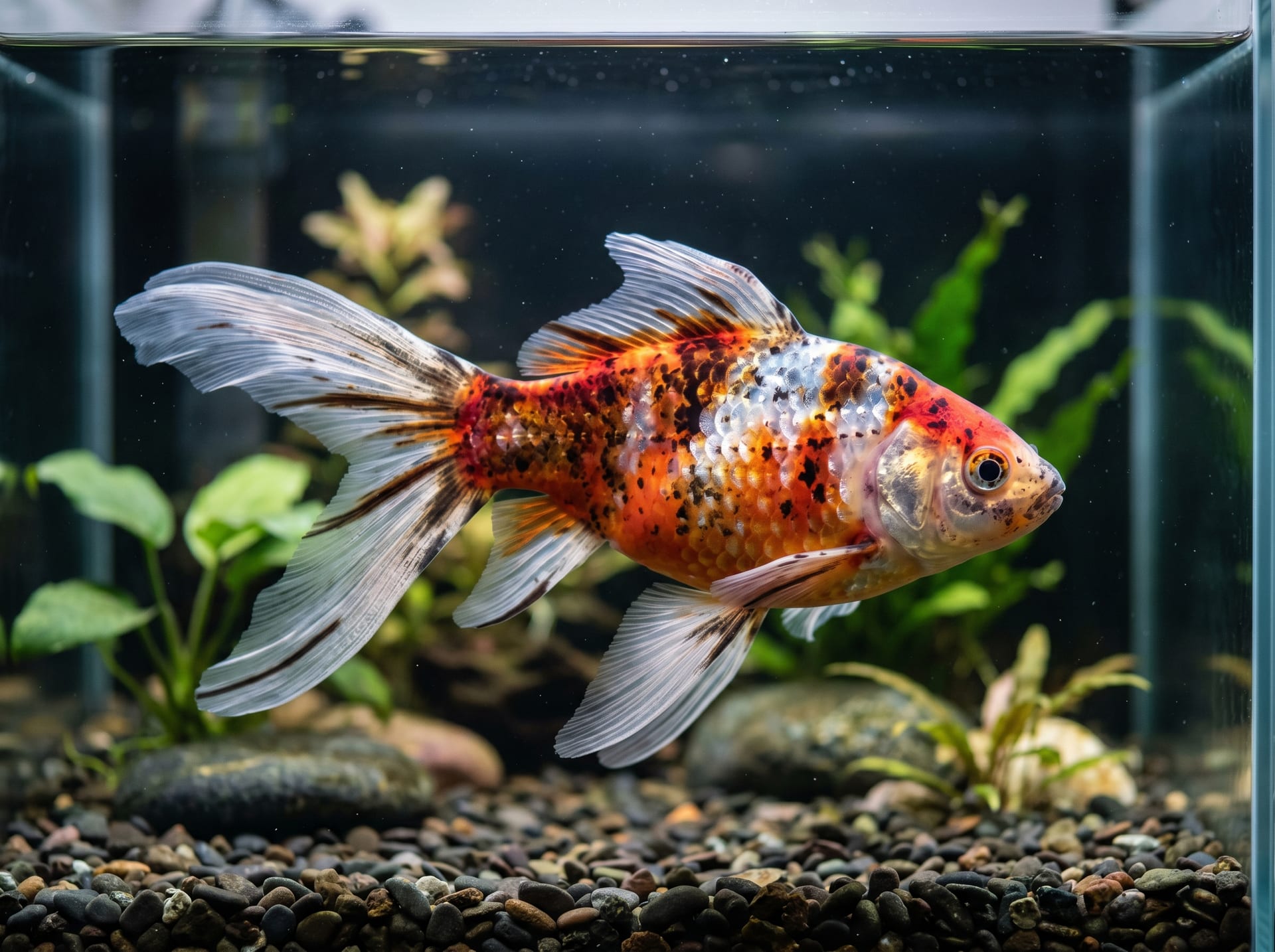
Lame (Glitter-Scale) Medaka Breeding Guide — Maximizing Sparkle Through Selection
Guide to raising and selecting lame (glitter-scale) medaka: how the sparkle trait develops, optimal rearing conditions for more glitter, selective breeding strategies, and popular variety profiles.
Key Takeaways
Guide to raising and selecting lame (glitter-scale) medaka: how the sparkle trait develops, optimal rearing conditions for more glitter, selective breeding strategies, and popular variety profiles.
Rame Medaka are a beautiful species with iridescent scales that are driving the recent medaka boom. However, the brilliance of the rame is greatly influenced by breeding environment and genetics, so specific techniques are needed to bring out their maximum beauty. In this article, we'll explain how to raise rame medaka and the key points for selective breeding.
Mechanism of Rame Expression
✍️
BreederDirect Editorial
The BreederDirect editorial team specializes in care information for animals, covering veterinary care and breeding to deliver beginner-friendly guides.
Find Medaka on BreederDirect
Buy directly from verified breeders
Browse Related Listings
Find Medaka listings related to this article on BreederDirect. Buy directly from verified breeders.
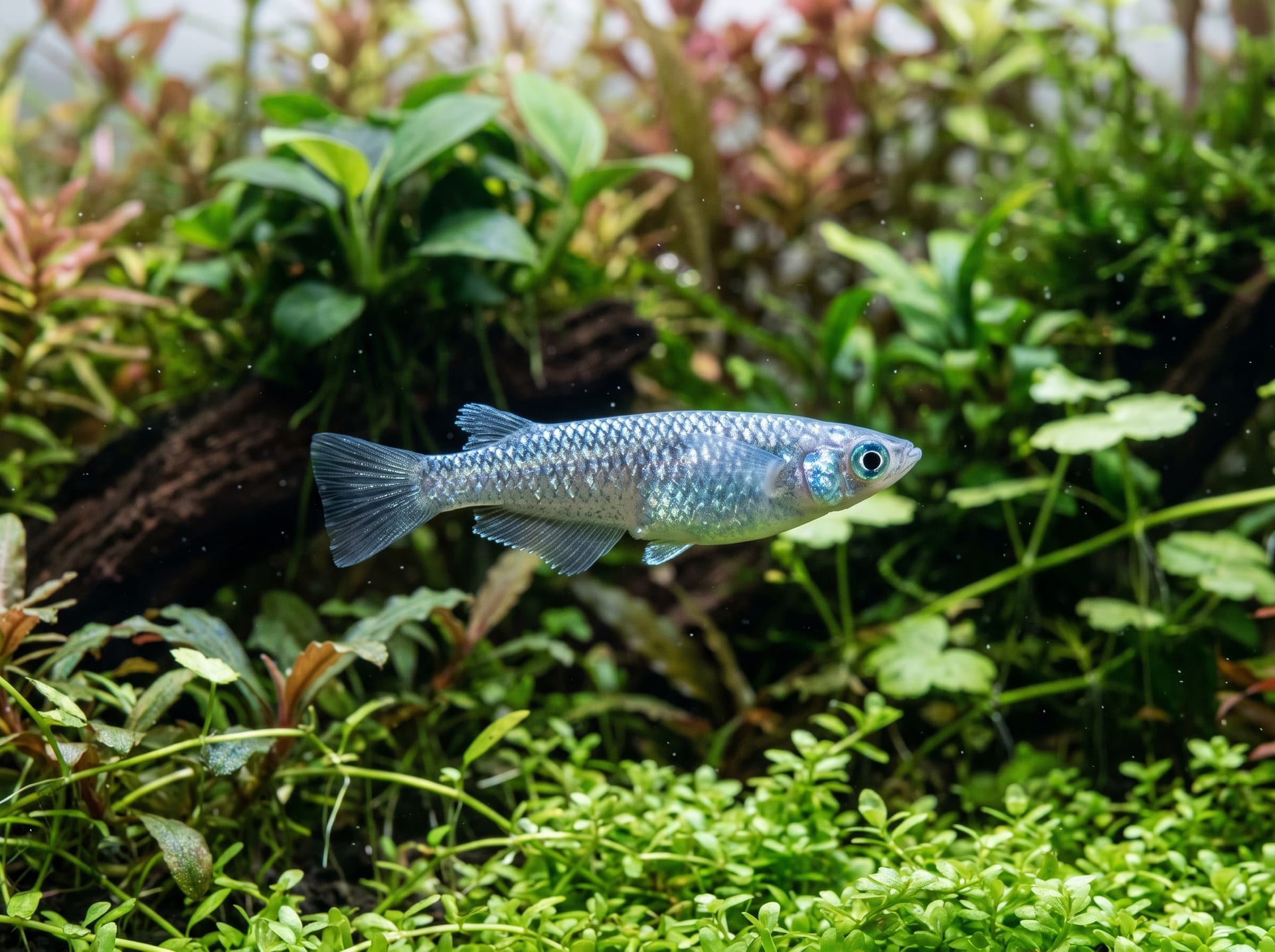
The brilliance of rame medaka is created by iridescent pigment cells (guanine crystals) on the scale surface reflecting light. While normal medaka also have iridescent pigment cells, rame medaka have particularly developed these cells, causing each individual scale to appear sparkling. There are broadly two types of rame: "standard rame" and "body-external light rame." Standard rame sparkles in point-like patterns on each scale, while body-external light glows in bands along the back line. In recent years, individuals called "full-body rame," which are completely covered in rame across the entire body, have become increasingly popular. The color of rame is also diverse, showing different luminescence depending on light direction and viewing angle, such as silver, gold, blue, and green. While the quantity and quality of rame are largely genetic factors, the degree of expression also changes depending on the breeding environment.
Breeding Environment to Enhance Rame
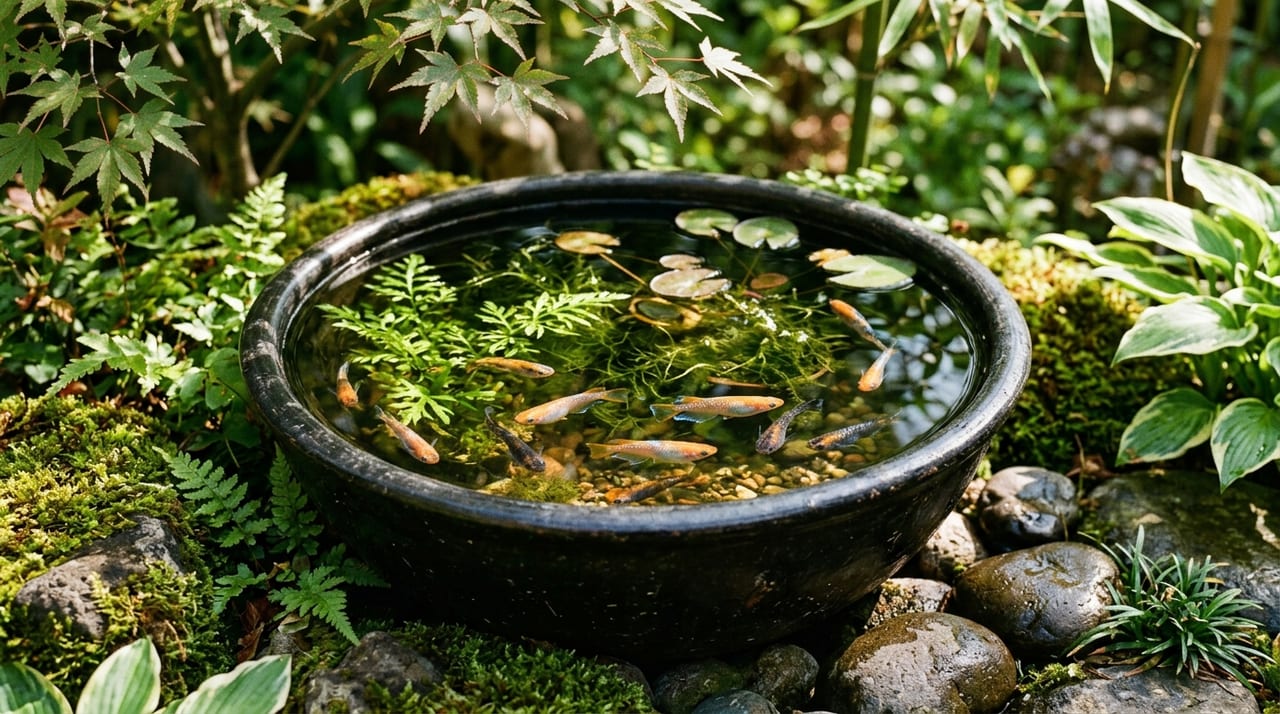
To bring out the brilliance of rame to its maximum, careful attention to the breeding environment is important. Black is the standard container color. When raised in a black container, "background adaptation" occurs, causing the medaka's body color to deepen, which makes the rame contrast stand out. In white containers, the body color becomes lighter and the rame becomes less noticeable. Water temperature of 25-28°C is ideal for rame expression, and rame brilliance tends to become dull if it's too hot or too cold. Sunlight has a positive effect on rame coloration, but direct sunlight for extended periods raises water temperature too much, making a location with sunlight only in the morning ideal. Breeding density should be kept somewhat low, ensuring at least 2 liters of water per fish. Overcrowding causes stress and suppresses rame expression. Feed high-protein specialty feed 2-3 times daily in divided portions to promote growth.
Key Points in Selective Breeding
To improve the quality of rame medaka, selective breeding across generations is essential. The basic principle of selection is "breeding individuals with more rame together," but there are several important considerations. When evaluating, don't just look at the quantity of rame, but also include the size of the rame, the balance of their placement, and the strength of their brilliance in your evaluation criteria. Individuals with rame uniformly distributed from the head to the base of the tail fin are ideal. Selection should be performed when the fish are young, at 2-3 months after hatching. At this stage, rame patterns become somewhat visible, but some individuals develop more rame as they grow, so multiple rounds of selection are desirable. When breeding, it's also important to introduce rame medaka from different lineages to refresh the bloodline. If breeding continues with only the same lineage, inbreeding weakens the body and can reduce rame quality. Even individuals that don't meet selection standards are sufficiently beautiful for ornamental purposes and can be enjoyed in separate containers.
Popular Rame Varieties and Characteristics
Many rame medaka varieties exist. "Sapphire" is a variety with blue rame scattered across the entire body, with the contrast against the black body color being beautifully gem-like and highly popular. "Yozakura" (Night Cherry Blossom) is a variety with rame on a black and orange body, characterized by vibrant coloring. "Amber Rame" has a warm beauty with gold rame shining on an amber-colored body. "Tri-color Rame" is a luxurious variety with rame added to three colors—red, white, and black—with a Japanese aesthetic reminiscent of koi. "Ulysses" is a variety with a fantastical combination of bluish body-external light and rame. The price range varies greatly depending on rame quality; common individuals can be purchased for a few hundred yen, but carefully selected full-body rame individuals can command prices in the tens of thousands of yen.
Choosing Rame Medaka at br-choku
Rame medaka are a variety where it's difficult to judge the quality of brilliance from photos alone. At br-choku, you can purchase directly from breeders who are particular about rame selection, and you can confirm information about parent fish and lineage background. By choosing a breeder who provides detailed explanations about the quantity and quality of rame, you can more easily obtain the individual you're expecting. Since you can also receive advice on selection techniques and breeding environment, those pursuing the brilliance of rame should definitely take advantage of this service.