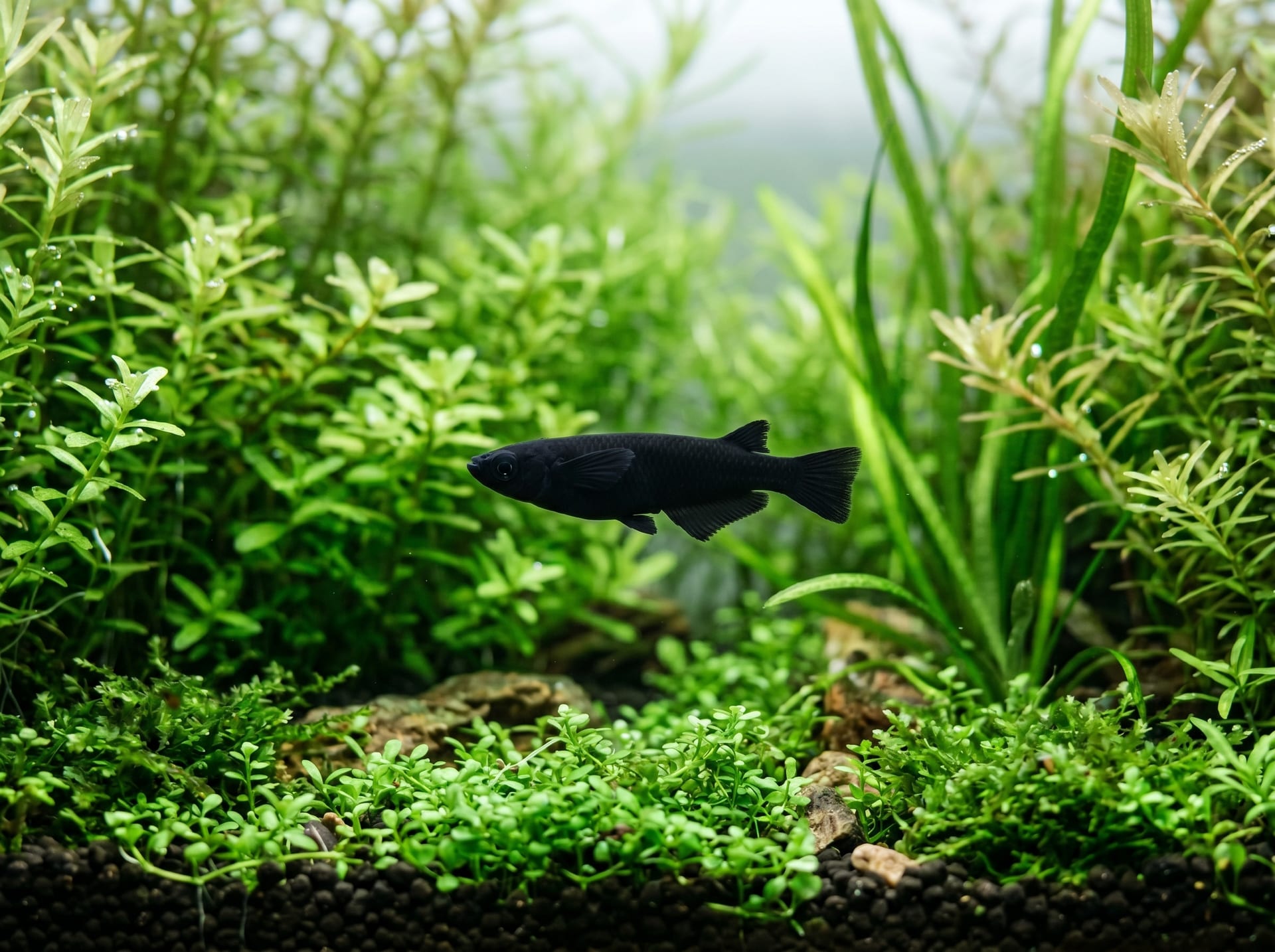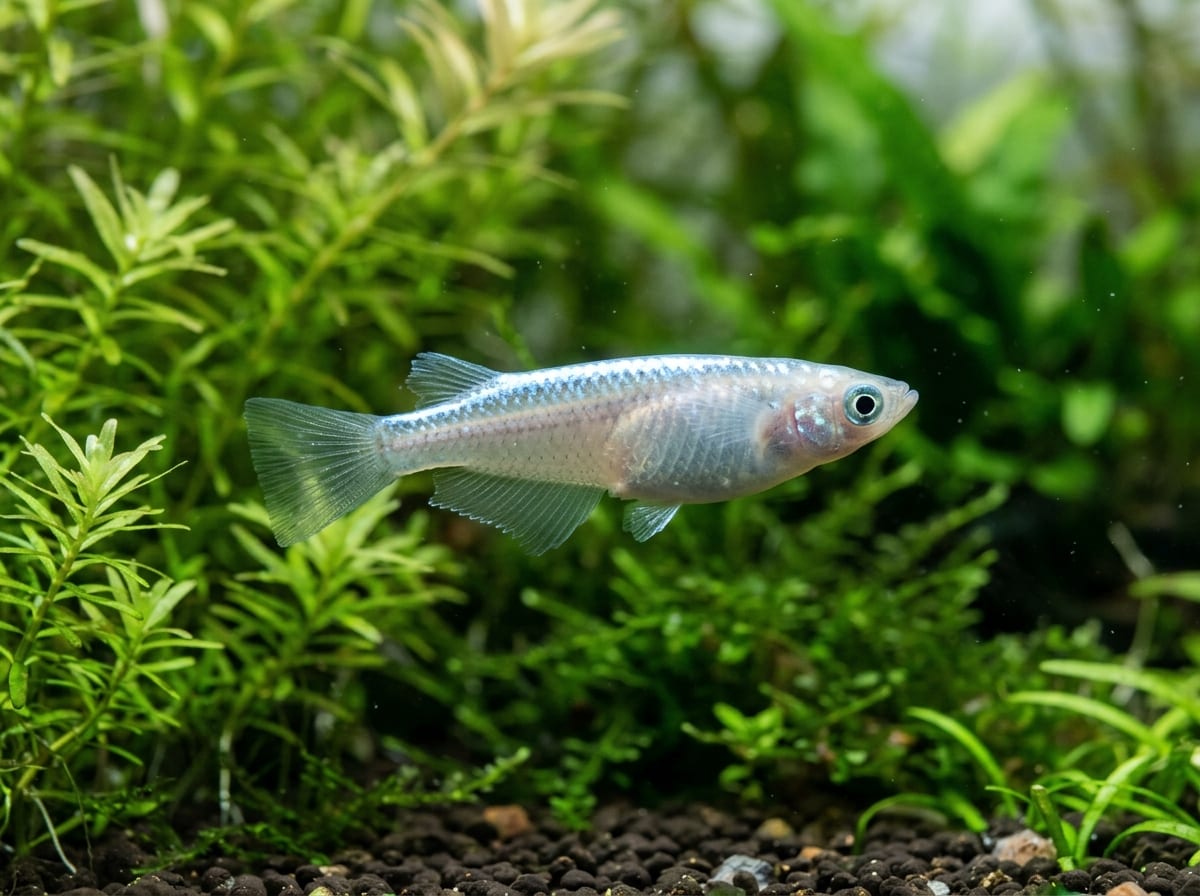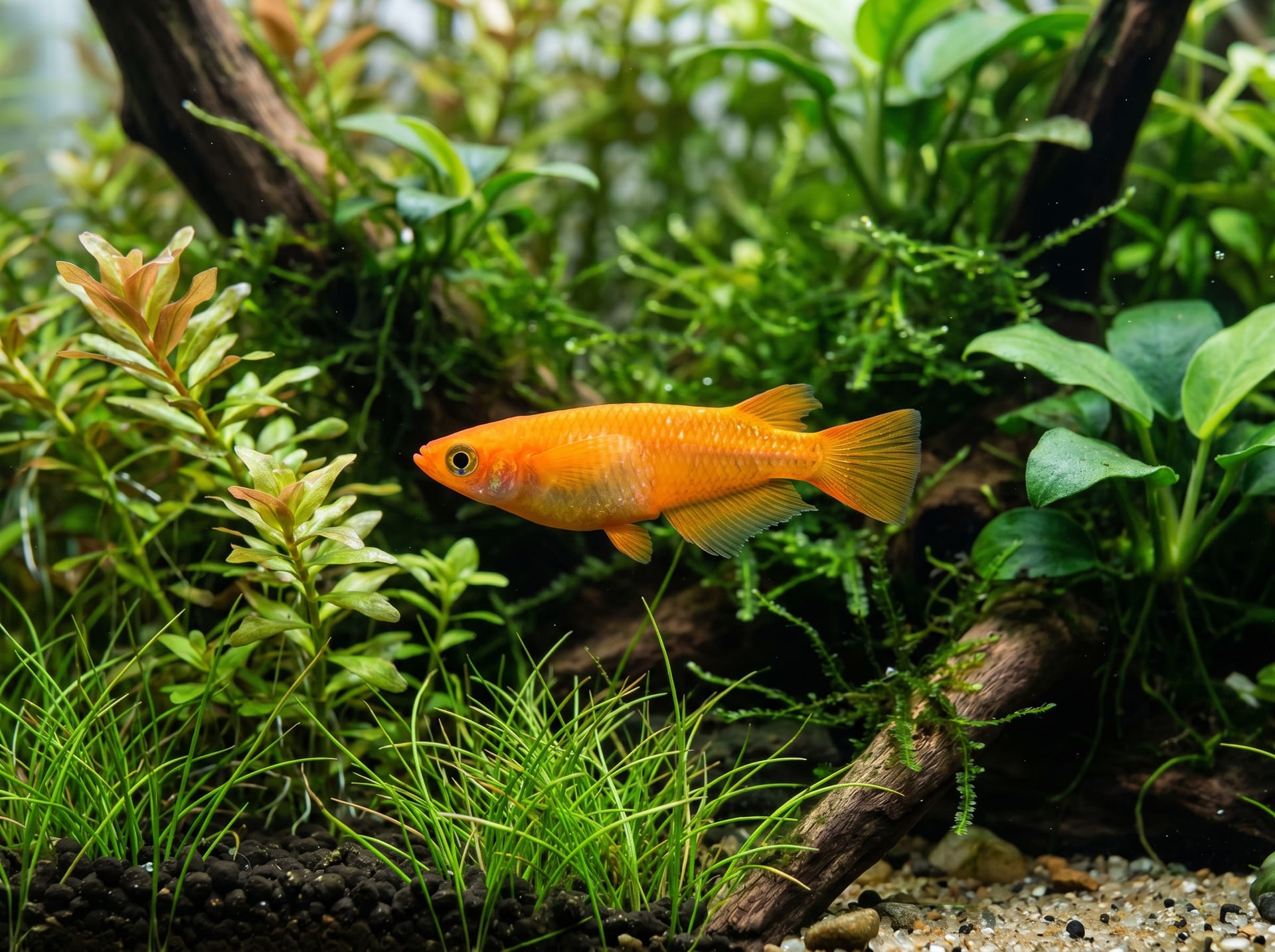
AI-generated image
Himedaka
BeginnerThe oldest improved medaka variety, kept since the Edo period. Friendly orange-yellow color and extreme hardiness. Perfect for biotope beginners.
Difficulty
Beginner
Temperature
5〜35℃
Lifespan
2-3 years
Size
3-4cm
Diet
Medaka pellets, daphnia, mosquito larvae
About
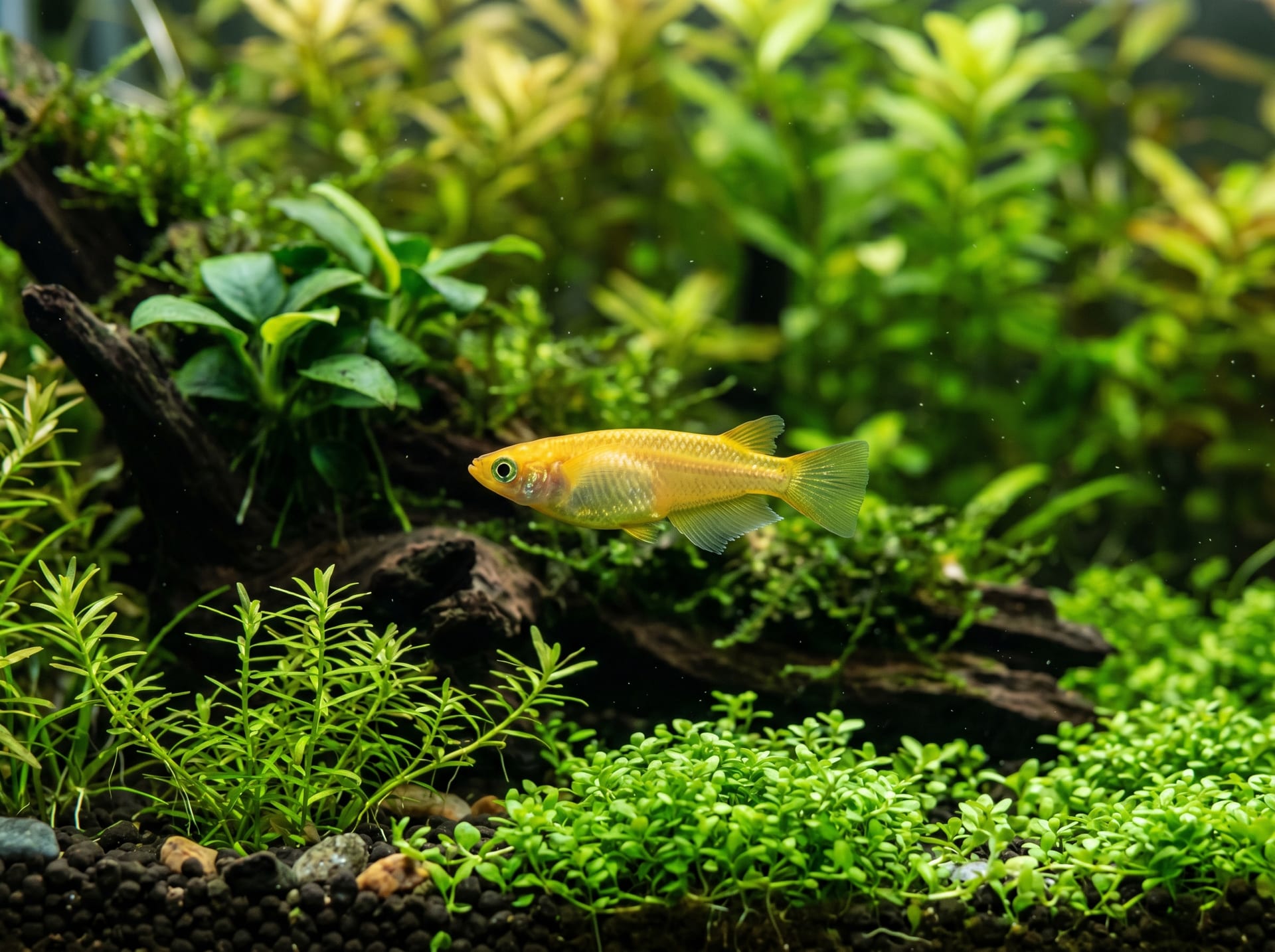
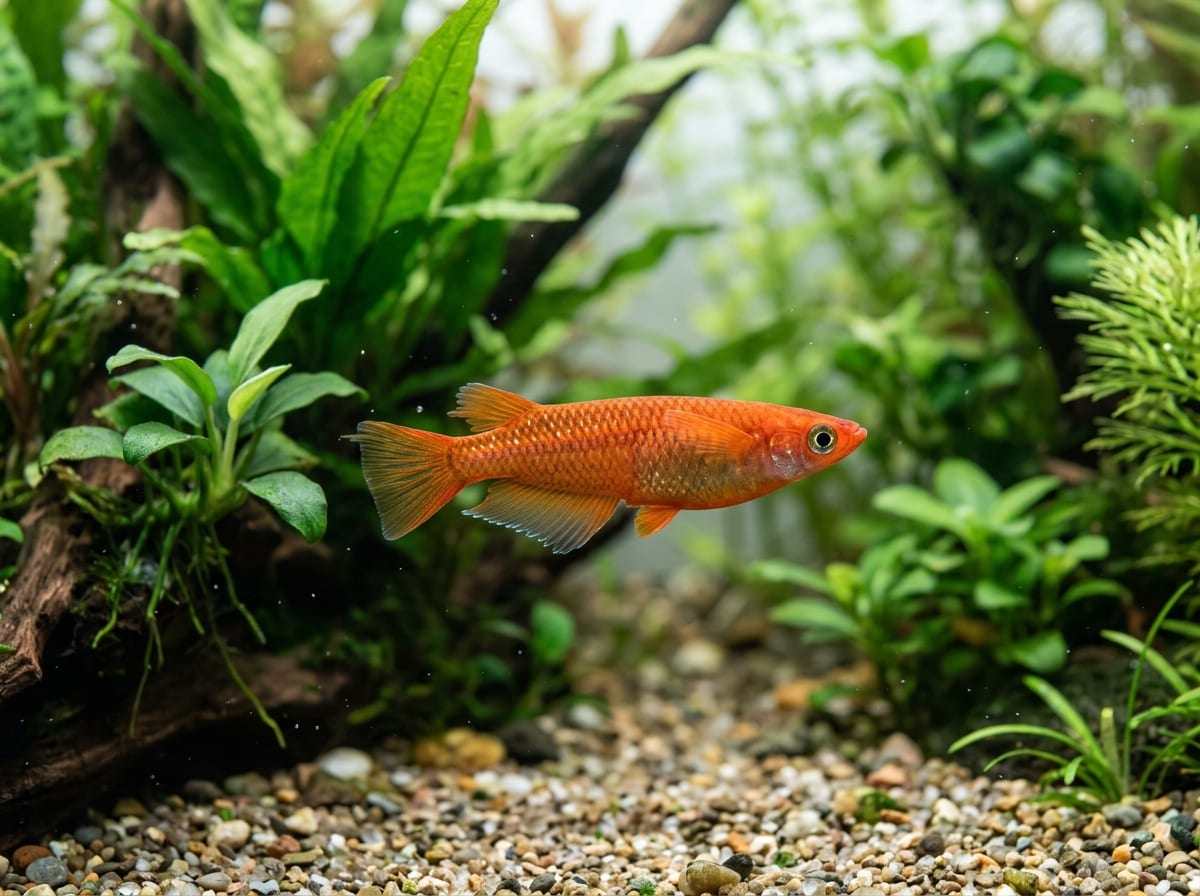
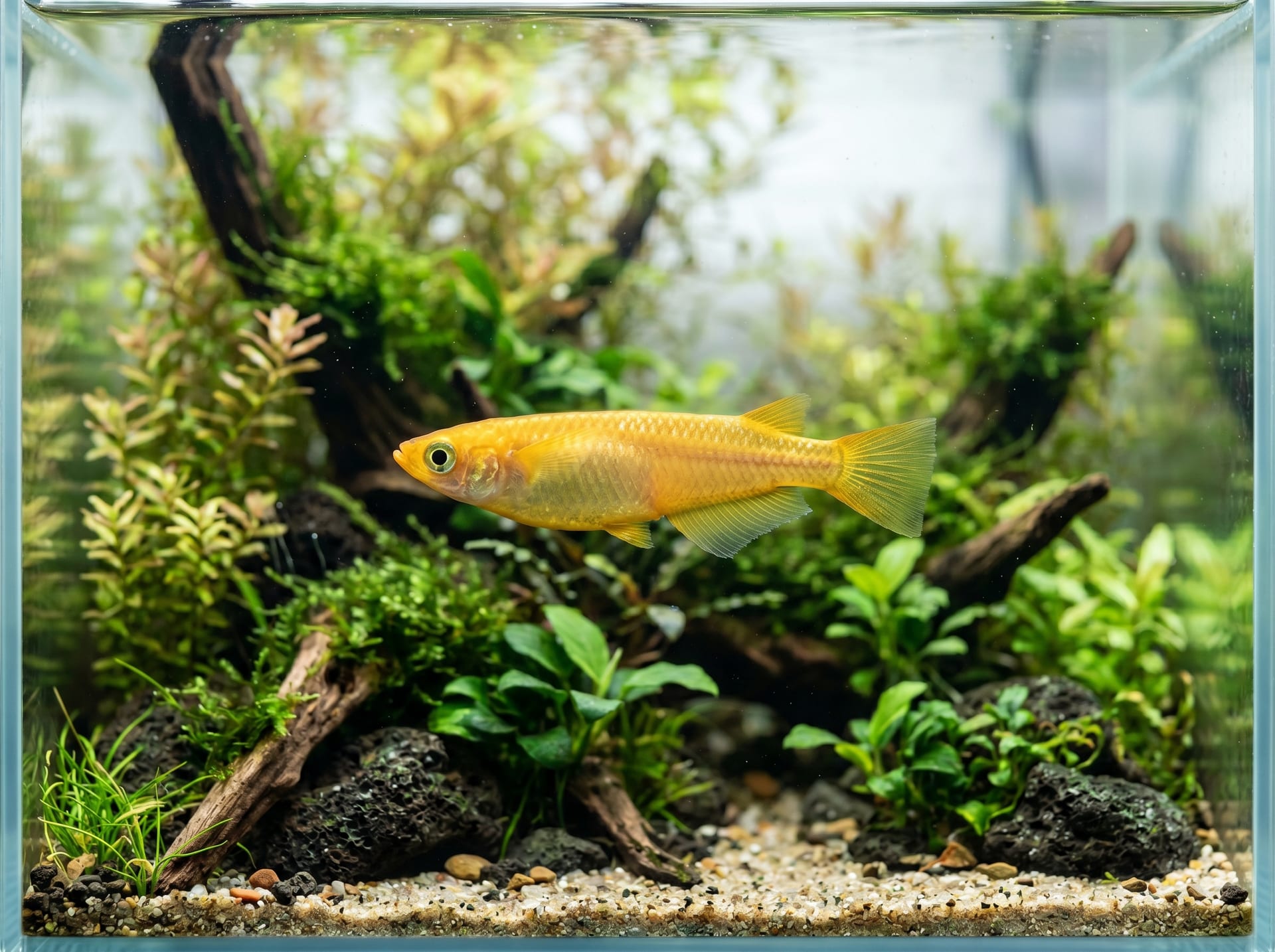
Himedaka (緋メダカ) is one of the oldest improved medaka, enjoyed as an ornamental fish since the Edo period. Its friendly orange-tinged yellow body derives from a mutation lacking black pigment. Extremely hardy and very easy to keep and breed, it is ideal as an introductory species for biotopes and outdoor keeping. Standard body type, roughly 3–4 cm. Peaceful and community-compatible with similar-sized gentle varieties, it is widely recommended as a beginner's first medaka. Having served as the foundation for many improved varieties, it is a true classic of medaka keeping.
Lifespan of the Himedaka
The Himedaka lives 2-3 years.
Size of the Himedaka
The Himedaka grows to 3-4cm.
Temperature & humidity for the Himedaka
The ideal temperature for the Himedaka is 18〜28℃.
It adapts across a wide 5–35°C range (optimal 18–28°C) in neutral to slightly alkaline water, and is robust enough to overwinter in outdoor medaka bowls.
Basic Info
Origin
Japan (selectively bred variety)
Lifespan
2-3 years
Size
3-4cm
Temperature
5〜35℃
Care Specifications
- pH
- 7–8
- Hardness (GH)
- 9–19 dGH
- Water Temp.
- 18–28℃
PeacefulGroupBreeding: Easy
Sources: FishBase: Oryzias latipes / Seriously Fish: Oryzias latipes
Morphs (Varieties)
Selectively bred killifish are trait combinations of body form × body color × pattern × luminescence (internal/external) × scale types (transparent scales) × sparkle × fin morphology and so forth. Published entries include only confirmed traits constituting the given variety, with genetic inheritance patterns provided only for confirmed traits (uncertain cases omitted). Genetic patterns are provided as reference for breeding.
RecessiveVisual only with two copies; one copy = het (carrier).
Orange-red (hi) body
Sources: JMA Japan Medaka Association — Improved Medaka Variety Classification Manual (JA) / Improved Medaka Web Encyclopedia (medakazukan, JA)
A curated selection of notable morphs. Inheritance modes are a breeding-planning guide; actual appearance varies with combos.
References & Sources
Edited & verified by: BreederDirect editorial team
The taxonomic, regulatory, and husbandry data on this page are compiled and verified against the authoritative primary sources below.
Taxonomy & Authority
Accepted name: (Temminck & Schlegel, 1846)
Synonyms: Aplocheilus latipes (Temminck & Schlegel, 1846), Poecilia latipes Temminck & Schlegel, 1846, Oryzias latipes latipes (Temminck & Schlegel, 1846)
Authority databases: FishBase · GBIF · Japan Medaka Association — Variety Classification Manual (JA)
Nomenclature follows global taxonomic authority databases.
Himedaka Listings
Loading latest listingsFind listings for this species