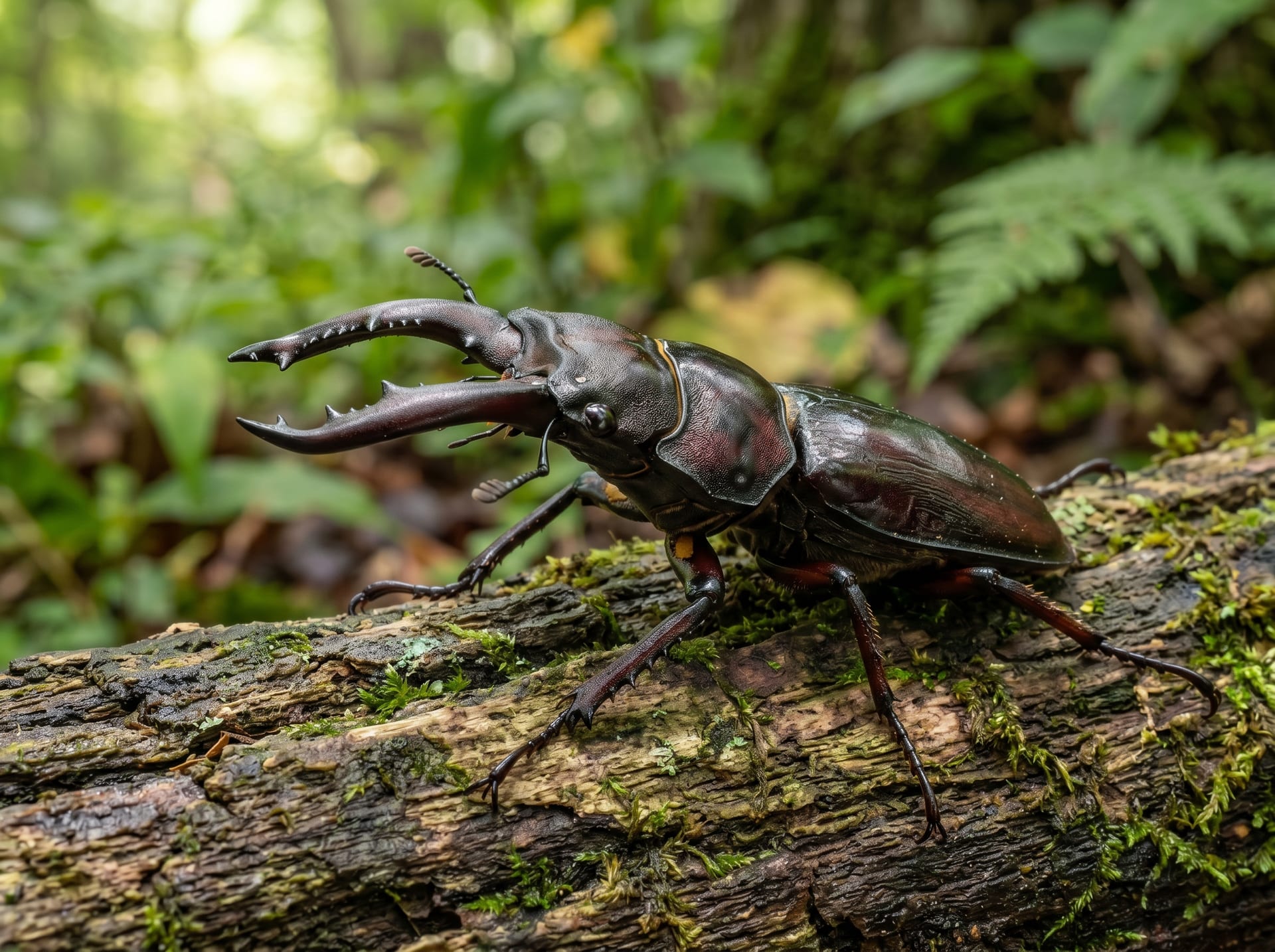
Hirata Stag Beetle
The Hirata stag beetle is one of Japan's most iconic stag beetles, recognized by its flat body and thick, powerful mandibles. Males are known for their strong fighting instinct, making territorial battles exciting to observe. With proper setup, even beginners can enjoy keeping this species for many years.
View Hirata Stag Beetle encyclopedia →0% commission on your first sales!Register by September 30, 2026 and your first 2 sales are commission-free!
Breeder Wanted!
List on BreederDirect and sell directly to customers nationwide!
6 Transparency Standards You Can Trust
When listing Insects, Breeders disclose the following. We guarantee transparency on growth stage and breeding unit.
- Life Stage Clarity
- Generation Info
- Real Photos
- Breeding Unit
- Country of Origin
- Body Length (mm)
Browse all 26 breeds
No listings match your filters
Adjust your filters, or get notified when new listings arrive.
Getting alerts is free with a member account. When new listings match your saved search, we'll notify you by email and in-app.
Browse other categories
Verified breeders (preview)
About Hirata Stag Beetle
The Hirata stag beetle (Dorcus titanus) is a large stag beetle found widely across Japan, from lowland forests to mountain slopes. Its most distinctive feature is its notably flat body, paired with thick, well-developed mandibles that can exceed 80mm in large males. In nature, this species depends on decaying hardwood, with larvae feeding inside logs of oak and other broadleaf trees. Males are territorial and aggressive, and their dramatic fights have captivated insect enthusiasts for generations. In captivity, Hirata stag beetles are hardy and long-lived — typically two to three years — as long as temperature and humidity are properly managed. Breeding is relatively straightforward: a well-prepared egg-laying setup gives even beginners a good chance of obtaining larvae. Combining an impressive appearance with rewarding husbandry, this species remains one of the most popular stag beetles among collectors both in Japan and abroad.
Featured breeders for Hirata Stag Beetle
See all Hirata Stag Beetle breeders (1) →7 things to know before welcoming a Hirata Stag Beetle
1Powerful Pinching Mandibles
Male Hirata stag beetles have exceptionally strong mandibles and can cause painful pinches if handled bare-handed. Always use gloves or pick them up gently from the back side to avoid injury. Until you are comfortable handling them, minimize direct contact as much as possible.
2Avoid Heat and Dryness
Hirata stag beetles are sensitive to temperatures above 28°C, so managing room temperature in summer is essential. Mist the substrate regularly to maintain adequate moisture inside the enclosure. Make humidity checks a daily habit, as overly dry conditions can quickly affect their health.
3Never House Males Together
Placing two males together will trigger intense fighting that can result in lost legs or damaged mandibles. Always house males individually, regardless of enclosure size. Even when keeping a breeding pair, separate the male after mating to protect the female from aggression.
4Breeding Needs Logs and Moist Substrate
Female Hirata stag beetles lay eggs in decaying logs and substrate. For breeding, use a combination of moistened egg-laying logs and fermented substrate for best results. Avoid disturbing the enclosure during the egg-laying period and keep it in a quiet location to improve success rates.
5Larvae Grow Larger in Fungal Bottles
Raising larvae in fungal bottles — particularly those using Pleurotus or Kawara fungi — is considered more effective than fermented substrate for producing large adults. Check the bottles regularly and replace them when they deteriorate. The larval period lasts roughly one to two years; consistent temperature control is key to maximizing size.
6Adults Live Two to Three Years
Adult Hirata stag beetles can live two to three years under proper conditions, making them relatively long-lived among stag beetles. They can overwinter naturally, becoming inactive and burrowing into the substrate as temperatures drop. During winter, avoid sudden temperature swings and add extra substrate for insulation.
7Know the Initial Setup Costs
Basic supplies for a starter setup — a plastic enclosure, insect substrate, beetle jelly, and a piece of wood for climbing support — typically cost around 3,000 to 5,000 yen. If you plan to breed or raise large specimens, additional costs for egg-laying logs and fungal bottles will apply. Starting with a single adult for observation and progressing to breeding as you gain experience is a sensible approach.
Frequently asked questions about Hirata Stag Beetle
- Q.Can beginners keep Hirata stag beetles?
- A.Yes, Hirata stag beetles are manageable for beginners with the right setup. As long as you maintain proper temperature and humidity and house males individually, they are unlikely to cause major problems.
- Q.Is it safe to keep a male and female together?
- A.Short-term cohabitation for mating is acceptable, but long-term housing together risks the male injuring the female. Once mating has been observed, move the male to a separate enclosure promptly.
- Q.How should I manage temperature in winter?
- A.Hirata stag beetles enter a resting state and overwinter naturally. Indoor room temperature of around 10–15°C is sufficient without additional heating; simply add extra substrate for insulation. The key is to avoid sudden temperature fluctuations.
- Q.What should I feed them?
- A.Commercial insect jelly — high-protein varieties are recommended — works well as a staple diet. Fruits such as banana or apple are also enjoyed, but they spoil quickly and must be replaced frequently. Make it a habit to check the food daily to prevent shortages.
- Q.What environment is needed for egg-laying?
- A.Prepare a breeding setup using moistened egg-laying logs combined with fermented substrate. Keep the enclosure at 20–25°C and leave it undisturbed for one to two months after setup. Removing the bark from the log can make it easier for the female to deposit eggs.
Useful tools for Hirata Stag Beetle care
Learn more about Hirata Stag Beetle in the encyclopedia
View Hirata Stag Beetle encyclopedia entry →
Care difficulty, lifespan, size and diet — all basics covered.
More in this category
Can't find the one you're looking for?
Post your wishes for free and breeders with matching animals will contact you with introductions.