Source: Wikimedia Commons
Southern Three-banded Armadillo
AdvancedTolypeutes matacus
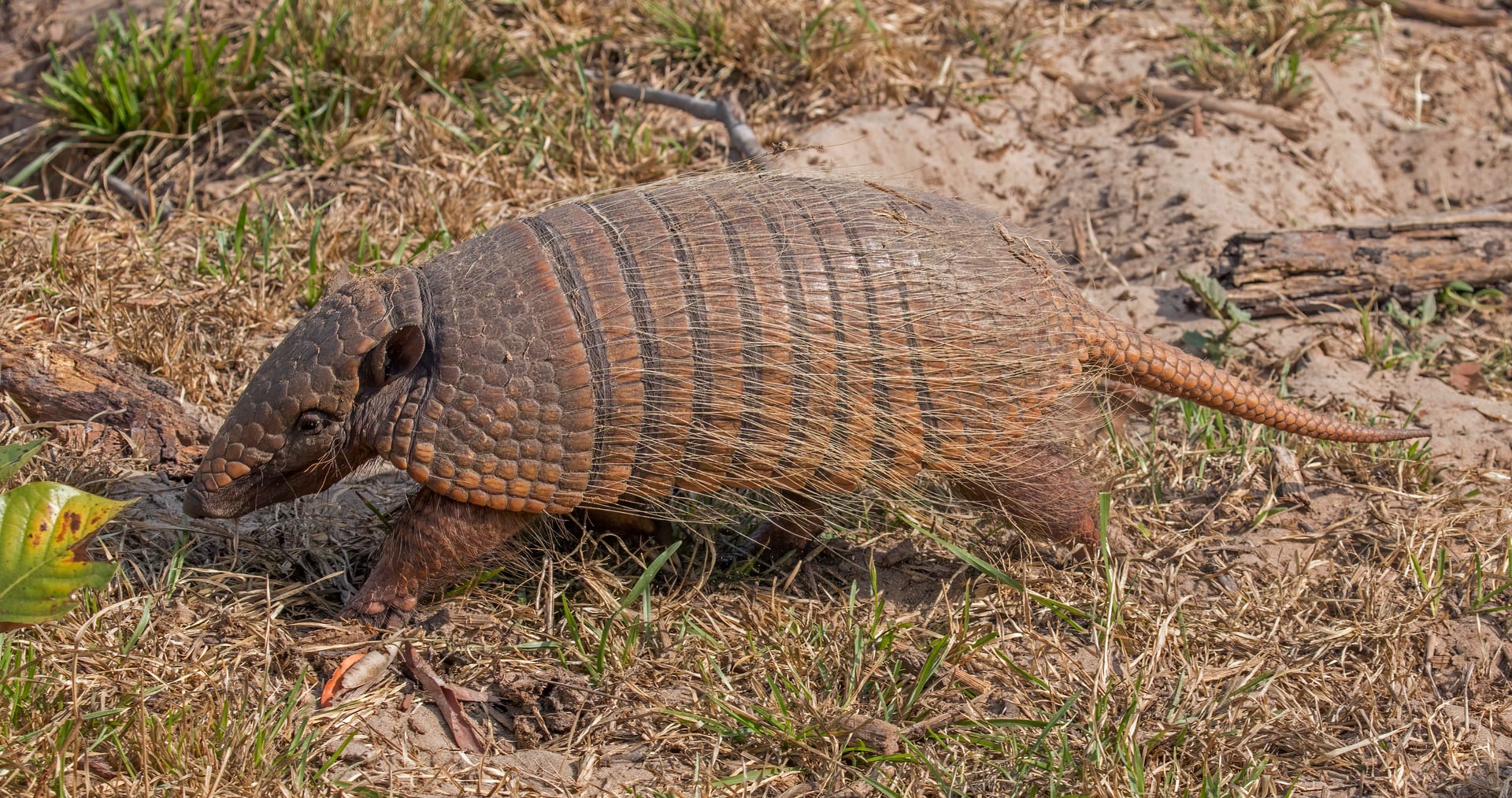
One of the few armadillos that can close up into a complete ball. It has three movable bands, weighs about 1.5kg, eats mainly ants and termites, and does not dig its own burrow.
Difficulty
Advanced
Temperature
18〜26℃ (typical for Small Animal)
Lifespan
Captive record of 36 years
Size
About 30cm long (tail about 6.4cm); 1.4–1.6kg
Humidity
40〜60%
Diet
Insectivore: mainly ants and termites (fruit and vegetables in captivity)
About
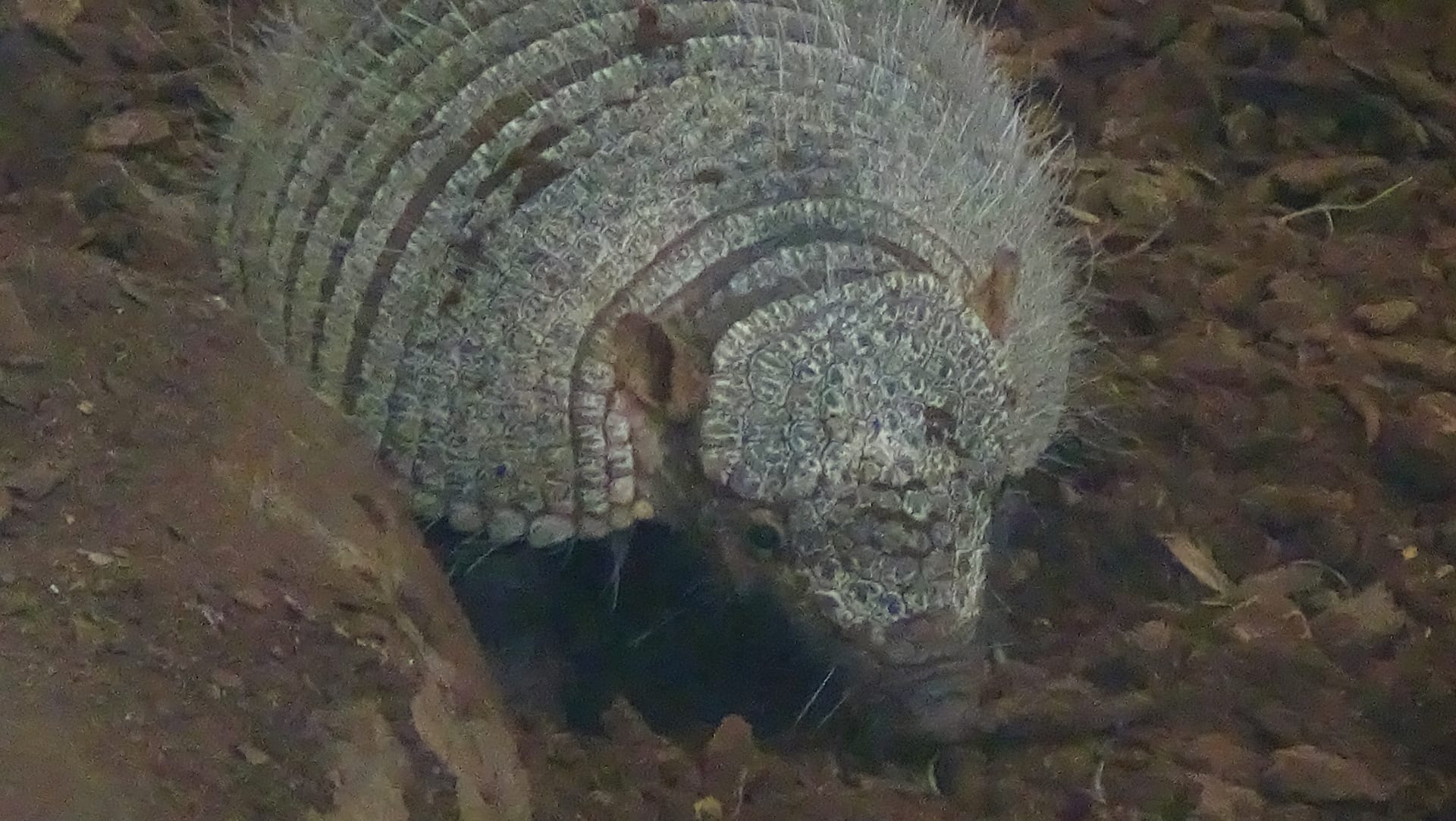
The southern three-banded armadillo (Tolypeutes matacus) is a small armadillo of the family Chlamyphoridae. It lives in north-central Argentina, eastern Bolivia and parts of Brazil and Paraguay, in grassland and marsh near dry forest or savanna. Its thick, leathery dark-brown shell is usually divided into three bands and covers the head, tail and feet; the tail is stout and rigid. The middle three toes of the hind feet are fused with a thick claw, and the forefeet have four claws. Its signature trait is rolling up: it can close its shell completely into a ball, and when it snaps shut the last small gap it can trap the paw or finger of an attacker. It is usually solitary but may group in cold weather. It does not dig its own burrow, using old anteater burrows or dense vegetation. It eats mainly ants and termites, and in captivity also takes fruit and vegetables. One captive animal lived 36 years. It is Near Threatened on the IUCN Red List, threatened by conversion of its Chaco habitat to farmland, hunting and the pet trade. It is in a different genus from the six-banded armadillo already kept in Japan, where captive-bred animals appear only occasionally at specialists.
Source: Wikipedia (CC BY-SA 4.0)
Lifespan of the Southern Three-banded Armadillo
The Southern Three-banded Armadillo lives Captive record of 36 years.
Size of the Southern Three-banded Armadillo
The Southern Three-banded Armadillo grows to About 30cm long (tail about 6.4cm); 1.4–1.6kg.
It is about 30cm long with a 6.4cm tail and weighs 1.4–1.6kg.
Basic Info
Origin
South America: north-central Argentina, eastern Bolivia and parts of Brazil and Paraguay
References & Sources
Edited & verified by: BreederDirect editorial team
The taxonomic, regulatory, and husbandry data on this page are compiled and verified against the authoritative primary sources below.
Taxonomy & Authority
Accepted name: Tolypeutes matacus (Desmarest, 1804)
Authority databases: GBIF · GBIF: Tolypeutes matacus
Nomenclature follows global taxonomic authority databases.
Regulations & Conservation Status
Not CITES-listedIUCN NT · Near Threatened
Not covered by CITES, the Invasive Alien Species Act or the specified-animal rules. It is Near Threatened on the IUCN Red List. Imports fall under Japan's animal import notification system (Infectious Diseases Control Law, MHLW): a health certificate from the exporting country's government must be filed with the quarantine station. Animals bred in Japan can be sold and kept without notification. Never release captive animals into the wild.
Sources: MHLW: Animal import notification system (JA) / Species+ CITES query (not listed) / Ministry of the Environment: Specified (dangerous) animals list (JA)
Regulations may change. Always verify the latest information with the relevant authorities.
Southern Three-banded Armadillo Listings
Loading latest listingsFind listings for this species