Watonai Goldfish Care Guide | Complete Guide to Raising This Historic Three-Tailed Wakin Variety
Watonai is a uniquely Japanese goldfish variety born from crossbreeding Wakin and Ryukin, characterized by flowing three-lobed or four-lobed fins and a hardy body type. A complete guide covering tank environment, setup, feeding, and disease management for properly raising this historic breed.
Key Takeaways
Watonai is a uniquely Japanese goldfish variety born from crossbreeding Wakin and Ryukin, characterized by flowing three-lobed or four-lobed fins and a hardy body type. A complete guide covering tank environment, setup, feeding, and disease management for properly raising this historic breed.
Related Species

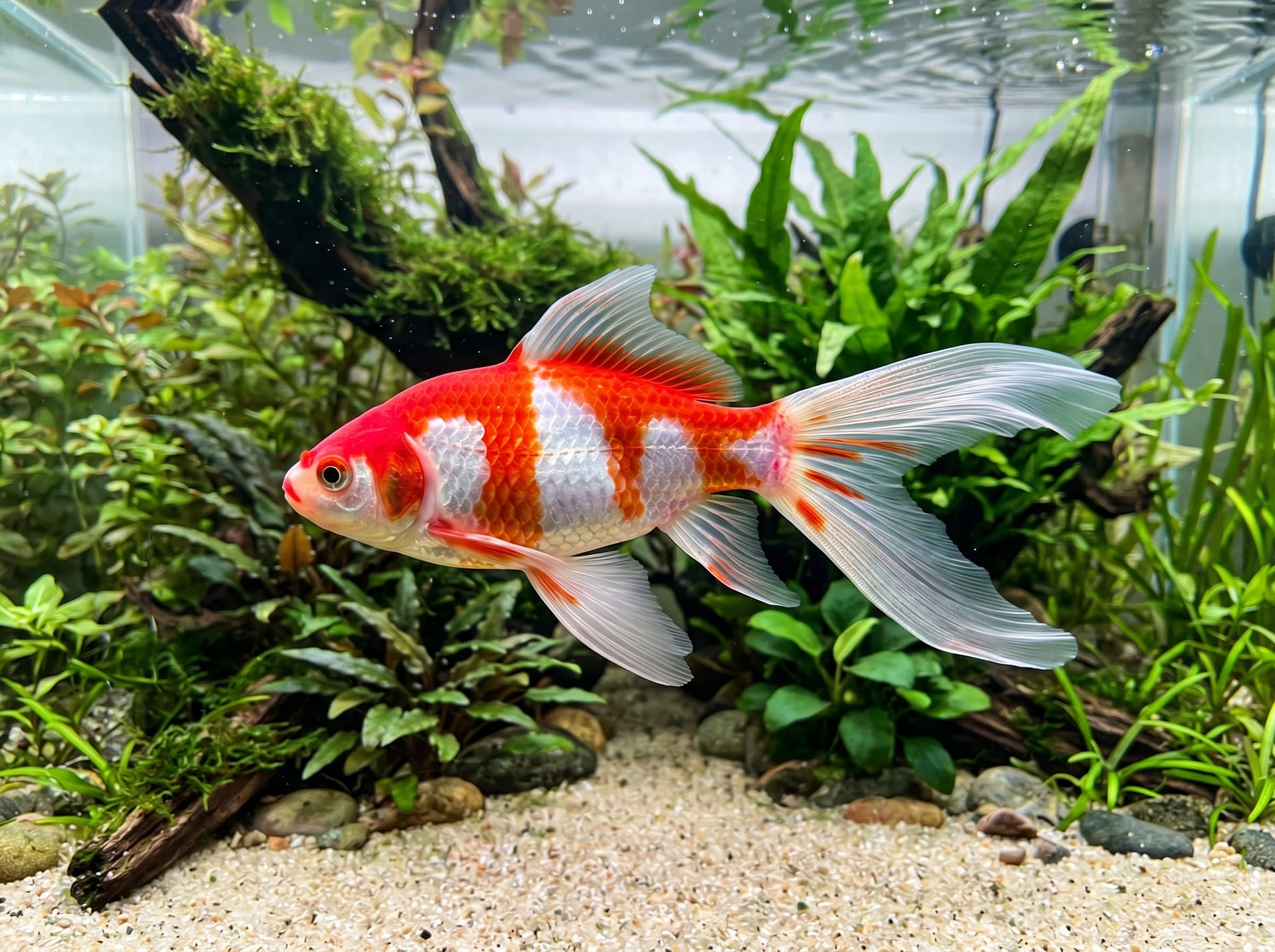
What Kind of Goldfish is Watonai?
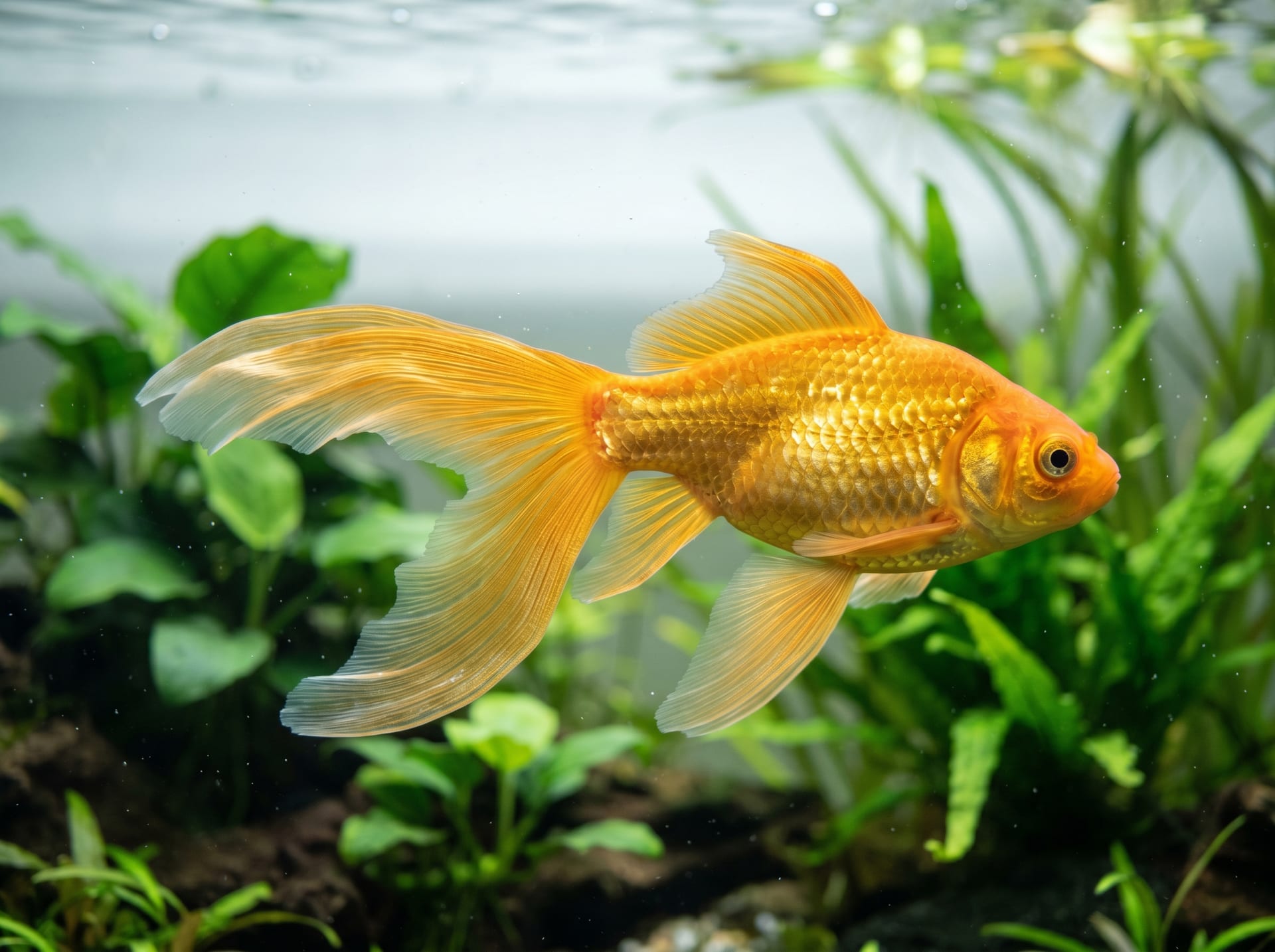
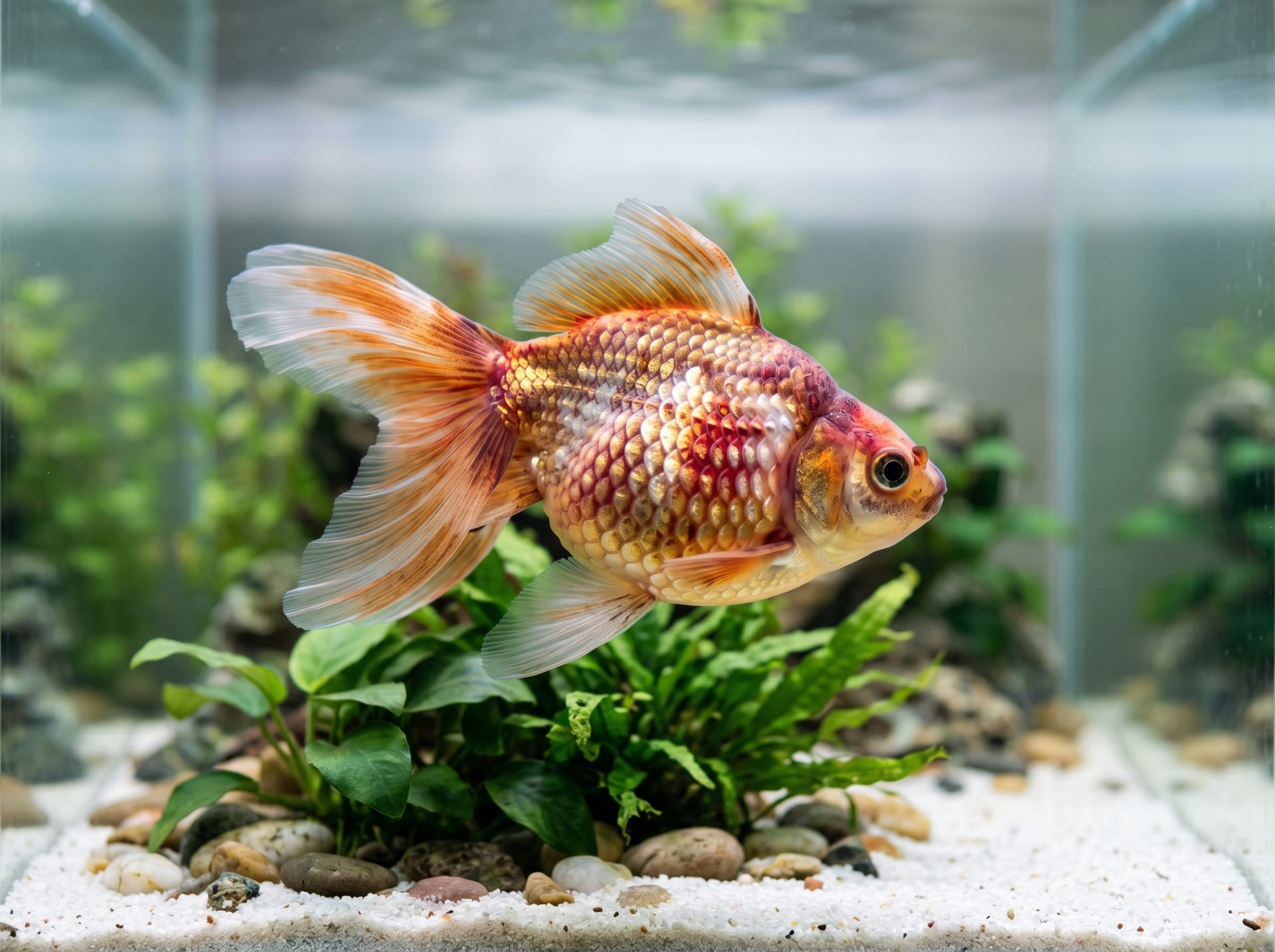
Watonai (Watonai, Carassius auratus var. watonai) is a Wakin-type goldfish variety born from crossbreeding Wakin and Ryukin. The name is said to derive from "Watonai," the protagonist of the Edo-period puppet theater play "The Battles of Coxinga."
The body shape is similar to the Wakin form (streamlined), but the tail fin inherits Ryukin characteristics with three-lobed (sanbi) or four-lobed (yonbi) long tails. Overall, it possesses an intermediate charm—"more elegant than Wakin, more active than Ryukin."
Basic Information
| Item | Content |
|---|---|
| Breed Classification | Wakin-type (Funa body type, long tail) |
| Tail Shape | Three-lobed/Four-lobed (long tail type) |
| Body Length | 20–35 cm (depending on environment) |
| Lifespan | 10–15 years (with proper care) |
| Difficulty Level | Beginner to intermediate |
| Swimming Speed | Same as Wakin (active) |
Comparison with Wakin and Ryukin
| Comparison Item | Watonai | Wakin | Ryukin |
|---|---|---|---|
| Body Shape | Streamlined (slightly shorter) | Streamlined (elongated) | Spherical/round |
| Tail | Three/four-lobed (long) | Two or three-lobed | Three/four-lobed (fluttery) |
| Swimming Style | Active, medium speed | Very active | Slow, graceful |
| Hardiness | Very hardy | Very hardy | Relatively hardy |
| Tank Mate Compatibility | Compatible with Wakin/Comet | Compatible with Wakin/Comet | Safest with same type |
Appropriate Rearing Environment
Tank Size
Watonai is a medium-sized goldfish that grows to 20–35 cm when mature. Long-term care requires adequate space.
| Number of Fish | Recommended Tank | External Filter |
|---|---|---|
| 1–2 fish | 60 cm tank (57L or more) | External or top filter |
| 3–4 fish | 90 cm tank (140L or more) | Powerful top filter + sub-filter |
| Outdoor | Trough/lily pad basin (60–100L or more) | Not needed (natural filtration) |
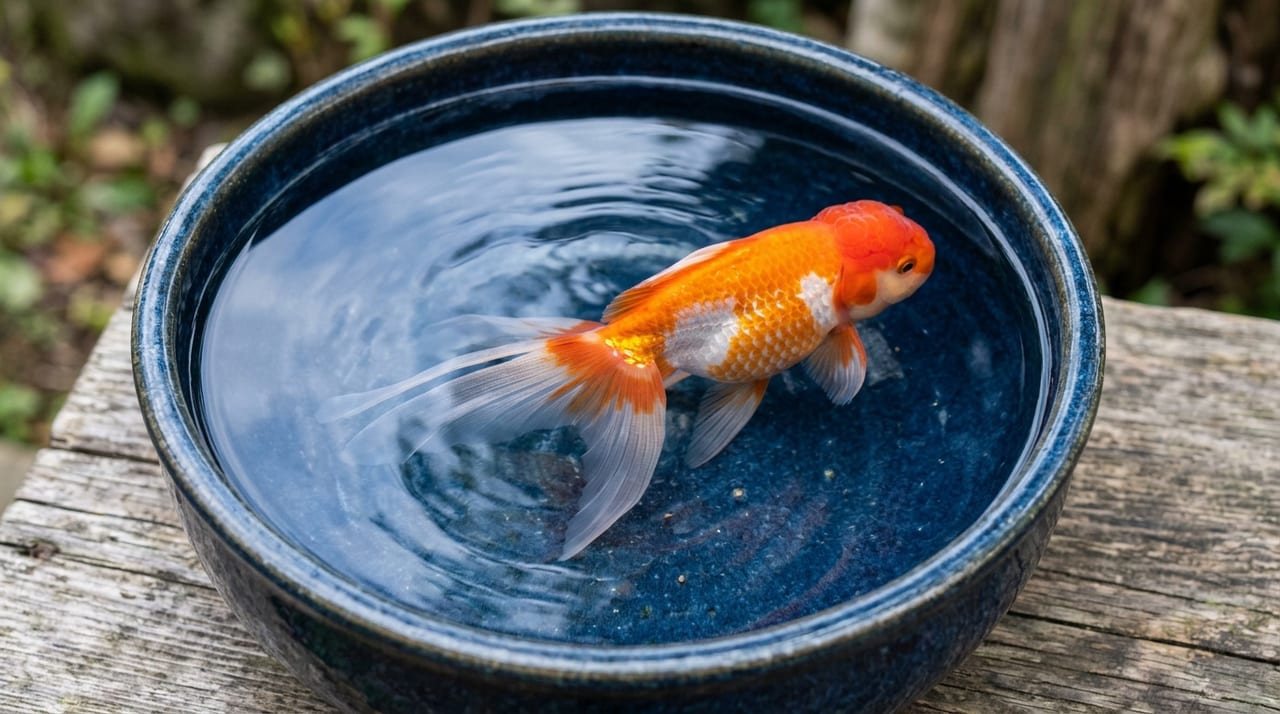
Trough and Outdoor Rearing: Watonai's hardy body type makes it well-suited to outdoor rearing (troughs, lily pad basins). Green water (greenwater) cultivation enhances body color and form development.
Water Quality Parameters
| Parameter | Ideal Range |
|---|---|
| Water Temperature | 10–28°C (optimal 18–24°C) |
| pH | 6.8–8.0 |
| Ammonia/Nitrite | 0 |
| Nitrate (NO₃⁻) | 40 ppm or less |
| Hardness | 5–20 dGH (soft to moderately hard water) |
Temperature Flexibility: Watonai inherits the hardiness of Wakin-type goldfish and can adapt to a wide temperature range of 10–28°C. However, rapid temperature changes (5°C or more in one day) can cause white spot disease and stress.
Filtration and Water Quality Management
Goldfish are voracious eaters with high waste output, making powerful filtration essential.
Recommended Filter Combinations
- 60 cm tank: External filter (Eheim 2213 or higher)
- 90 cm tank: Top filter + external filter combination
- Outdoor trough: Natural filtration via aquatic plants and algae + aeration
Water Change Frequency
| Environment | Frequency | Volume |
|---|---|---|
| Indoor tank (60 cm) | 1–2 times per week | 30–50% |
| Indoor tank (90 cm) | Once per week | 20–30% |
| Outdoor trough | 1–2 times per month | 20–30% |
In greenwater cultivation, water change frequency can be reduced, but if the green water becomes too concentrated, it can cause oxygen depletion; thin it out regularly.
Feeding and Food
Watonai is an active swimmer with a hearty appetite, but proper feeding management is important to prevent digestive issues.
Recommended Foods
| Food Type | Characteristics | Feeding Tips |
|---|---|---|
| Sinking pellets | Good digestion | Use as staple food |
| Floating pellets | Easy to monitor | Easy to control portions |
| Frozen bloodworms/daphnia | High palatability | 2–3 times per week as treats |
| Dried shrimp/krill | Enhances color | 1–2 times per week |
Feeding Amount: Feed an amount that will be consumed in 2–3 minutes, 2–3 times daily. During winter (water temperature 10–15°C), reduce feeding to once daily or less; below 10°C, stop feeding entirely.
Preventing Digestive Issues: Swim bladder disorder (bloating/buoyancy disorder) can result from overeating floating pellets or ingesting air. Use sinking food and check water temperature before feeding as a habit.
Tank Mates
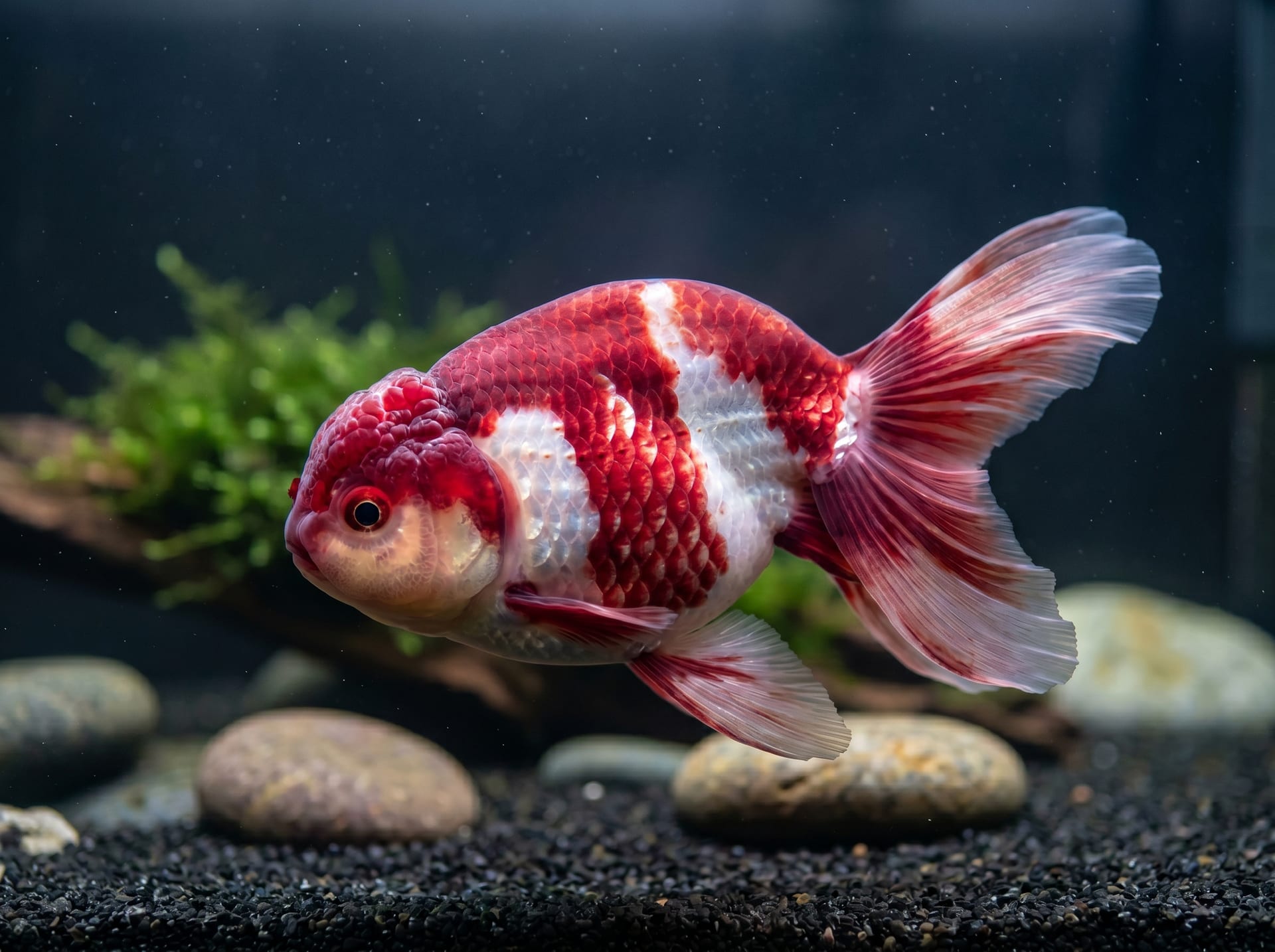
Watonai's active swimming behavior makes it incompatible with slower, round-bodied goldfish varieties (Ranchu, Ryukin, Bubble-eye).
Compatible Tank Mates
- Wakin and Comet (equally active swimmers)
- Crucian carp (can also be mixed)
- Loaches (useful for substrate cleaning)
Incompatible Tank Mates
- Ranchu, Ping Pong Pearl (food-stealing risk)
- Bubble-eye and Demekin (eye injury risk)
Breeding
Watonai are egg-layers that spawn in spring (when water temperature reaches 18°C or higher).
Inducing Spawning
- Keep water temperature at 10–15°C during winter (dormant-like state)
- Gradually raise temperature in spring (April–May) to 18–22°C
- When males are seen chasing females in the early morning, spawning is imminent
- After spawning, separate parent fish from eggs (parents will eat eggs)
Fry Rearing: After hatching, wait 3–5 days for the yolk sac to be fully absorbed, then feed infusoria and brine shrimp. When fry reach 3–5 cm, transition to finely crushed adult food.
Common Diseases and Prevention
White Spot Disease (Ich): Small white spots appear on the body. Develops during water temperature stress or immune suppression. Raise water temperature to 28–30°C to manage (folk remedies using red chili peppers are also used).
Tail Rot: Tail fins deteriorate into tatters—a bacterial disease. Stress and poor water quality are triggers. Treat with Green F Gold medication bath.
Swim Bladder Disorder: Caused by digestive issues or swim bladder malfunction. Overeating floating pellets and sudden temperature changes are common causes. Prevention involves adjusting diet and stabilizing water temperature.
Dropsy (Pine Cone Disease): Scales stand upright—a serious bacterial disease. Early detection and treatment are critical. Recovery is often difficult, but treatment with Green F Gold or Elbaage medication bath should be attempted.
Outdoor Rearing and Trough Management
Watonai's hardy body type and the cold-tolerance of Wakin-type goldfish make it exceptionally well-suited to outdoor rearing in troughs and lily pad basins.
- Summer: When water temperature exceeds 30°C, use shade nets or bamboo screens to block direct sunlight
- Winter: Can survive winter even if ice forms, as long as the bottom doesn't freeze completely. Continue aeration
- Green Water (Greenwater) Cultivation: Phytoplankton serves as a nutrient source and enhances body color. Water changes can be reduced, but regular water quality checks are necessary
Summary: The Appeal of This Historic Intermediate Variety
Watonai is a well-balanced goldfish variety that combines the hardiness of Wakin with the elegant long tail of Ryukin. Despite being easy to care for, it has limited distribution, so spotting one in a shop may be a rare opportunity.
This variety can be enjoyed in both indoor tanks and outdoor troughs, making it an ideal choice for anyone wanting to expand their goldfish-keeping experience. Watch this breed swim actively with its flowing tail in your own tank and enjoy the beauty it brings.