Source: Wikimedia Commons
Thistle Mantis
AdvancedBlepharopsis mendica
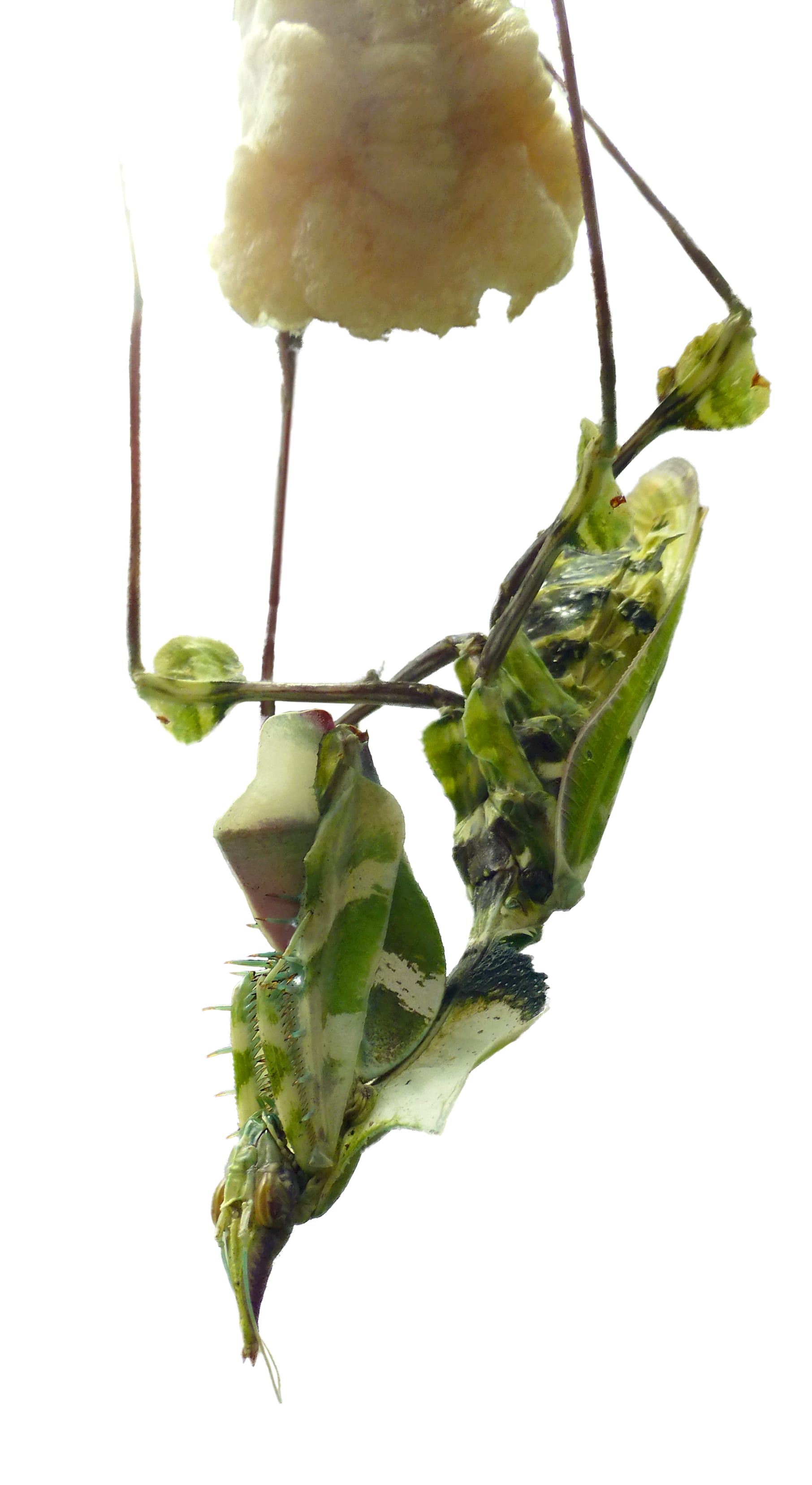
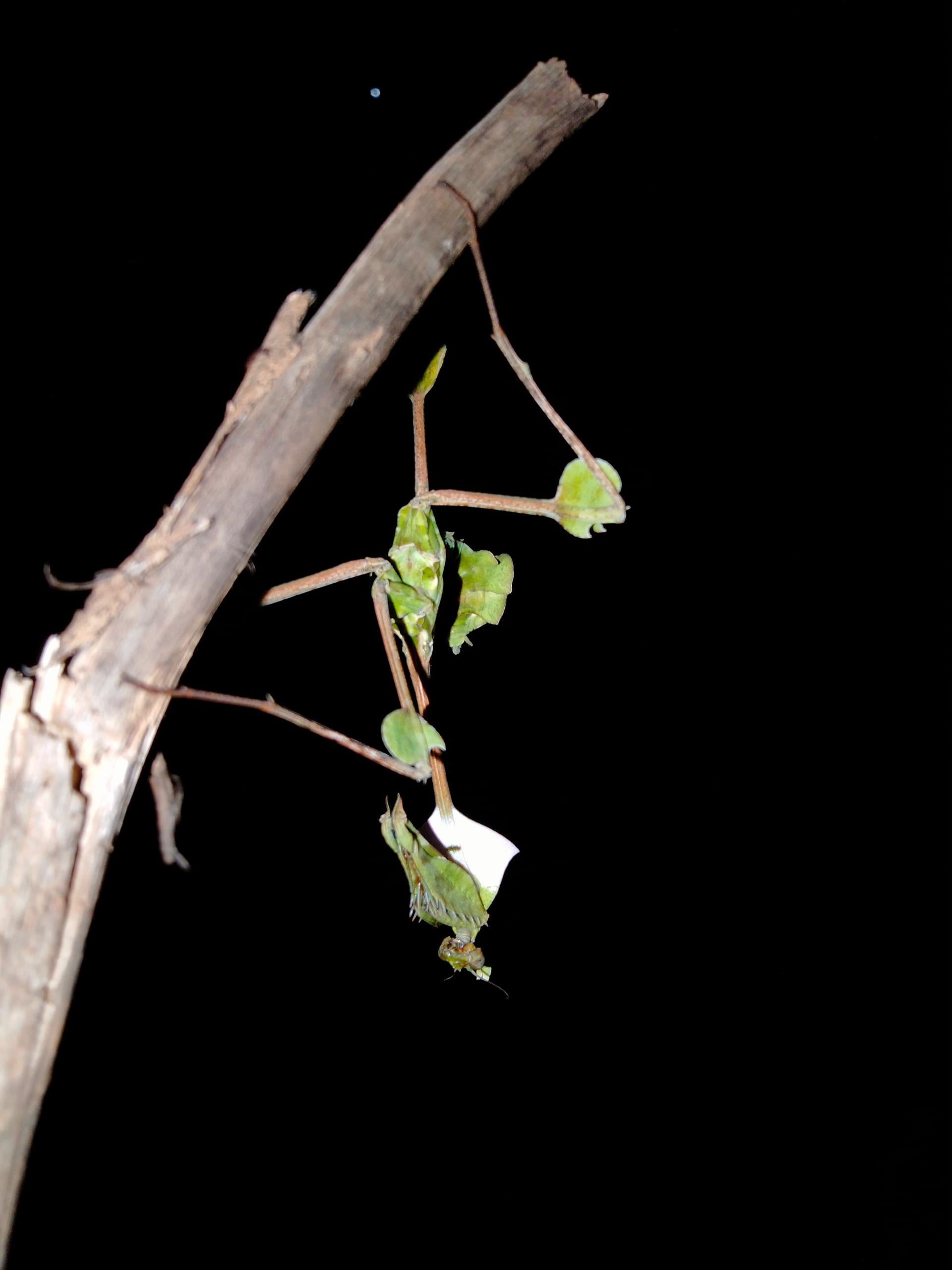
The sole species of its genus, from arid North Africa through the Middle East to South Asia. Cream-coloured with green veining, it flashes orange and blue on the forelegs when threatened. Needs 30-40C, dry air and a diet of flies.
Difficulty
Advanced
Lifespan
Adults 3-6 months
Size
About 5-6cm
Humidity
30〜40%
Diet
Flying insects only such as flies and moths (fruit flies for nymphs)
About
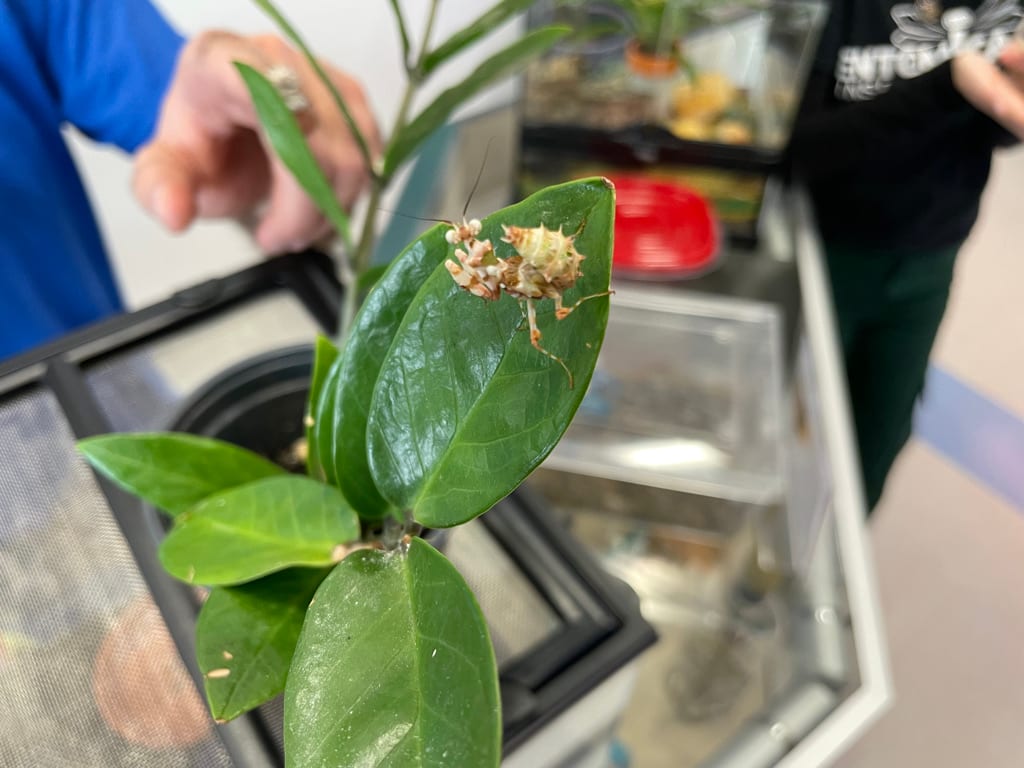
The thistle mantis (Blepharopsis mendica) is a mid-sized empusid ranging from North Africa and the Canary Islands through the eastern Mediterranean and Middle East to Pakistan and India, and the only member of Blepharopsis. It lives in herbaceous growth and spiny bushes, blending into dry scrub and desert vegetation. Adults are cream to pale brown with light green stripes and wing veins and carry a small pointed shield on the back. When threatened it twists head and thorax to show the orange and bluish-white markings inside the forelegs and the hindwing undersides, half-spreading the wings to look larger. Length is 5-6cm with little sexual size difference; males are slimmer with thicker, longer antennae. Two subspecies are recognised, the nominate form and nuda from Ethiopia and Arabia. Its forelegs are built for catching flying insects, and in captivity only flies and moths are offered. It cannot walk on glass or plastic, so provide cork or another rough surface. Cannibalism is uncommon but housing singly from the fourth instar is safest; breeding is fairly hard, and holding the pair at 35-40C for a few days before mating is said to improve fertility.
Source: Wikipedia (CC BY-SA 4.0)
Lifespan of the Thistle Mantis
The Thistle Mantis lives Adults 3-6 months.
Size of the Thistle Mantis
The Thistle Mantis grows to About 5-6cm.
Temperature & humidity for the Thistle Mantis
Keep hot and dry at 30-40C by day (34C ideal) and 30-40% humidity, never below 21C at night; cooler conditions sharply reduce growth and survival.
Basic Info
Care Specifications
PeacefulSolitaryBreeding: Hard
Sources: Keeping Insects - Thistle Mantis / Blepharopsis - Wikipedia (EN)
References & Sources
Edited & verified by: BreederDirect editorial team
The taxonomic, regulatory, and husbandry data on this page are compiled and verified against the authoritative primary sources below.
Taxonomy & Authority
Accepted name: Blepharopsis mendica (Fabricius, 1775)
Authority databases: GBIF
Nomenclature follows global taxonomic authority databases.
Regulations & Conservation Status
Not CITES-listed
Sources: CITES Appendix (checklist.cites.org)
Regulations may change. Always verify the latest information with the relevant authorities.
Thistle Mantis Listings
Loading latest listingsFind listings for this species