Source: Wikimedia Commons
Riokku
AdvancedSia ferox
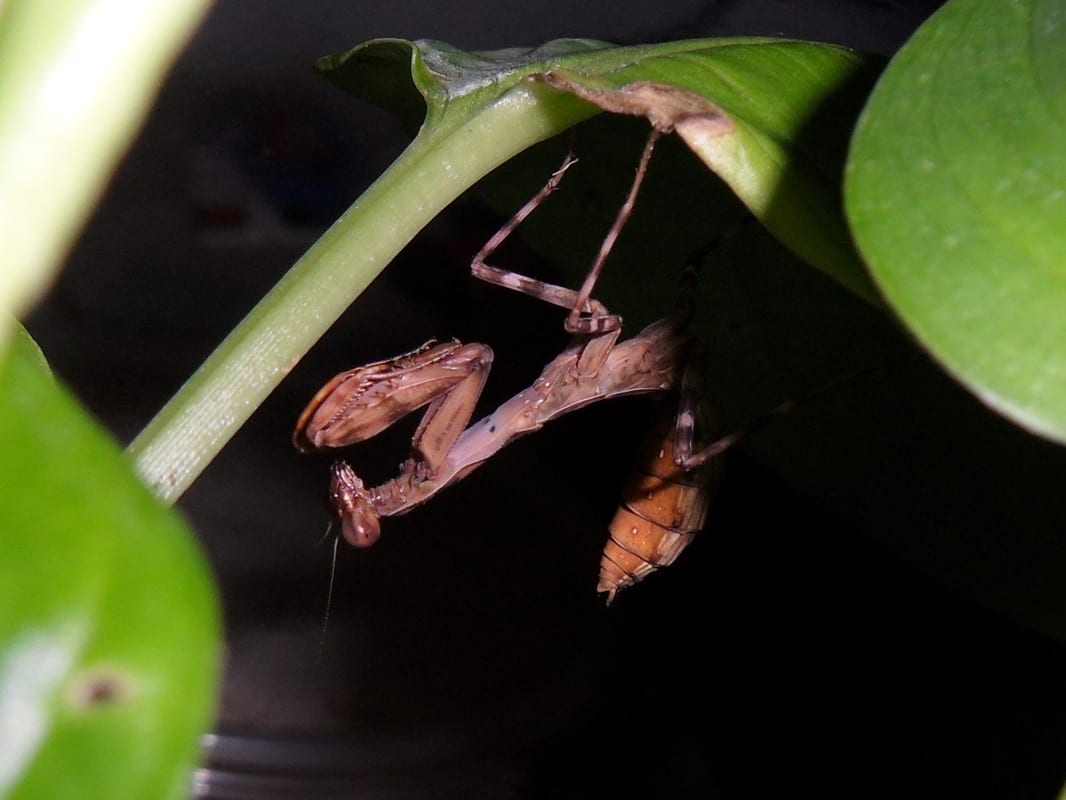
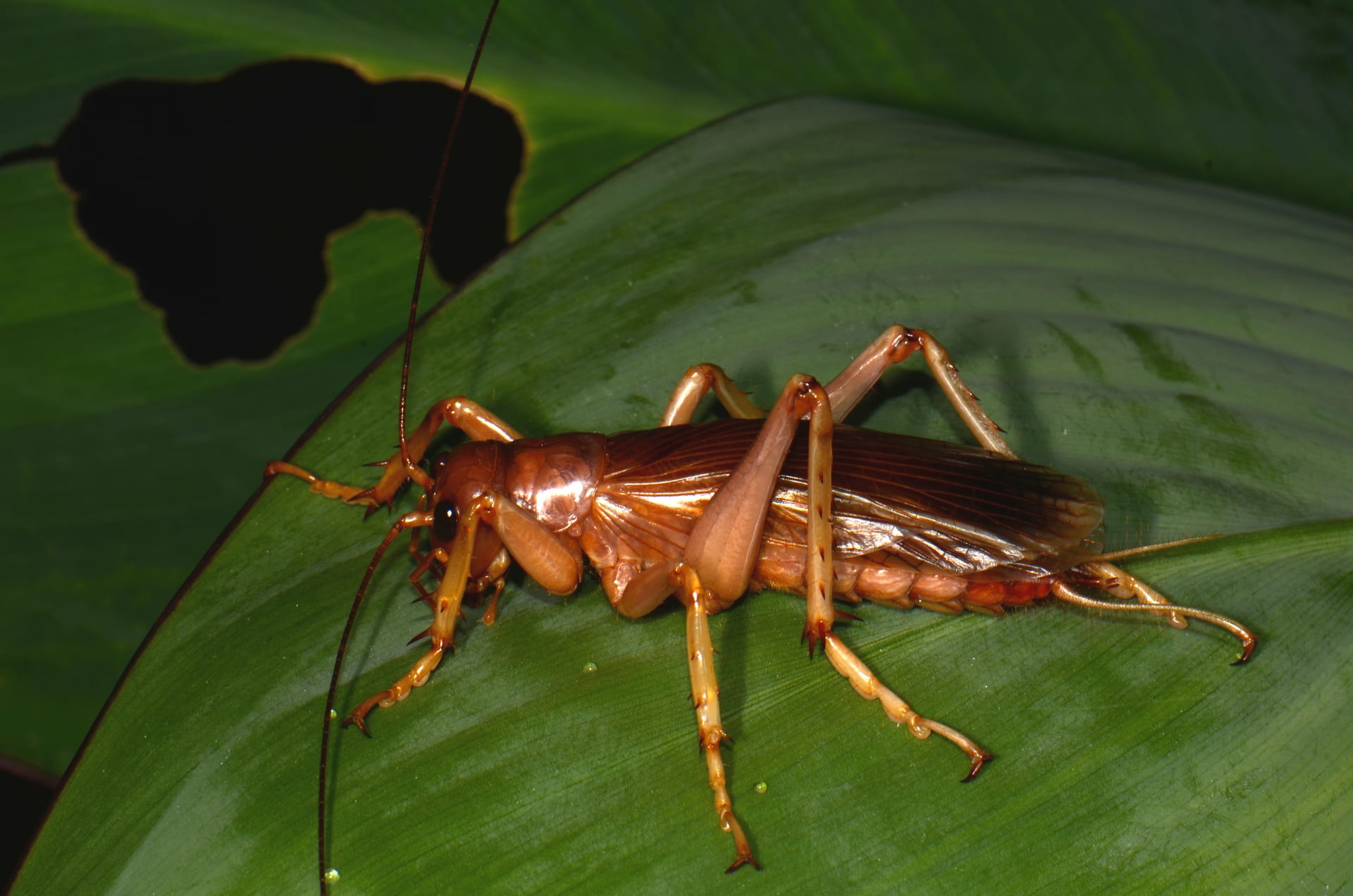
A large 65-80mm orthopteran from the rainforests of Indonesia, also called obake korogisu in Japan. It is a nocturnal predator that tackles insects larger than itself, and its jaws can chew through cardboard.
Difficulty
Advanced
Temperature
20〜28℃
Lifespan
Little data
Size
About 65-80mm (females can approach 10cm)
Humidity
60〜80%
Diet
Carnivorous (spiders, crickets, grasshoppers and other small animals)
About
Sia ferox Giebel, 1861 is a large orthopteran of the family Stenopelmatidae (the Jerusalem cricket family) and genus Sia, and the only member of the family in Indonesia; its relative Sia incisa lives in Malaysia. The common name Riokku comes from a local name, and in Japan it has also been exhibited at a zoo as obake korogisu. It is about 65-80mm long, resembling the Japanese raspy cricket (korogisu) but more elongated, with thick, long legs and a brown body. The female ovipositor is vestigial, and females grow larger and fiercer than males, approaching 10cm. It is a nocturnal predator that hides in a burrow by day and emerges at night, presumably taking spiders, small crickets and grasshoppers from the forest floor, and it will attack insects larger than itself. Its detailed ecology remains unstudied. Its jaws are reported to chew through cardboard boxes, and at Tama Zoo it repeatedly wrecked its exhibit. Fighting-insect videos made it famous in Japan, but few are sold; imports are said to arrive only about once a year.
Source: Wikipedia (CC BY-SA 4.0)
Size of the Riokku
The Riokku grows to About 65-80mm (females can approach 10cm).
Basic Info
Origin
Indonesia
Lifespan
Little data
Size
About 65-80mm (females can approach 10cm)
Temperature
20〜28℃
Humidity
60〜80%
References & Sources
Edited & verified by: BreederDirect editorial team
The taxonomic, regulatory, and husbandry data on this page are compiled and verified against the authoritative primary sources below.
Taxonomy & Authority
Regulations & Conservation Status
Not CITES-listed
It is not designated under the Invasive Alien Species Act (Ministry of the Environment list, September 2026). Anyone bringing live insects from abroad must first check with the Plant Protection Station whether they count as pests. Choose domestically bred stock and never release captive animals.
Sources: Ministry of the Environment: List of invasive alien species (JA) / Plant Protection Station: Importing live insects (JA) / Species+ CITES query (no listing)
Regulations may change. Always verify the latest information with the relevant authorities.
Riokku Listings
Loading latest listingsFind listings for this species