Source: Wikimedia Commons
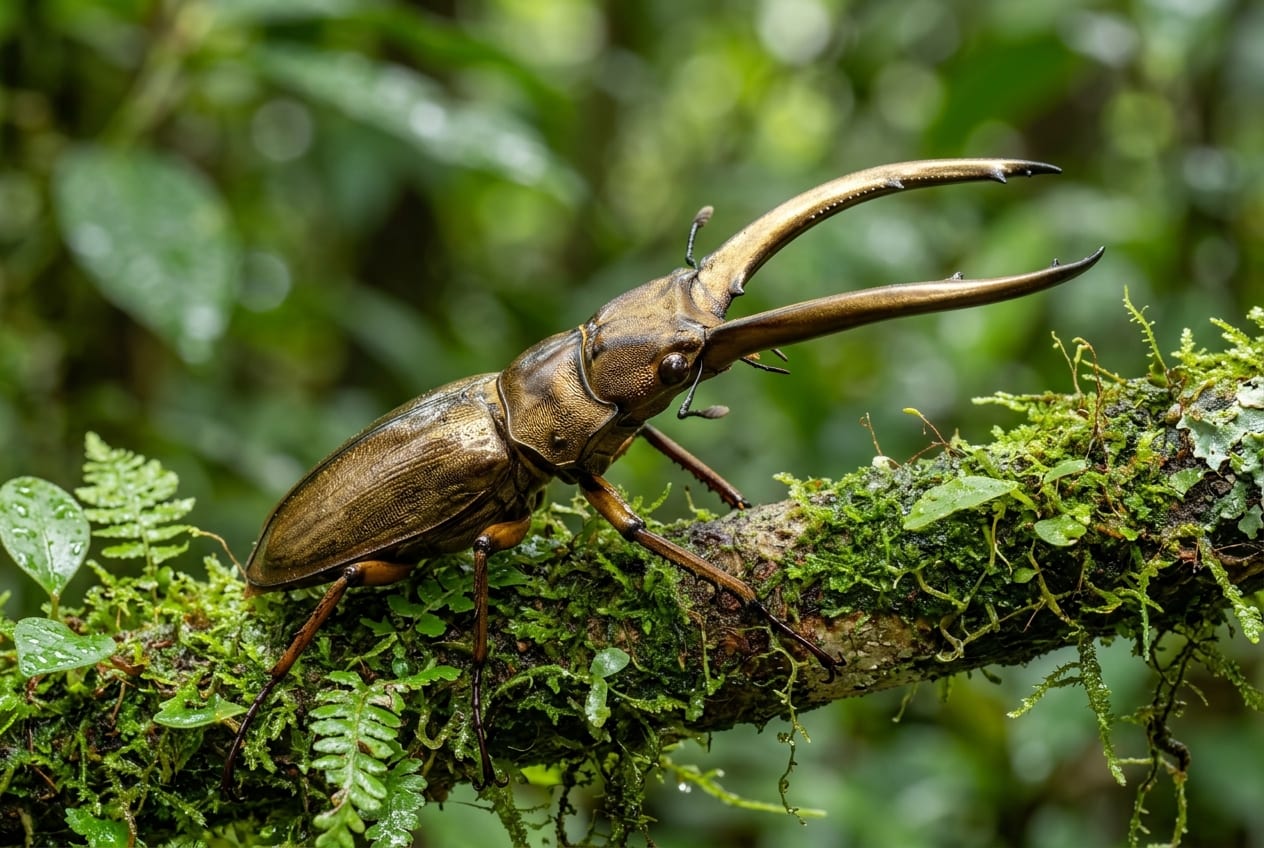
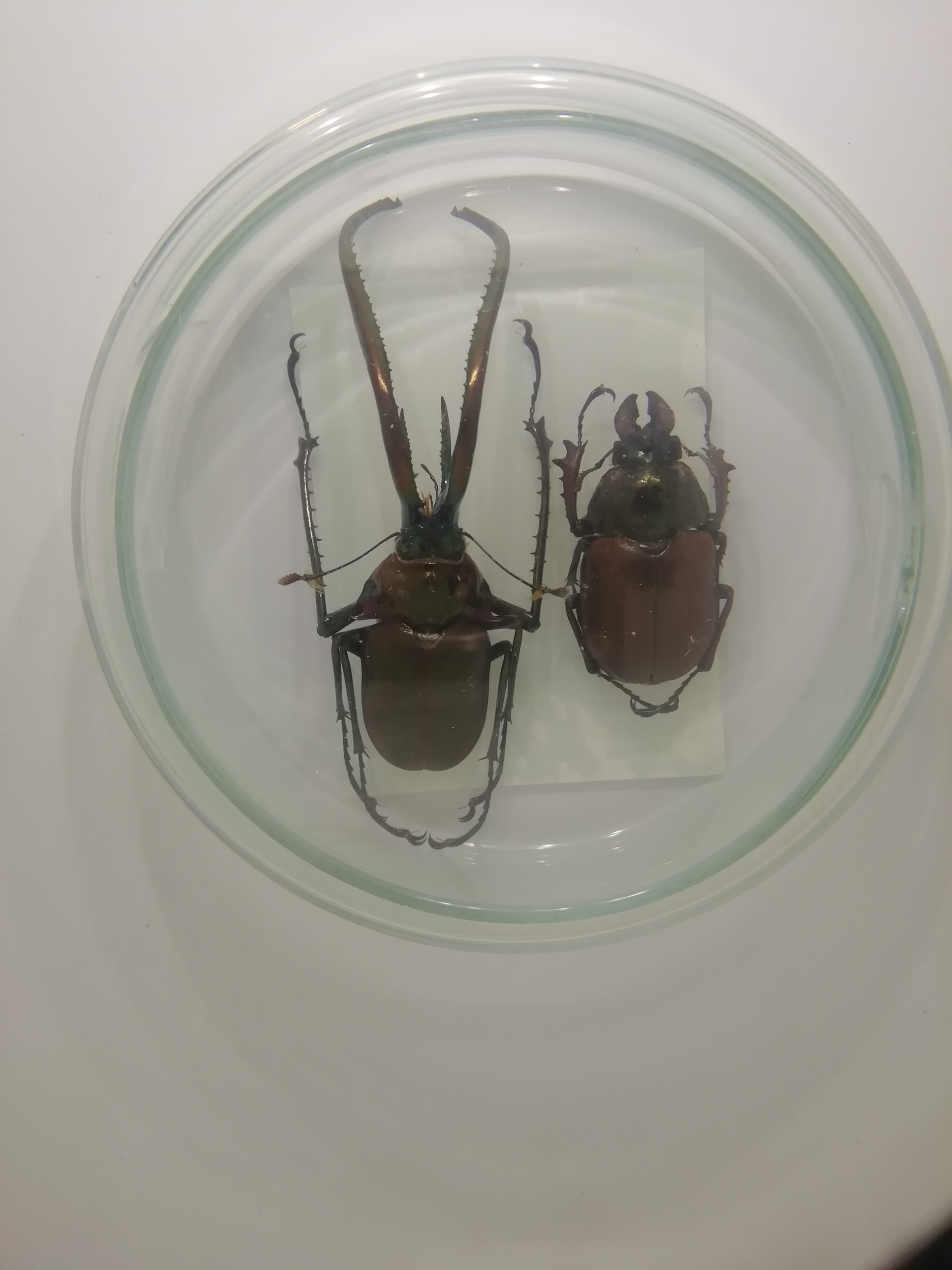
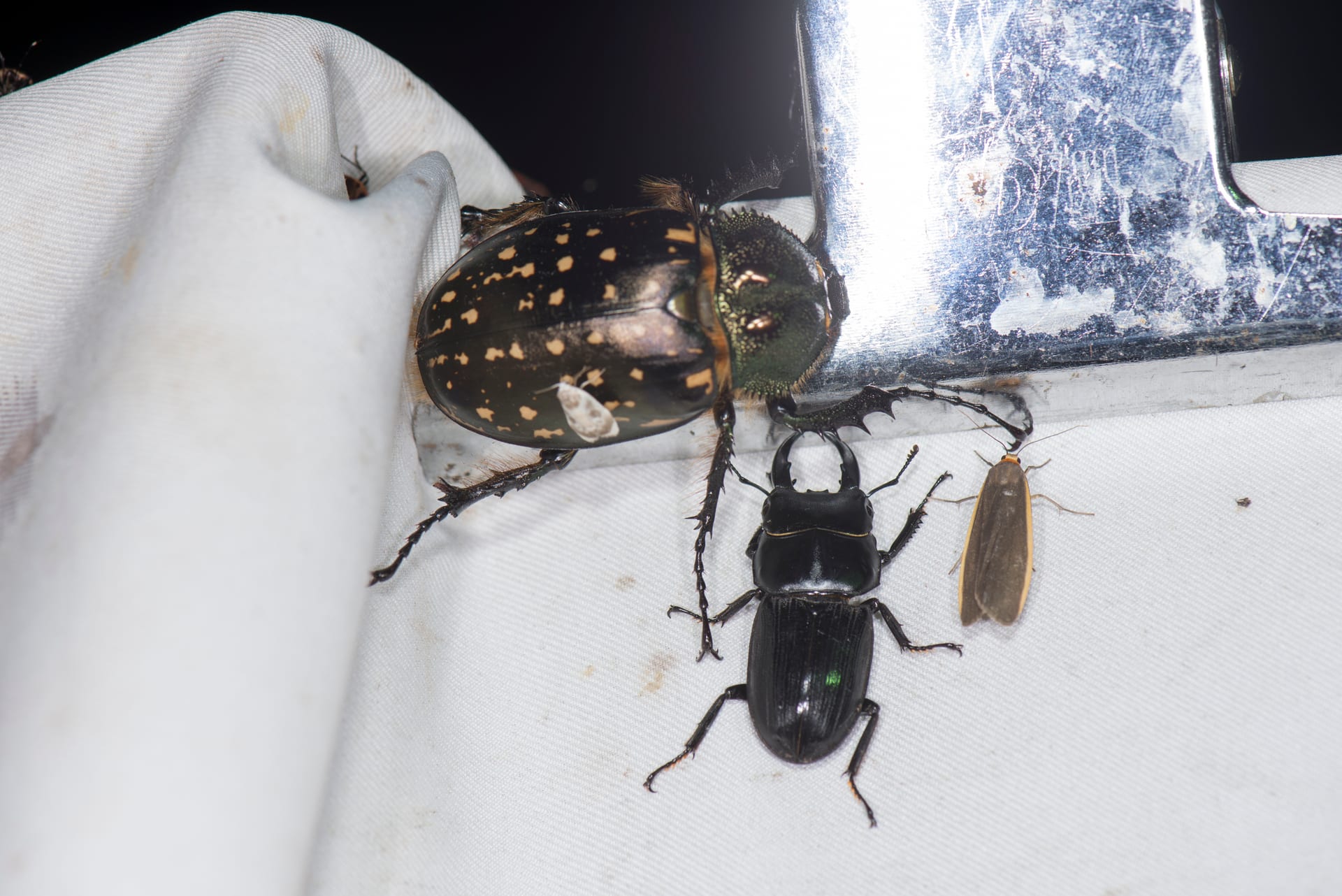
Schenkling's Giant Stag Beetle
IntermediateDorcus schenklingi
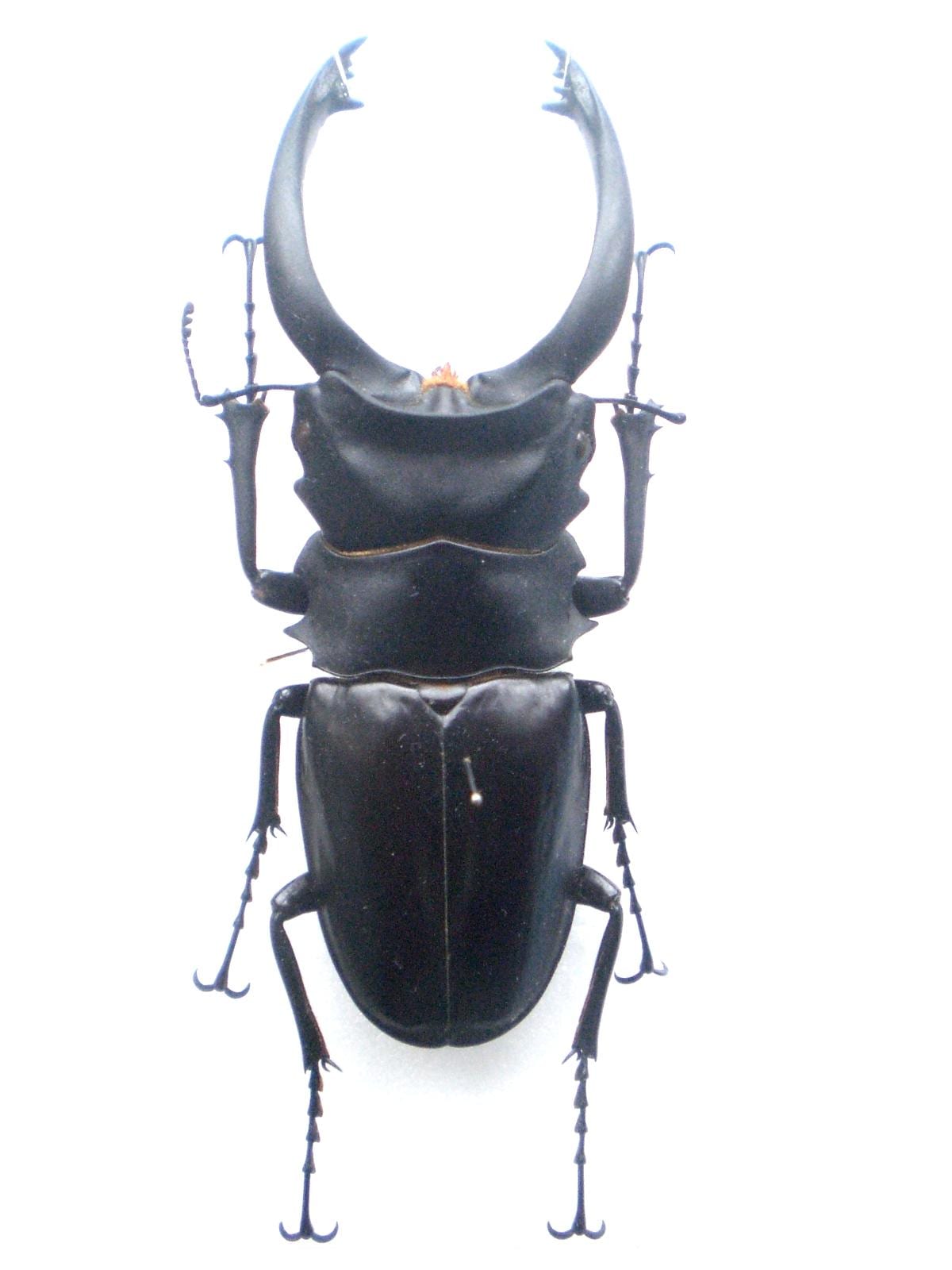
A large giant stag beetle endemic to Taiwan, shaped like an oversized Dorcus rectus. Males reach 92mm, the largest stag beetle in Taiwan. Fierce-tempered and protected in the wild; only captive-bred stock circulates in Japan.
Difficulty
Intermediate
Temperature
18℃
Lifespan
Adults 1-3 years
Size
Males 35-92mm, females 40-50mm
Humidity
60〜80%
Diet
Beetle jelly; larvae on fungus bottles or fermented substrate
About
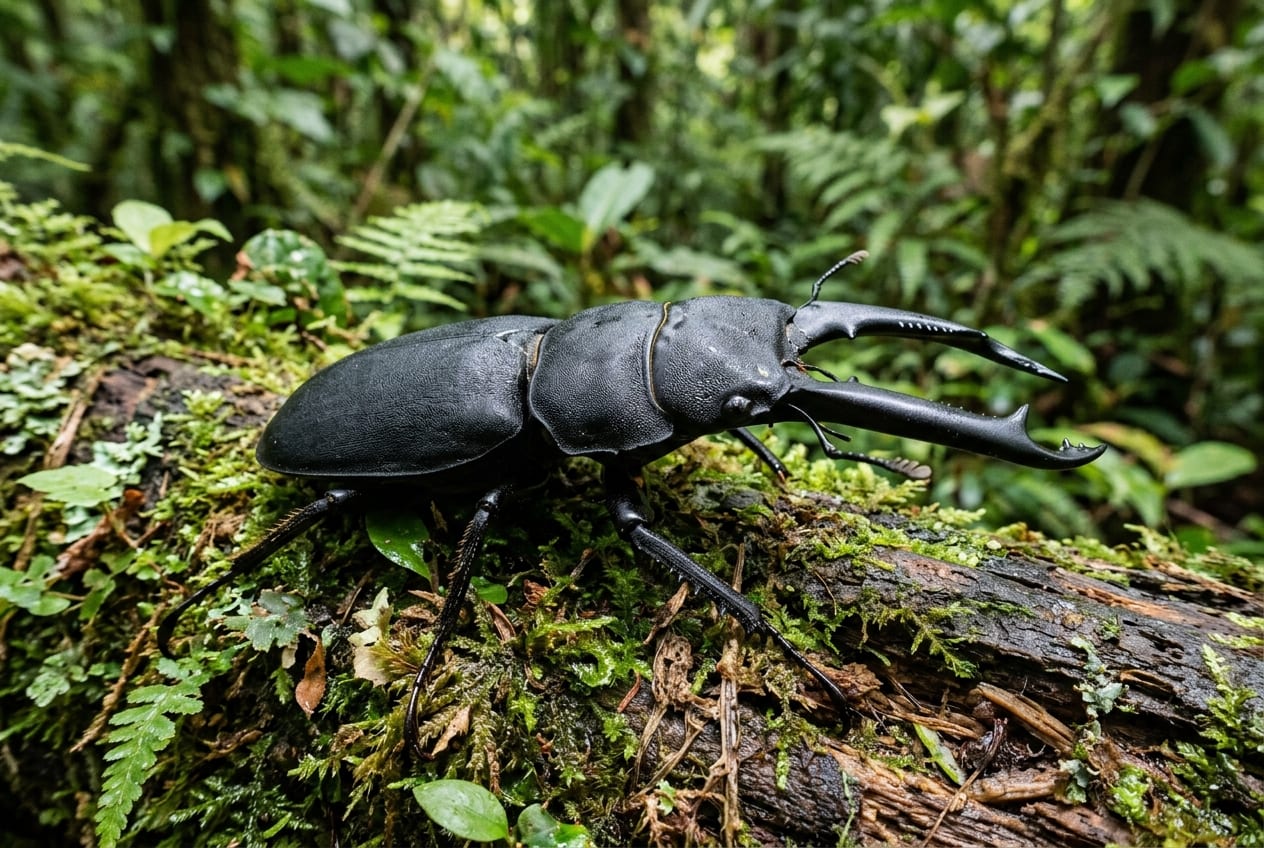
Schenkling's giant stag beetle (Dorcus schenklingi) is a large Dorcus endemic to Taiwan, living in primary forest at 800-2,500 m, chiefly in mid-elevation mountains at 1,300-1,800 m. Shaped like an oversized D. rectus, males measure 35-92mm and females 40-50mm; large males exceed 90mm, making it the largest stag beetle in Taiwan and one of the largest in the genus. Adults emerge from May to August, are nocturnal, come readily to lights and gather at sap of Fagaceae; larvae develop in decaying broadleaf wood. Habitat fragmentation, collecting pressure and deaths at road lights have reduced numbers, and it is listed as a Category II protected species (rare and valuable) under Taiwan's Wildlife Conservation Act, with collection and sale prohibited without permits. Only captive-bred descendants of earlier imports circulate in Japan. It is fiercer than other Dorcus and dominates the Taiwanese D. hopei formosanus when housed together. Males may attack females even after mating, so pair under supervision. Rearing follows D. hopei; room temperature works, but keep summers below 30C. The BE-KUWA 2025 captive record is 89.9mm (2013) and the wild maximum 84.0mm.
Source: Wikipedia (CC BY-SA 4.0)
Lifespan of the Schenkling's Giant Stag Beetle
The Schenkling's Giant Stag Beetle lives Adults 1-3 years.
Size of the Schenkling's Giant Stag Beetle
The Schenkling's Giant Stag Beetle grows to Males 35-92mm, females 40-50mm.
Temperature & humidity for the Schenkling's Giant Stag Beetle
The ideal temperature for the Schenkling's Giant Stag Beetle is 18℃.
Basic Info
Care Specifications
AggressiveSolitaryBreeding: Moderate
Sources: Beetle Farm: keeping adult Dorcus / Beetle Farm: rearing Q&A / Wikipedia (Dorcus schenklingi, ja) / Wikipedia (Dorcus schenklingi, zh)
Breeding Records & Localities
Captive record (♂)
89.9 mm
Wild record (♂)
84 mm
Record source: BE-KUWA 2025 edition (Dorcus schenklingi, captive 89.9 mm, 峰村友一 2013; wild max 84.0 mm)
Notable localities
Taiwan (central mountains)
Category II protected species under Taiwan's Wildlife Conservation Act.
Generation codes
- WD
- Wild-caught
- WF1
- Offspring of a wild-caught female
- F1〜
- Captive generations (same locality)
- CBF1
- Cross-locality captive-bred (reset)
Sources: BE-KUWA rearing records (2025 edition, Mushi-sha) / Wikipedia (Dorcus schenklingi, zh)
References & Sources
Edited & verified by: BreederDirect editorial team
The taxonomic, regulatory, and husbandry data on this page are compiled and verified against the authoritative primary sources below.
Taxonomy & Authority
Accepted name: Dorcus schenklingi (Möllenkamp, 1913)
Authority databases: GBIF
Nomenclature follows global taxonomic authority databases.
Regulations & Conservation Status
Not CITES-listed
Sources: CITES Appendices (species not listed) / MOE Japan: import of Scarabaeoidea beetles
Regulations may change. Always verify the latest information with the relevant authorities.
Schenkling's Giant Stag Beetle Listings
Loading latest listingsFind listings for this species