Source: Wikimedia Commons
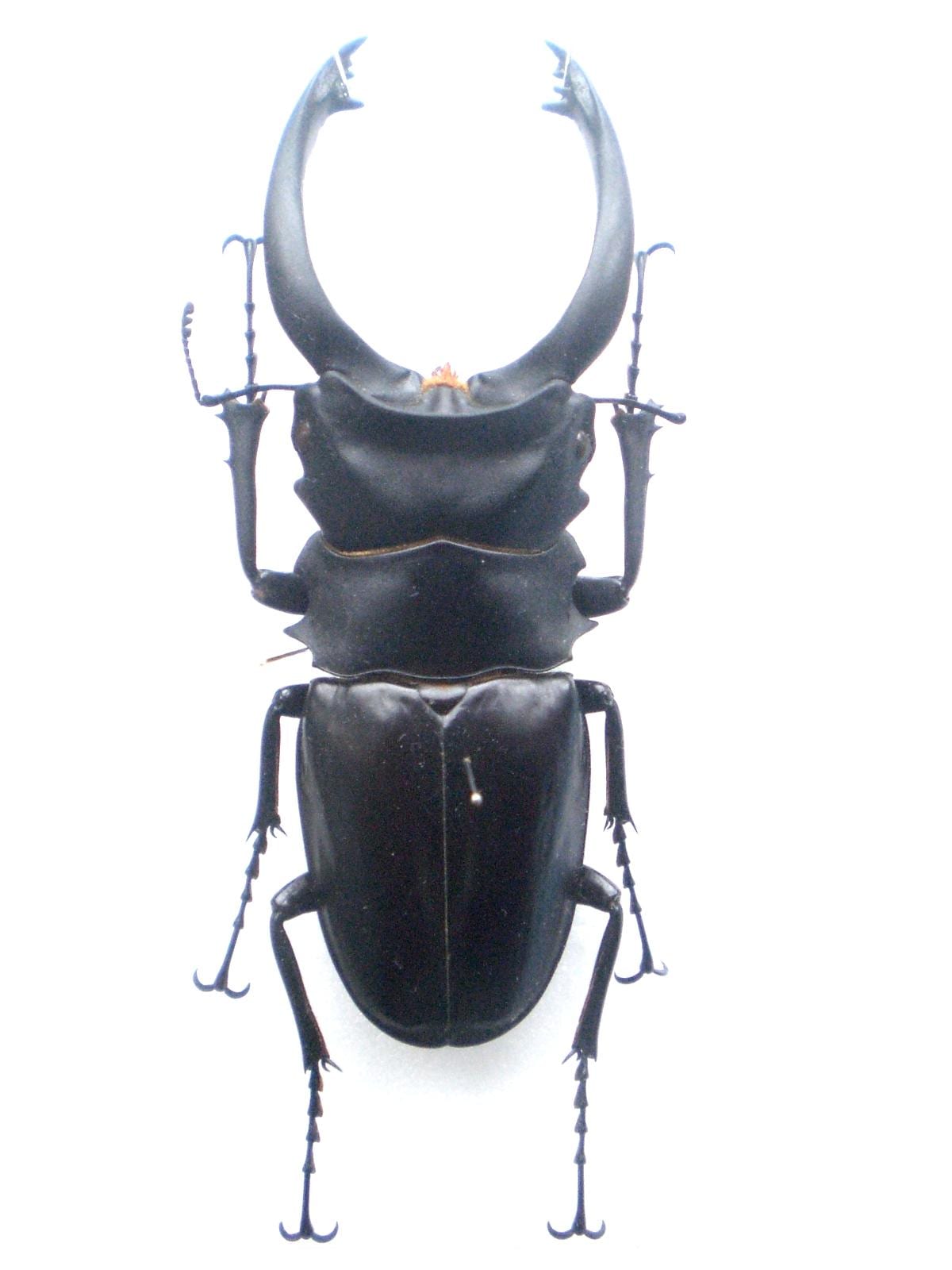
Gazella shining stag beetle
IntermediateOdontolabis gazella
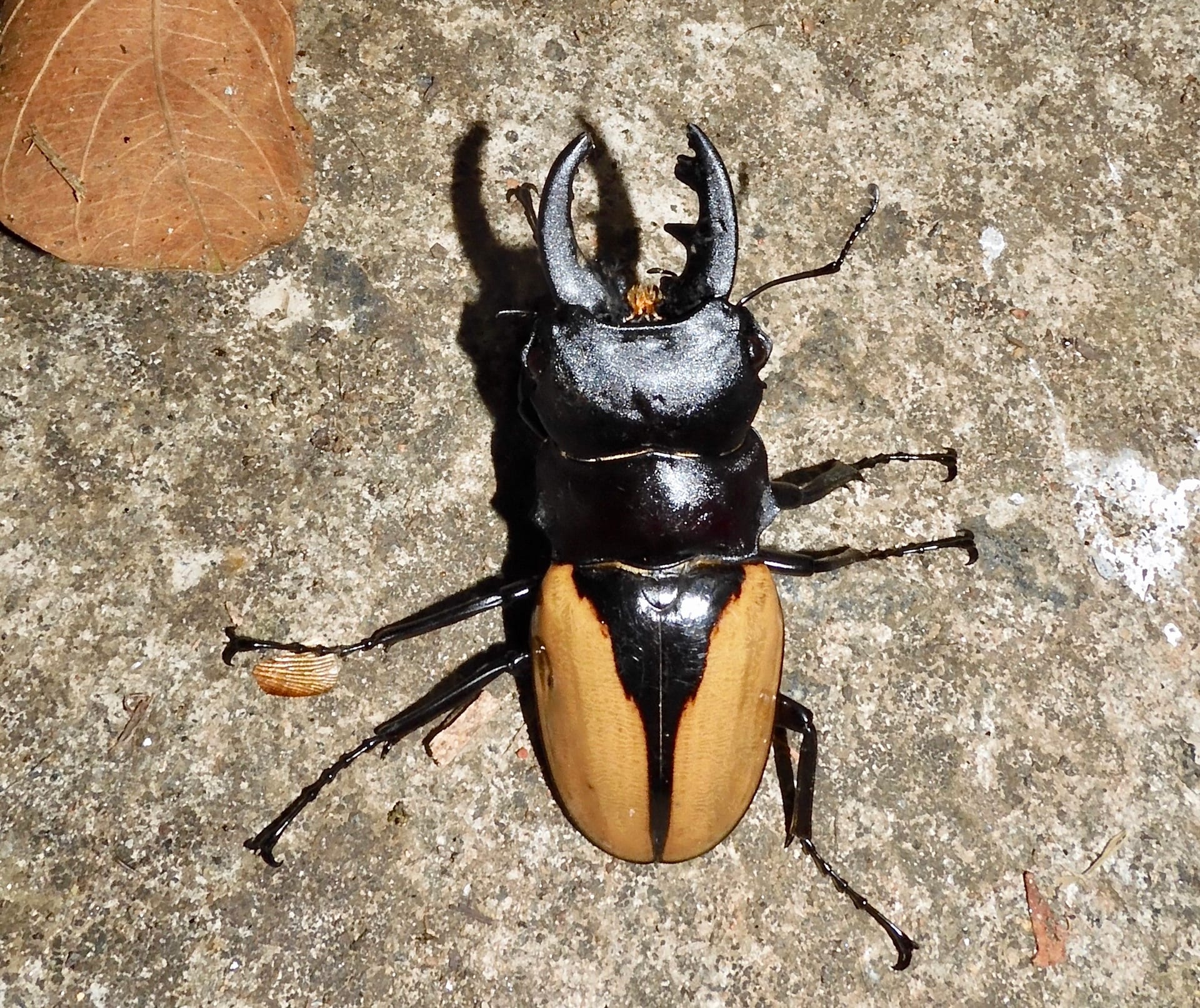
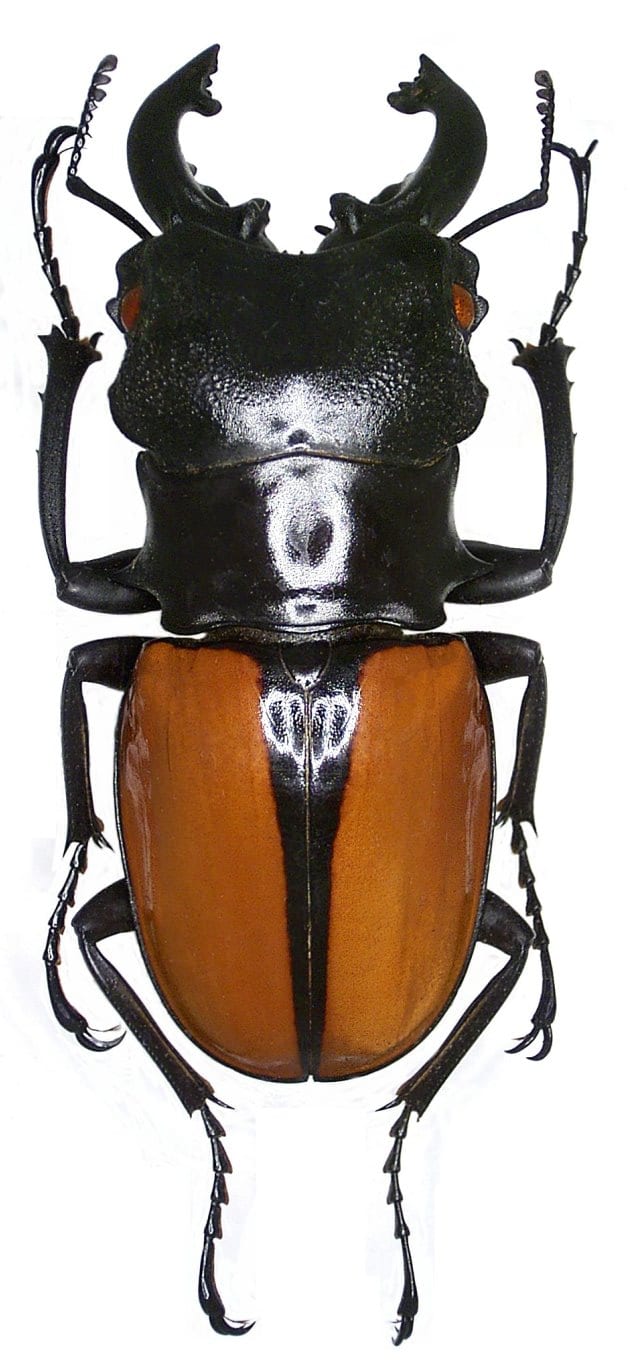
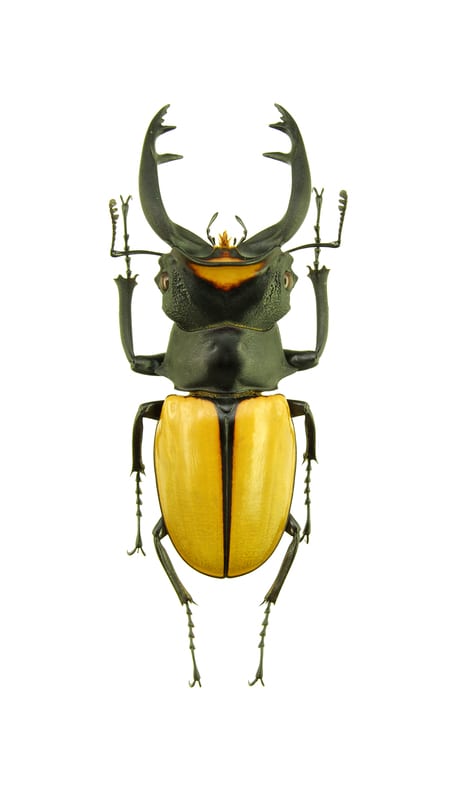
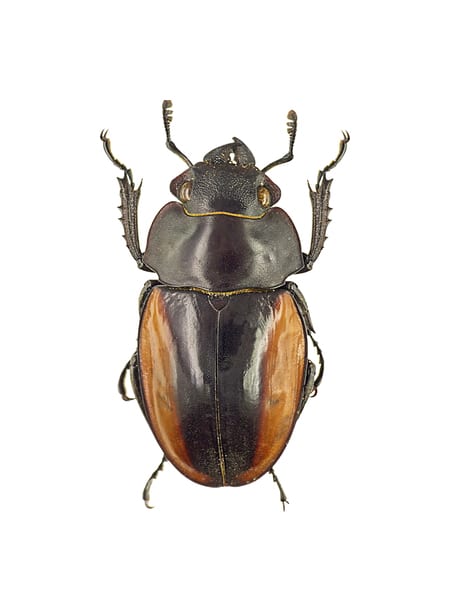
An Odontolabis whose male mandibles are strikingly asymmetric, the left always larger. The wing cases are tawny to brown. Also called kuginuki-kuwagata in Japanese, it ranges from the Malay Peninsula to Sumatra and Borneo.
Difficulty
Intermediate
Temperature
20〜28℃
Lifespan
Adults a few months (genus accounts); 1-2 years from hatching to pupation
Size
Males about 60mm, females about 40mm (captive records 70.5mm male, 48.0mm female)
Humidity
60〜80%
Diet
Adults take sap or beetle jelly; larvae eat well-decayed hardwood flake or fermented substrate
About
Odontolabis gazella (Fabricius, 1787) is a shining stag beetle originally described as Lucanus gazella, also known in Japanese as kuginuki-kuwagata. It ranges from Indochina through the Malay Peninsula to Sumatra, Borneo, Java and Balabac in the Philippines, with the subspecies O. g. inaequalis on Nias. The wing cases are tawny to brown; males are given as about 60mm and females about 40mm. Most males have short, primitive-type mandibles, with intermediate types recorded only rarely. The mandibles are strikingly asymmetric, the left always the larger, which is the species' hallmark. Adult Odontolabis visit fermenting sap and live a few months; about six weeks after becoming active, their tarsi and antennae rapidly start to die back. Larvae live in hardwood decayed to half-soil flake, defending urn-shaped tunnels as territory and sometimes attacking intruders. Development from hatching to pupation takes about one to two years, and both adults and larvae are cold-sensitive. The BE-KUWA 2025 edition gives 70.5mm captive and 71.5mm wild for males of the nominate form, and 48.0mm captive for females. It is sold regularly in Japan by large retailers and specialist shops.
Source: Wikipedia (CC BY-SA 4.0)
Lifespan of the Gazella shining stag beetle
The Gazella shining stag beetle lives Adults a few months (genus accounts); 1-2 years from hatching to pupation.
Size of the Gazella shining stag beetle
The Gazella shining stag beetle grows to Males about 60mm, females about 40mm (captive records 70.5mm male, 48.0mm female).
Basic Info
Origin
Indochina, Malay Peninsula, Sumatra, Borneo, Java and the Philippines (Balabac)
Lifespan
References & Sources
Edited & verified by: BreederDirect editorial team
The taxonomic, regulatory, and husbandry data on this page are compiled and verified against the authoritative primary sources below.
Primary sources
- Wikipedia
- Plant Protection Station: Importing Scarabaeoidea (JA)
- Plant Protection Station: Importing live insects (JA)
- Ministry of the Environment: List of invasive alien species (JA)
- Species+ CITES query (no listing)
- Odontolabis - Wikipedia (JA), on O. gazella and genus ecology
- BE-KUWA Certified Breeding Records (Mushi-sha, FY2025 edition PDF, JA)
- GBIF
Taxonomy & Authority
Regulations & Conservation Status
Not CITES-listed
Many live foreign Scarabaeoidea (stag beetles, rhinoceros beetles, flower chafers and relatives) are quarantine pests whose import is banned under Japan's Plant Protection Act, and even importable species require a species-name certificate from a foreign government body under the Invasive Alien Species Act (entry only via designated airports, never by international post). Whether a species may enter must be checked with the Plant Protection Station in advance, so choose domestically bred stock and never release captive beetles.
Sources: Plant Protection Station: Importing Scarabaeoidea (JA) / Plant Protection Station: Importing live insects (JA) / Ministry of the Environment: List of invasive alien species (JA) / Species+ CITES query (no listing)
Regulations may change. Always verify the latest information with the relevant authorities.
Gazella shining stag beetle Listings
Loading latest listingsFind listings for this species