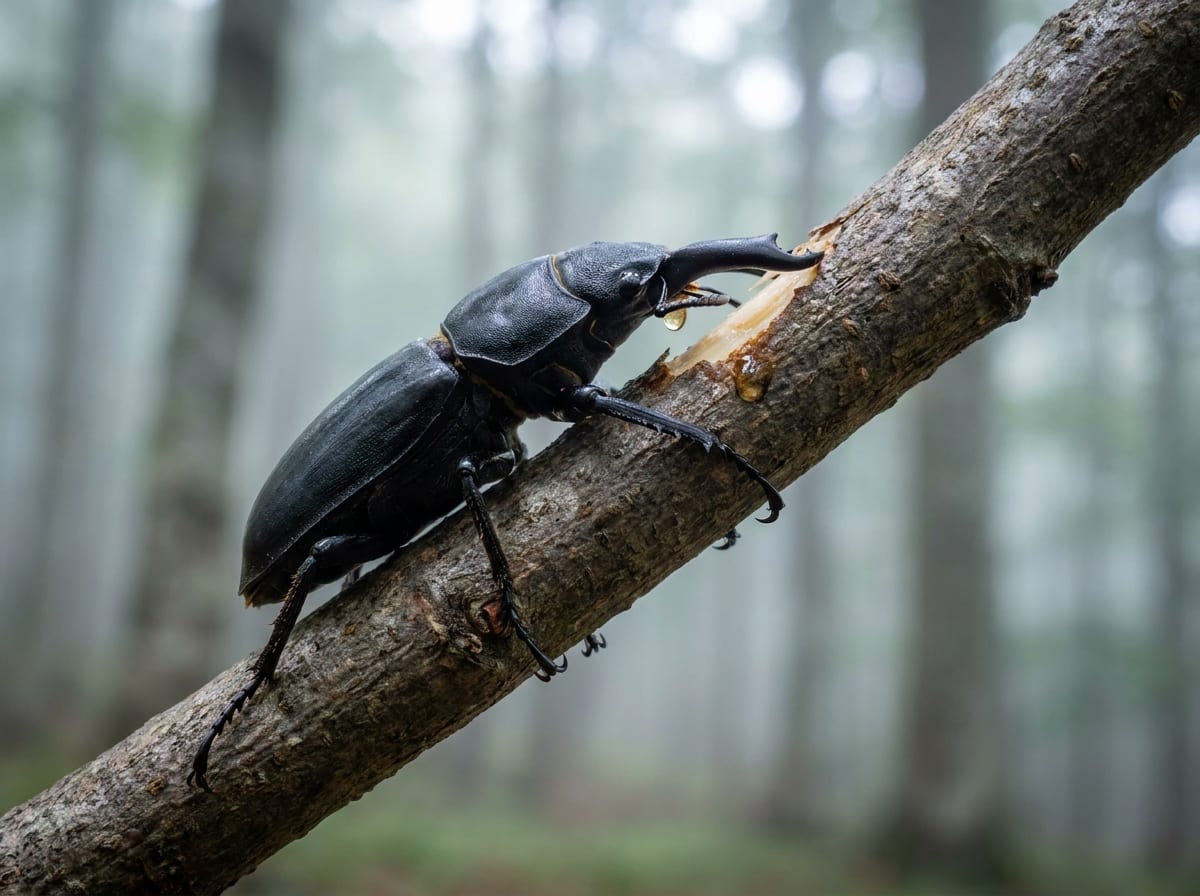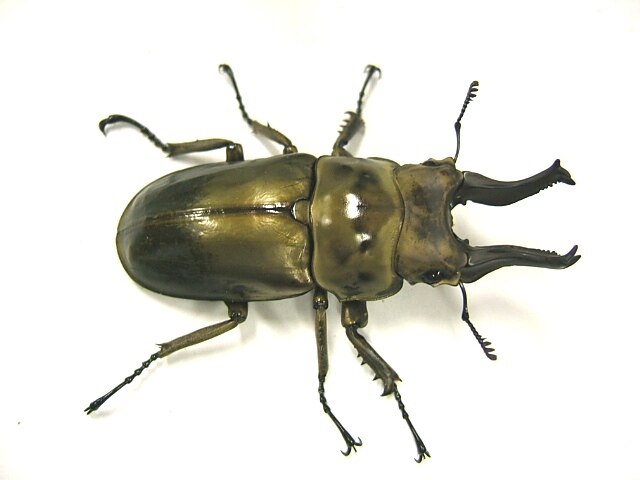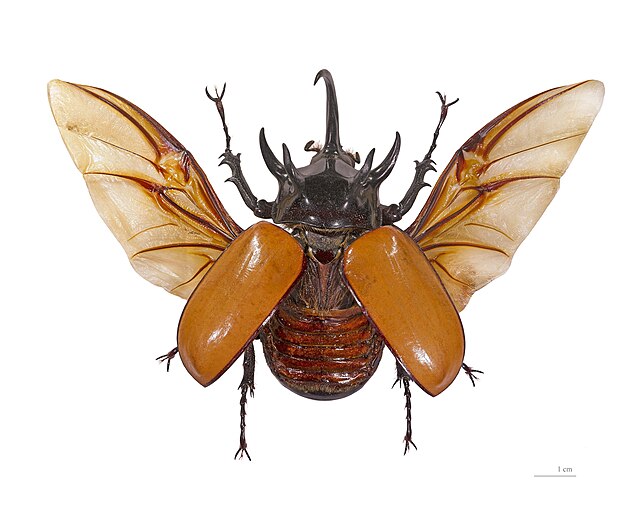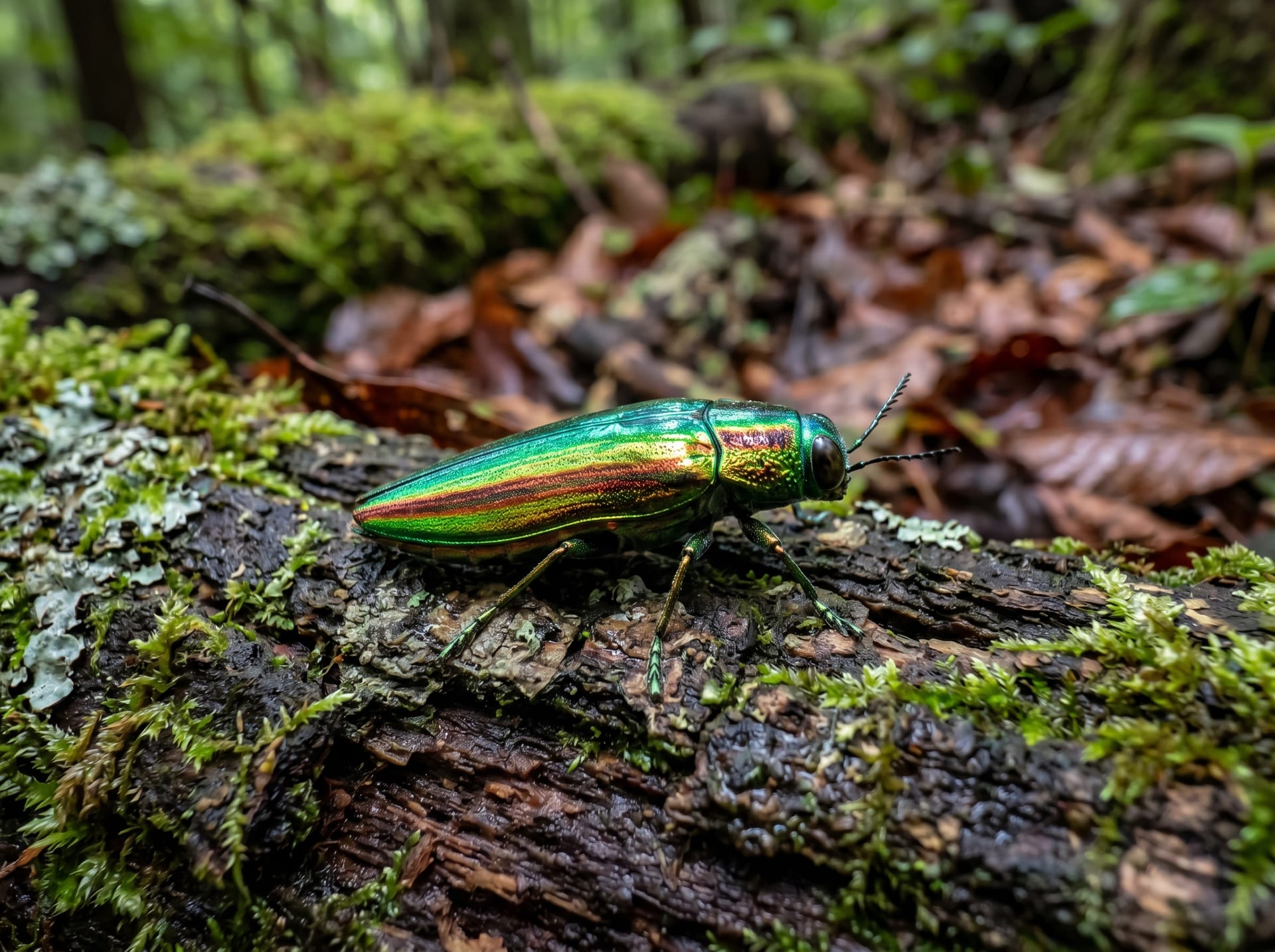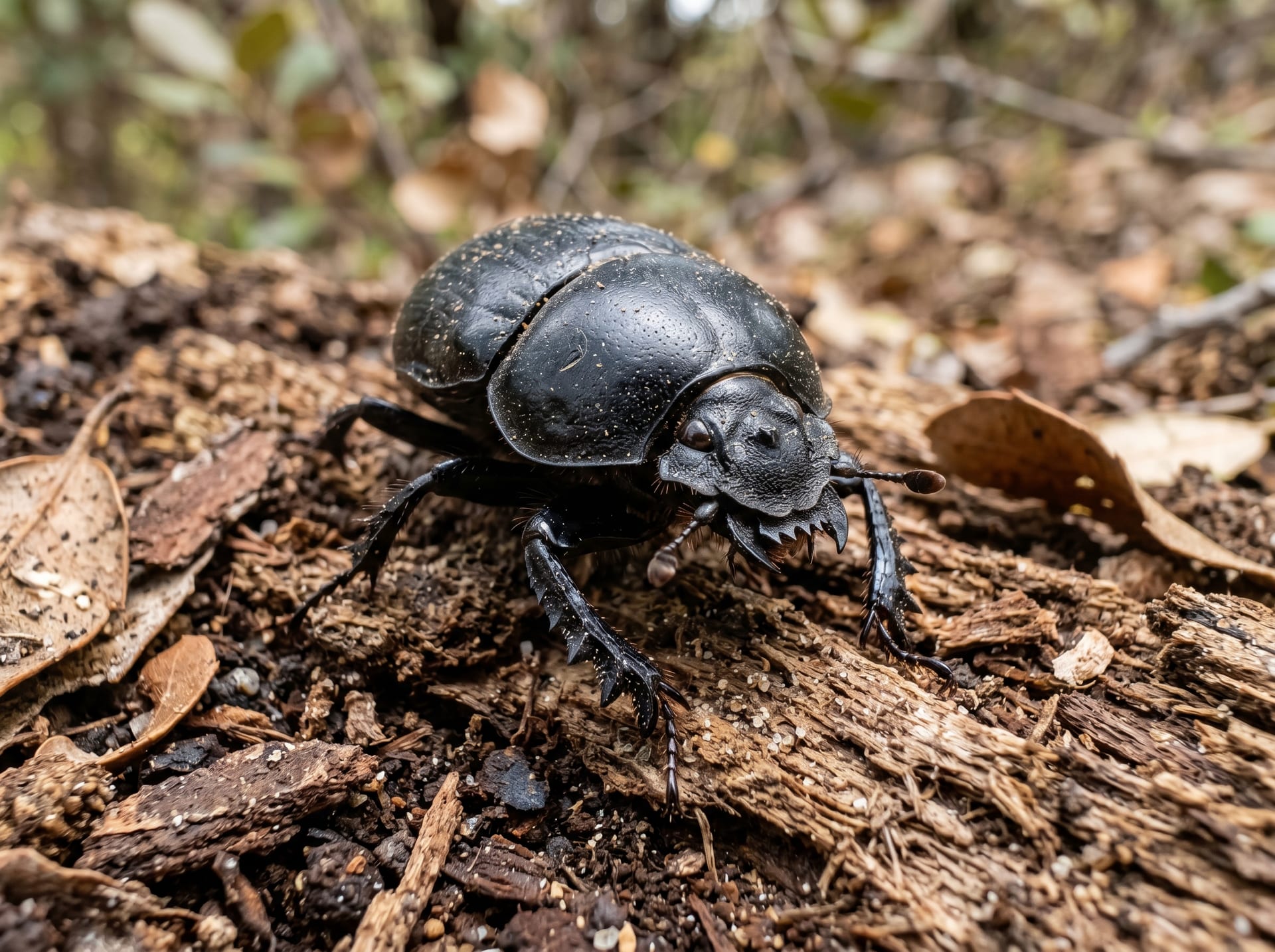
AI-generated image
Dung Beetle (Scarab)
AdvancedScarabaeus sacer
Sacred scarab revered in ancient Egypt. Known for rolling dung into balls. Difficult to keep due to specialized diet, but fascinating behavior to observe.
Difficulty
Advanced
Temperature
22〜30℃
Lifespan
1-3 years
Size
25-40mm
Humidity
50〜70%
Diet
Herbivore dung
About
The sacred scarab (Scarabaeus sacer) is a dung beetle famous for rolling dung into balls, and it was revered in ancient Egypt as a symbol of the sun and rebirth. It ranges from the Mediterranean region into North Africa. Husbandry is specialized, requiring herbivore dung for food, and securing clean food can be challenging. A substrate that does not dry out completely, with enough depth for burrowing, is used. Its sequence of rolling and burying dung is fascinating to observe, and it is ecologically important as a decomposer.
Source: Wikipedia (CC BY-SA 4.0)
Lifespan of the Dung Beetle (Scarab)
The Dung Beetle (Scarab) lives 1-3 years.
Size of the Dung Beetle (Scarab)
The Dung Beetle (Scarab) grows to 25-40mm.
Temperature & humidity for the Dung Beetle (Scarab)
The ideal temperature for the Dung Beetle (Scarab) is 22〜30℃.
Basic Info
Origin
the Mediterranean region and North Africa
Lifespan
1-3 years
Size
25-40mm
Temperature
22〜30℃
References & Sources
Edited & verified by: BreederDirect editorial team
The taxonomic, regulatory, and husbandry data on this page are compiled and verified against the authoritative primary sources below.
Taxonomy & Authority
Accepted name: Scarabaeus sacer Linnaeus, 1758
Synonyms: Ateuchus acuticollis Motchulsky, 1849, Ateuchus clypeatus Motchulsky, 1849, Ateuchus europaeus Motchulsky, 1849, Ateuchus impius Fabricius, 1801, Ateuchus platychilus Fischer von Waldheim, 1823, Ateuchus retusus Brullé, 1832, Ateuchus sacer (Linnaeus, 1758), Ateuchus sacer peregrinus Kolbe, 1886, Scarabaeus confluidens Fleischer, 1925, Scarabaeus crenatus Degeer, 1778, Scarabaeus degeeri MacLeay, 1821, Scarabaeus dufresneri MacLeay, 1821, Scarabaeus dufresnii MacLeay, 1821, Scarabaeus edentulus Mulsant, 1842, Scarabaeus europaeus Motschulsky, 1849, Scarabaeus impius Fabricius, 1801, Scarabaeus inermis Mulsant, 1842, Scarabaeus peregrinus Kolbe, 1896, Scarabaeus rufipes Seabra, 1907, Scarabaeus sacer confluidens Fleischer, 1925
Authority databases: GBIF
Nomenclature follows global taxonomic authority databases.
Regulations & Conservation Status
Not CITES-listed
Plant Protection Act: When importing live specimens of Scarabaeoidea (including rhinoceros beetles, stag beetles, flower beetles, etc.), a species identification certificate issued by the exporting country government agency or equivalent must be attached in accordance with the Invasive Species Act (import ports are limited to Narita, Chubu, Kansai, Fukuoka, and Kagoshima airports). This species itself is not a designated invasive species, and import is possible upon submission of the certificate.
Sources: Ministry of the Environment, Invasive Species Act: "Guidance for Those Importing Live Insects in Scarabaeoidea" / CITES Appendix (checklist.cites.org)
Regulations may change. Always verify the latest information with the relevant authorities.
Dung Beetle (Scarab) Listings
Loading latest listingsFind listings for this species