Nihon Oranda (Japanese Long-bodied Oranda)
BeginnerCarassius auratus
A long-bodied Oranda line kept independently in western Japan and Shikoku since the variety arrived in the Edo period. The distance from head to dorsal-fin base is long, clearly different from today's common round Oranda.
Difficulty
Beginner
Temperature
20〜23℃
Lifespan
With proper care goldfish can live over 20 years in captivity (figure for goldfish in general; variety-specific data are scarce)
Size
Described as a long-bodied line that grows large; variety-specific adult size data are scarce
Diet
Omnivore (goldfish pellets as the staple; also bloodworms and daphnia)
About
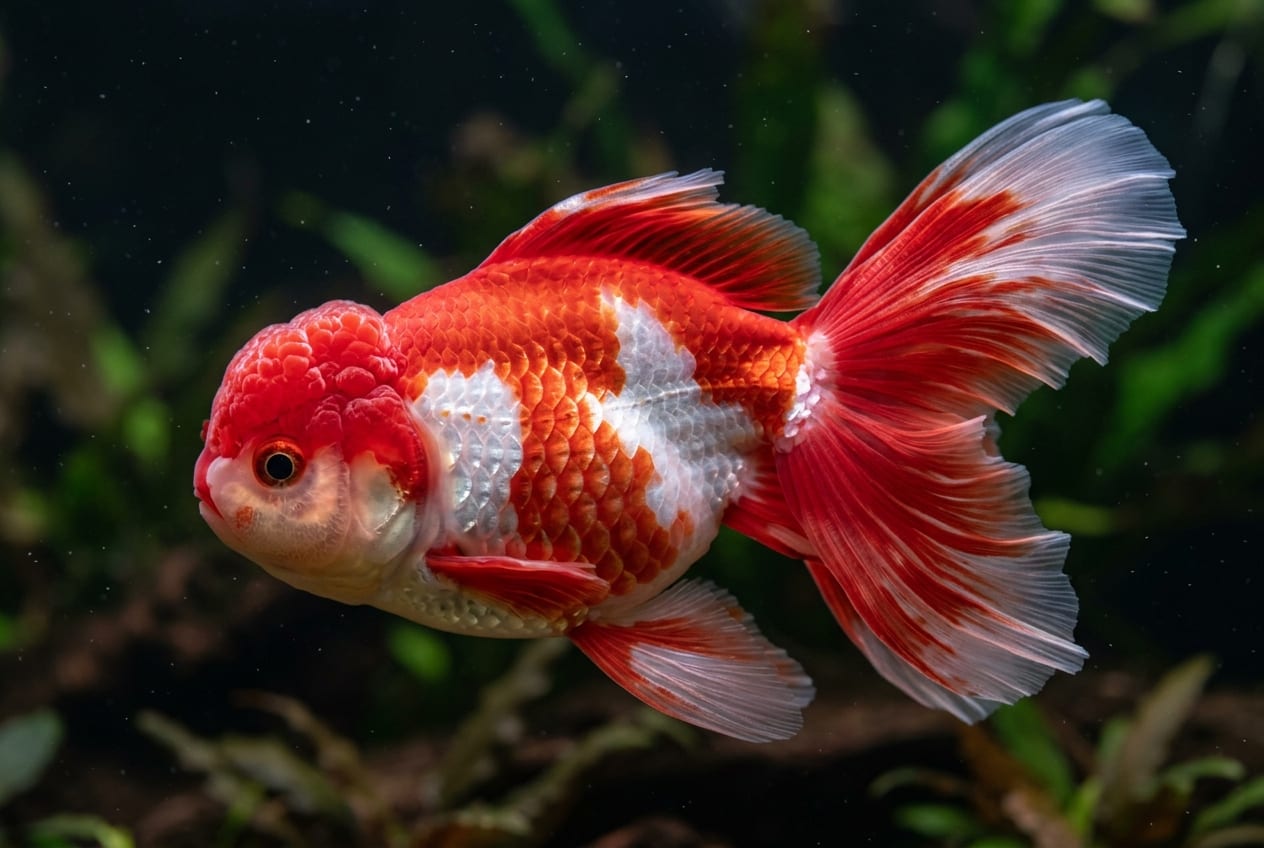
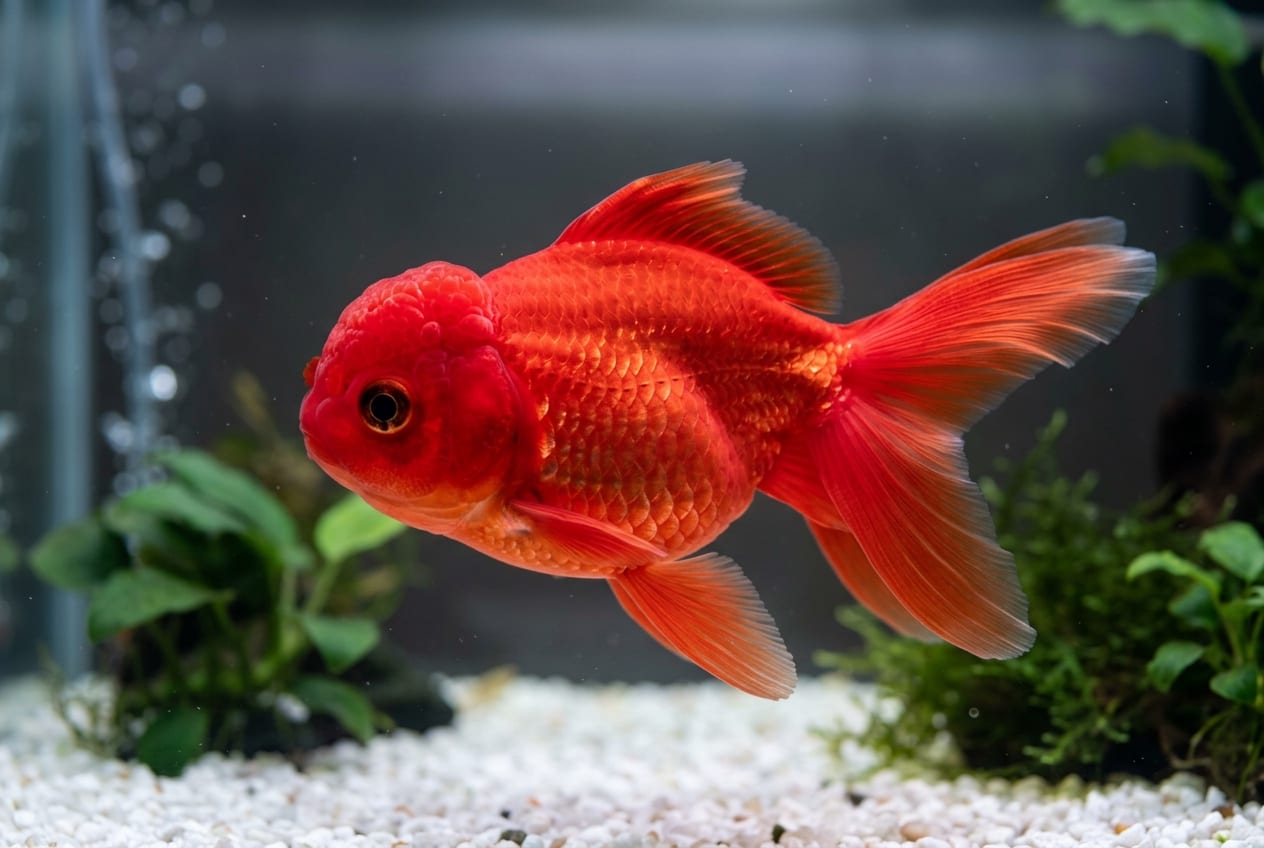
Nihon Oranda is the long-bodied ('nagate') line of the Oranda shishigashira that has been bred independently in Japan; it is also called Nagate Oranda or Shikoku Oranda. The Oranda was fixed from Ryukin that developed a head growth, and is said to have reached Nagasaki from China via Ryukyu in the Kansei era (1789-1801). It was then maintained mainly in western Japan and Shikoku and became quite different from the round-bodied Orandas imported from China in recent decades. The identification point is length: compared with round Orandas the distance from head to dorsal-fin base is long, the body is elongated and the fins are long. Long-bodied Orandas are common in each prefecture of Shikoku, where a show judges this line alone, and there is also a fanciers' club in the Chubu region. Japanese-bred fish retain much of the Wakin's hardiness, are easy to keep and are said to be less prone to buoyancy problems than Ryukin or telescope eyes. Keepers are few and supply is limited, mainly through breeding farms and goldfish specialists. The long-bodied line is judged by preservation societies, while the round line is what circulates widely; its wen is less showy than a Ranchu's but still impressive.
Source: Wikipedia (CC BY-SA 4.0)
Lifespan of the Nihon Oranda (Japanese Long-bodied Oranda)
The Nihon Oranda (Japanese Long-bodied Oranda) lives With proper care goldfish can live over 20 years in captivity (figure for goldfish in general; variety-specific data are scarce).
Temperature & humidity for the Nihon Oranda (Japanese Long-bodied Oranda)
The ideal temperature for the Nihon Oranda (Japanese Long-bodied Oranda) is 20〜23℃.
Basic Info
Origin
Japan (maintained in western Japan and Shikoku); descended from Orandas brought from China in the Edo period
Lifespan
With proper care goldfish can live over 20 years in captivity (figure for goldfish in general; variety-specific data are scarce)
Size
Described as a long-bodied line that grows large; variety-specific adult size data are scarce
Temperature
20〜23℃
Diet
Omnivore (goldfish pellets as the staple; also bloodworms and daphnia)
Care Guide
Identification
The long head-to-dorsal distance is the key mark; compare body length from the side with round Orandas and Balloon Orandas.
Housing
A hardy line with much Wakin character; with its long body and fins, give it room to swim.
Water Temperature & Quality
The ideal range for fancy goldfish is about 20-23°C, pH around 7.0-8.4. Avoid sudden changes in temperature or water chemistry.
Container & Tank
Allow roughly 38 L (10 gallons) or more per adult fish, with a generously sized filter.
Tankmates
Keep with other long-bodied Orandas or goldfish of similar size.
Notes
Supply is limited and round Orandas are often sold simply as 'Oranda'; check the origin and line before buying.
Oranda typeLong bodyShikokuJapanese goldfish
Nihon Oranda (Japanese Long-bodied Oranda) FAQ
QHow difficult is it to keep Nihon Oranda (Japanese Long-bodied Oranda)?
A
Beginner. This is a beginner-friendly species. No special equipment or experience is required, and it can be kept successfully with basic care setup.
QWhat is the ideal temperature for Nihon Oranda (Japanese Long-bodied Oranda)?
A
The ideal temperature for Nihon Oranda (Japanese Long-bodied Oranda) is 20〜23℃. Avoid sudden temperature changes and maintain a stable environment.
QWhat is the lifespan of Nihon Oranda (Japanese Long-bodied Oranda)?
A
The average lifespan of Nihon Oranda (Japanese Long-bodied Oranda) is With proper care goldfish can live over 20 years in captivity (figure for goldfish in general; variety-specific data are scarce). With proper care and nutrition, they can live a long and healthy life.
QWhat should I feed Nihon Oranda (Japanese Long-bodied Oranda)?
A
Nihon Oranda (Japanese Long-bodied Oranda) feeds on: Omnivore (goldfish pellets as the staple; also bloodworms and daphnia). Aim for a balanced diet with appropriate feeding frequency.
QWhat is the typical price for Nihon Oranda (Japanese Long-bodied Oranda)?
A
The price of Nihon Oranda (Japanese Long-bodied Oranda) varies significantly depending on variety, size, and individual quality. Check our market price page for the latest pricing information.
Last updated: September 23, 2026
References & Sources
Edited & verified by: BreederDirect editorial team
The taxonomic, regulatory, and husbandry data on this page are compiled and verified against the authoritative primary sources below.
Taxonomy & Authority
Accepted name: Carassius auratus (Linnaeus, 1758)
Synonyms: Cyprinus auratus Linnaeus, 1758, Carassius auratus auratus (Linnaeus, 1758)
Authority databases: GBIF · GBIF: Carassius auratus · FishBase: Carassius auratus
Nomenclature follows global taxonomic authority databases.
Regulations & Conservation Status
Not CITES-listed
Goldfish (Carassius auratus) are not listed in the CITES Appendices (checked on Species+, 2026-09-23) and are not designated Invasive Alien Species in Japan. Never release pet goldfish into rivers or ponds.
Sources: Species+ (CITES) / Ministry of the Environment: list of Invasive Alien Species
Regulations may change. Always verify the latest information with the relevant authorities.
Related Species

Nihon Oranda (Japanese Long-bodied Oranda) Listings
Loading latest listingsFind listings for this species
Related Articles
How to Raise Dutch Lionheads and White Calicos: Water Quality and Feeding Management for Wen Development
This article explains the characteristics and husbandry methods of Dutch lionheads and white calicos. It covers the nutritional management, water quality, and lighting necessary for wen development, head care precautions, and management tips for maintaining beautiful body coloration.
Guide to Entering Oranda Lionhead Goldfish in Competitions | Judging Criteria and Finishing Techniques
Explanation of entering Oranda lionhead goldfish in competitions. Introduction of judging criteria, finishing breeding techniques, and condition management.
Selection Standards for Ranchu and Oranda Lionhead | How to Assess Body Type, Head Lumps, and Color, and How to Choose Specimens for Fish Shows
A detailed explanation of selection standards for ranchu and oranda lionhead goldfish that are essential for breeders. This article covers head lump development patterns, ideal body proportions, evaluation of bilateral symmetry, judging criteria for fish shows, and a checklist for purchasing.
Wagn, Ryukin, and Oranda Compatibility Guide for Mixed Tank Keeping | Body Type Considerations and Success Tips
A compatibility guide for successfully keeping Wagn, Ryukin, and Oranda goldfish together. This guide explains in detail the swimming ability differences due to body type variations, competition risks, and recommended combinations.