AI-generated image
Rosetail Oranda
IntermediateCarassius auratus
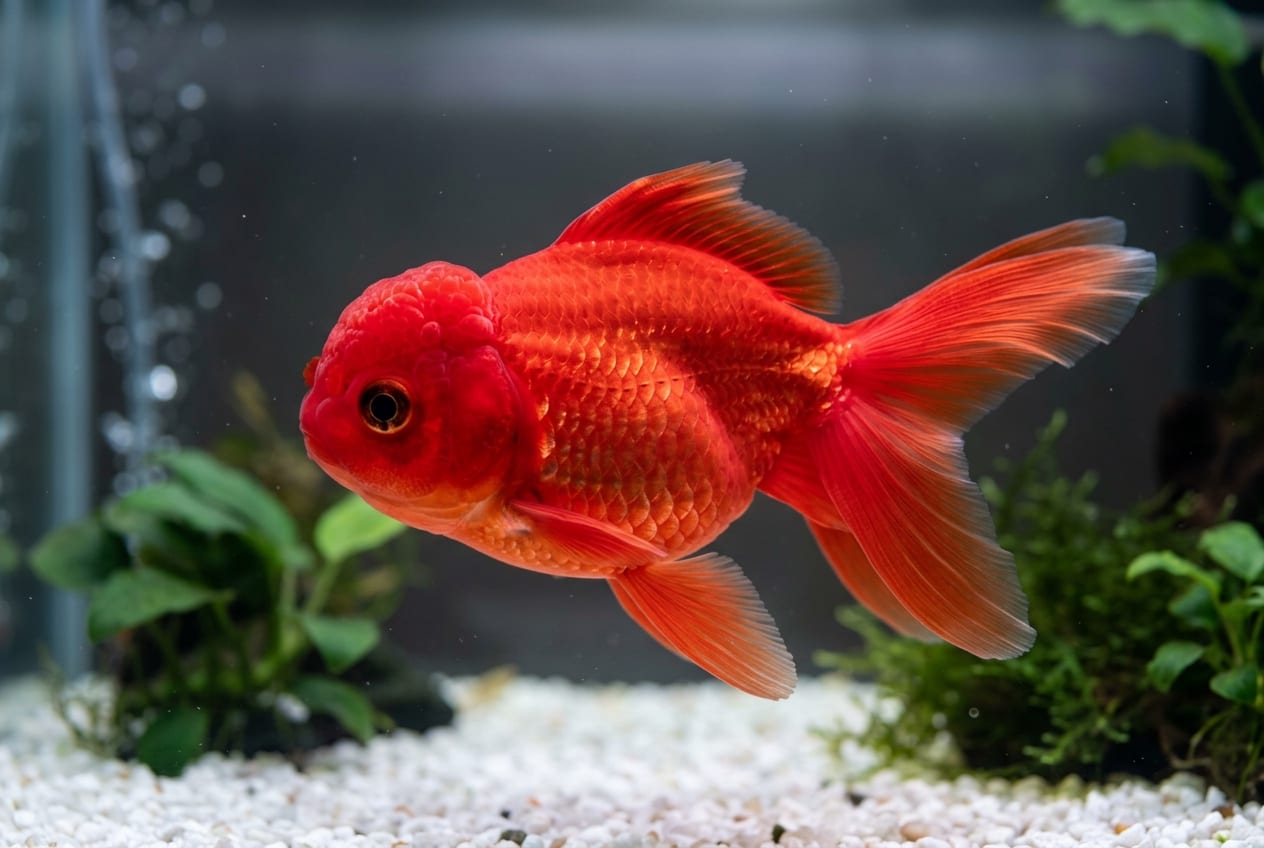
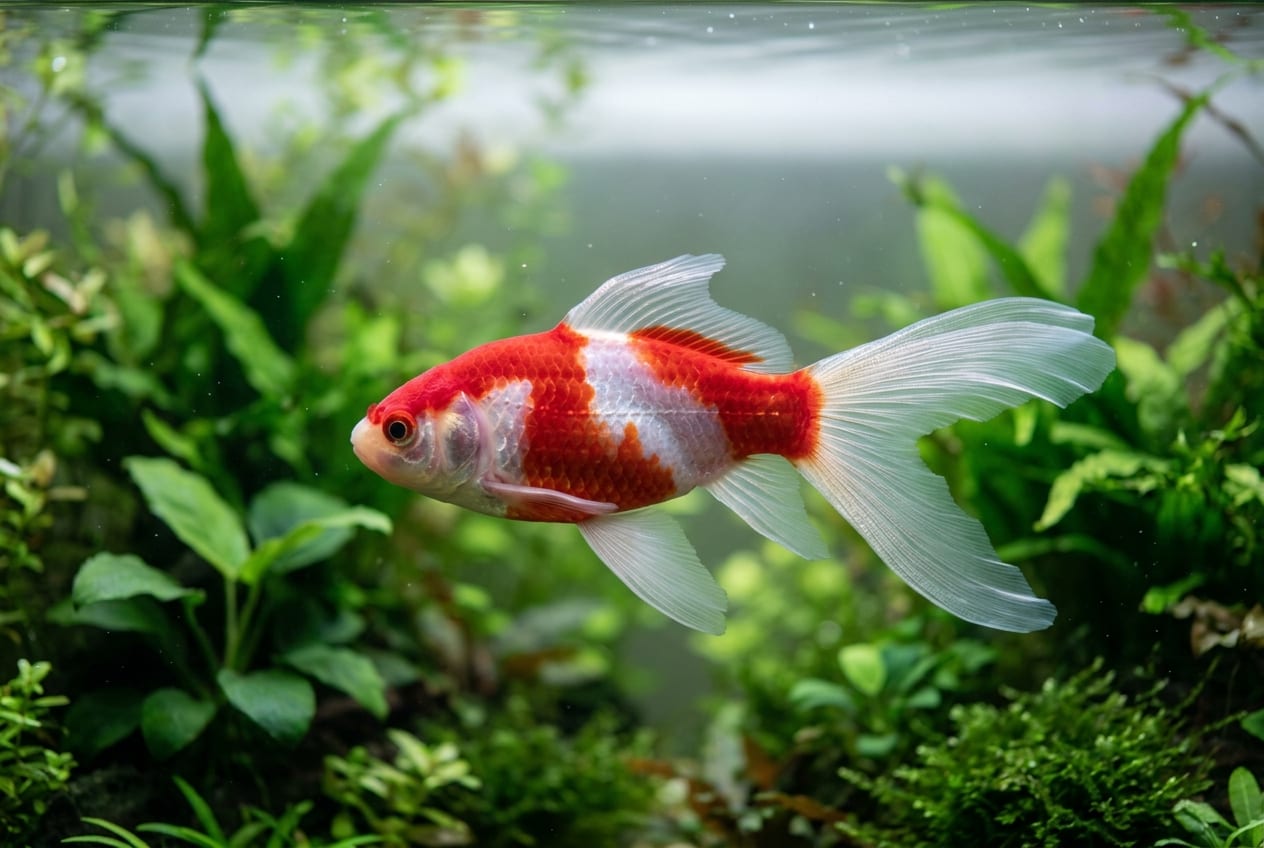
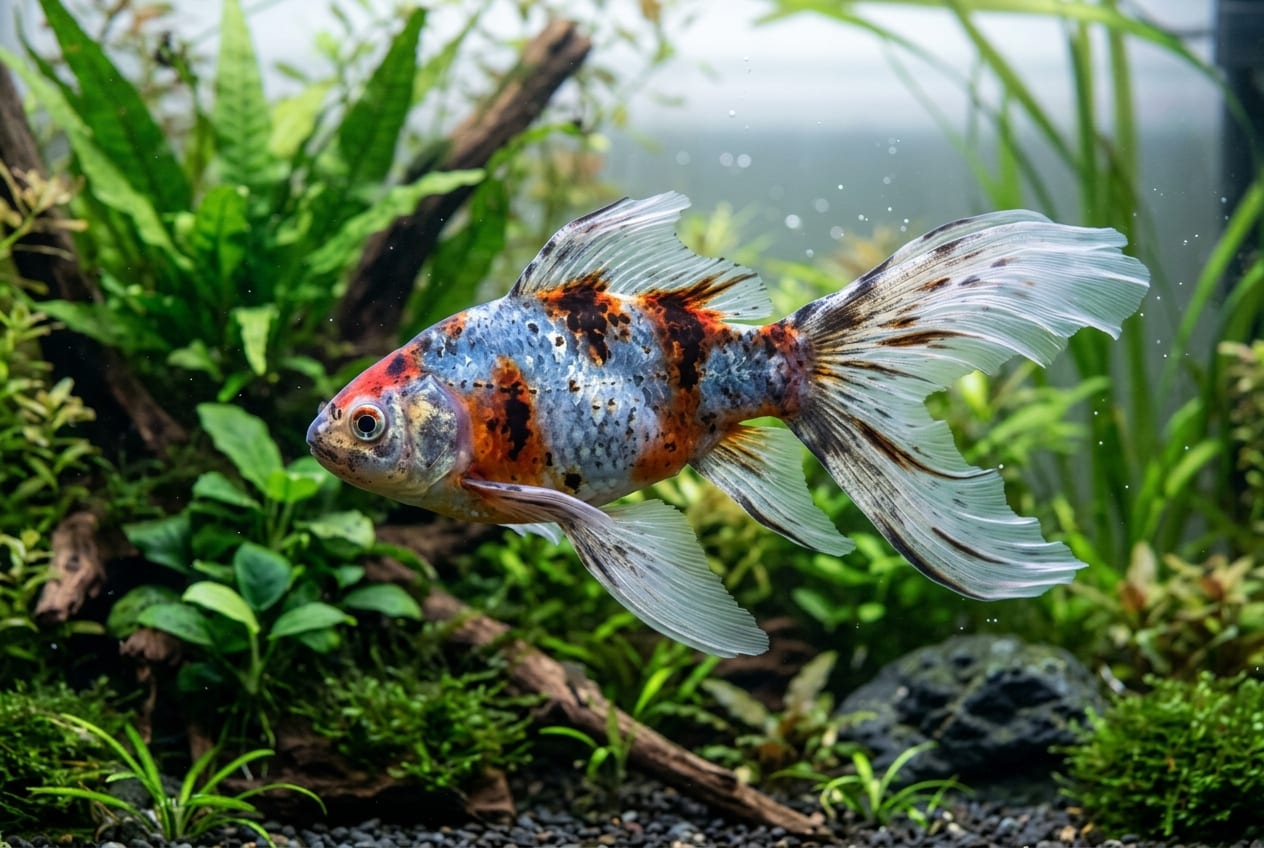
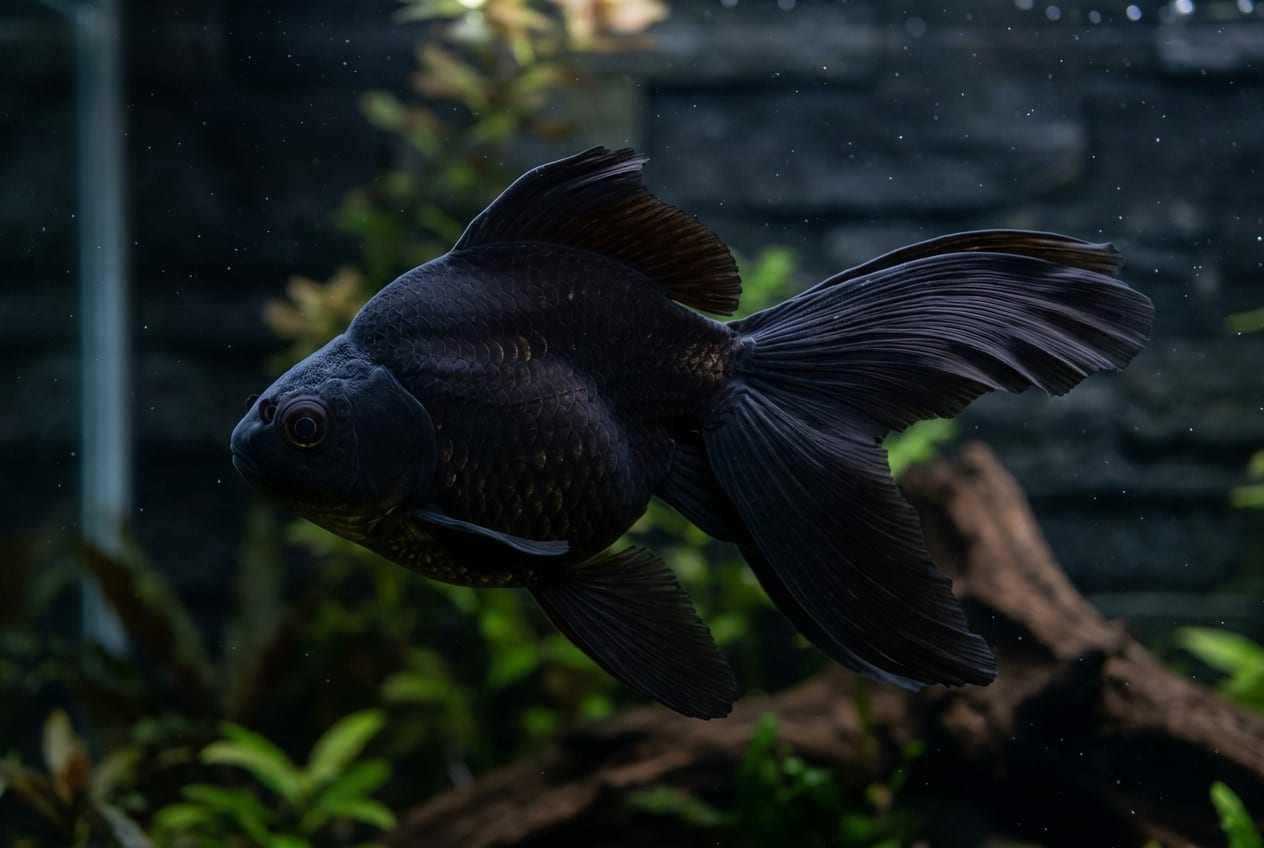
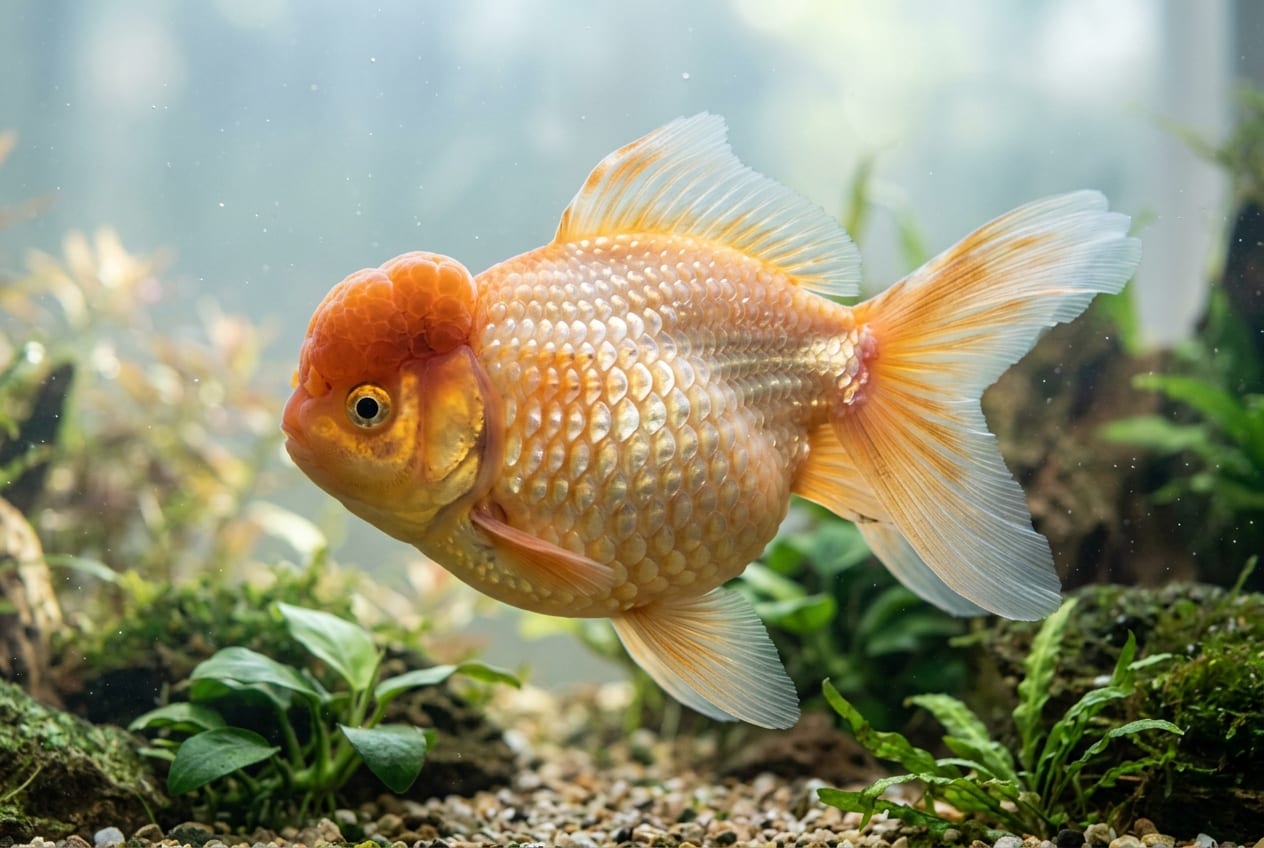
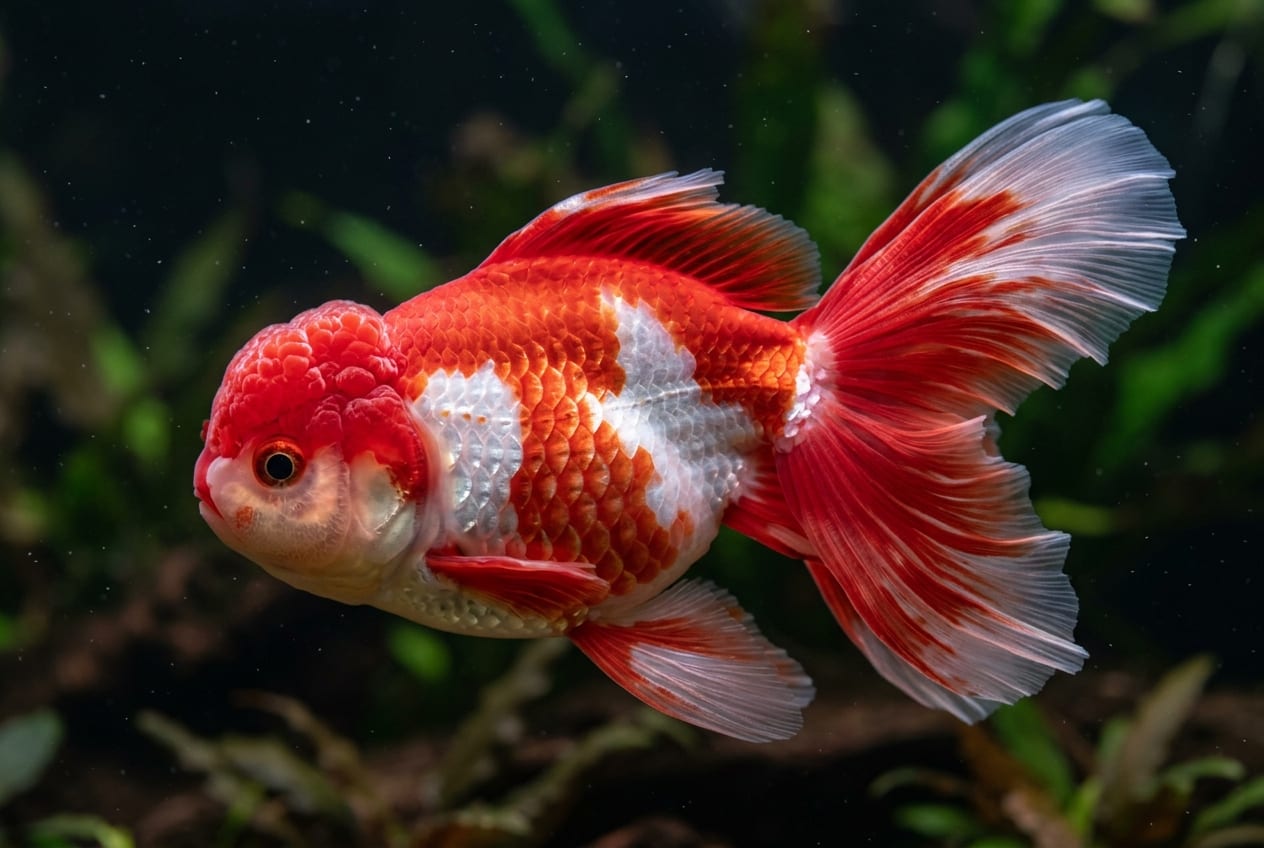
A name given to oranda whose caudal edges ruffle finely like rose petals. It combines the developed head growth with a long flowing tail and shows best from the side.
Difficulty
Intermediate
Temperature
15〜28℃
Lifespan
10-15 years
Diet
Prepared foods, frozen bloodworms
About
Rosetail oranda is a name applied to oranda whose caudal edges ruffle finely so that the fin reads like layered rose petals. The underlying oranda was fixed by selecting ryukin mutations with developed head growth, and reached Nagasaki from China by way of Ryukyu during the Kansei era of the Edo period. There is a long-bodied line long kept in Japan and a rounder line imported from China more recently; both are easy to obtain, hardy and straightforward to keep. The oranda is also less prone to swim bladder trouble than the ryukin or the telescope, which adds to its reputation as an easy fish. Rosetail distinguishes the shape of the tail alone, and body structure and husbandry are those of any oranda.
Source: Wikipedia (CC BY-SA 4.0)
Lifespan of the Rosetail Oranda
The Rosetail Oranda lives 10-15 years.
Temperature & humidity for the Rosetail Oranda
The ideal temperature for the Rosetail Oranda is 15〜28℃.
Basic Info
Origin
China and Southeast Asia (the oranda itself reached Japan from China in the Edo period)
Lifespan
10-15 years
Temperature
15〜28℃
Diet
Care Specifications
- pH
- 6–8
- Hardness (GH)
- 5–19 dGH
- Water Temp.
- 15–28℃
PeacefulGroupBreeding: Moderate
Sources: FishBase (Carassius auratus) / Keihan Nishikigoi Center: goldfish water management / Kingyo Hitosuji: Oranda Shishigashira
Morphs (Varieties)
Goldfish varieties arose from fixed mutations and selective breeding, and body form, tail form, scale type, colour and head growth are all carried forward by selection over generations. Inheritance is therefore shown as line-bred throughout rather than split into dominant and recessive.
Line-bredEstablished by selective line breeding.
Oranda body formHead growth (wen)Ruffled rosetail caudal
Sources: Kingyo Hitosuji: Oranda Shishigashira
A curated selection of notable morphs. Inheritance modes are a breeding-planning guide; actual appearance varies with combos.
References & Sources
Edited & verified by: BreederDirect editorial team
The taxonomic, regulatory, and husbandry data on this page are compiled and verified against the authoritative primary sources below.
Taxonomy & Authority
Regulations & Conservation Status
Not CITES-listed
Sources: CITES Appendices (species not listed) / FishBase (Carassius auratus)
Regulations may change. Always verify the latest information with the relevant authorities.
Rosetail Oranda Listings
Loading latest listingsFind listings for this species