Source: Wikimedia Commons
Pocillopora Verrucosa
IntermediatePocillopora verrucosa
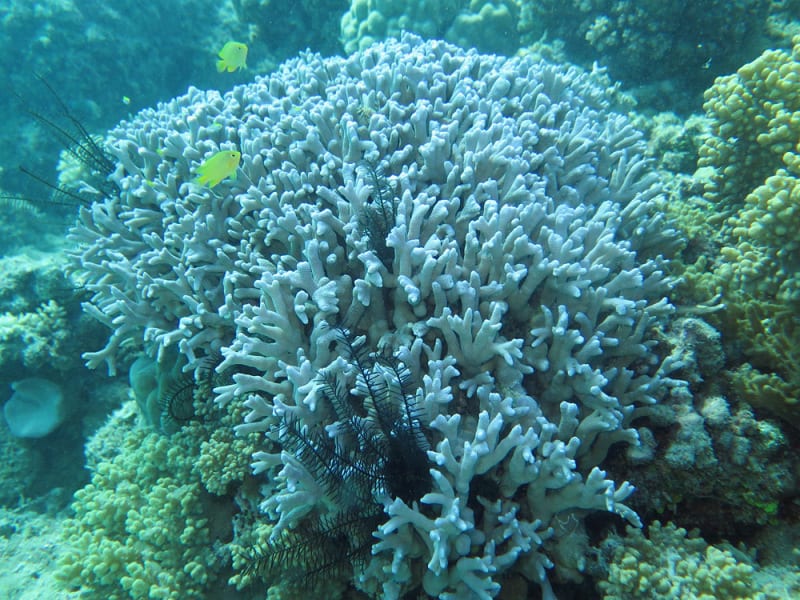
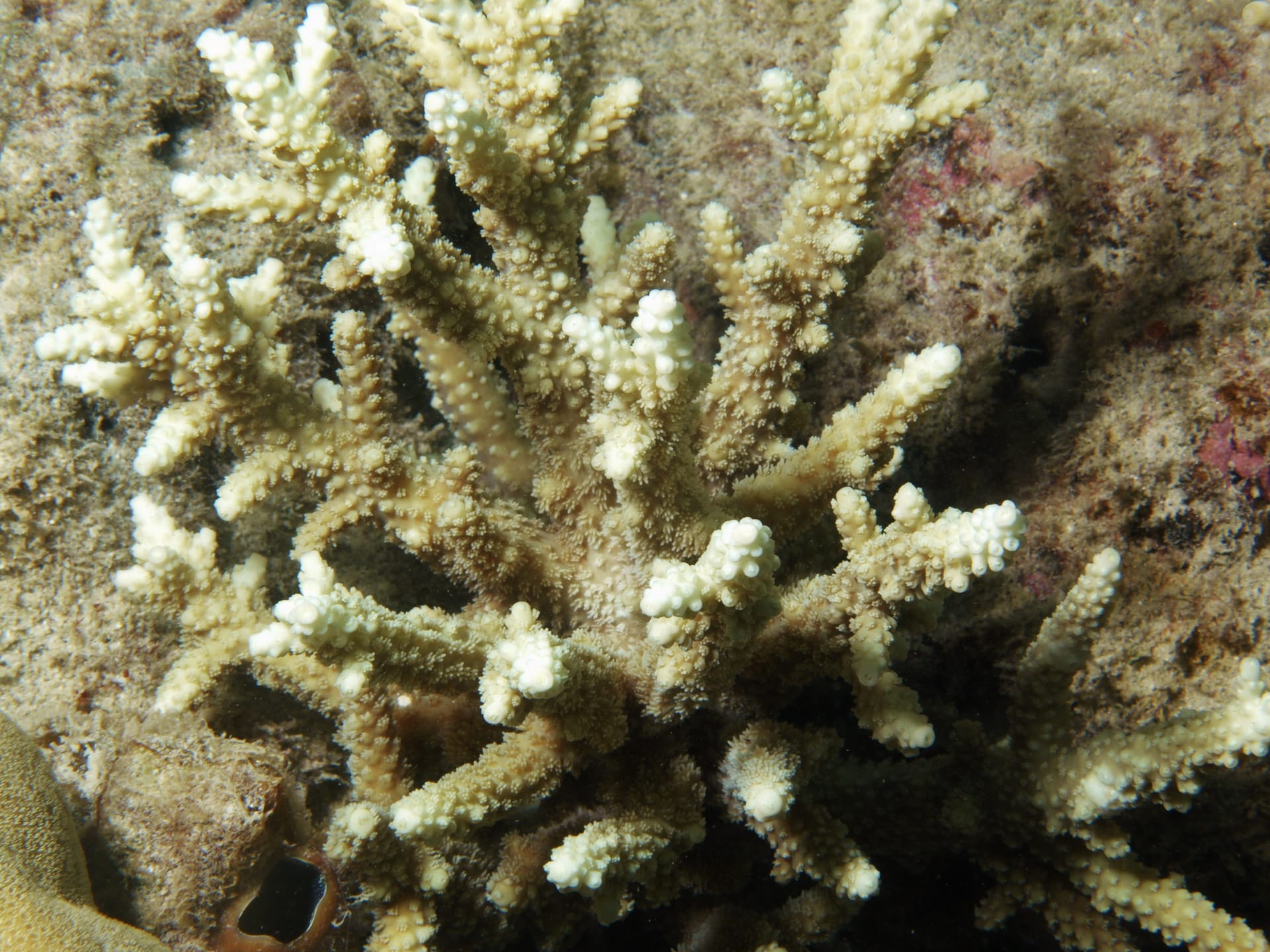
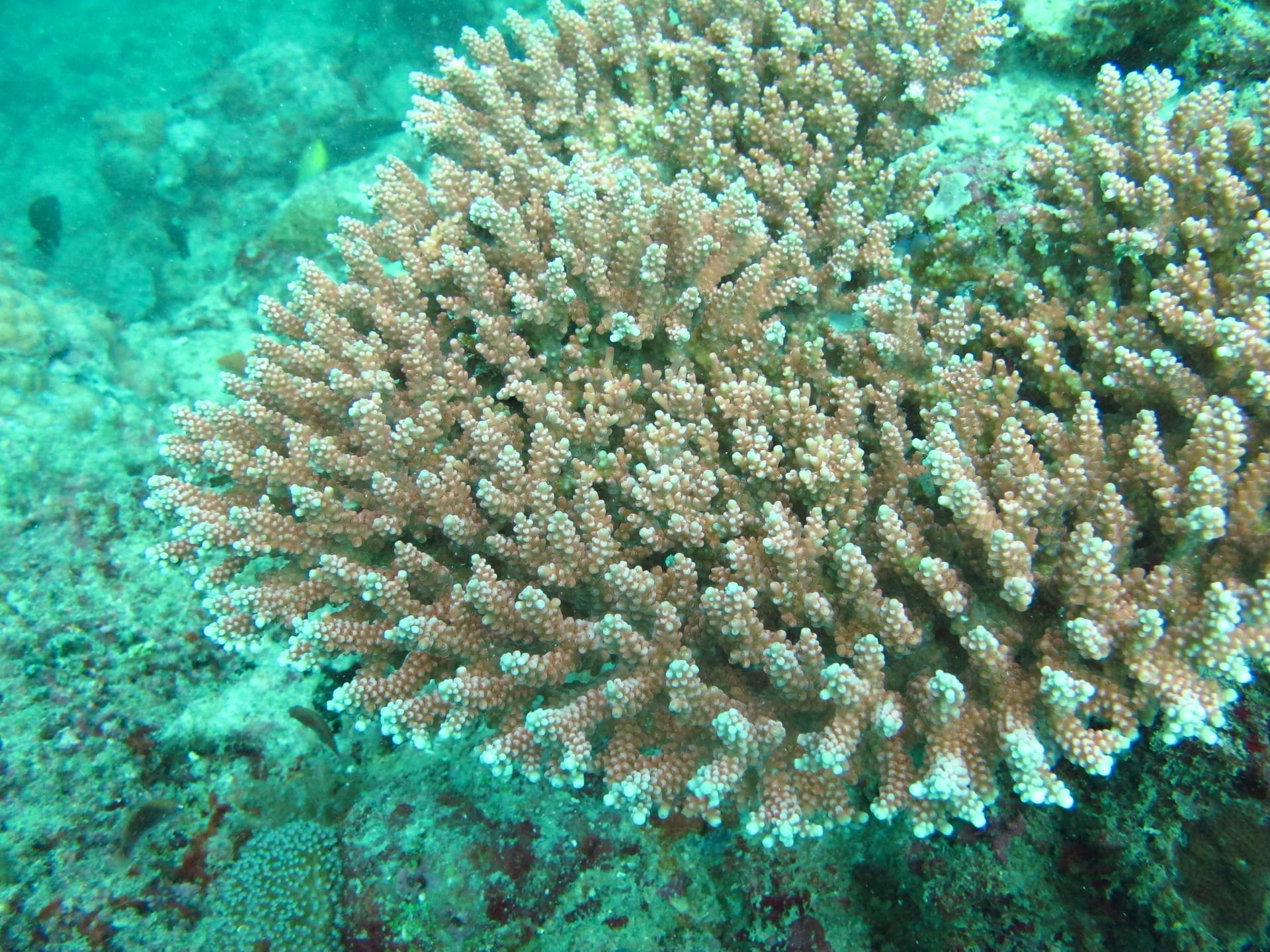
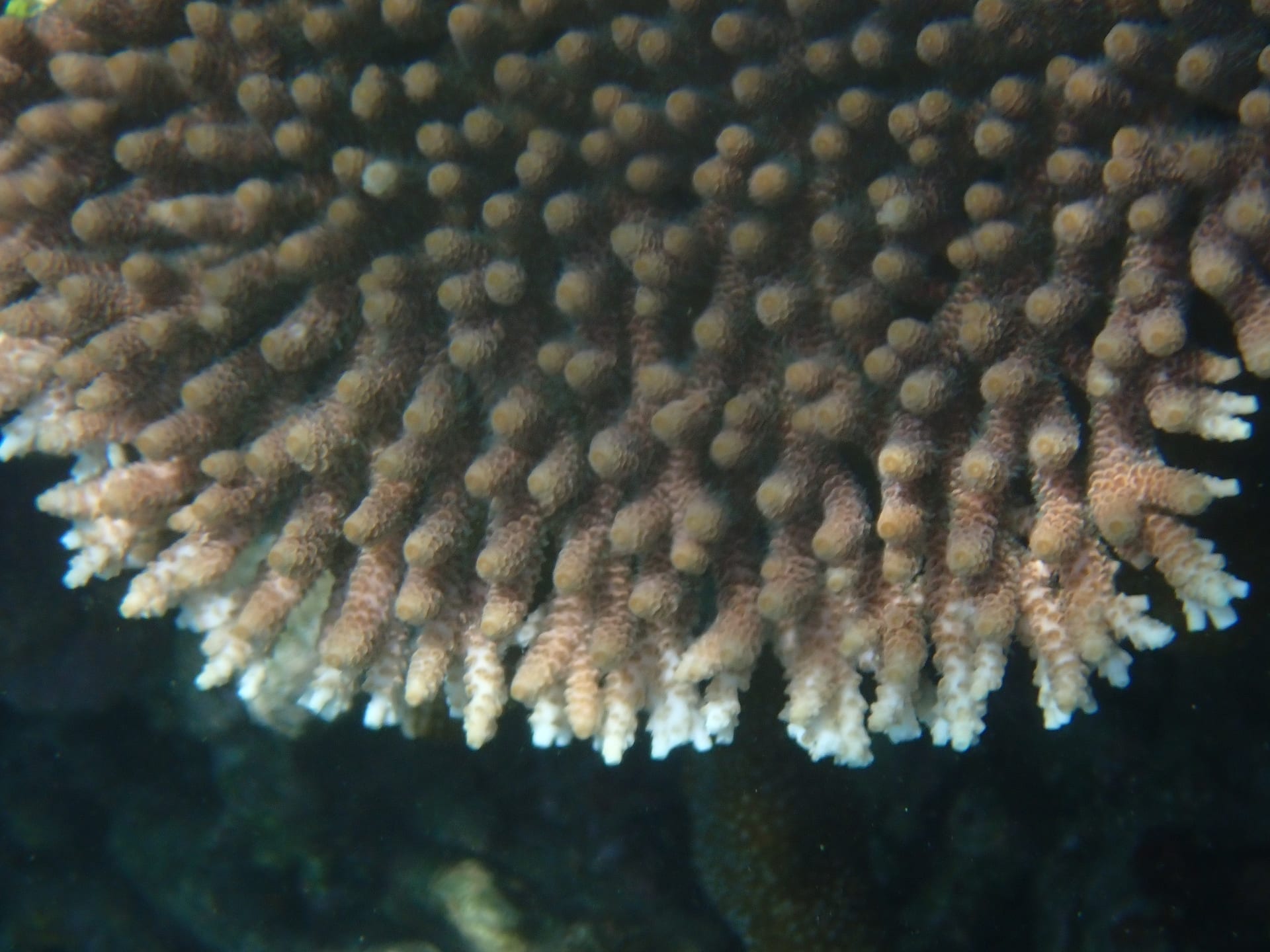
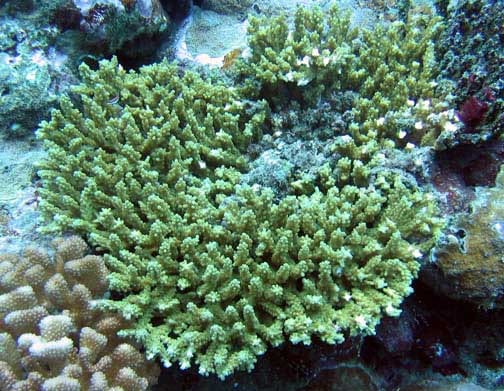
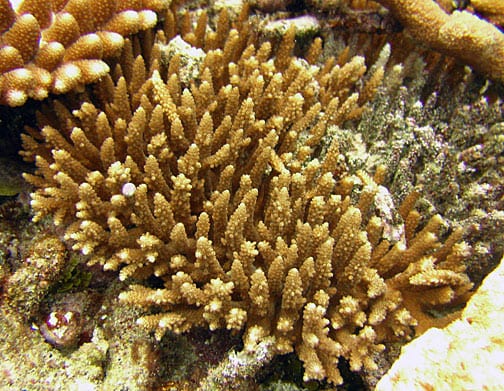
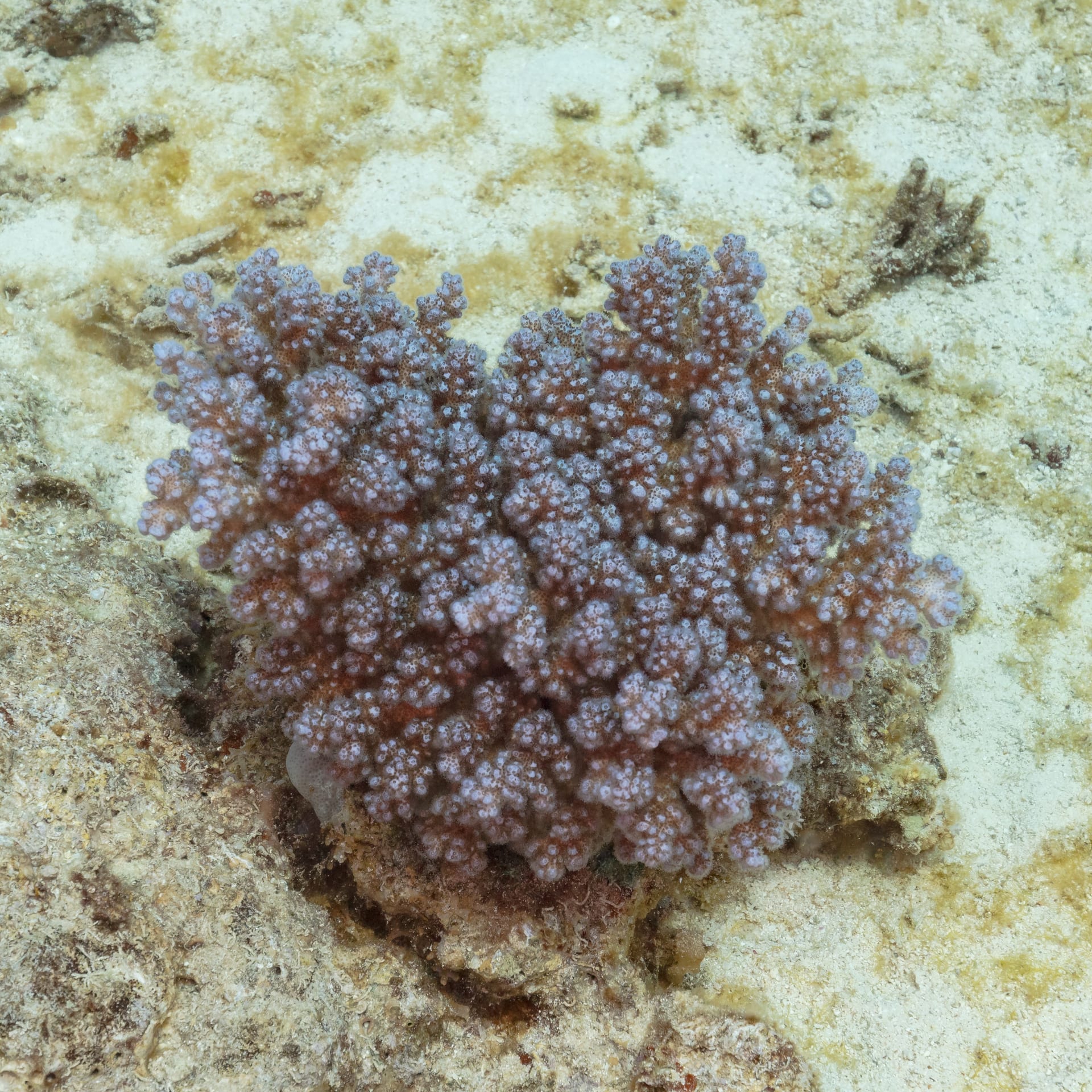
A Pocillopora with short, stout branches radiating from the base, their surfaces covered in wart-like verrucae that separate it from its congeners. Hardy and fast-growing, it is often treated as a beginner's SPS.
Difficulty
Intermediate
Temperature
24〜27℃
Size
Colonies to about 30cm across
Diet
Mainly nutrition from symbiotic zooxanthellae, supplemented with powdered coral foods and phytoplankton.
About
Pocillopora verrucosa is a reef-building pocilloporid distributed widely across the Indo-Pacific. SeaLifeBase gives its depth range as 0-54 m and a maximum colony width of about 30 cm. Short, stout branches radiate from the base, and their surfaces are covered with wart-like verrucae, the character that separates it from congeners. Colour may be brown, pink or green. It is zooxanthellate and draws most of its nutrition from photosynthesis, but extends its polyps at night to capture zooplankton as well. Being comparatively tolerant of changing water chemistry and fast growing, it is often treated as a beginner's SPS. It prefers strong light and strong flow, directed so that detritus cannot settle between the branches. Once the branches grow dense, water stops circulating through the interior, so occasional thinning or repositioning helps. The IUCN assessed it as Endangered in 2023, and as a scleractinian it is listed on CITES Appendix II.
Source: Wikipedia (CC BY-SA 4.0)
Size of the Pocillopora Verrucosa
The Pocillopora Verrucosa grows to Colonies to about 30cm across.
Temperature & humidity for the Pocillopora Verrucosa
The ideal temperature for the Pocillopora Verrucosa is 24〜27℃.
Basic Info
Origin
Indo-Pacific, on reefs from the surface down to about 54 m
Size
Colonies to about 30cm across
Temperature
24〜27℃
Care Specifications
- Carbonate (KH)
- 8–12 dKH
- Water Temp.
- 24–27℃
- Specific Gravity
- 1.023–1.025
- Salinity
- 33–35 ppt
- Calcium (Ca)
- 400–450 ppm
- Magnesium (Mg)
- 1280–1350 ppm
SPSPeacefulLight: High (PAR>150)Flow: HighPlacement: Top
Sources: SeaLifeBase (Pocillopora verrucosa) / LiveAquaria (Green Cauliflower Pocillopora Coral) /
References & Sources
Edited & verified by: BreederDirect editorial team
The taxonomic, regulatory, and husbandry data on this page are compiled and verified against the authoritative primary sources below.
Taxonomy & Authority
Accepted name: Pocillopora verrucosa (Ellis & Solander, 1786)
Synonyms: Madrepora verrucosa Ellis & Solander, 1786, Pocillopora danae Verrill, 1864, Pocillopora hemprichi Ehrenberg, 1834
Authority databases: WoRMS
Nomenclature follows global taxonomic authority databases.
Regulations & Conservation Status
CITES Appendix IIIUCN EN · Endangered
Sources: CITES Appendix II (Scleractinia spp. listed as an order) / IUCN Red List 2025-2 (assessed 2023, via SeaLifeBase)
Regulations may change. Always verify the latest information with the relevant authorities.
Pocillopora Verrucosa Listings
Loading latest listingsFind listings for this species