Cat Encyclopedia — 87 Species Directory
Encyclopedia of popular cat breeds with traits, temperament, and care guides.
Showing 44 of 87 species(25–44)
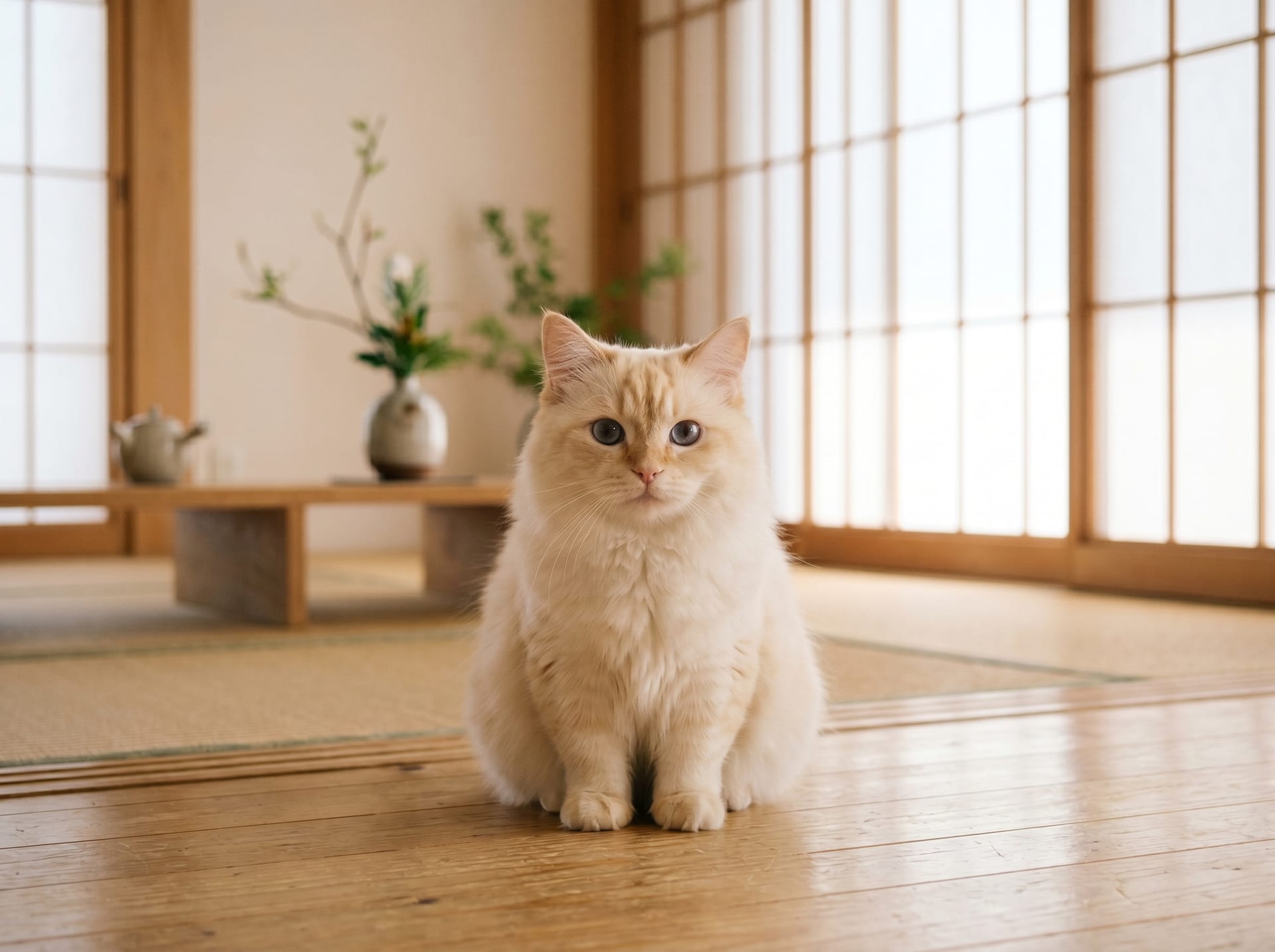
Minuet
Cross between Munchkin and Persian. Short legs, fluffy coat, and round face make this a rapidly rising star.
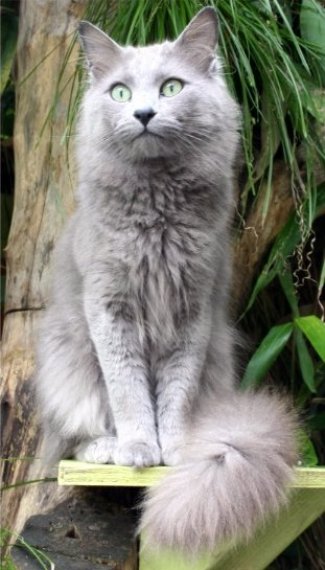 © Nebelung / CC BY-SA 3.0
Nebelung
Long-haired Russian Blue. Name means 'creature of the mist' in German. Misty blue-grey silky long coat.
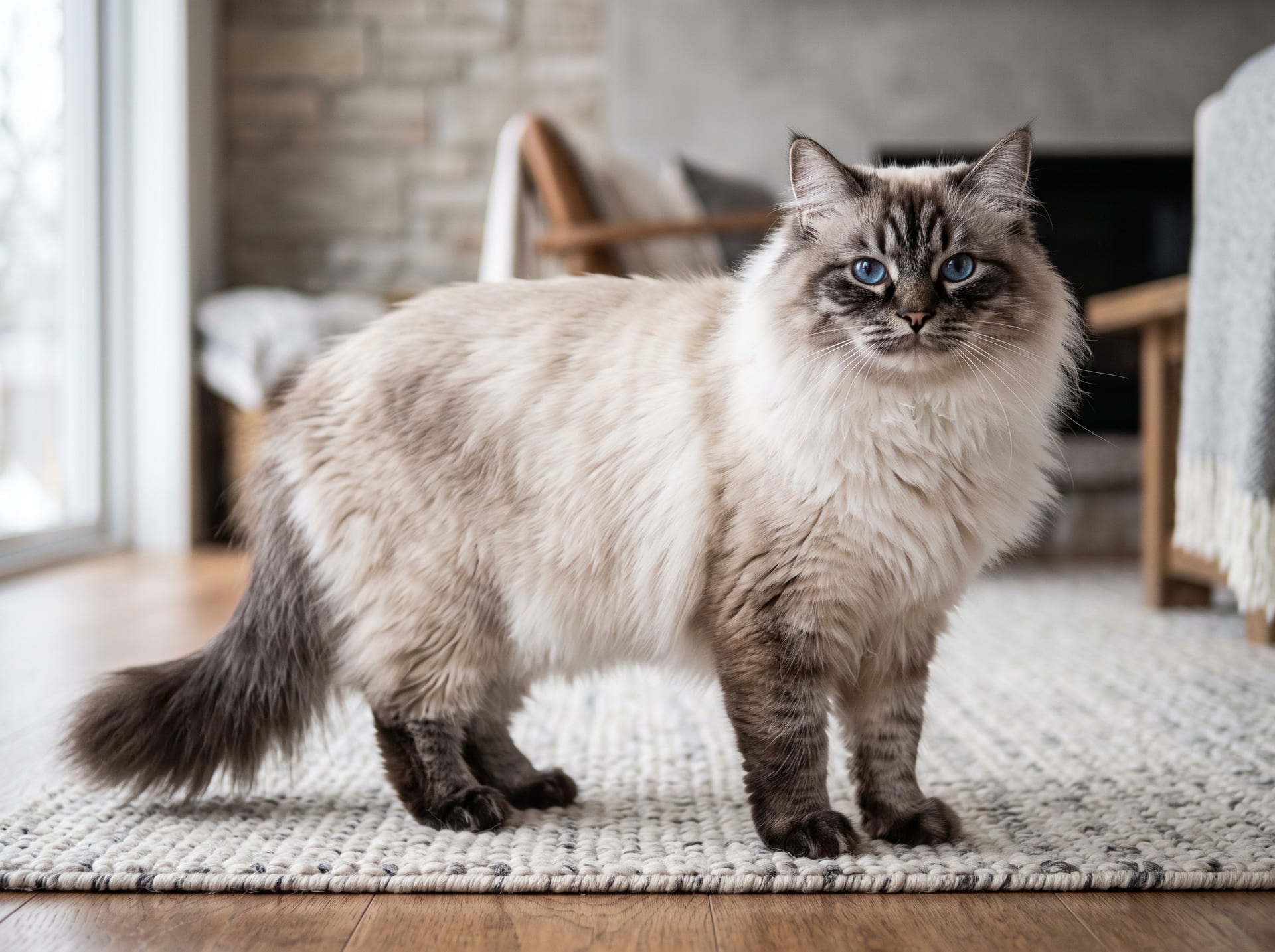
Neva Masquerade
The colorpoint variety of the Siberian, a blue-eyed forest cat from Russia combining a dense triple coat and powerful build with a calm, undemanding temperament.
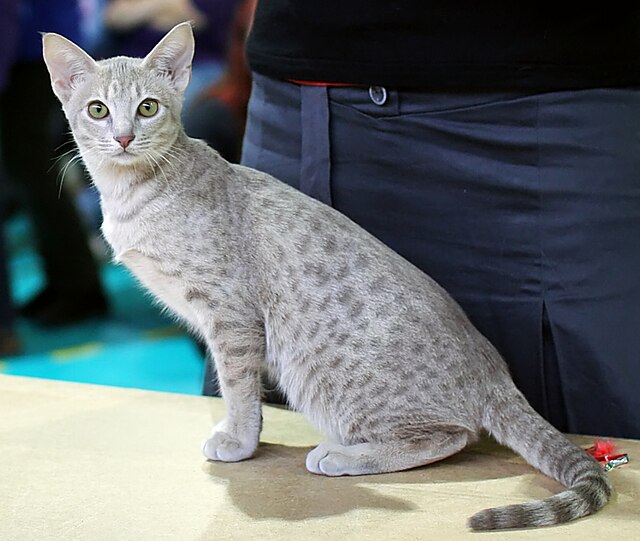 © Heikki Siltala - catza.net / CC BY 3.0
Ocicat
Wild-looking spotted pattern but fully domestic. Dog-like loyalty; can learn leash walking and fetch.
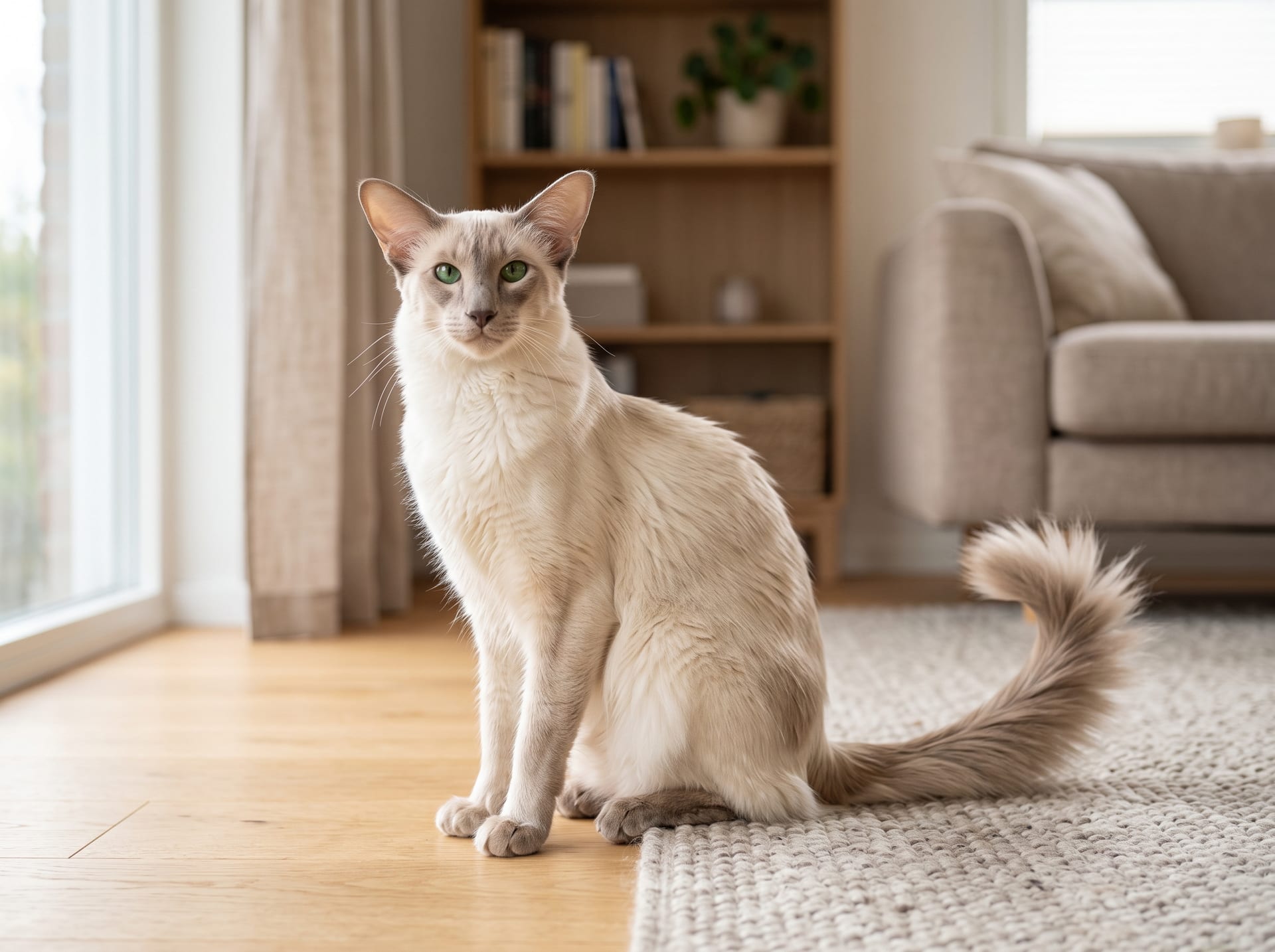
Oriental Longhair
A svelte, silky-coated member of the Siamese family nicknamed the "Ornamental" for its unmatched variety of colors. Talkative, sociable and deeply devoted to its people.
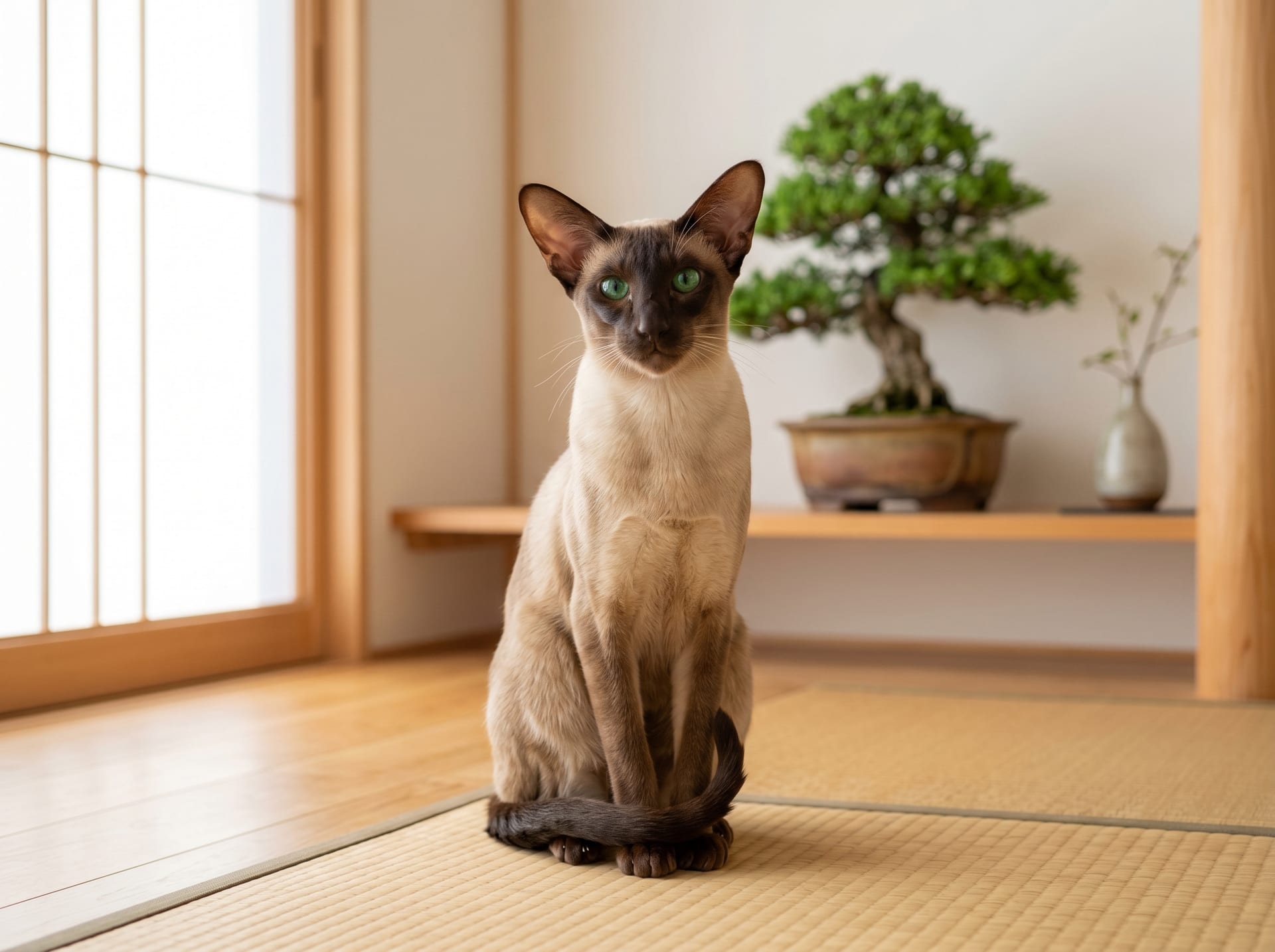
Oriental Shorthair
Siamese body type with 300+ color/pattern combinations. Vocal and social like Siamese. Slim and elegant.
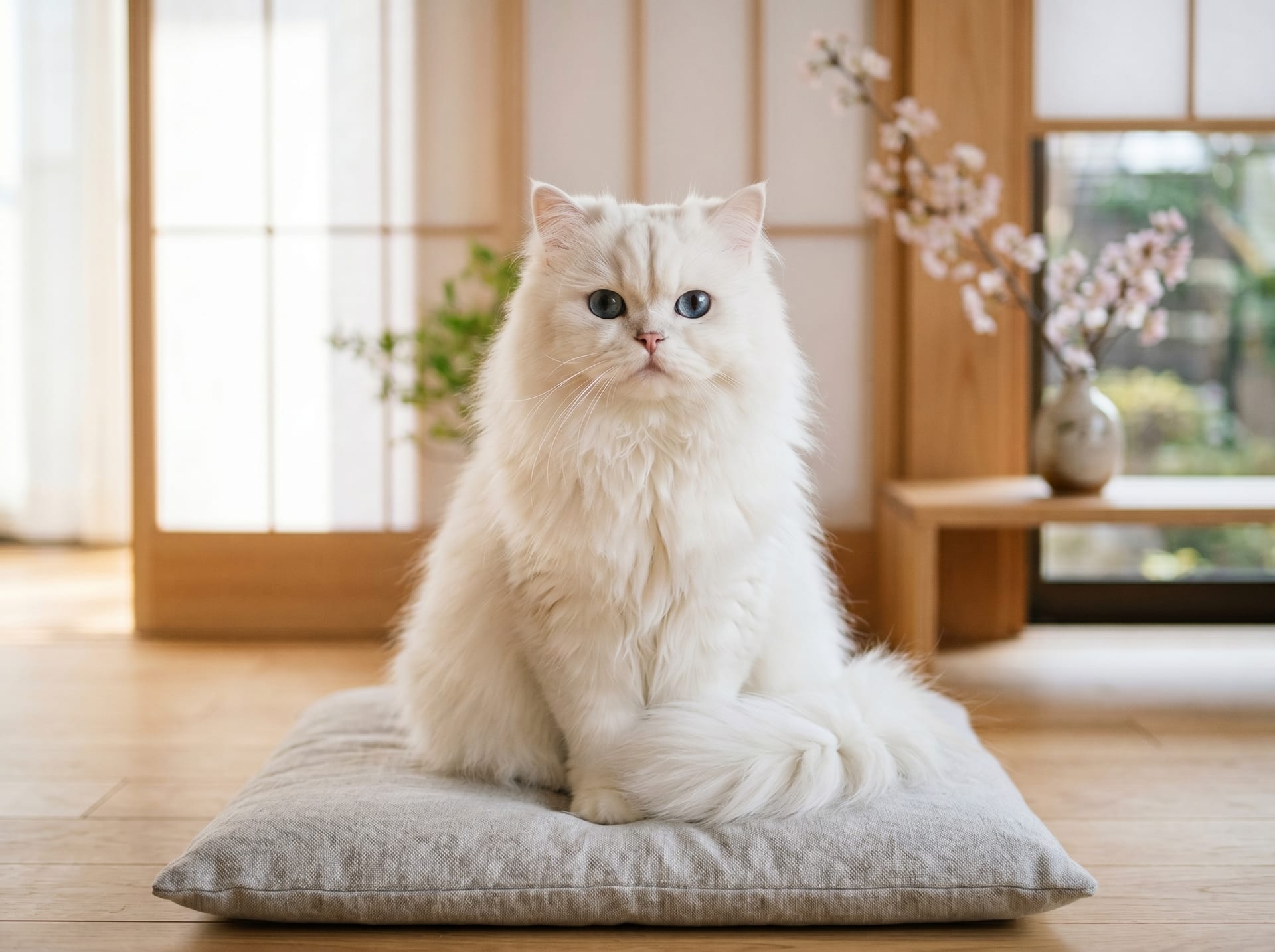
Persian
Elegant breed with luxurious long coat and flat face. Calm and gentle; best suited for quiet indoor environments.
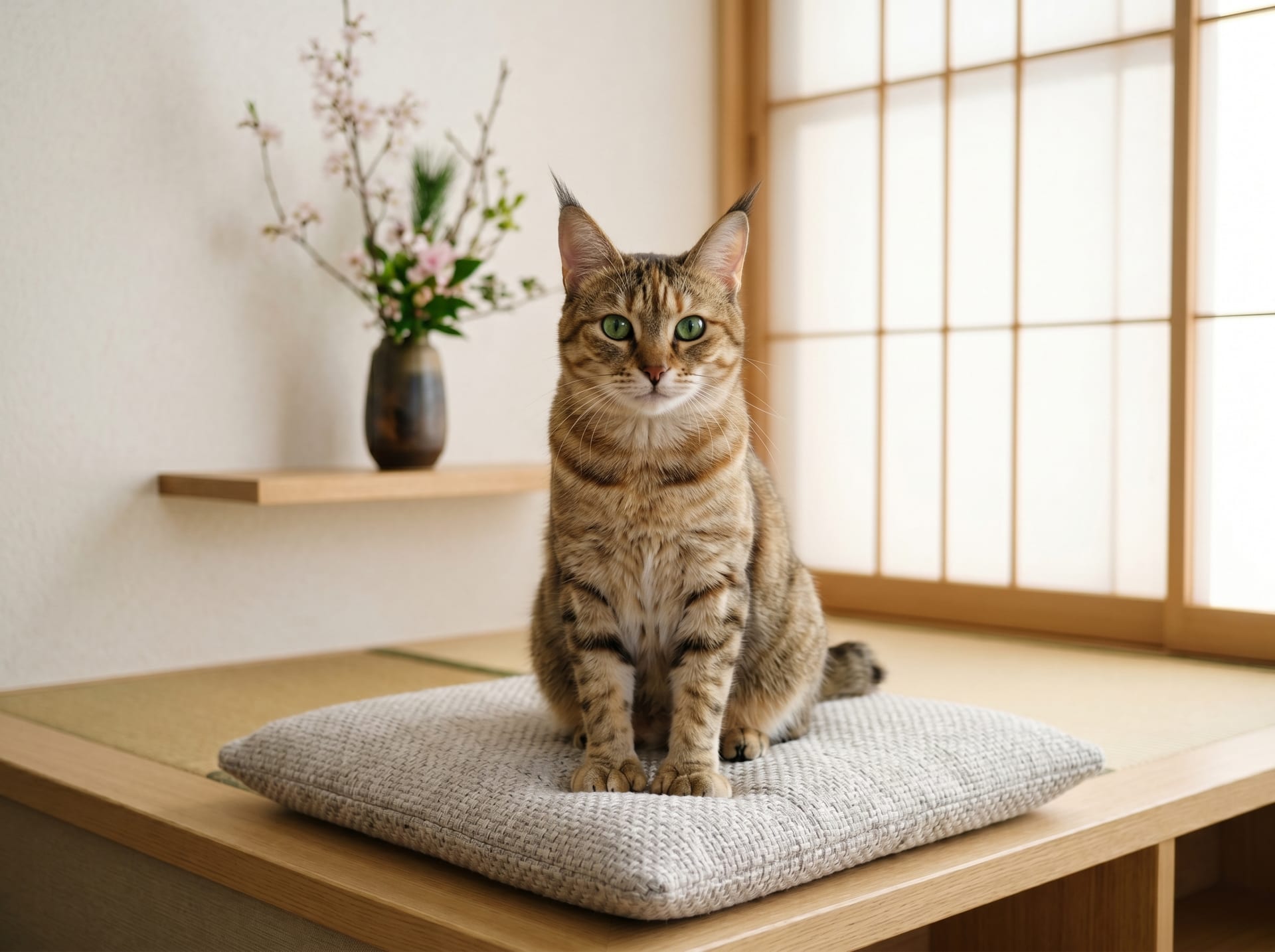
Pixie-bob
Large domestic cat resembling a Bobcat. Short tail and wild look, yet gentle with dog-like loyalty.
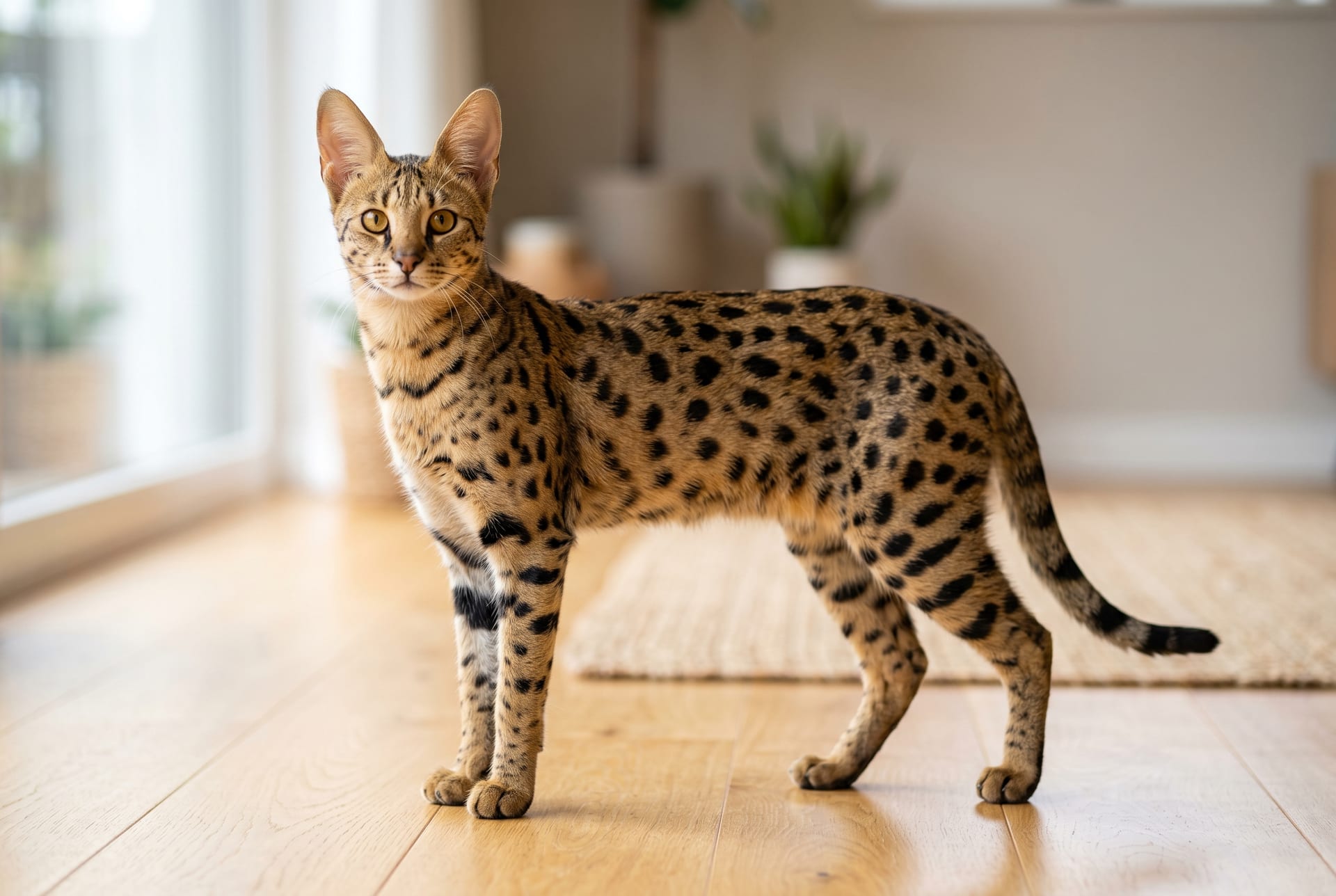
Serengeti
Bengal and Oriental Shorthair cross. Serval-like long legs and large ears without wild cat ancestry.
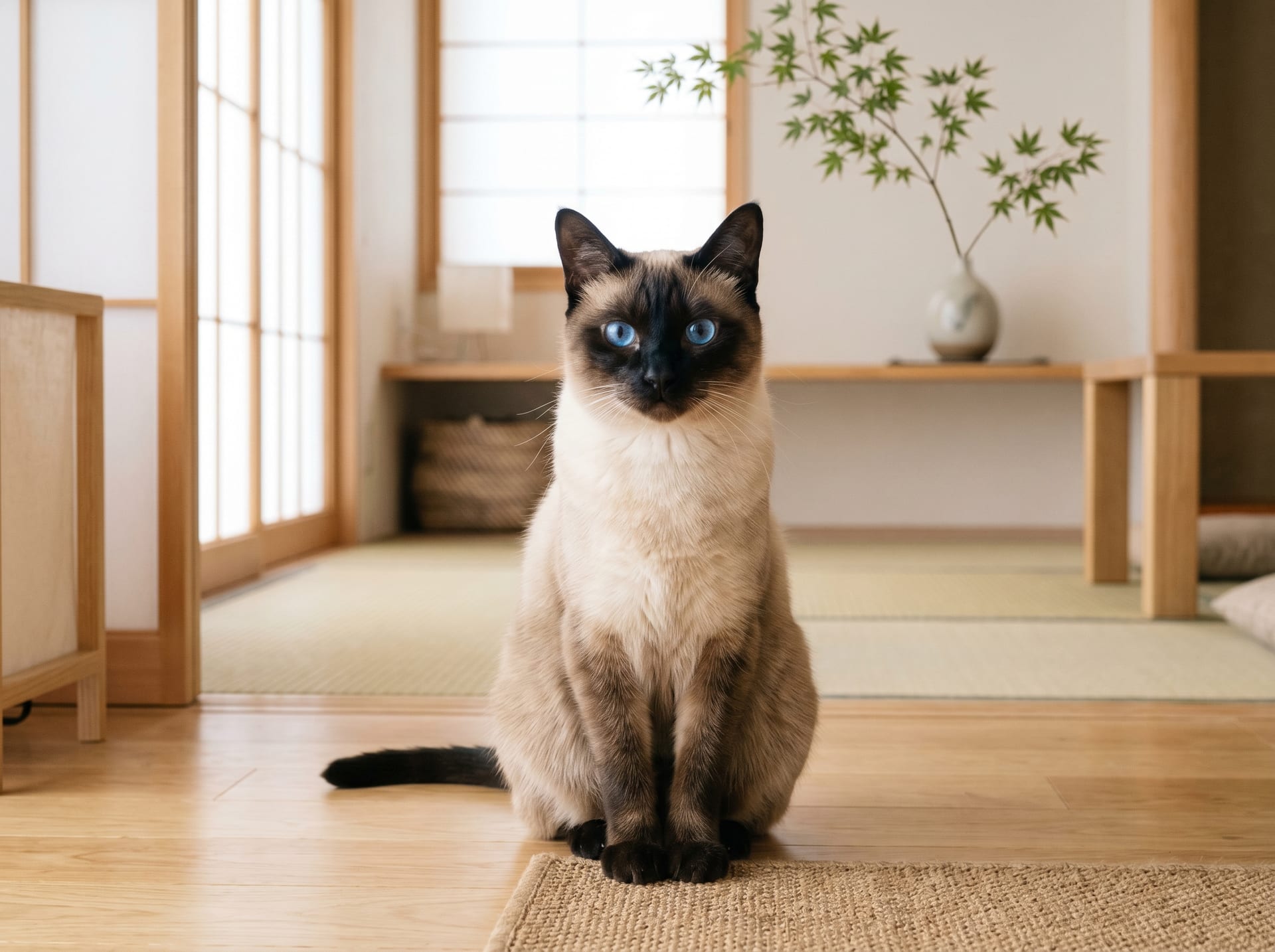
Siamese
Beautiful pointed coat and blue eyes. Very vocal and loves conversing with owners. Intelligent and social.
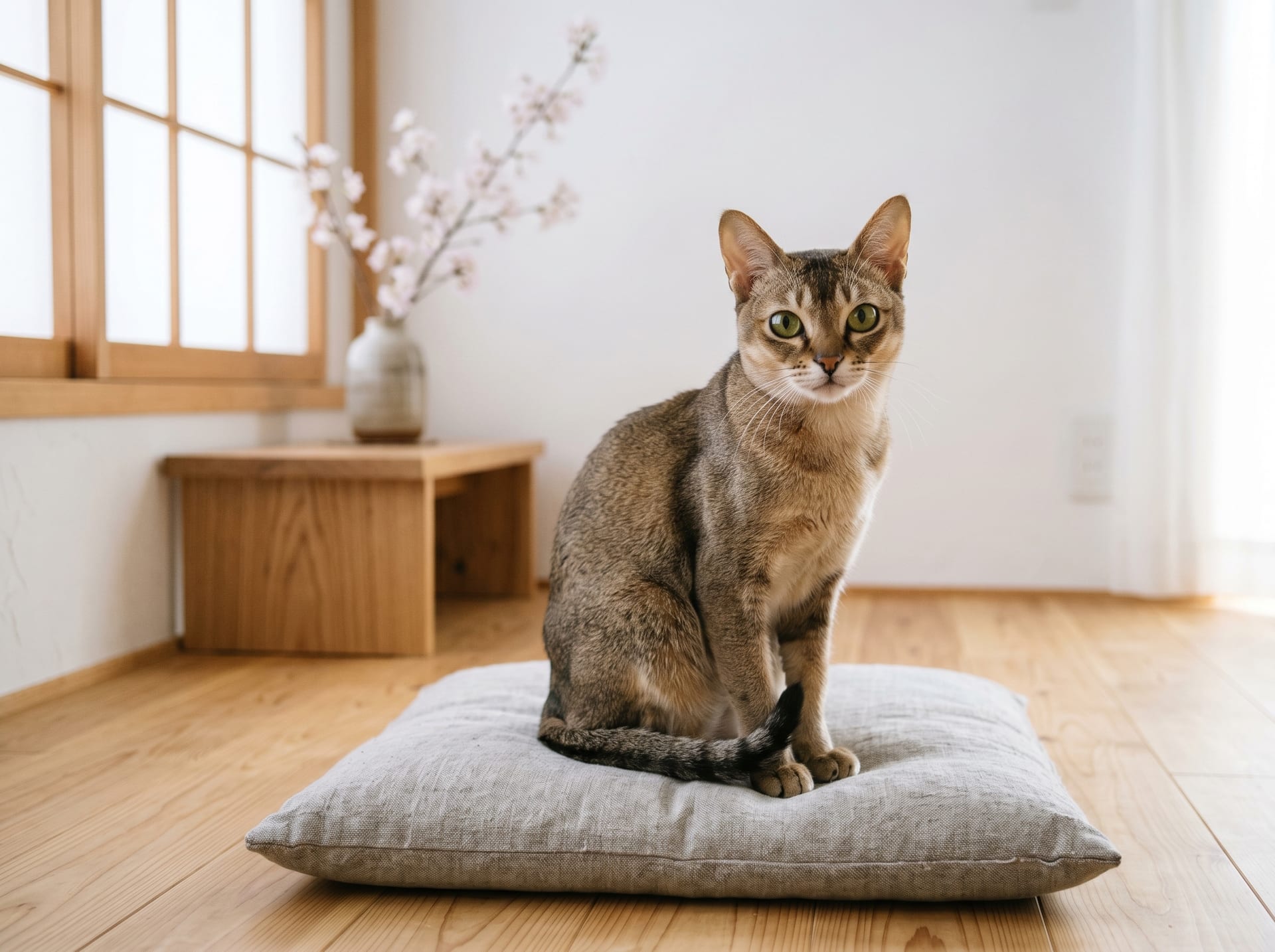
Singapura
One of the world's smallest cat breeds. Large eyes and ears; called 'little fairy.' Extremely curious.
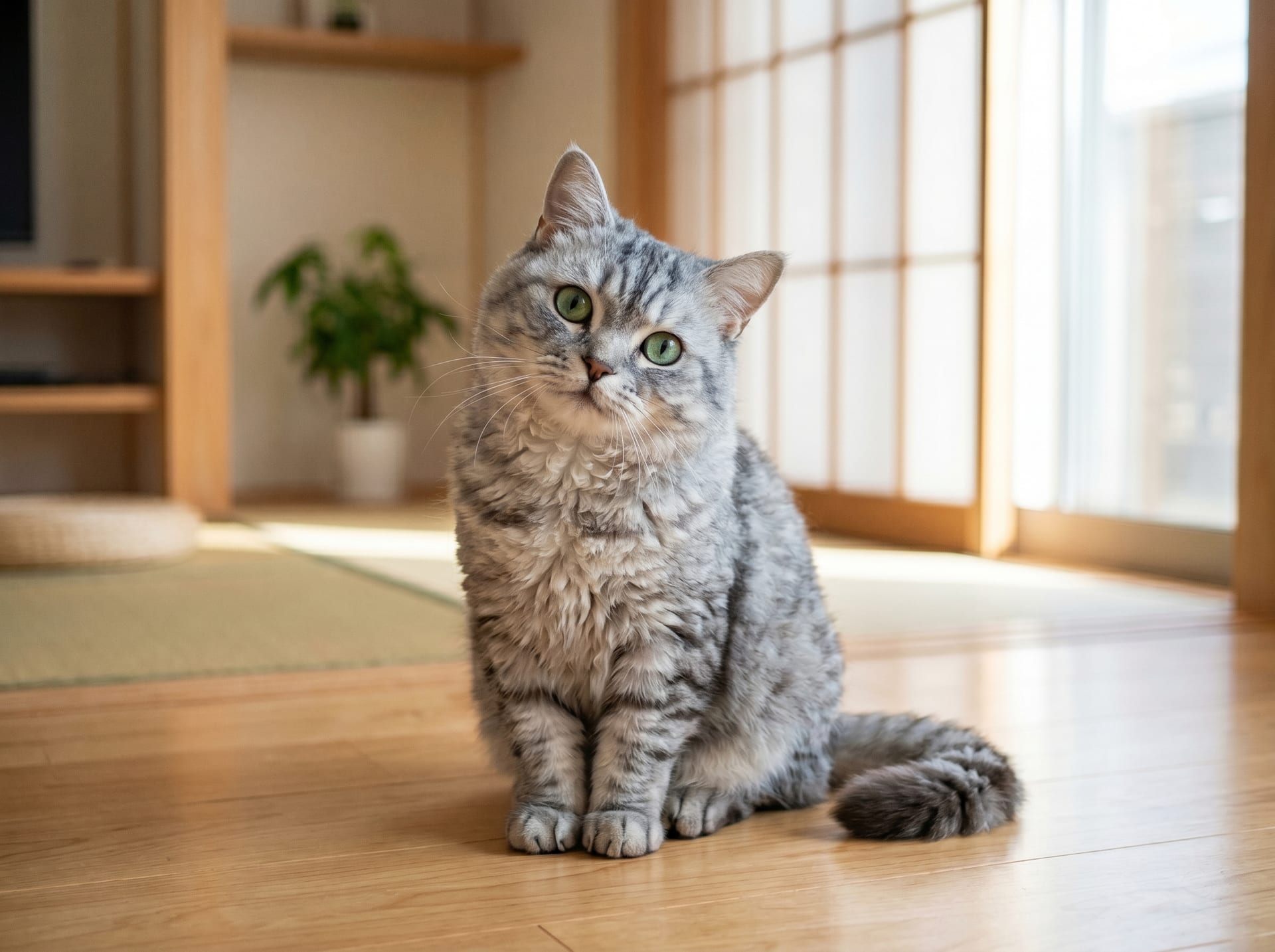
Skookum
New breed from LaPerm × Munchkin cross. Short legs and curly coat with playful, affectionate nature.
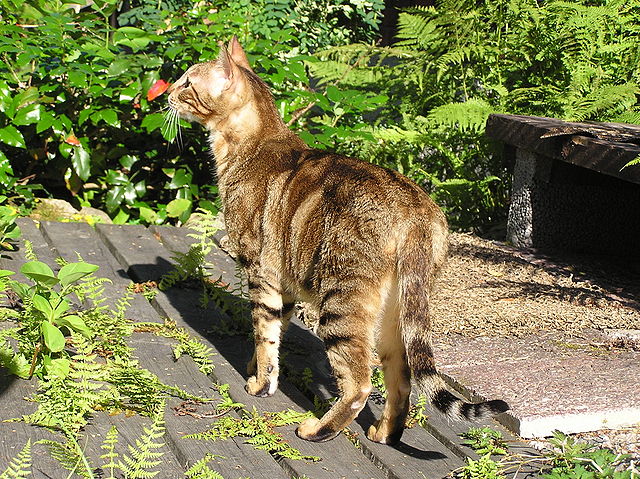 © The original uploader was SHD at English Wikipedia . A. Turto en:User:SHD (self made) / CC BY-SA 2.5
Sokoke
Natural breed from the Arabuko-Sokoke forest of Kenya. Unique tabby pattern with lean, muscular build. Extremely rare.
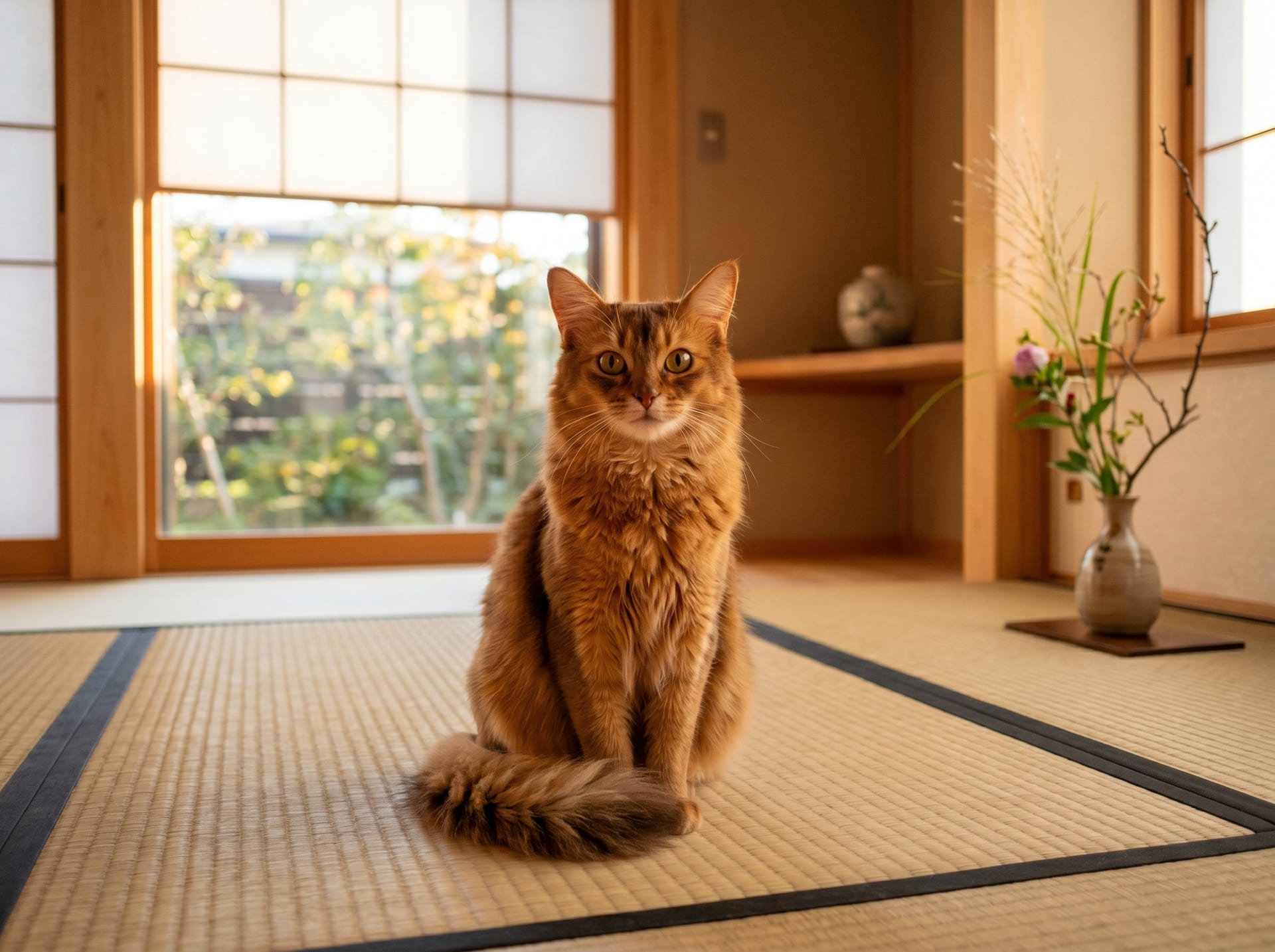
Somali
Long-haired Abyssinian. Bushy tail and gorgeous ticked coat. Curious and playful; called 'fox cat.'
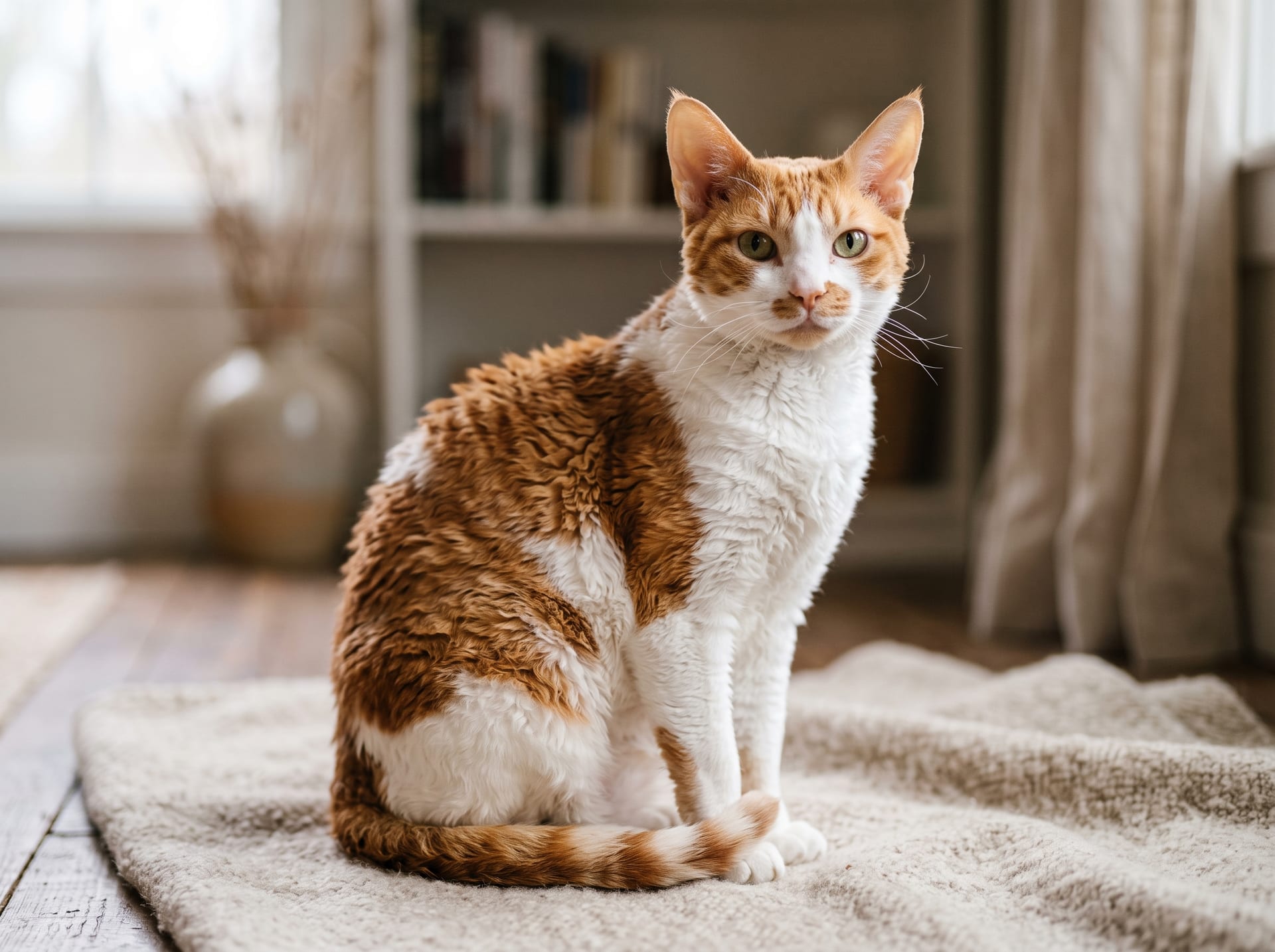
Tennessee Rex
A rare new breed discovered in Tennessee in 2004, known for its curly coat with a distinctive satin sheen. Reported to be friendly and gentle, though the breed remains little documented.
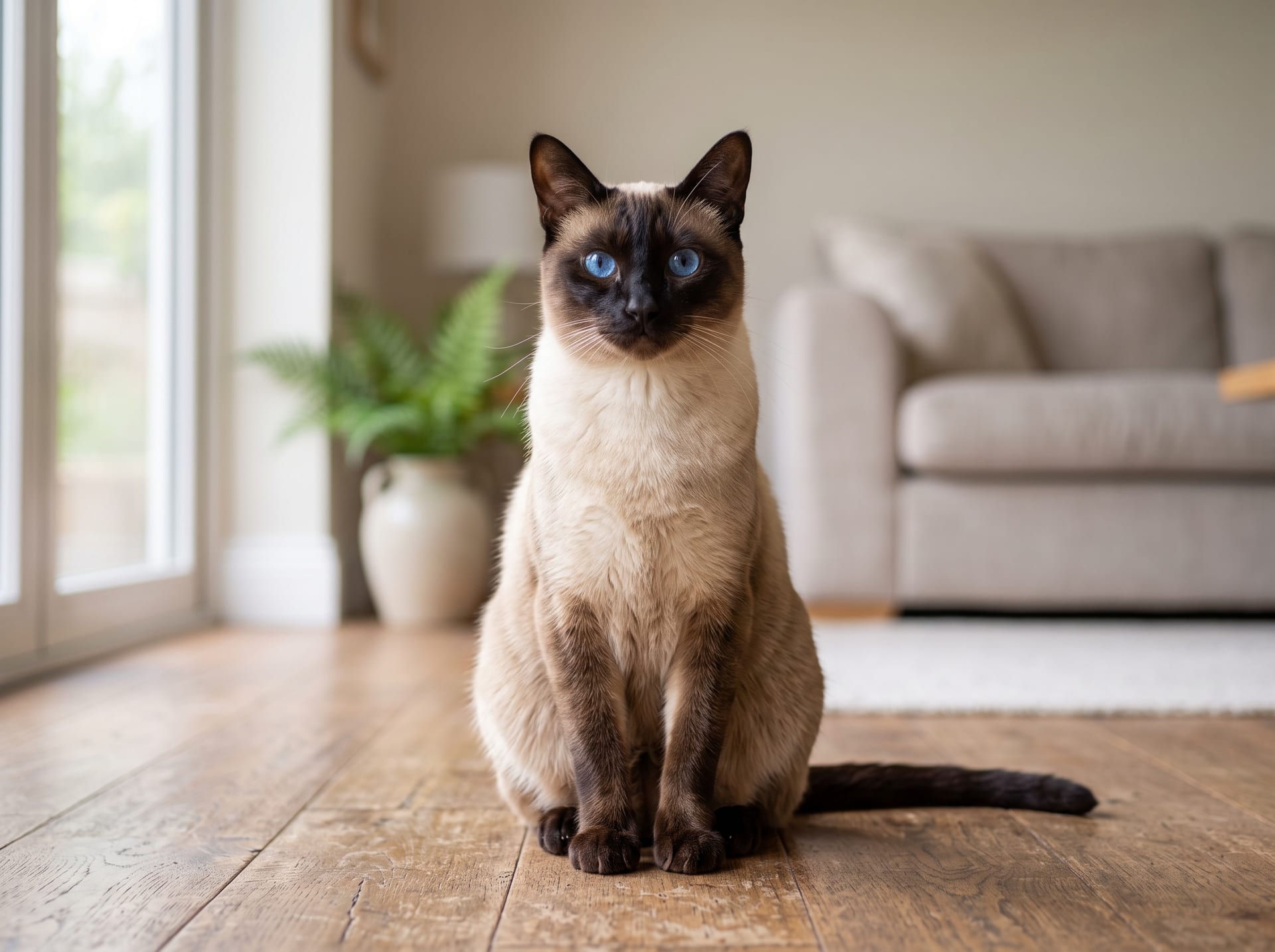
Thai
The "Old-Style Siamese" that preserves the original pointed cat of Thailand, with deep blue eyes and a balanced, moderate build. Chatty, outgoing and devoted to its family.
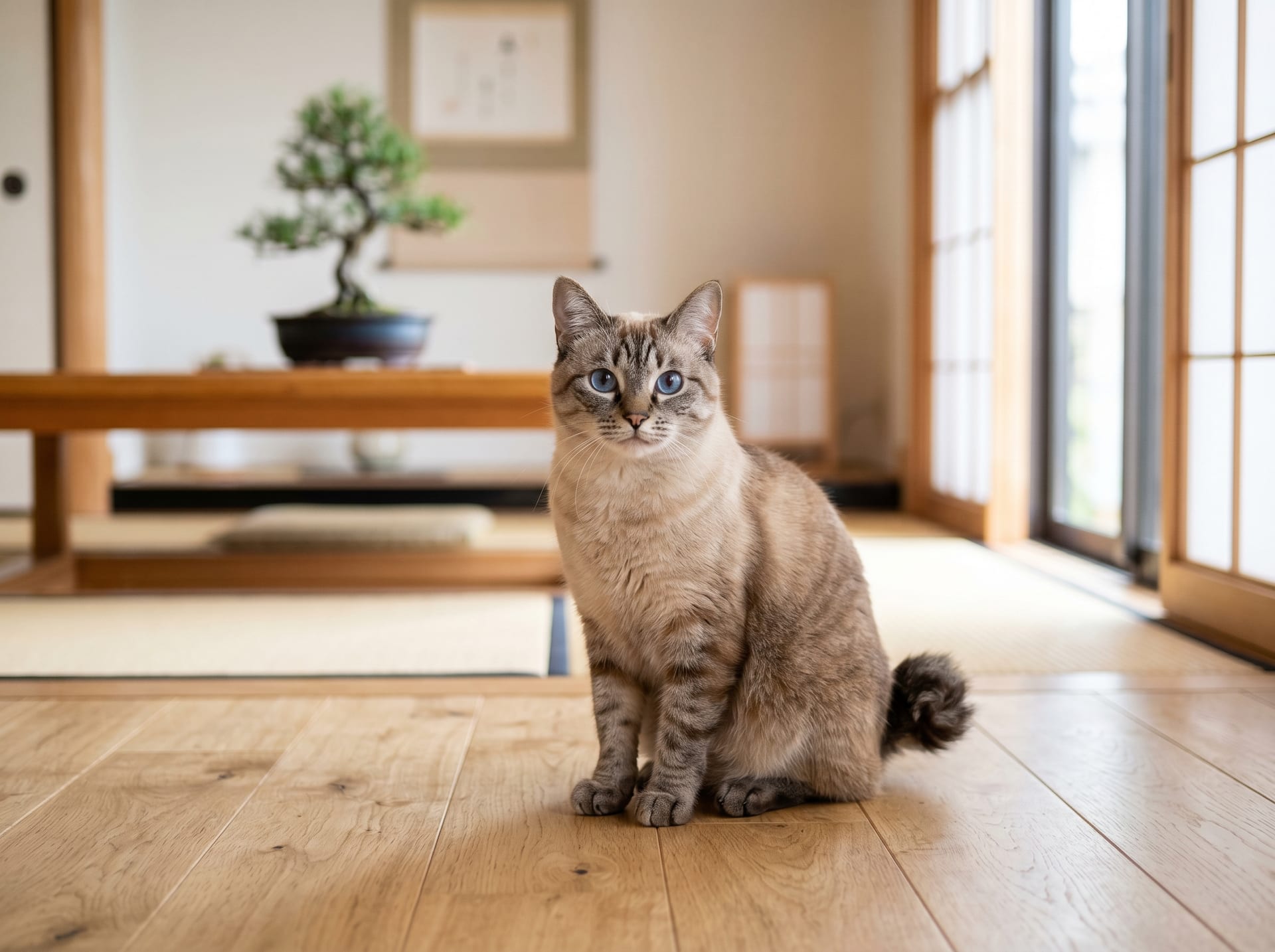
Toybob
One of the smallest cat breeds. Adults remain kitten-sized with short tails, from Russia.
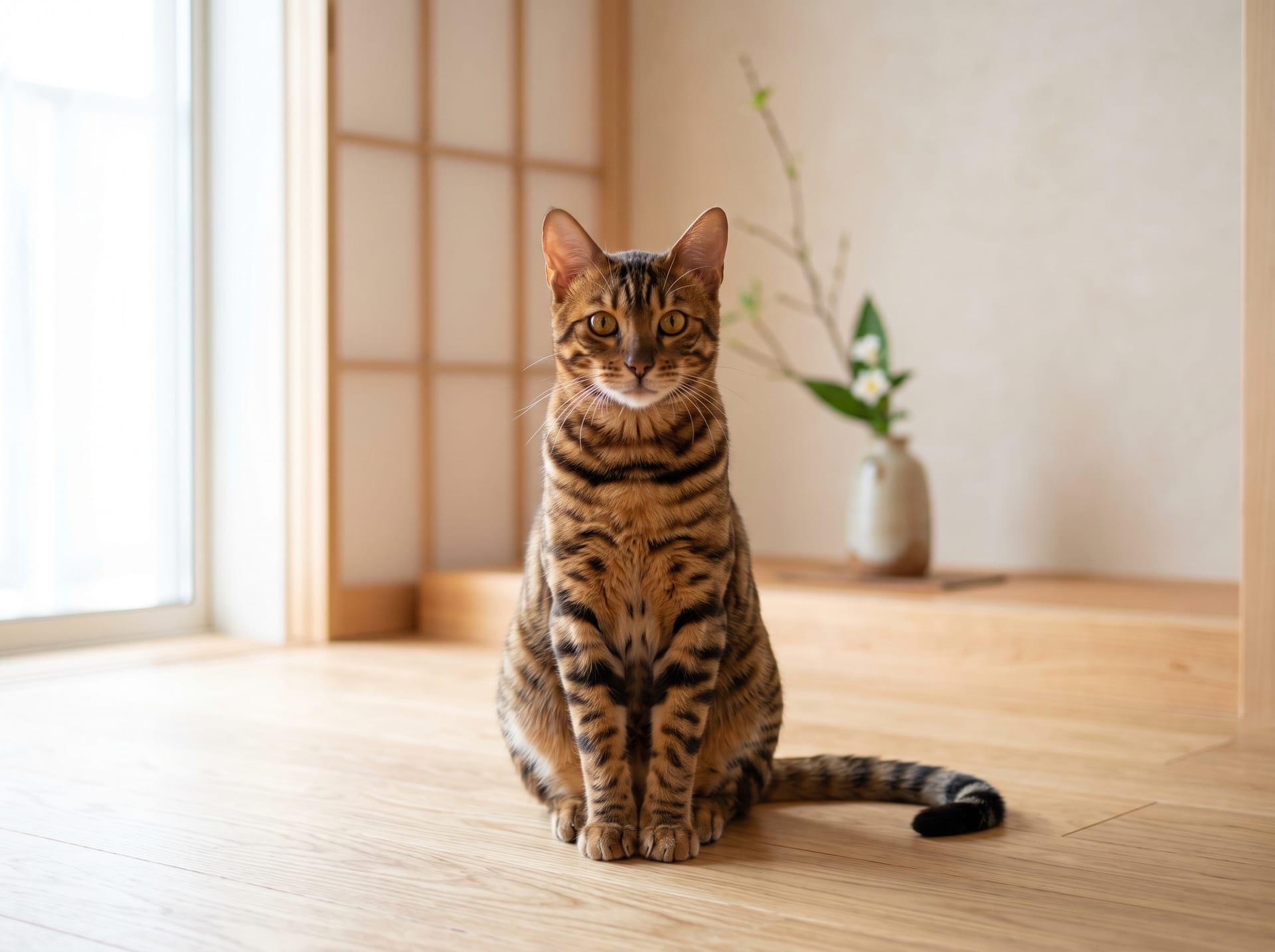
Toyger
'Toy Tiger' — tiger-like stripes on a domestic cat. Relatively new breed. Calm and easy to keep despite wild looks.
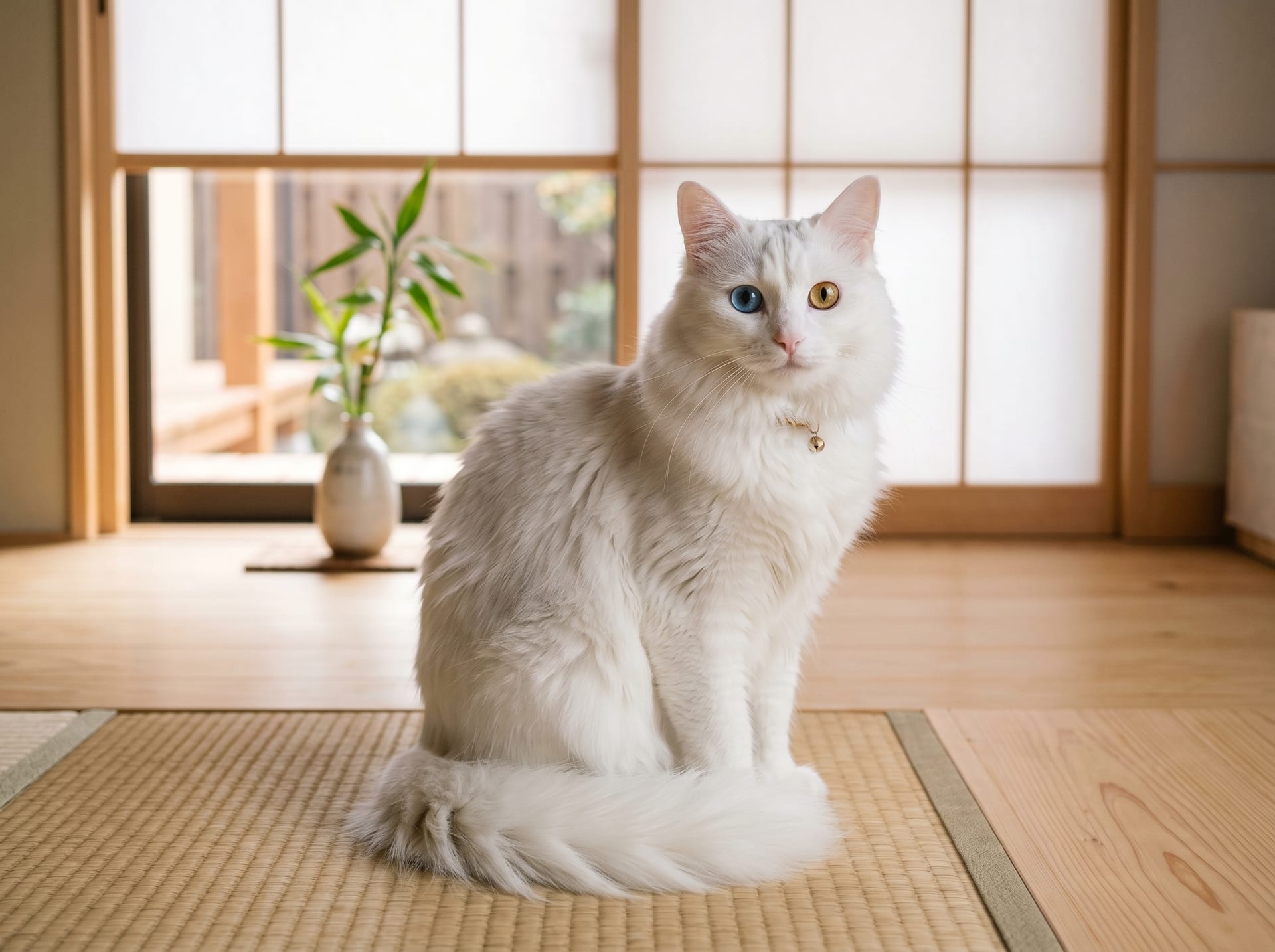
Turkish Angora
Elegant Turkish longhair. White coat with blue, gold, or odd eyes. Very intelligent and active; some enjoy water.
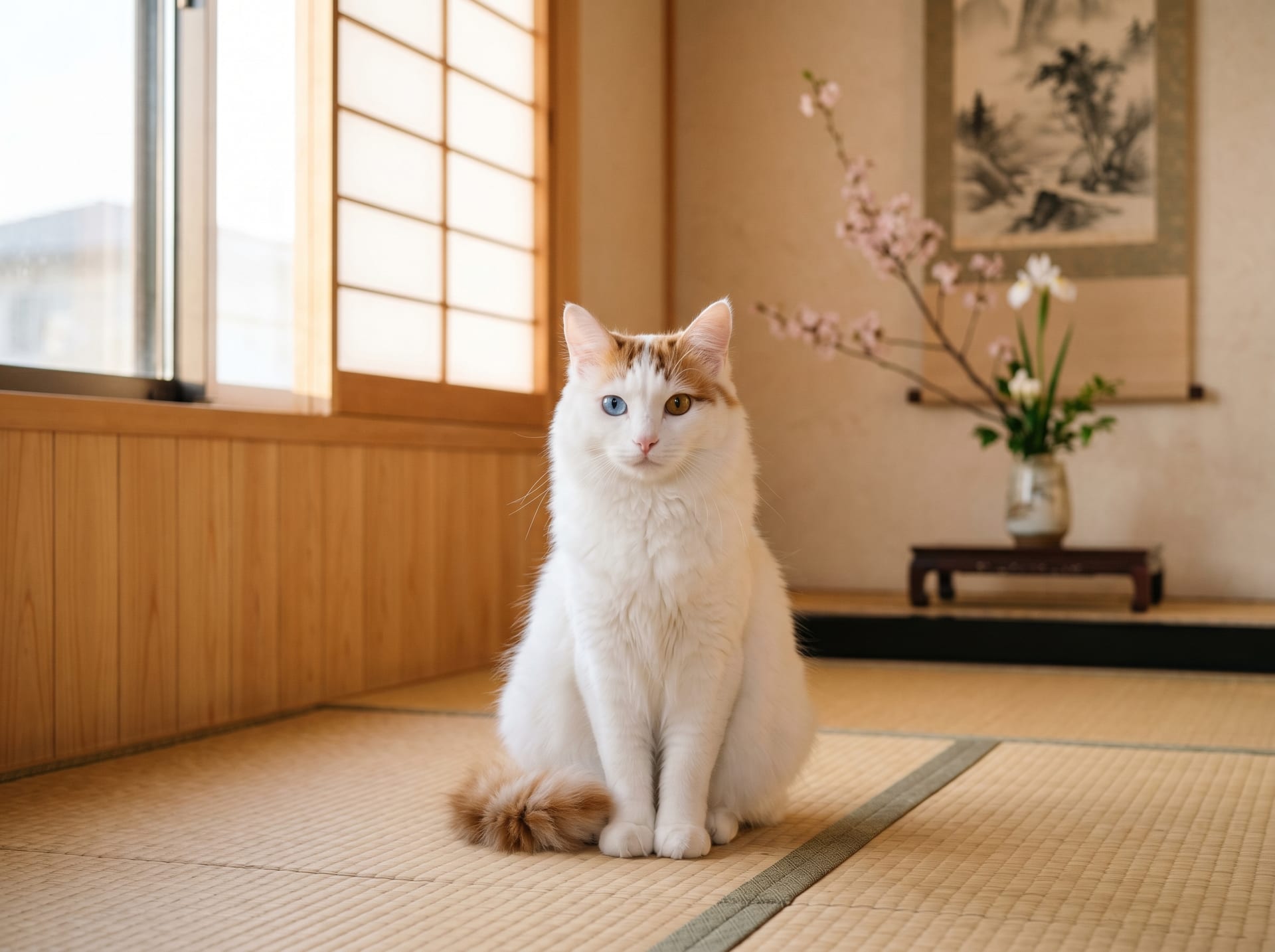
Turkish Van
Unique van pattern with color only on head and tail. 'Swimming cat' that loves water. Large and energetic.
Cat FAQ
- How much do cats cost?
- Prices vary by breed. From breeders directly, Munchkins typically run 150,000-400,000 yen, Scottish Folds 150,000-350,000 yen, British Shorthairs 150,000-350,000 yen, and Ragdolls 150,000-400,000 yen, varying with coat and pedigree.
- What are the benefits of buying from a breeder?
- You can directly check the parent cats' temperament, health, and rearing environment. Under Japan's Animal Welfare Act, sellers must show the actual animal at their premises and give in-person written explanation of care and date of birth before handover. You can also confirm screening for hereditary conditions.
- At what age can I bring home a kitten?
- Under Japan's Animal Welfare Act, breeders cannot sell or hand over kittens until they are 56 days (8 weeks) old. Allowing enough socialization time with the mother and littermates is important for raising a healthy, people-friendly cat.
- How long do cats live?
- With proper indoor care, cats live around 15-20 years, and some individuals in certain breeds exceed 20 years. Regular checkups, dental care, and obesity prevention are keys to longevity.
- What do I need to prepare before getting a cat?
- Basics include a litter box and litter, food and bowls, a cat tower and scratching post, and a carrier. Escape-prevention measures and an early vet health check and vaccination plan after arrival are also important.